Durban laser support for coastal workshops
Our Durban Support area covers workshops, signage plants and metal fabricators that need quick help with fibre and CO2 laser machines. Coastal air can bring more moisture into cabinets, optics housings and gas lines, so small faults can turn into cutting problems faster than many operators expect. We handle repair work on the bench and on site, depending on what the machine needs and how quickly production has to get moving again.
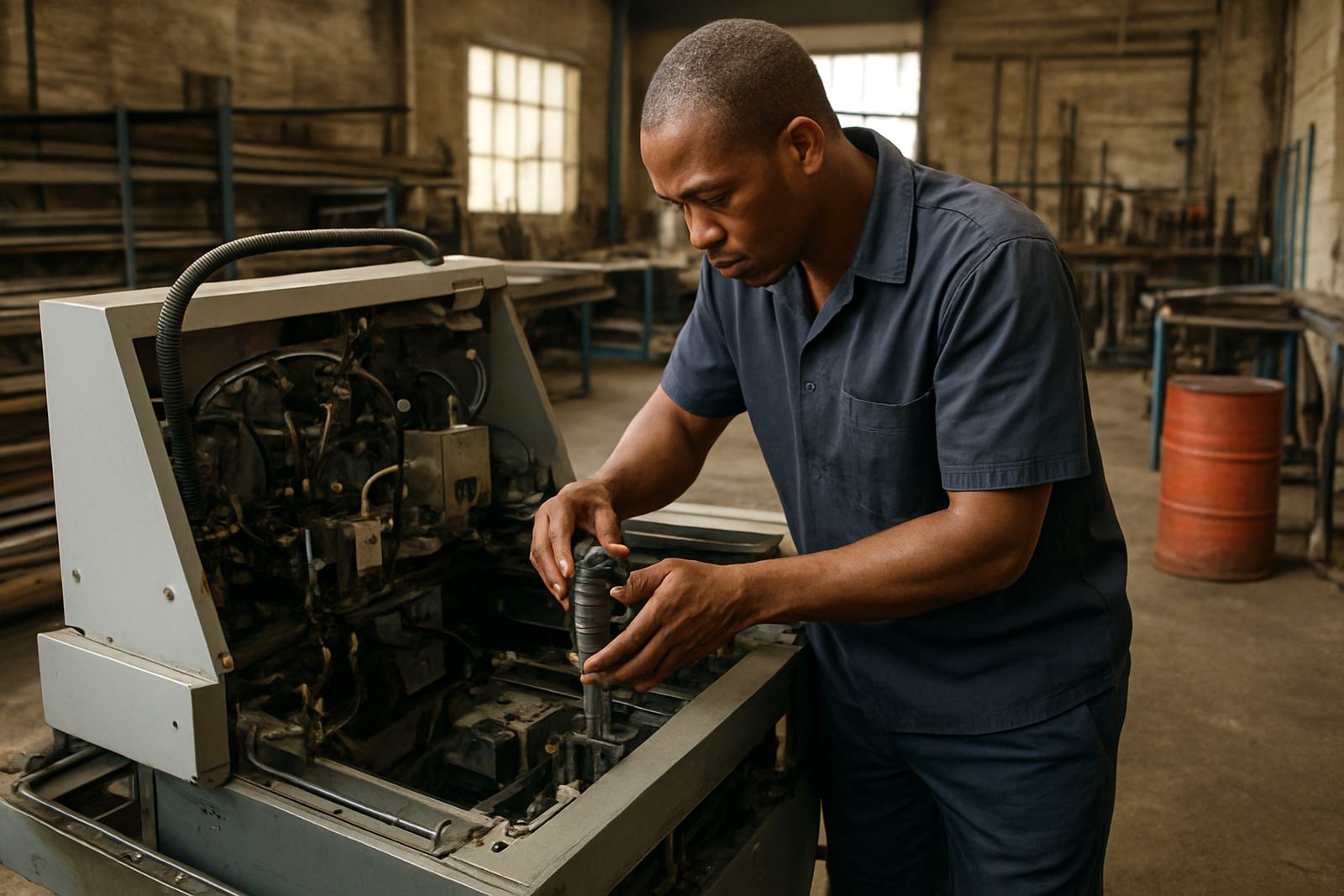
For Durban clients, the main focus is practical machine recovery. That can mean stripping and inspecting a cutting head after a collision, checking alignment after a bad cut, or replacing worn optics before they start causing inconsistent edges. We also help with parts supply and service work for heads that have taken a knock from scale, slag or a misfeed. If the problem can be fixed without dragging the job out, we will do that.
Our support covers the city and surrounding industrial areas, including busy fabrication shops where even a few hours off line can affect dispatch. Enquiries come through the contact page form, and we plan the response around the fault, the machine type and the urgency of the work.
What Durban clients usually call us for
The Durban area brings a mixed load of work, from sheet metal and structural fabrication to sign cutting and general production jobs. Many clients call when a head starts marking the cut edge, when the laser beam is not staying stable, or after a collision has damaged the nozzle seat or ceramic holder. We also get requests for routine head servicing after weeks of heavy use, especially where there is dust, fine metal residue and ongoing humidity.
Typical support requests in Durban include:
- Collision damage repair after the head strikes lifted sheet or scrap
- Nozzle seat restoration when the cut quality drops or consumables will not sit true
- Lens replacement and protective window replacement for damaged optics
- Sensor ring service when the head is giving unstable readings
- Ceramic holder change and internal cleaning after wear or contamination
We also assist where the machine is not cutting cleanly because the gas path needs attention or the head needs alignment checking. If the issue is more serious, we can bench the head, test it properly and return it to service once the fault is corrected. That process saves time and avoids repeated stop-start work in the shop.
Travel, turnaround and on-site response in Durban
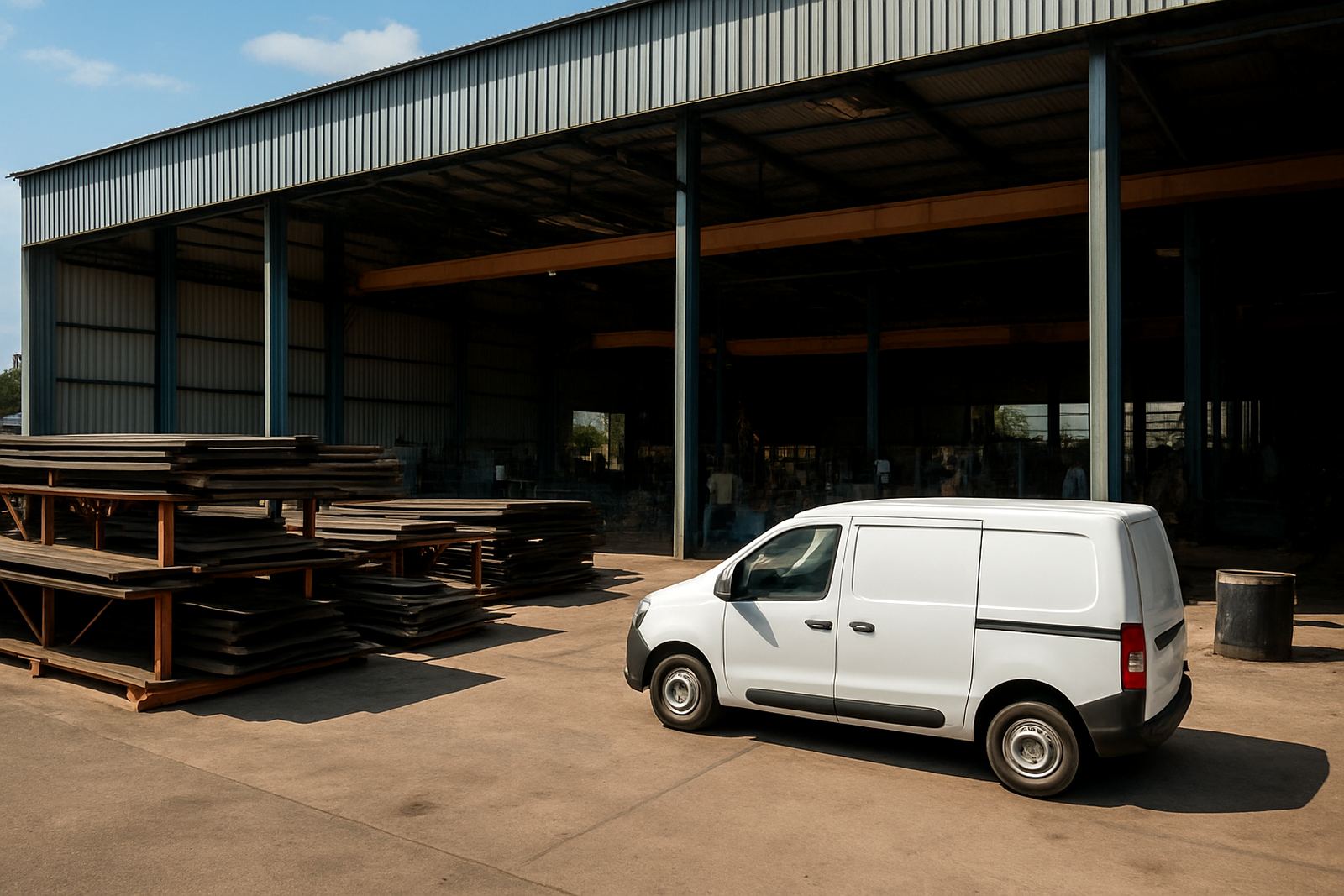
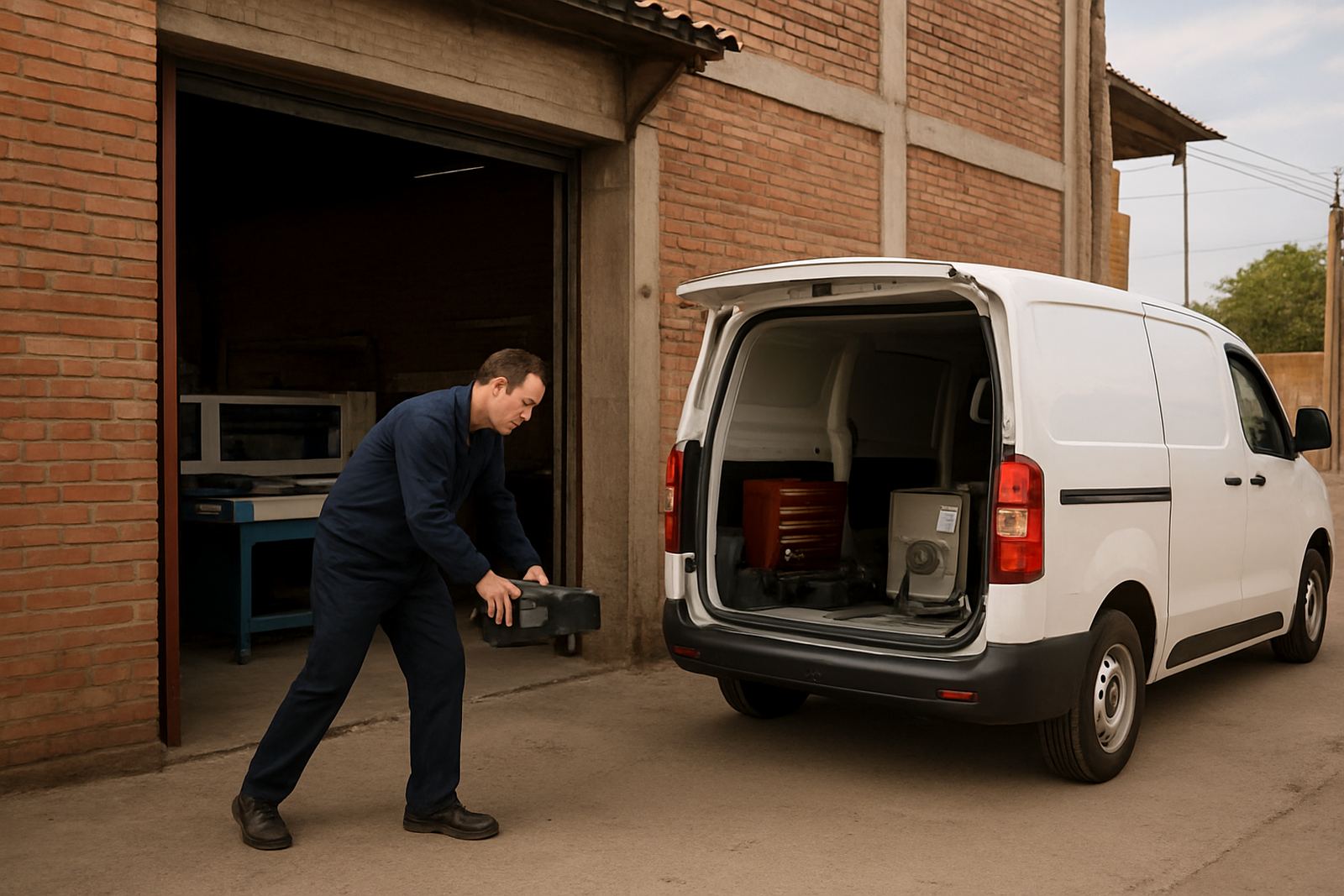
Durban Support is arranged for workshops that need a straight answer on timing. Some jobs are best handled on site if the machine is still installed and safe to test. Others are quicker on the bench where we can inspect the cutting head properly, check pressure and confirm whether the fault is in the head, optics or a surrounding component. We aim to keep turnaround sensible, not drag the job out with repeated visits.
Travel planning depends on the area, access and the nature of the breakdown. We cover Durban and nearby industrial zones where fabrication shops often run to tight deadlines, and we understand the need to fit around shift work, dispatch times and municipal restrictions. Load-shedding can also affect the way a job is scheduled, especially if the site needs stable power for testing or controlled shutdowns. In those cases we plan the repair around the power window so the machine is not left half checked.
Where possible, we will recommend the fastest route to get the machine cutting again. Sometimes that means a field visit for diagnosis and removal, then bench work at our base. In other cases a full on-site repair is the quickest option. Either way, the aim is to get the cutter back into production without unnecessary downtime.
Parts and consumables we keep moving for Durban jobs
Durban workshops often need parts quickly because a head fault can stop an entire batch. We keep common laser head service items moving for the Durban area, including nozzles, lenses, protective windows and related head components. For jobs where wear has gone too far, we can replace the affected parts and test the head before it goes back into production.
What we commonly cover for Durban clients:
- Nozzles and nozzle-related service parts
- Lenses and protective windows
- Sensor rings and ceramic holders
- Internal cleaning and gas path servicing items
- Bench pressure test setup and return to service checks
We do not try to oversell parts that are not needed. If a protective window is the only item that failed, that is what gets handled. If the head has taken a heavy hit and the nozzle seat is no longer true, we inspect the full assembly and advise on the proper repair path. This practical approach helps Durban clients keep spend under control while still getting the machine back into shape.
Local conditions that affect laser machines on the coast
Durban’s coastal conditions matter. Salt air, moisture and temperature changes can affect optics, sensors and internal metal parts over time. Workshops near the harbour or in more exposed industrial areas often see faster wear on head components, especially if the machine is already running long shifts. We factor that into the service work so the repair is not just a quick fix, but something that suits the way the machine is actually used.
Dust from cutting, oily residue, and poor housekeeping can also combine with humidity to create extra contamination inside the head. That is why internal cleaning and gas path service are part of the Durban support work we do. A head that looks fine on the outside can still have contamination inside, and that often shows up as poor cut edges, erratic piercing, or regular fault stops during production. Catching it early saves a lot of trouble later.
For coastal sites, we also pay attention to corrosion risk on fasteners, fittings and housings. It is a small detail, but on the coast small details matter. If the machine is going to stay reliable, those parts need proper inspection during servicing, not just a quick wipe and send back. This is where our experience with fibre and CO2 systems helps us spot the issues that cause repeat failures.
Who uses Durban Support and what to expect
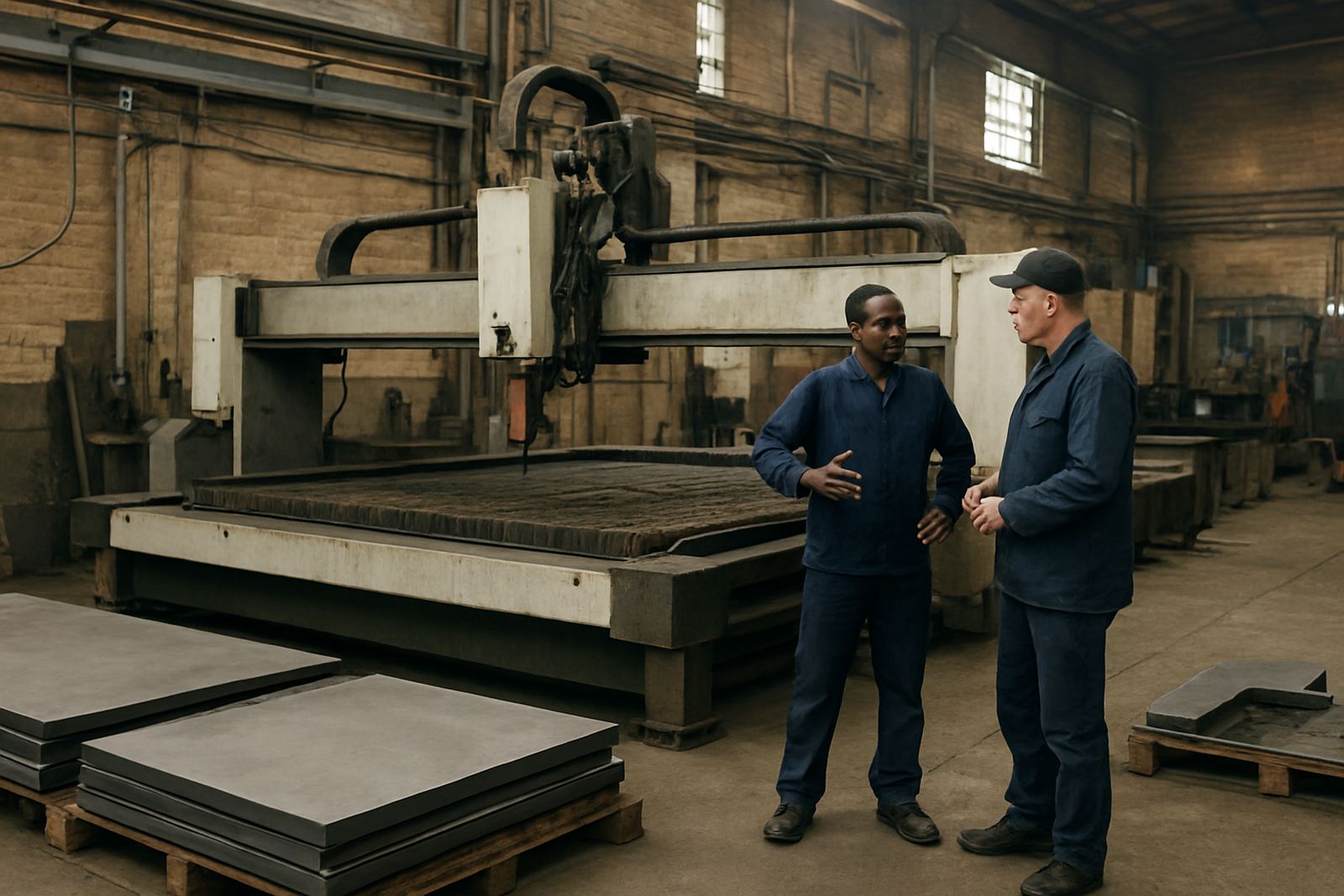
Our Durban Support area serves job shops, signage plants, structural fabricators and production teams that need laser uptime. Some run one machine and need it back the same day if possible. Others manage several machines and want a dependable repair contact they can call when a head starts misbehaving. We work with both, and the service is built around the machine fault rather than a one-size-fits-all process.
When you send an enquiry through the contact page form, include the machine type, the fault symptoms and whether the issue started after a collision, power event or routine wear. That helps us decide whether the next step is diagnosis, a parts order, bench work or an on-site visit. It also helps us bring the right consumables and tools, so the job can move without wasted time.
Durban clients usually want three things: a clear fault finding process, honest repair advice and a return to production with as little interruption as possible. That is what this support area is set up to do. We are not there to talk around the problem, only to fix the cutting head and get the machine working again.
Durban enquiries and service coordination
All Durban enquiries go through the contact page form, where our service team can capture the job details and route the request properly. From there, we coordinate the work between our workshop, parts team and field service support so the repair plan matches the fault and the urgency of the site. That means less back and forth for the customer and a quicker path to a working machine.
For some Durban clients, the best route is a bench repair with collection and return arranged around production. For others, especially where the machine cannot be moved easily, an on-site service call is the right answer. We handle both, and we keep the process practical from the first inspection through to the return to service test. If the head passes, it goes back into work. If not, we keep going until the real problem is sorted, not just patched up.
The end result should be simple: a laser machine that cuts properly, a head that performs the way it should and less time lost to repeat faults. That is the kind of support Durban workshops need, and that is what we provide.