

Job Shops Running Mixed Daily Work
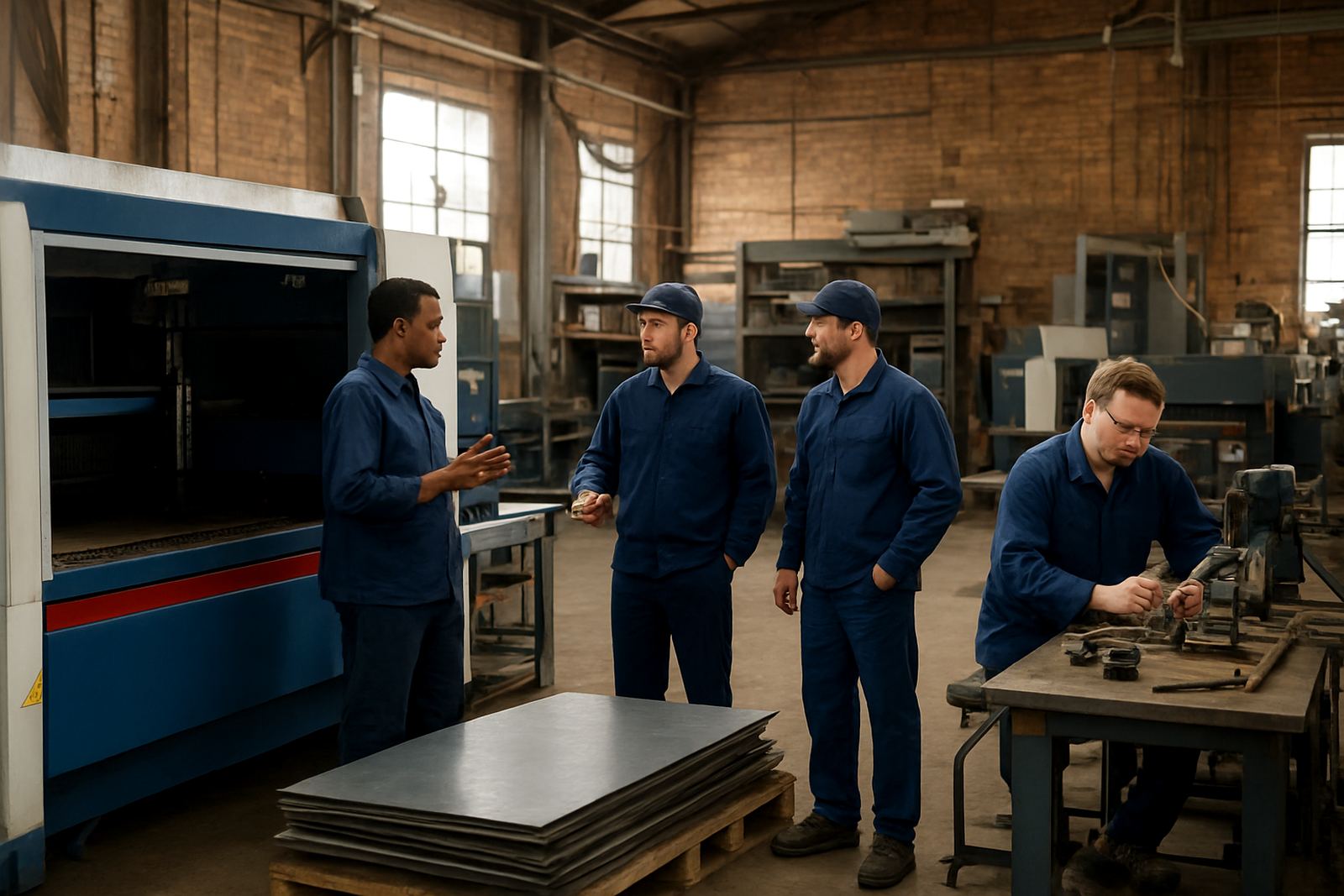
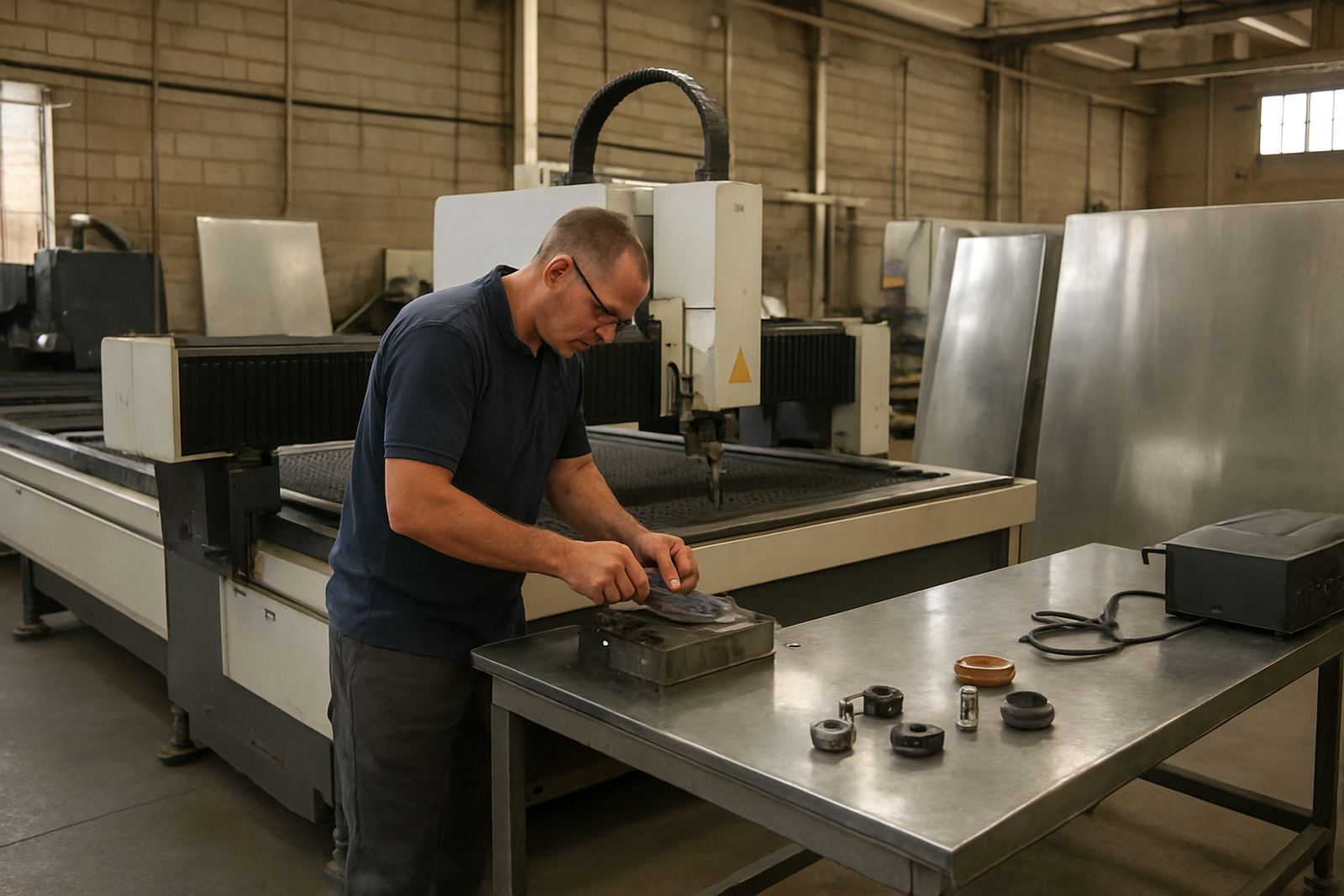
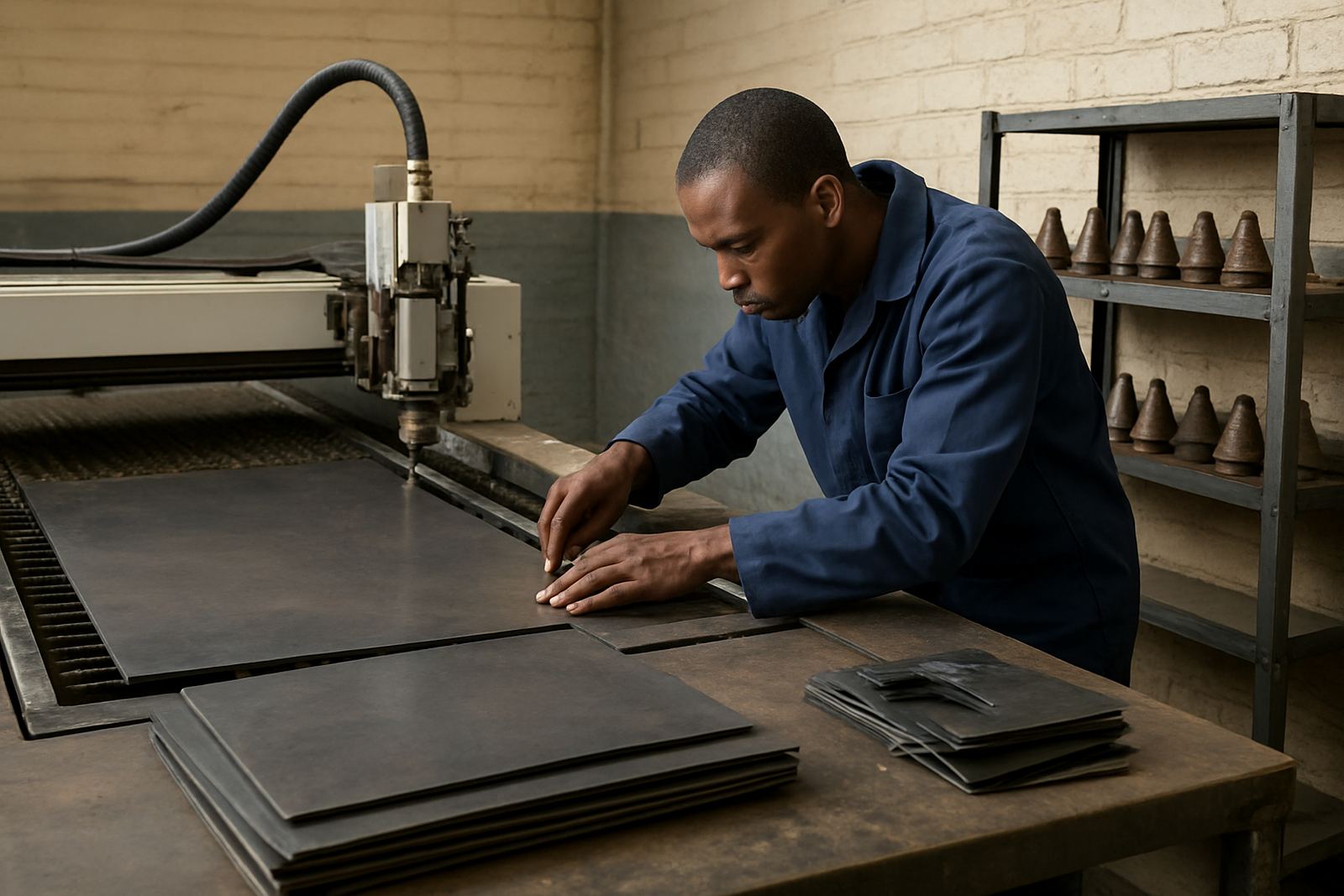
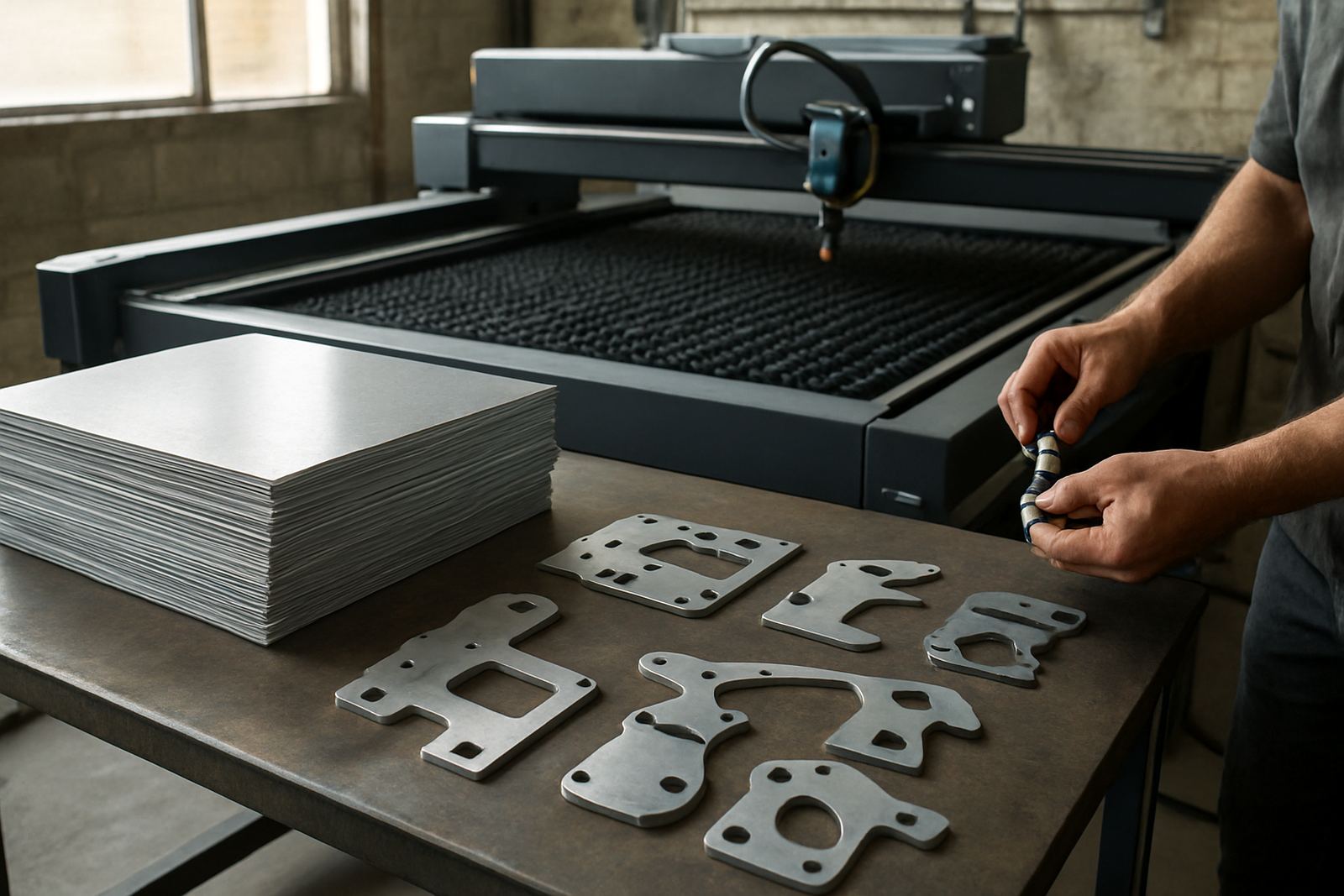
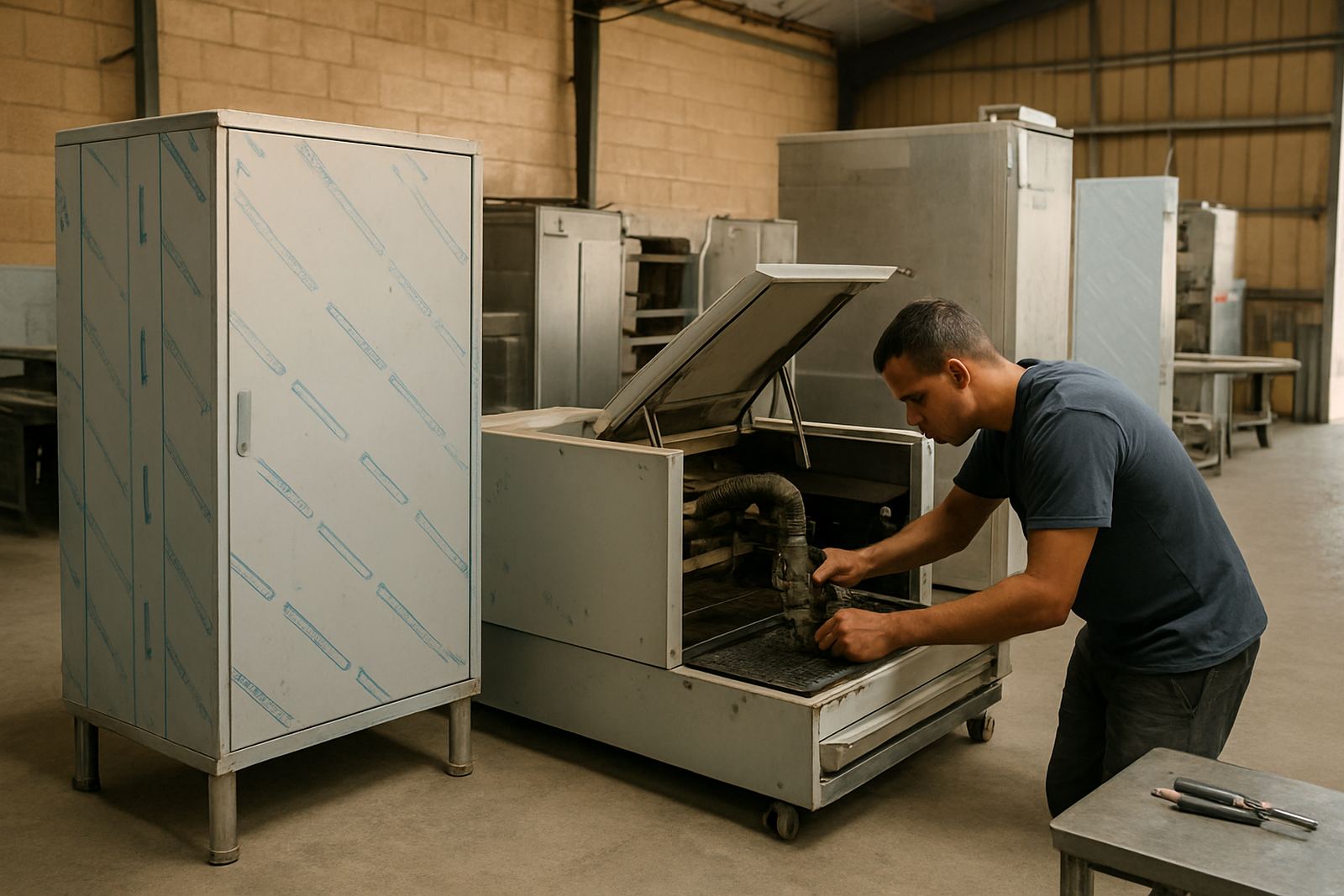
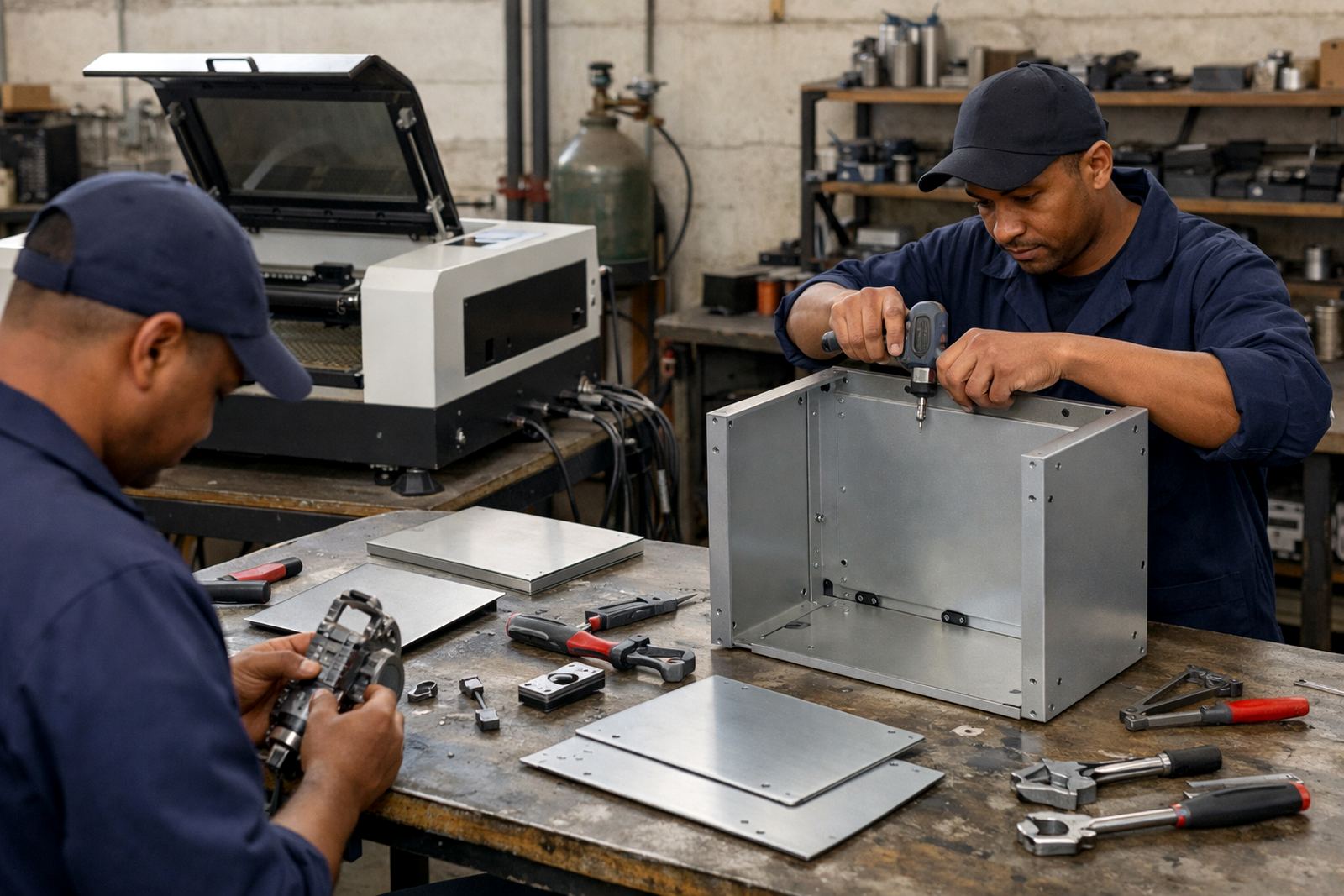
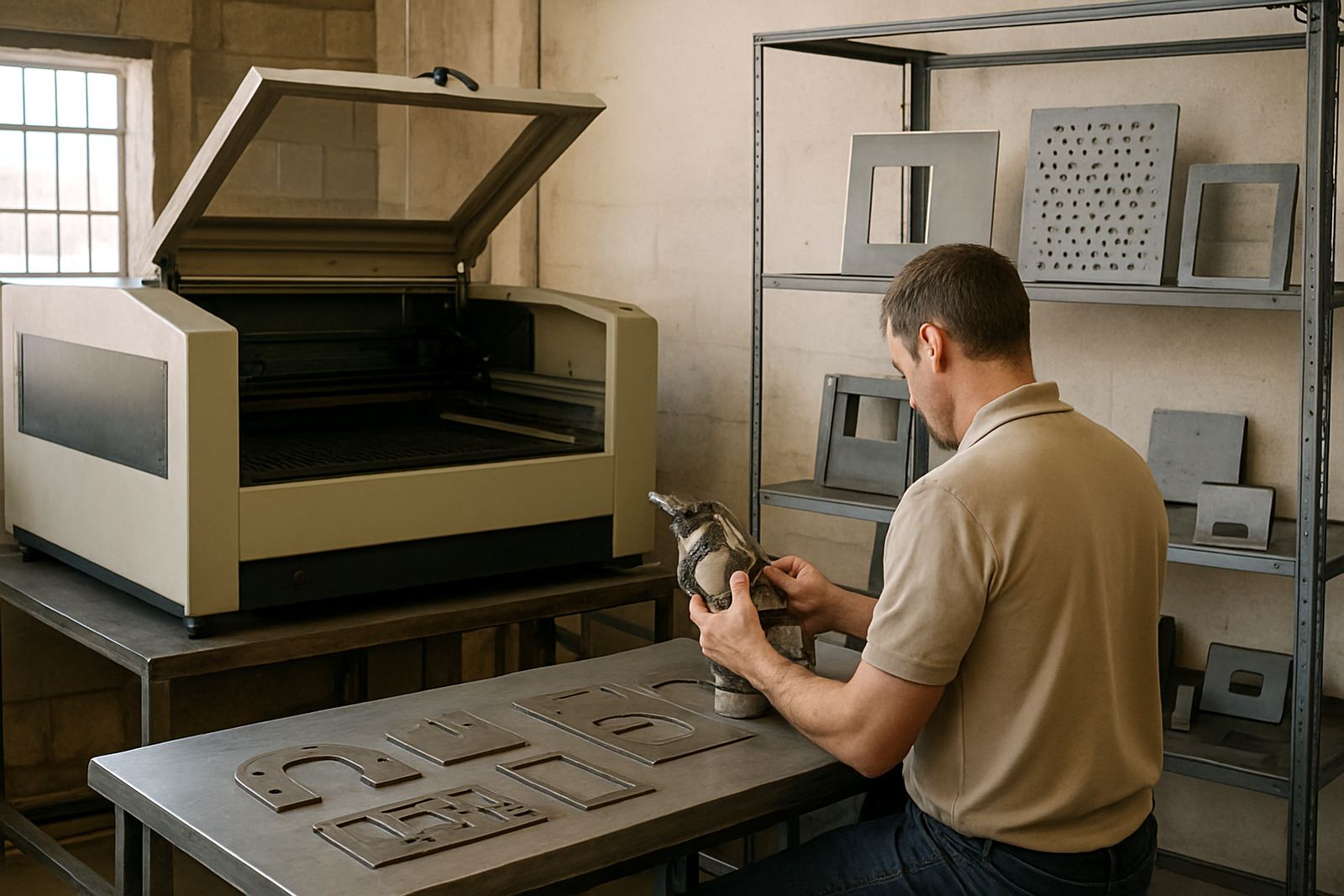
Job shops live on turnaround times. One day it is brackets and gussets, the next day signage parts, covers or repeat production for a local manufacturer. When a fibre or CO2 laser goes out of trim, the queue grows fast and the whole week can slip. Laser Ray Tools supports these shops with diagnosis, bench work and on-site attendance where that makes more sense than removing the unit.
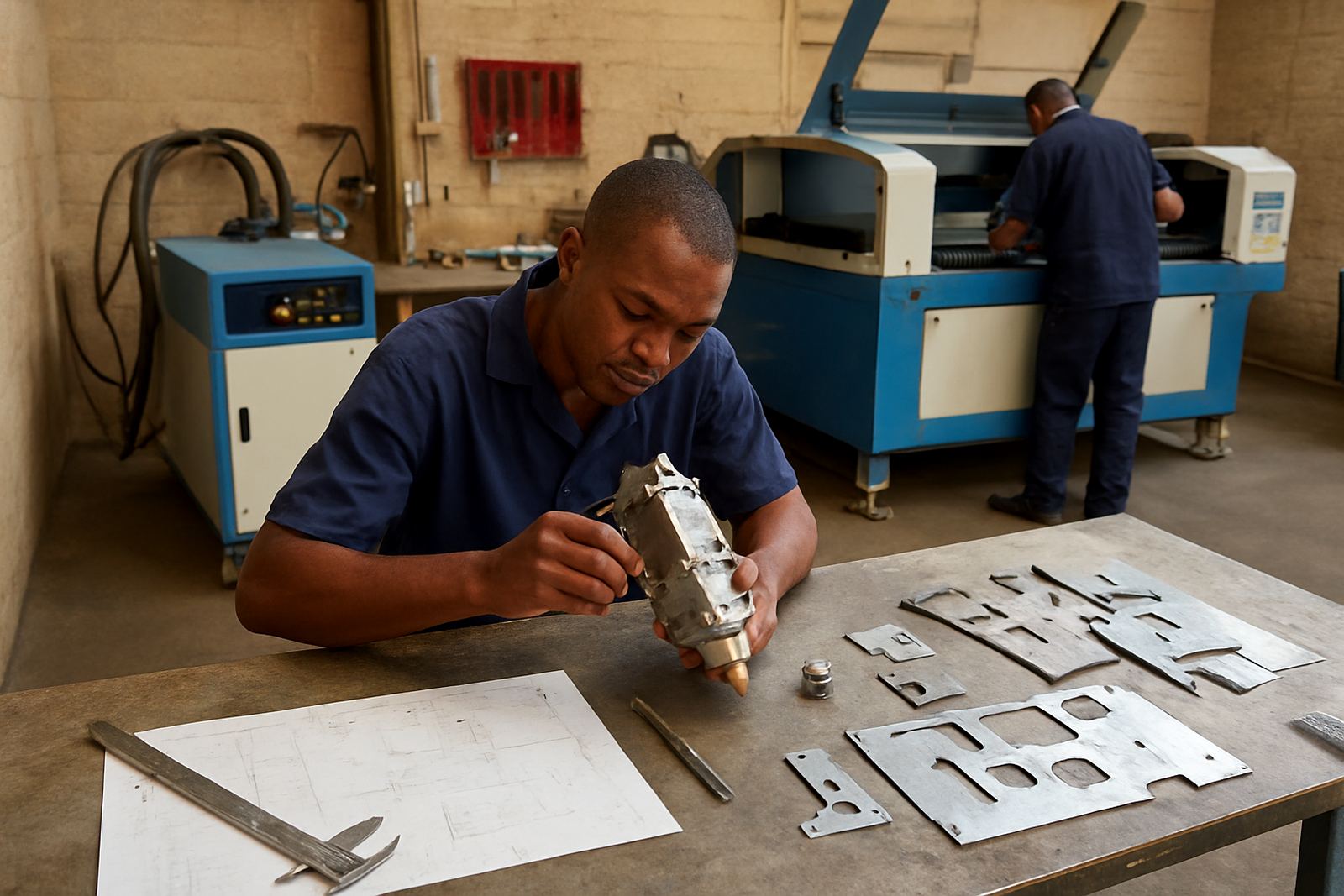
For smaller teams, the main concern is getting back to cutting with minimal delay. We help with worn nozzles, damaged lenses, cracked protective windows and heads that have taken a knock during loading, a crash, or a bad height check. In many cases the repair is straightforward, but it needs the right order of inspection so the real fault is found first not last.
Metal Fabricators Working to Tight Delivery Dates
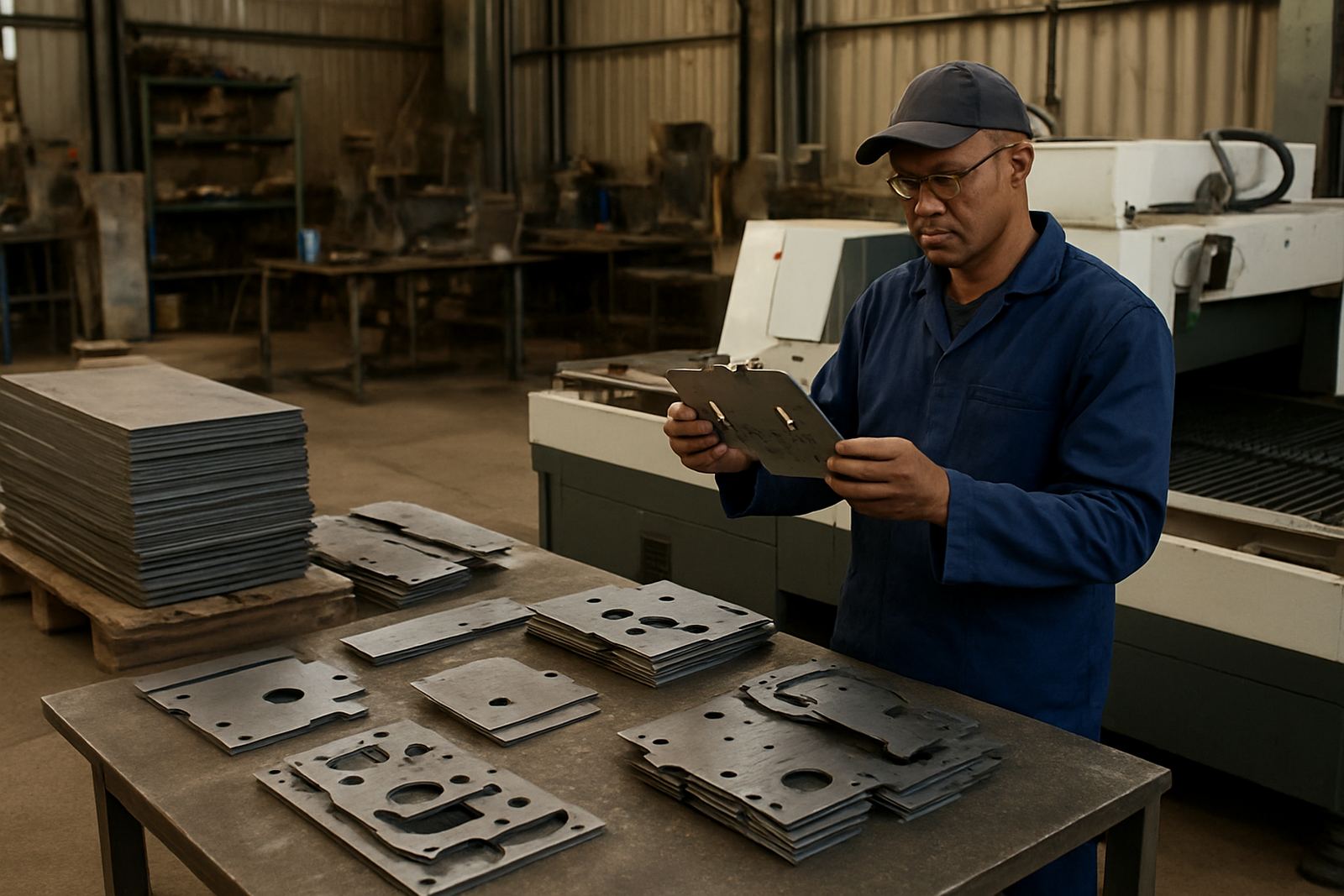
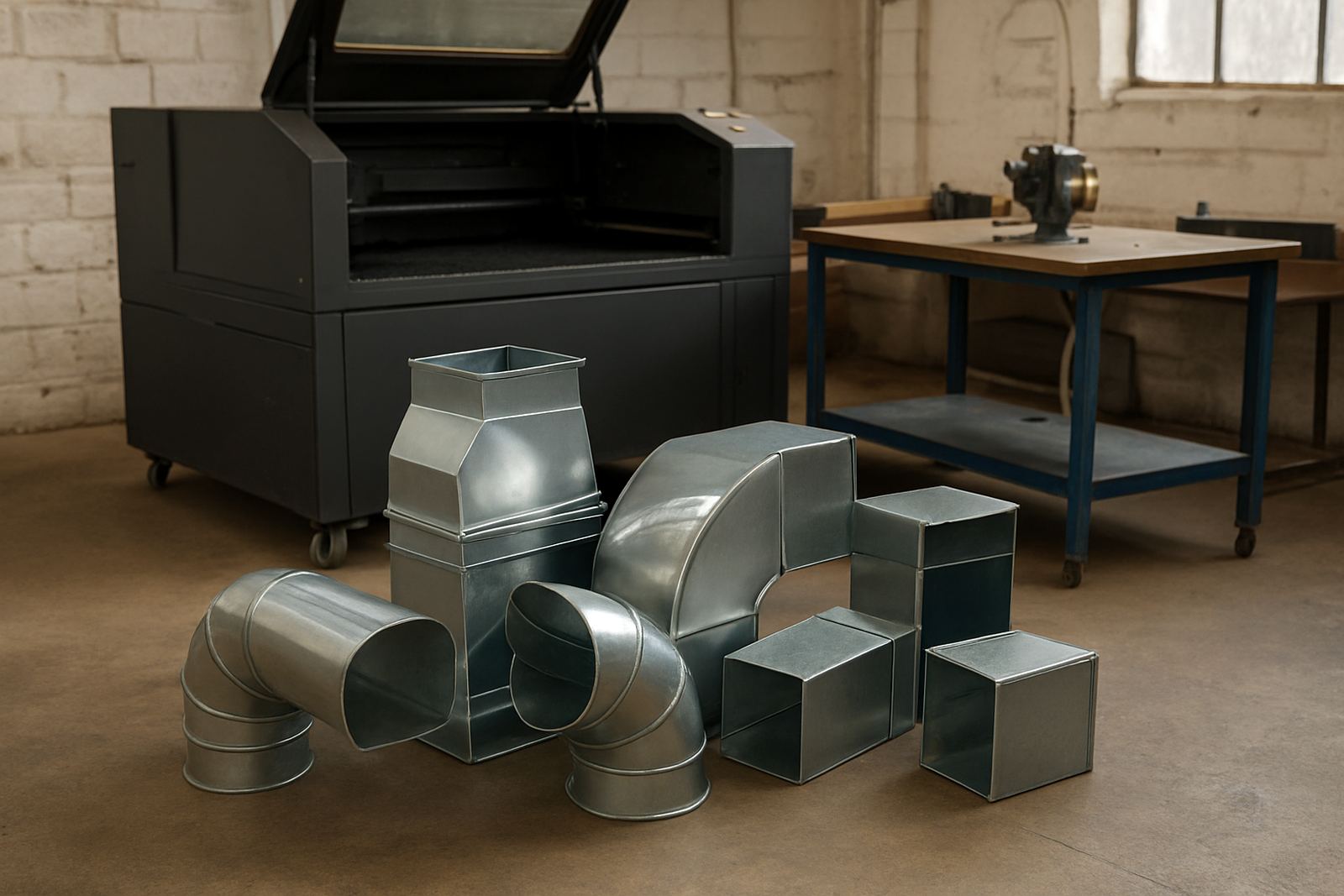
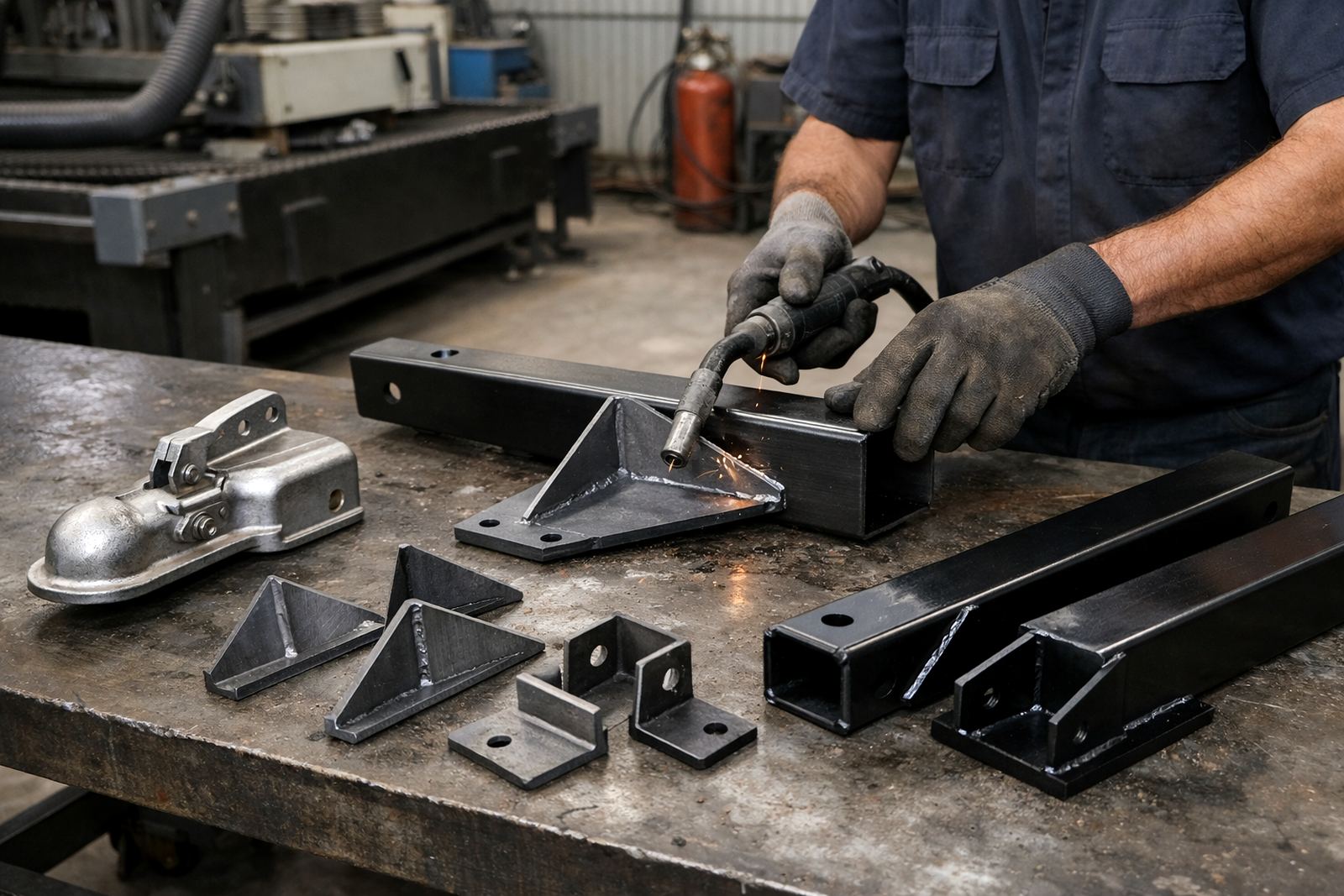
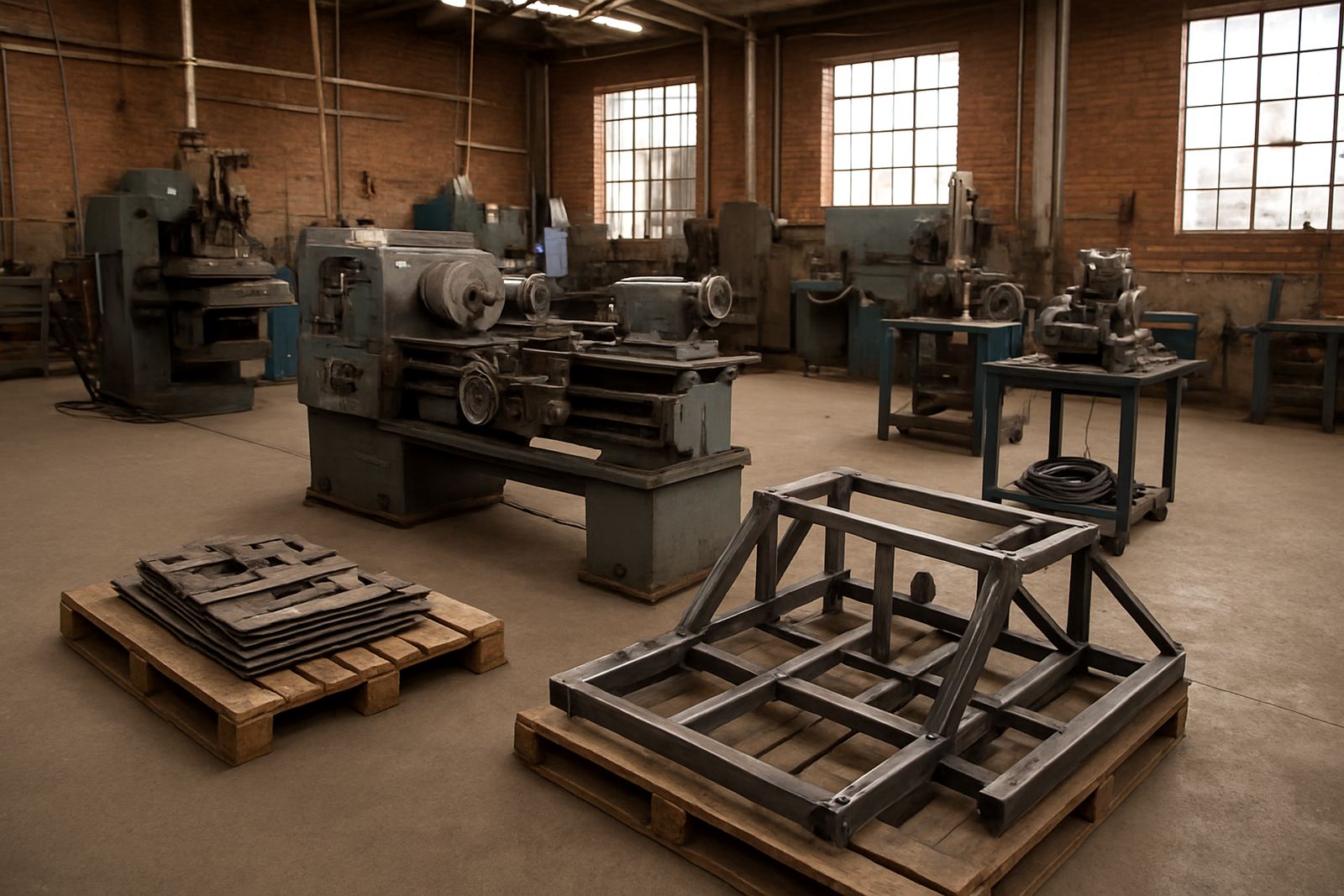
Steel fabricators, sheet-metal shops and light engineering plants often run longer shifts and cannot afford repeated stoppages. On a busy floor in Boksburg, Pretoria or Durban, a laser cutter that loses beam quality or head alignment can affect several jobs at once. Laser Ray Tools supports these environments with practical head repairs, strip and inspect work, and return to service testing before the machine goes back into production.
- Collision damage repair after a head strikes material or drops too low
- Nozzle seat restoration when cut quality starts to drift
- Lens replacement and protective window changes when contamination builds up
- Sensor ring service and ceramic holder change for heads that no longer track properly
Where possible, we aim to recover the existing assembly rather than push for unnecessary parts changes. That keeps costs sensible and helps the shop keep moving.
Signage Plants and Precision Cutting Rooms
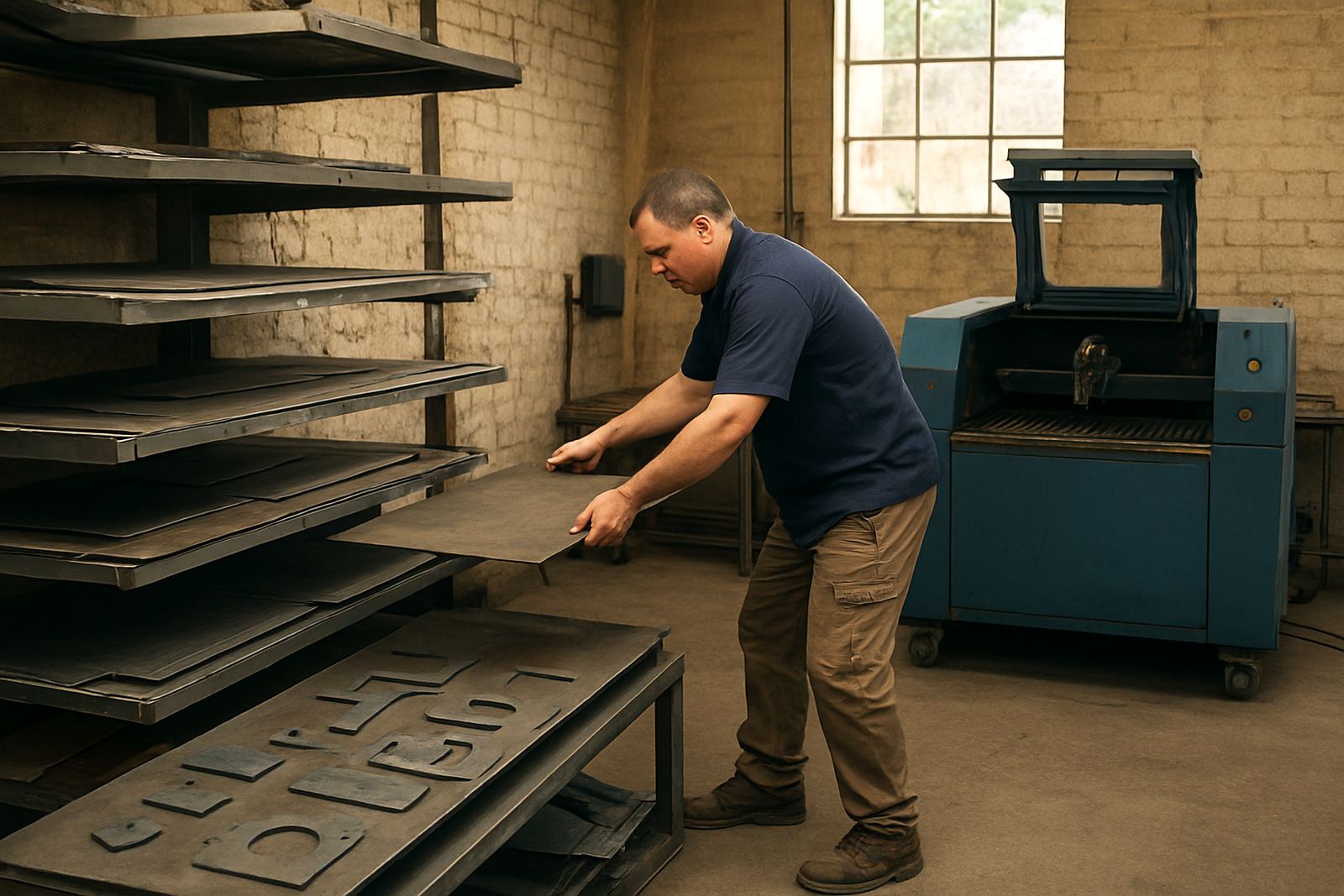
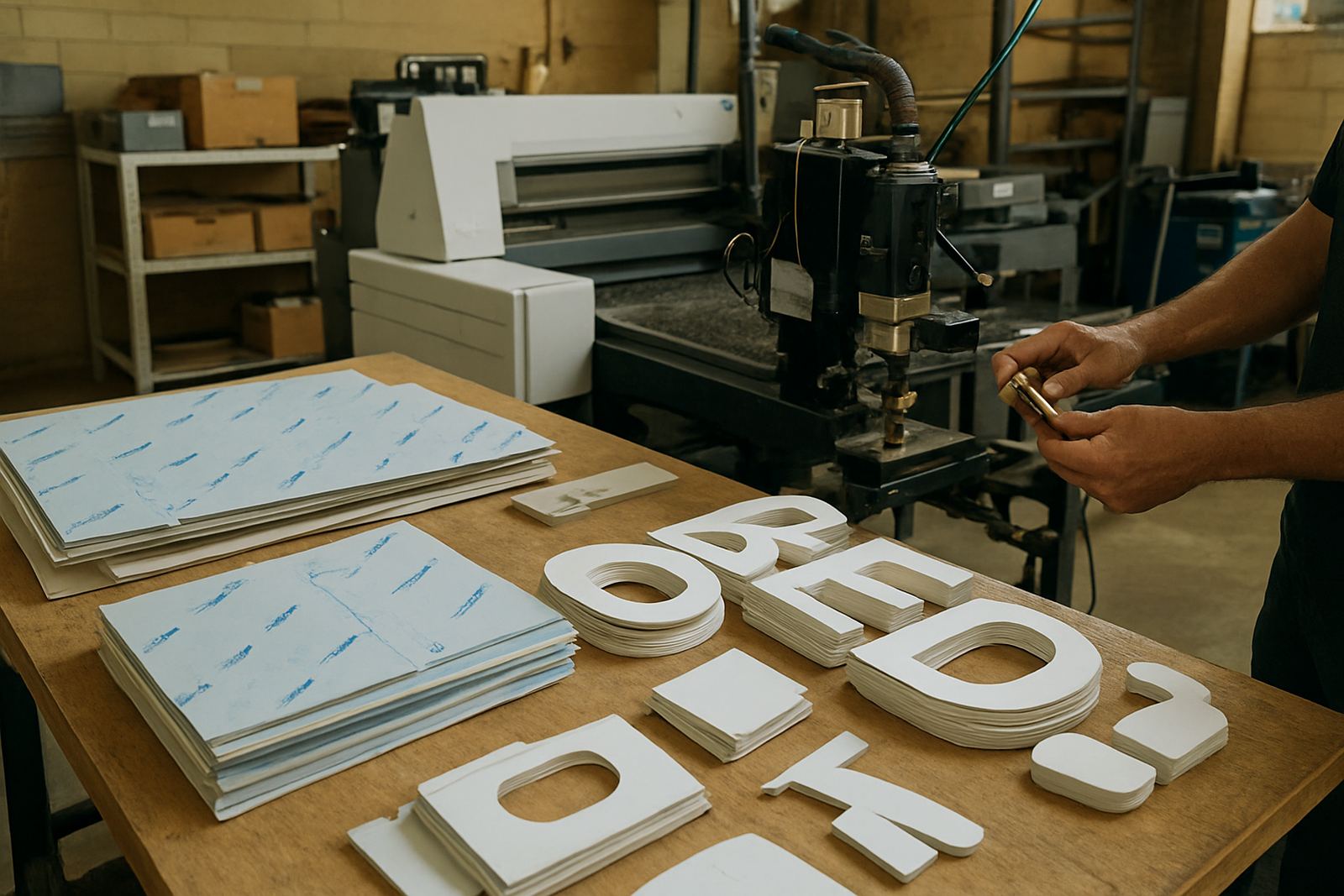
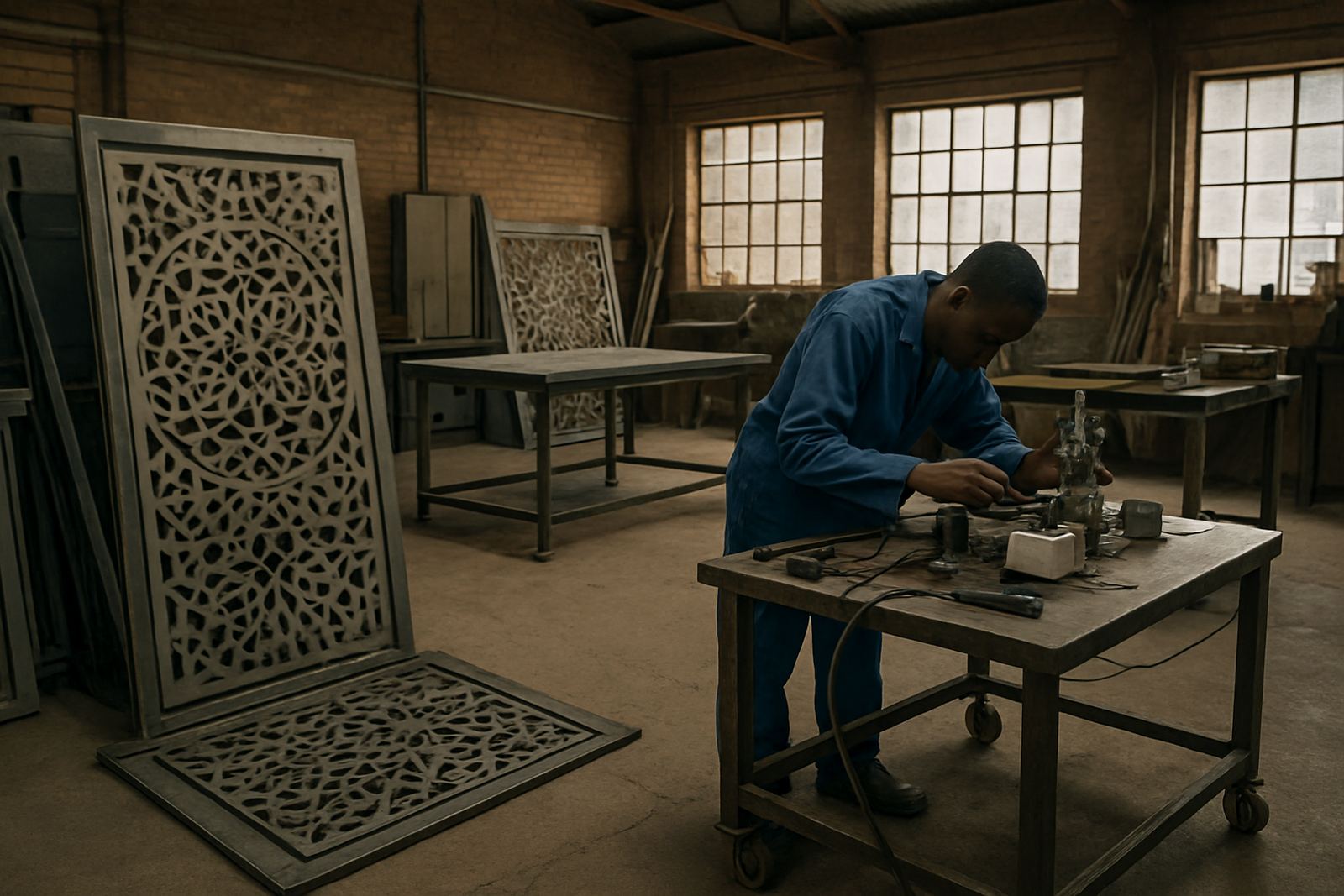
Signage production often relies on clean edges, fine detail and repeatability across many small jobs. Acrylic, sheet metal and mixed substrate work can be unforgiving when optics are dirty or the head is not sitting square. A slight fault can show up as rough edges, incomplete cuts, extra dross or poor consistency between runs.
Laser Ray Tools supports signage plants with internal cleaning, gas path service, head alignment checks and bench pressure testing. If a window has heat marks or the beam path has contamination, we trace the issue through the head rather than changing parts at random. That approach is especially useful where the machine is used every day and the team needs a clear answer quickly.
Fibre and CO2 Systems Under Pressure
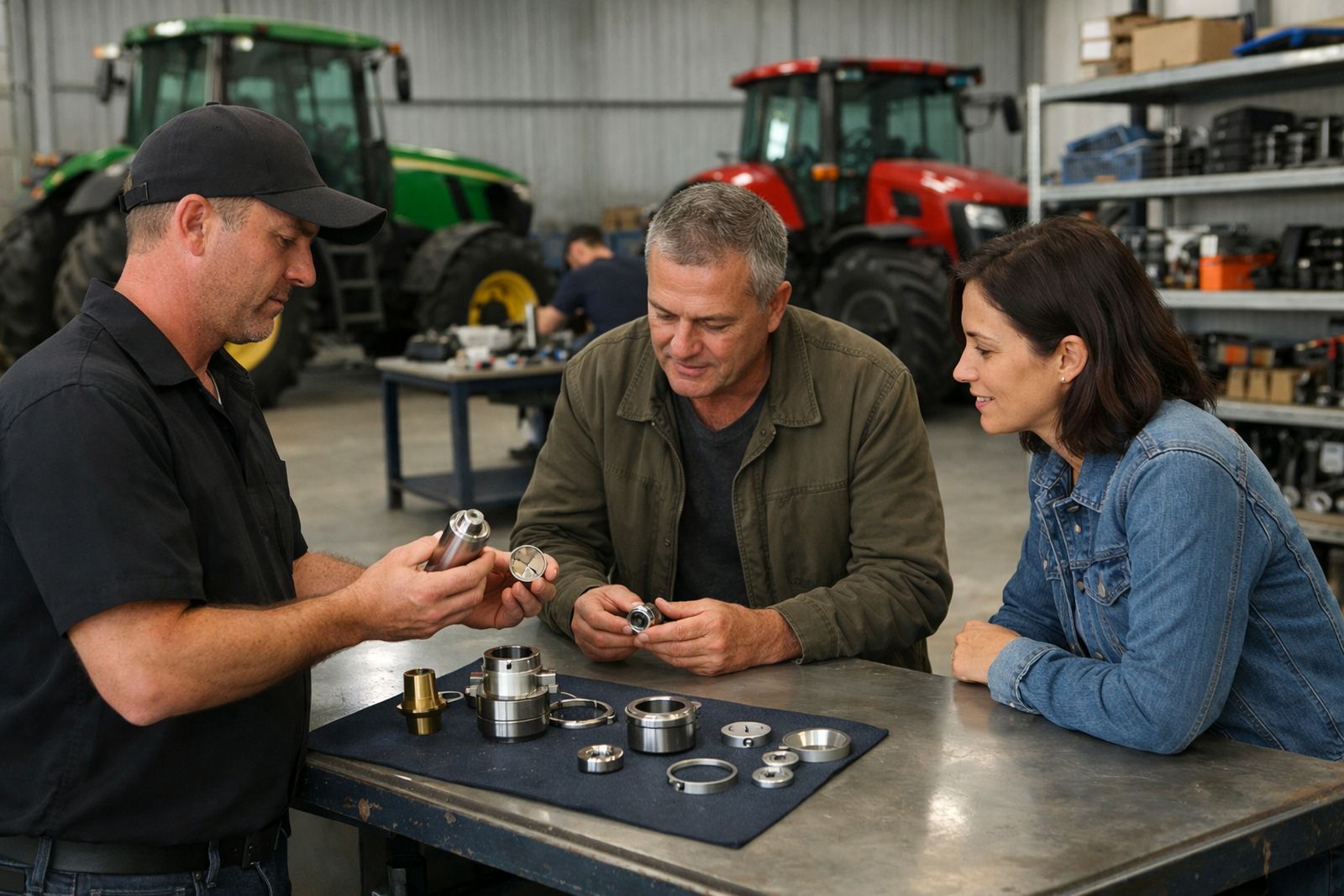
Different workshops use different laser platforms, but the service needs are often similar: keep the beam path clean, keep the cutting head true, and fix damage before it spreads. Fibre systems often need careful head inspection after a collision, while CO2 machines may show age through alignment drift, worn lenses or contamination in the optics path. In both cases, downtime can mean missed dispatches and overtime later in the week.
- Strip and inspection for heads that need a full check
- Bench pressure test for leaks or inconsistent performance
- Return to service test to confirm the unit is ready for production
- On-site or bench repair depending on machine condition and access
The right support depends on the fault, the machine condition and how urgently the line needs to run again.
Regional Support Across Gauteng, KZN and the Cape
Many clients start in Boksburg and then ask for support across Johannesburg, Germiston, Kempton Park, Pretoria, Vanderbijlpark, Durban and Cape Town. That spread matters because the same type of fault can show up differently in a workshop near the coast than it does inland. Coastal humidity can affect cleanliness and storage, while dusty inland workshops may battle contamination and wear at a different pace.
Laser Ray Tools handles both on-site calls and bench repairs from the Boksburg base, with support arranged through the enquiry form on the contact page. We work with businesses that need clear timeframes, sensible communication and parts handling that fits their production schedule.
How To Choose The Right Support Page
If you are not sure which workshop type fits your operation, start with the machine and the fault. A job shop with varied cutting work may need fast repair and inspection. A fabricator with scheduled batches may need planned maintenance and parts replacement. A signage plant may need more attention on cut finish and optical cleanliness. The listing cards on this hub are added separately, so use this page to find the closest match before you open the detailed service page.
- Choose by machine type first, fibre or CO2
- Then choose by problem, such as collision damage or lens wear
- Finally choose by location if you need on-site support in your area
That simple order usually saves time and makes the repair path clearer for everyone involved.