
High-Volume Ducting Work Needs Consistent Cut Quality
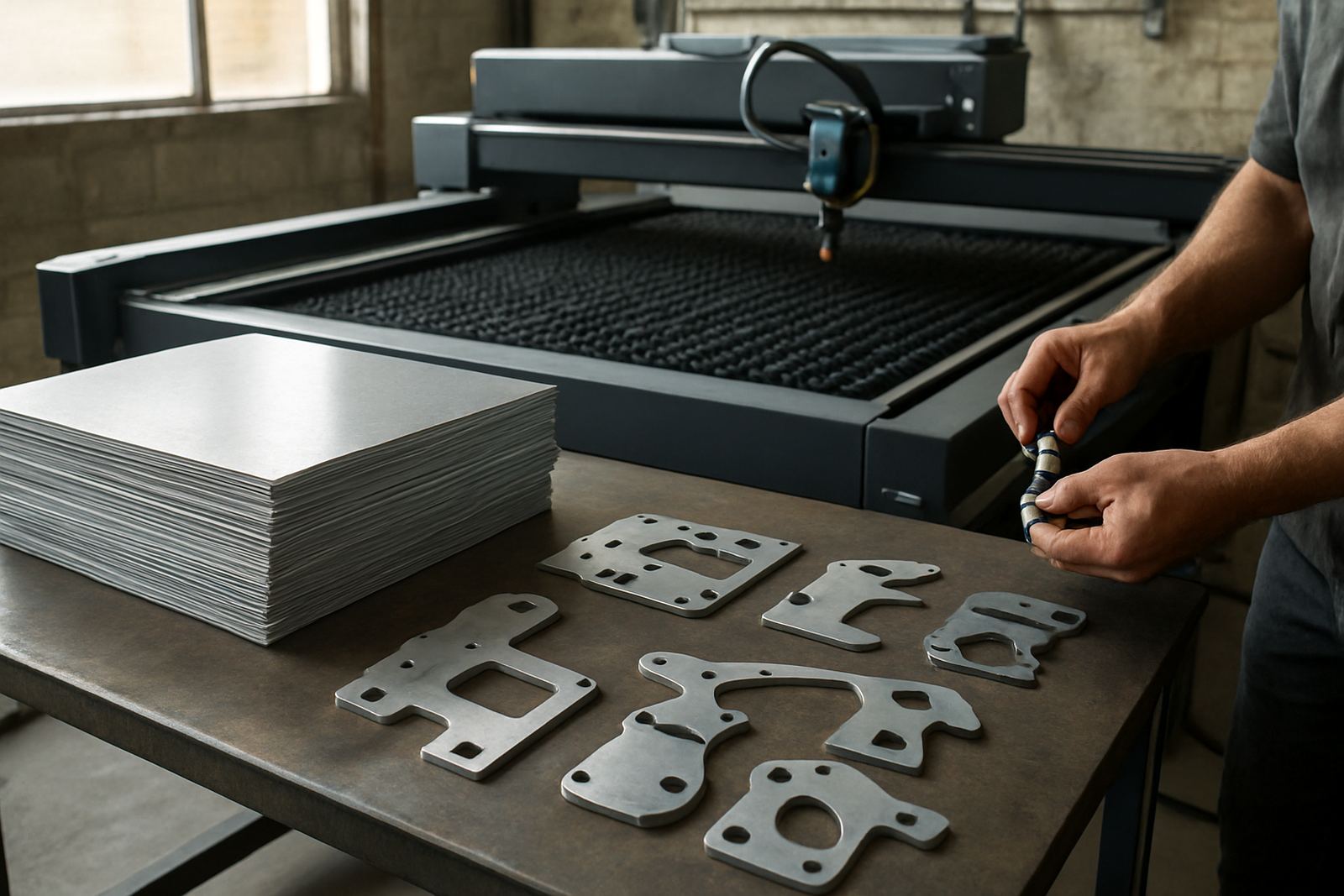
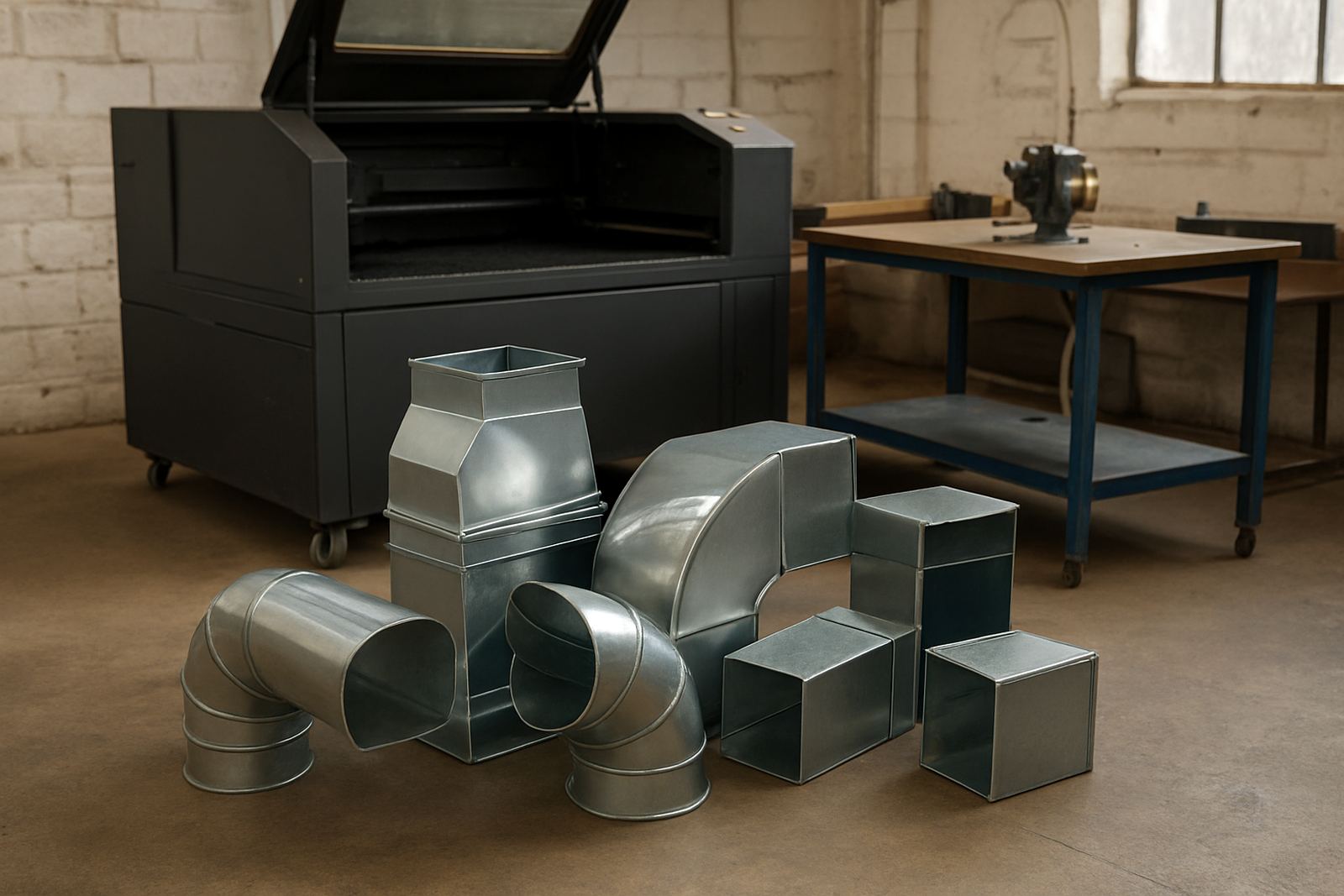
In a ducting fabrication shop, the laser is often cutting the same patterns all day: square and round collar blanks, fan plates, stiffeners, access panels and thin stainless or galvanised sheet. When the cut starts to drag, you see it quickly in the shop floor. Parts need extra deburring, holes go slightly out, and fit-up at the folding and assembly stage gets slower. That is where head condition matters more than people expect.
Laser Ray Tools repairs cutting heads for workshops that cannot afford a long stop-start routine. We see machines that have been bumped by sheet scrap, had a nozzle crash, or started showing heat marks and poor edge finish after long runs. For ducting fabricators in Boksburg, Germiston and Kempton Park, a short bench repair can be the differnce between clearing the queue and falling behind by a full shift.
Typical Equipment In A Ducting Workshop
Most ducting shops use fibre lasers for thin sheet and speed, while older workshops may still run CO2 machines for certain material mixes. The cutting head is usually the first place to look when pierce quality drops or the beam starts behaving unevenly. A good service plan should cover both the machine side and the production side, because ducting work is repetitive and faults repeat too.
- Fibre laser cutters for mild steel, stainless steel and galvanised sheet
- CO2 laser cutters in older fabrication plants and mixed-sheet workshops
- Cutting heads with nozzles, lenses, protective windows and ceramic holders
- Sensor rings and alignment components that affect head tracking
- Compressed gas systems where pressure stability affects cut finish
We strip and inspect heads, replace worn parts, clean internal dust and residue, and carry out bench pressure testing before return to service. If the head has taken a knock from a collision, the damage is often small enough to miss at first glance but big enough to spoil a full nest of parts. That is why many ducting plants bring the head in before they commit to a full machine shutdown.
Layout And Planning Advice For Repetitive Thin-Sheet Production
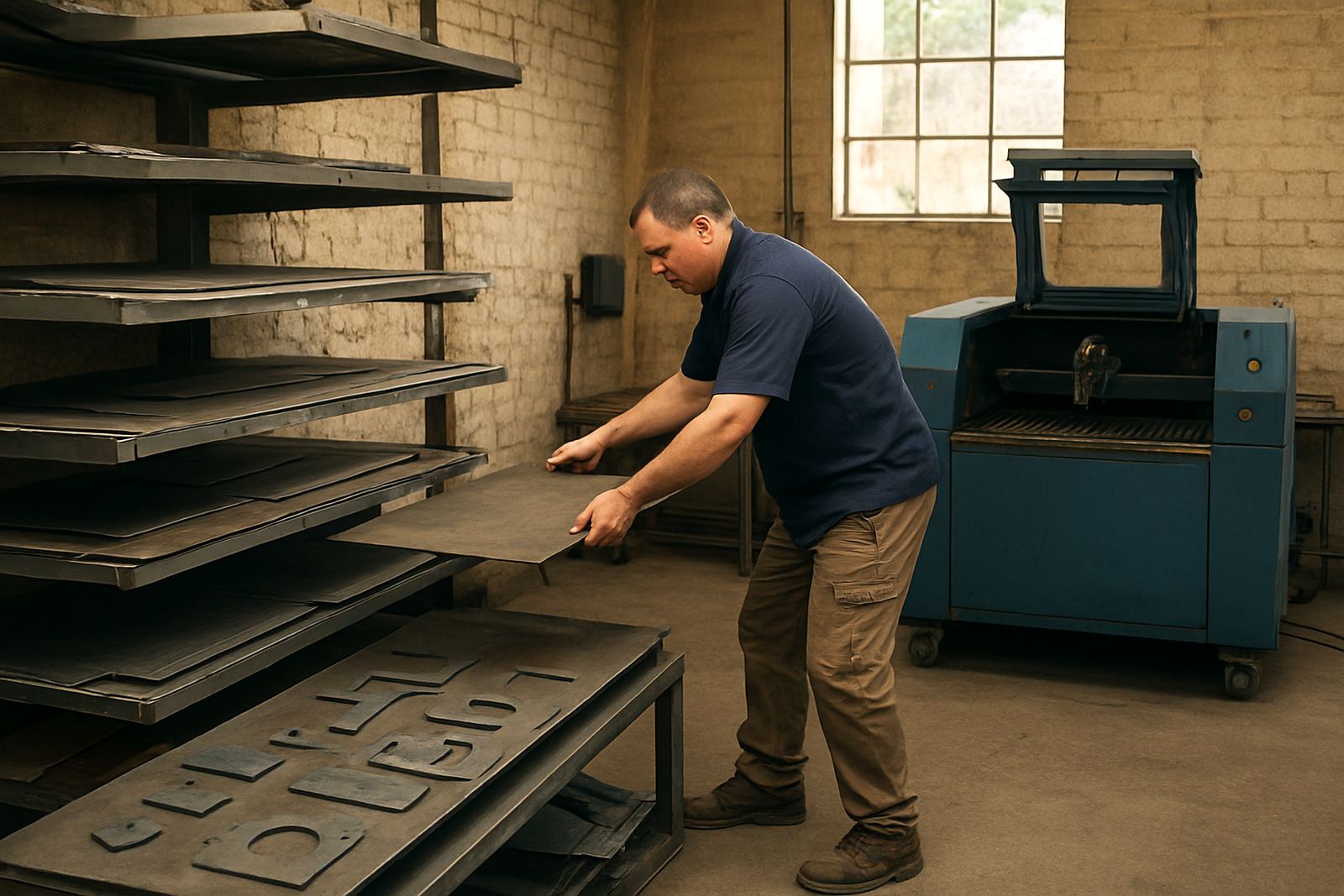
For ducting fabricators, the best setup is not only about the laser itself, but about how material moves around it. Sheet racks should be close enough for quick loading, but not so close that offcuts and dust collect around the machine base. Keep enough space for safe nozzle changes, lens checks and head access. If the workshop is near the coast, especially Durban, make space for dry storage because humidity can affect consumables and sheet finish.
Plan for load-shedding as well. A laser that loses power mid-run can leave partially cut parts stuck in the sheet, and that wastes material on jobs with tight margins. Many shops in Gauteng use a sensible backup plan for key production hours, then book inspection work for quieter periods. It also helps to keep a small stock of nozzles, protective windows and lenses on hand so the machine does not sit idle for a simple wear item.
- Place the machine where operators can reach the head safely for routine checks
- Separate clean consumable storage from grinding and welding areas
- Keep gas lines, filters and pressure readings easy to inspect
- Use a clear spare-parts shelf for repeat items, not mixed with general stock
- Schedule bench inspection before peak season jobs, especially in winter when HVAC work jumps
Common Mistakes That Slow Ducting Production
One common mistake is running a head for too long after the first sign of wear. A nozzle that is slightly damaged can still cut, but the kerf changes and the edge finish becomes inconsistent. Another mistake is replacing only the visible part and ignoring the rest of the assembly. If the lens, window and sensor ring are not checked together, the same fault often comes back within days.
We also see workshops pushing through with poor cleaning habits. Fine metal dust, oil mist and residue build up inside the head and around the gas path. That can affect pressure, cooling and beam quality. In some cases the machine is blamed when the real issue is a dirty head or a part that was never aligned after a minor collision. It is not unusual for the production manager to think the cut programme is the problem, when the hardware is the source.
For shops in Johannesburg South, Pretoria West or Vanderbijlpark that run the same ducting jobs each week, the safest approach is a routine service cycle. Strip and inspect the head, check nozzle seat condition, test pressure, then return the unit only when it has passed alignment and function checks.
What Repair Work Usually Costs In Rand
Budgets depend on the machine type, the extent of damage and whether the work is done on site or on the bench in Boksburg. A basic inspection and diagnosis is usually the lowest-cost step, while collision damage and full head restoration sit higher because more parts and more time are involved. For planning purposes, many ducting shops set aside a maintenance budget each month rather than waiting for a breakdown.
Typical ranges vary, but these are useful working figures for budgeting in Rand: a simple strip and inspection may start from around R950 to R1,850, while nozzle seat restoration, lens replacement or window replacement can move into the R1,500 to R4,500 range depending on parts and labour. Collision damage repair, alignment work and return-to-service testing can be higher, often from around R3,500 to R9,500 or more if multiple components need replacement. If the head needs bench pressure testing and a full internal clean, that is usually still cheaper than losing two production days on repetitive ducting orders.
- Small faults: budget under R2,000 where only wear parts are changed
- Medium faults: budget R2,000 to R5,000 when alignment and parts are both needed
- Collision or repeated failure: budget R5,000 plus if the head has structural damage
- On-site callouts: factor in travel and time, especially for Durban or Cape Town support
How We Support Ducting Shops Across South Africa
Laser Ray Tools works from Boksburg and supports workshops across South Africa, including Boksburg, Johannesburg, Pretoria, Germiston, Kempton Park, Vanderbijlpark, Durban and Cape Town. The team handles diagnosis, parts supply, bench repair and on-site support where the job calls for it. That makes it easier for a ducting fabricator to keep one production line running while another machine or head is being serviced.
The practical setup is simple: send through the problem, describe the cut issue, and let us assess whether the unit needs a bench repair or a field visit. For high-volume ducting work, the main goal is steady uptime, not unnecessary replacement. If a cutting head can be restored correctly, that keeps the workshop moving and protects the budget too.
Our team includes Sibusiso Mthembu, Johan van Rensburg, Lerato Ndlovu, Ayesha Khan, Thabo Molefe and Megan Naidoo, so the service side, parts side and workshop admin are handled by people who know the pressure of production deadlines. Ducting fabricators need answers that are practical, quick and clear, and that is the way we work.