Why Job Shops Need Fast Laser Repair Support
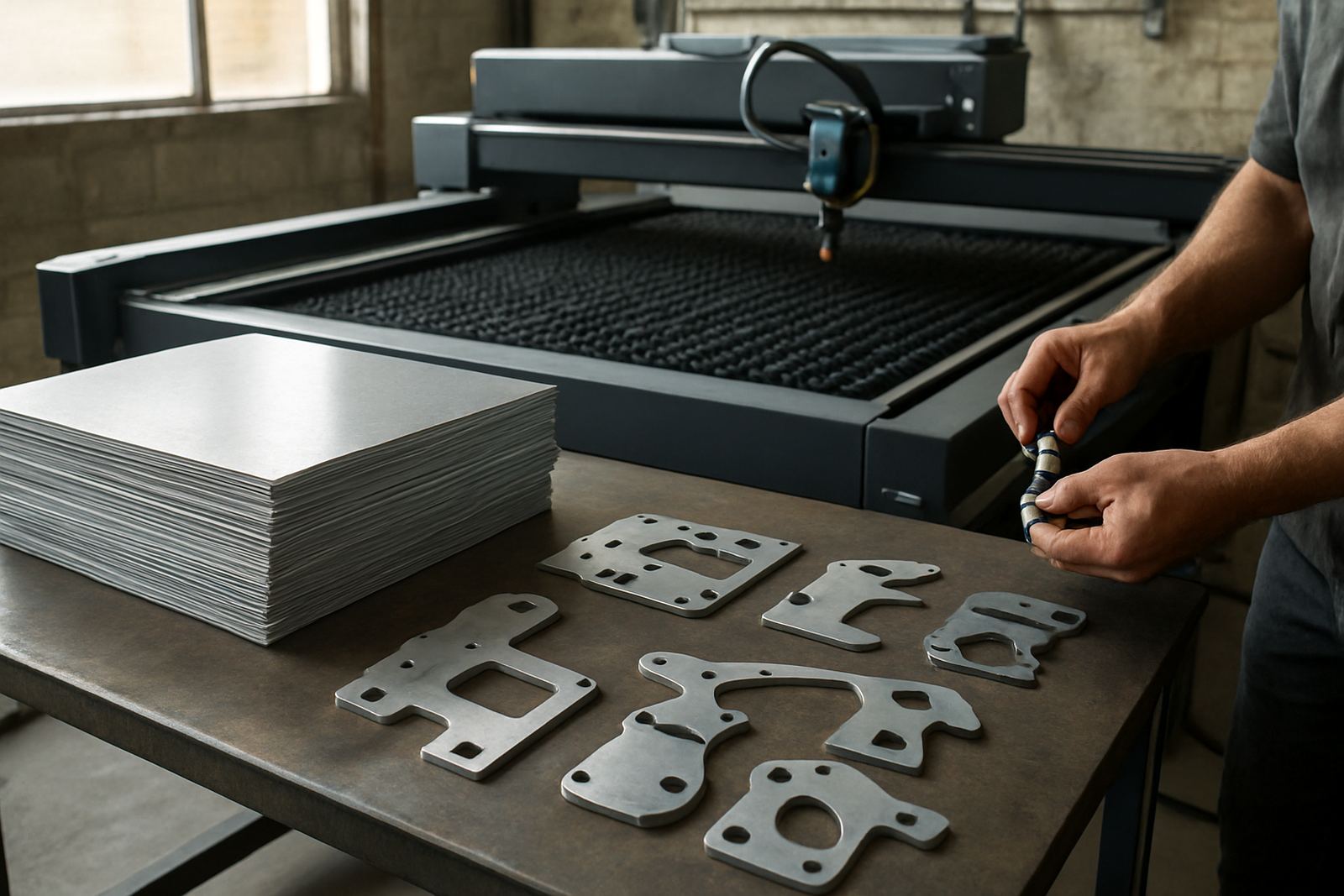
Subcontract cutting shops work under pressure from more than one side at once. One day it is 1.2 mm mild steel for a local fabricator, the next it is stainless, aluminium or a batch of replacement parts that must go out before the afternoon loading bay closes. When a head collides, the nozzle seat loosens or the beam path shifts, the whole queue backs up.
Laser Ray Tools supports job shops that need practical repair work, not long theory sessions. The team handles diagnosis, parts supply, bench repair and on-site attendance where it makes sense. For shops in Boksburg, Johannesburg, Pretoria, Vanderbijlpark, Durban and Cape Town, that means a machine can often be assessed quickly and returned to service with less down time.
For a busy shop, the priority is not only getting the laser running again, but getting it back to consistent cutting quality. A machine that cuts today but leaves burrs, incomplete pierces or erratic edge quality tomorrow will still slow the floor.
Typical Equipment Found In A Job Shop
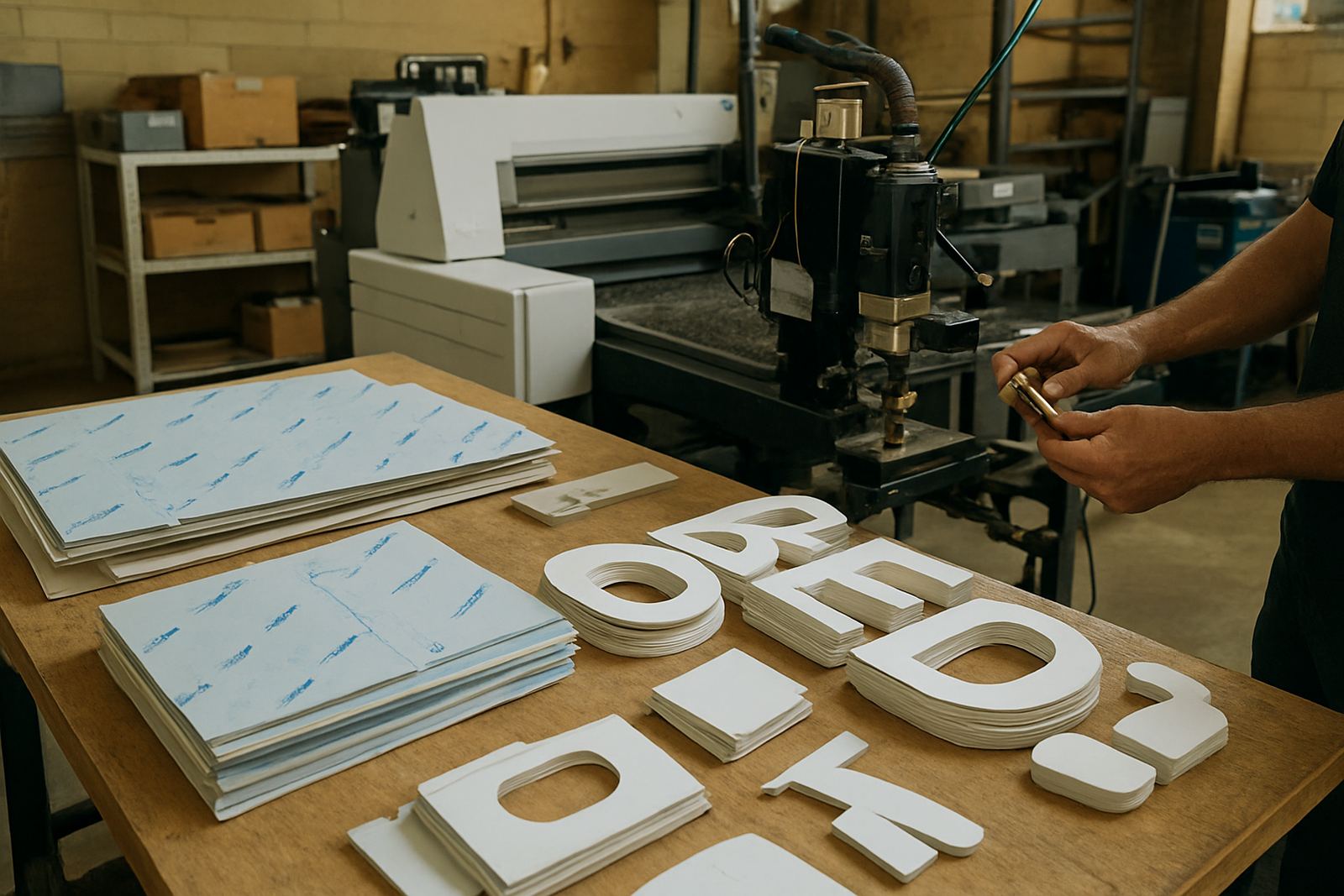
Most job shops run a mixed set-up. You may have one fibre laser for sheet and plate work, a CO2 system for certain materials or older contract work, and one or more cutting heads that have seen heavy use. The daily load often includes frequent nozzle changes, lens checks and cleaning after repeated production runs.
Common items that need attention include:
- Fibre laser cutting heads with collision damage or worn internals
- CO2 systems that need beam path checks, lens replacement and alignment work
- Nozzles, ceramic holders and sensor rings that wear faster under high volume use
- Protective windows and lenses affected by heat, dust or back-spatter
- Gas path parts that cause poor cut quality when pressure drops or leaks appear
In many workshops, operators try to keep production going with a damaged head for too long. That usually turns a small fault into a larger repair. A bent nozzle seat or cracked window can become a costly stop if the machine keeps running through it.
How To Lay Out The Workshop For Less Downtime
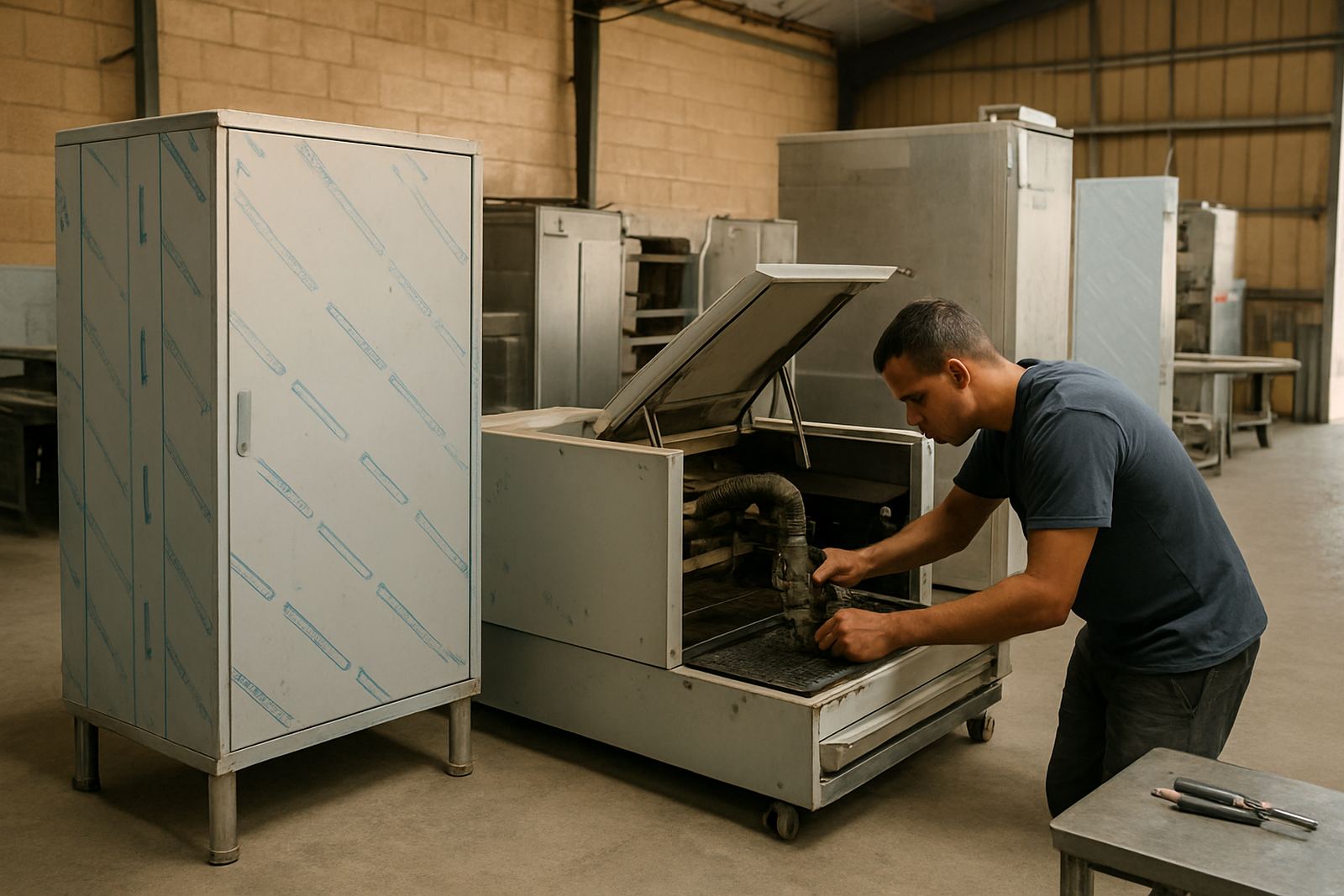
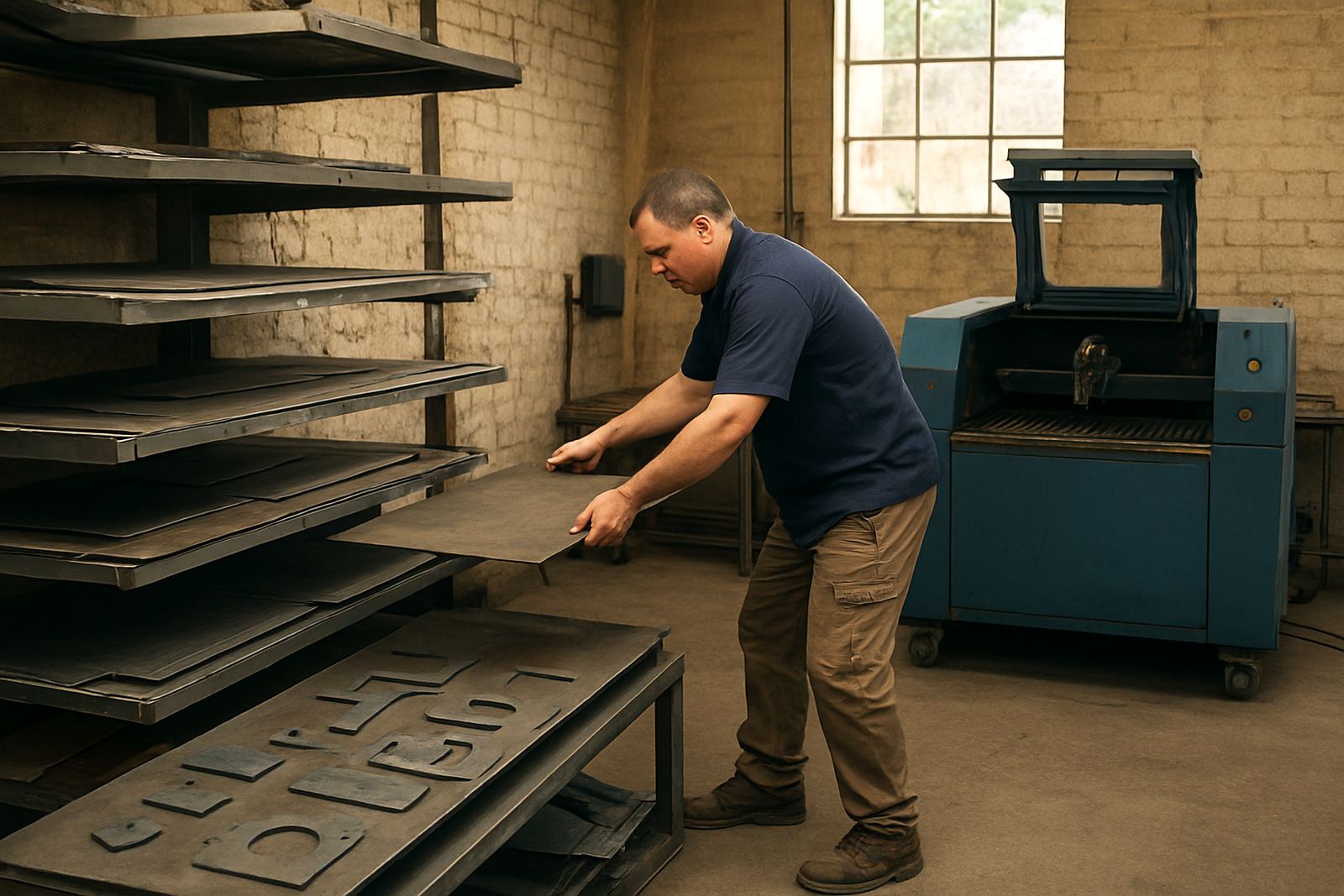
Job shops need clear planning around the machine, the material rack and the maintenance point. Keep spare nozzles, lenses and windows in a dry cupboard away from grinding dust and forklift traffic. On the coast, humidity can affect storage and dirty packaging, so sealed containers and clean handling matter more than most operators think.
If a machine is expected to handle rushed subcontract work, set aside a simple checklist for the shift start and end. That should include gas supply checks, nozzle condition, lens condition and a quick visual look at the cutting head before the first sheet goes in. In South Africa, load-shedding and generator changeovers also make it worth checking that the machine returns to stable power before a production run starts again.
- Keep one clean bench near the machine for inspection work
- Store consumables by size so operators do not fit the wrong part in a hurry
- Separate cutting and grinding areas to reduce dust entering optics
- Plan access for service staff so the machine can be inspected without moving other stock
Common Faults That Slow Subcontract Cutting
The usual failures in job shops are often the same, but they show up in different ways depending on the material mix. A head collision might start with a slight cut offset, then turn into unstable height control or nozzle marking. A worn lens can show itself as poor edge quality on thicker plate before it becomes obvious on light gauge work.
Some of the most common callouts are strip and inspection after a collision, nozzle seat restoration, lens replacement, window replacement, sensor ring service, ceramic holder change, internal cleaning, gas path service, head alignment check, bench pressure test and return to service testing. Those tasks are aimed at restoring proper cutting-head function rather than patching over the fault.
Another issue is operator habits. Some shops keep cutting after a warning because the order is urgent, then the fault spreads. Others do not log what happened before the failure, so the technician loses valuable clues. A short note on which material was running, which thickness, and whether the machine had just restarted after a power cut can save time.
Repair Choices: Bench Work Or On-Site Attendance
Not every repair needs the machine to leave the floor, and not every fault should be handled beside production lines. The right choice depends on the fault, the age of the head and the urgency of the queue. For many job shops, a quick on-site inspection in Gauteng or further afield can confirm whether the issue is a simple consumable fault or a deeper mechanical problem.
Bench repair is usually the better option when the cutting head has suffered collision damage, contamination, or internal wear that needs careful stripping and testing. On-site work is useful for diagnosis, alignment checks and return to service tests when the machine can stay in place. The aim is always to shorten downtime and avoid repeat failures.
- Use on-site support for urgent diagnosis and simple checks
- Use bench repair for damaged internals, contaminated optics or alignment issues
- Ask for a return to service test after any major repair
Budget Ranges For Job Shop Repairs
Repair budgets vary widely because the fault may involve a single consumable or a full head rebuild. A small consumable job can be far less costly than a collision repair that needs several internal parts, alignment work and testing. For planning purposes, many shops set aside a repair allowance so one machine fault does not derail the whole week.
As a practical guide, minor service work may sit in the low thousands of Rand, while more involved repair work can move into higher thousands depending on the damage and parts required. A full collision case, especially on a busy production head, can cost more if lenses, windows, holders and internal components need replacement at the same time.
It helps to budget for both urgent callouts and regular service items. That way a shop can treat the repair as part of production control rather than an emergency expense. If you are running mixed materials across Johannesburg, Pretoria or Durban, a sensible maintenance reserve is often cheaper than losing two days of subcontract work.
Who Handles The Work And Where Support Is Based
Laser Ray Tools is based in Boksburg, Ekurhuleni and supports job shops across South Africa. The team includes Sibusiso Mthembu, Johan van Rensburg, Lerato Ndlovu, Ayesha Khan, Thabo Molefe and Megan Naidoo. That mix of service, workshop and parts support helps keep the process moving from first fault report to final handover.
Support is available through the enquiry form on the contact page for Boksburg, Johannesburg, Pretoria, Vanderbijlpark, Durban, Cape Town, Germiston and Kempton Park. For subcontract cutters that need a proper repair path, the value is simple: get the fault assessed, get the right parts and get back to cutting with as little disruption as possible.