
Keeping Signage Cutting Moving When the Order Book is Full
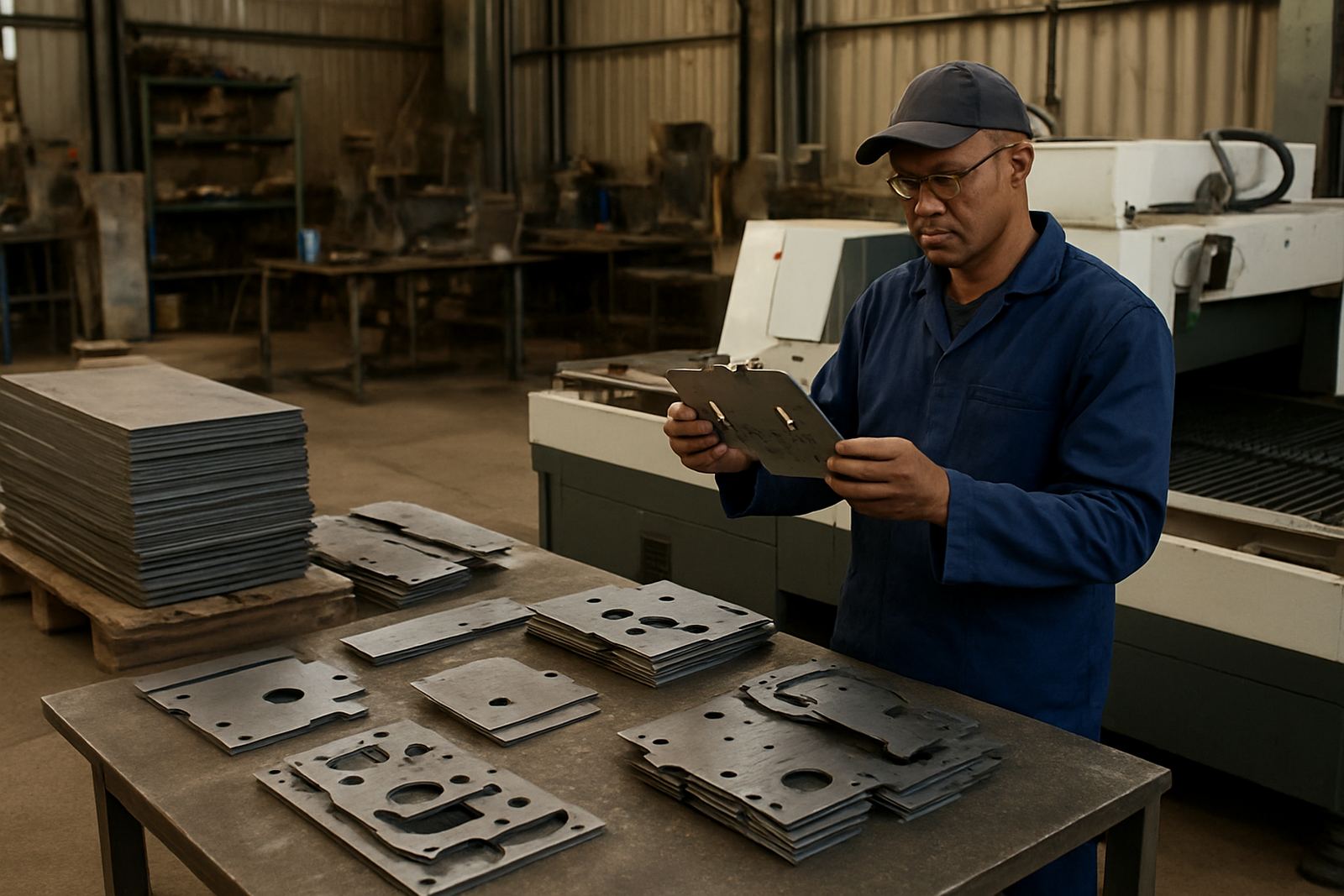
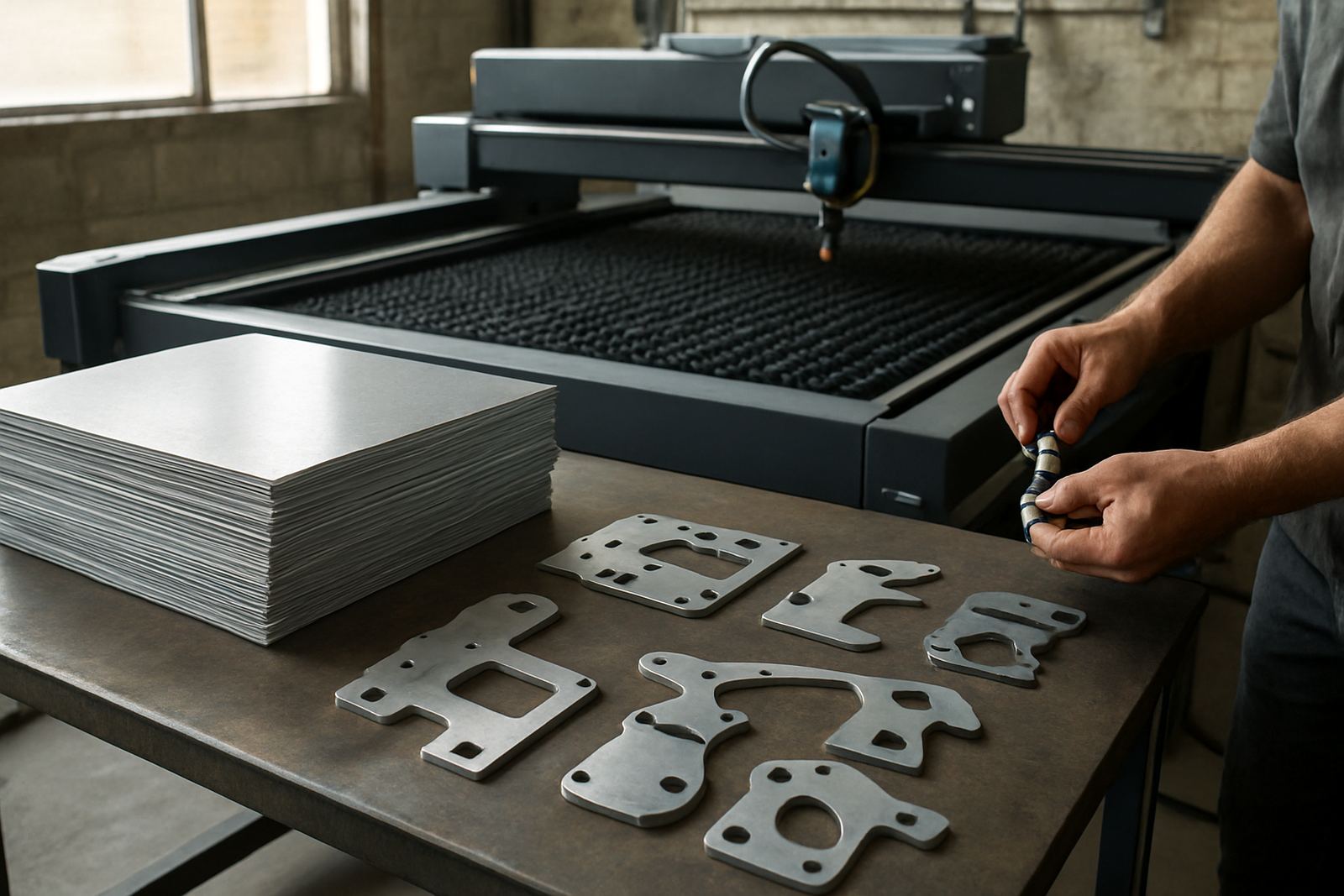
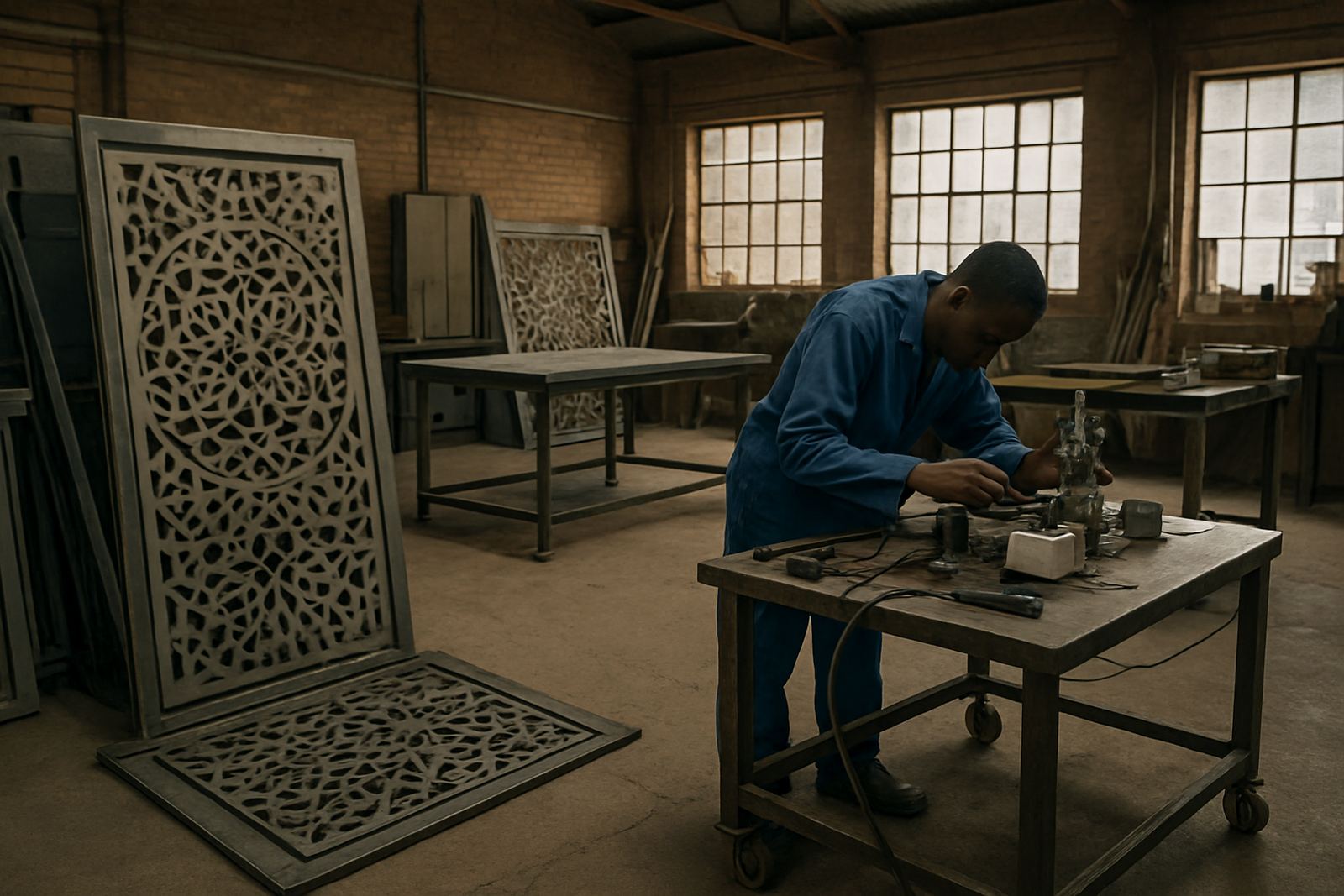
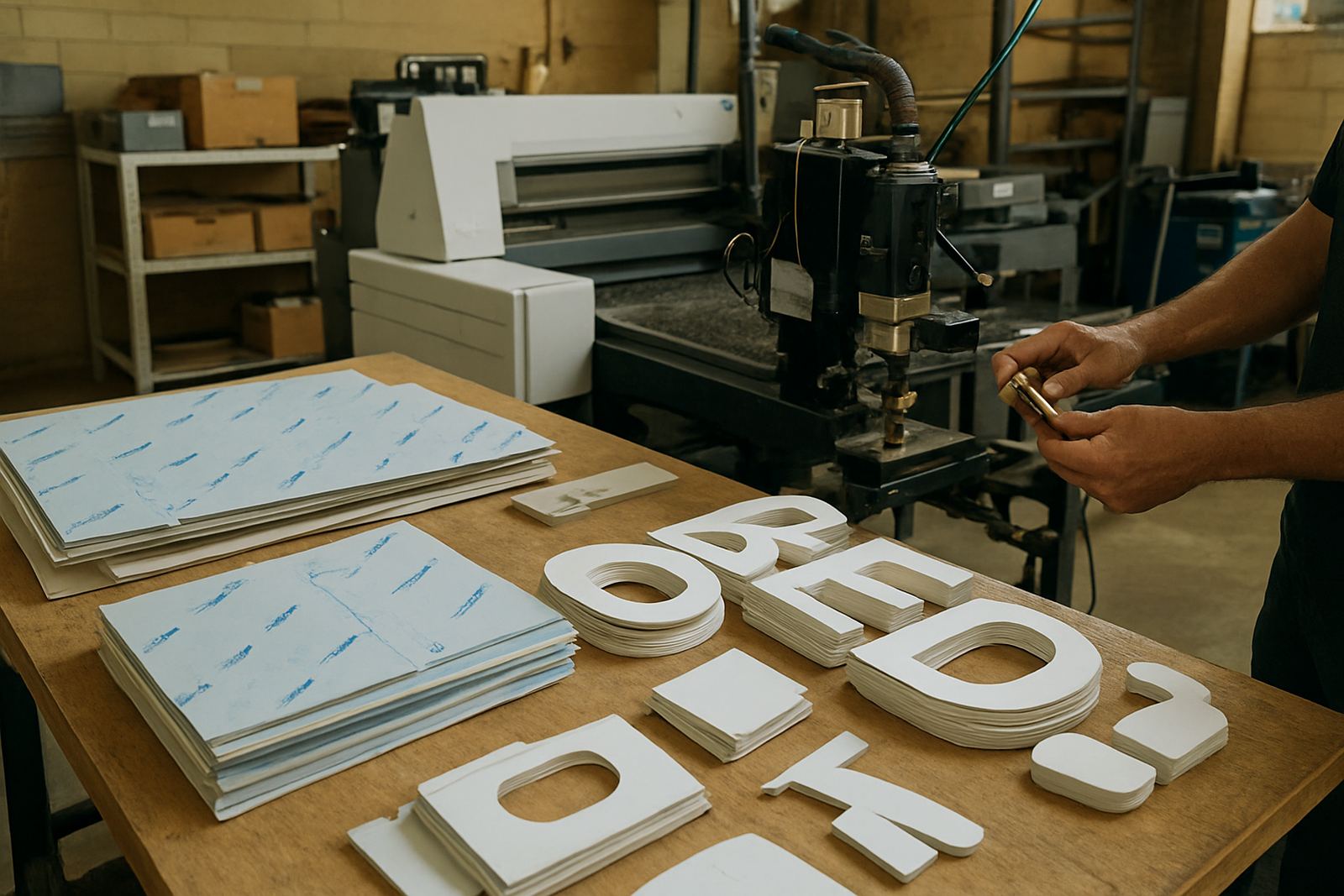
Signage work puts pressure on a laser setup in a very different way to general fabrication. Acrylic trims, steel brackets, aluminium letters and backer plates all need consistent edge quality, and the machine must hold up through long shifts, tight changeovers and weekend catch-up work. When a cutting head starts marking edges, losing focus or reacting badly after a bump, the whole production line feels it quickly.
We support signage plants that run fibre and CO2 systems for panels, letter components, mounting plates and structural parts. The work usually starts with a fault report, then a strip and inspection to find whether the issue is a worn nozzle seat, damaged lens, dirty protective window, misaligned head, or a collision that shifted the internal stack. If needed, we take the head to the bench, test it properly, and return it with the pressure and alignment checked before it goes back into service.
For plants in Boksburg, Germiston, Kempton Park and the wider Ekurhuleni area, same-day access can matter when a load-shedding window is all you have. For Johannesburg, Pretoria, Vanderbijlpark, Durban and Cape Town, we plan the visit around the fault, the machine access and the parts on hand so the repair is done right first time.
Typical Equipment on a Signage Floor
Most signage shops do not run one machine only. You may have a flatbed cutter for sheet work, a fibre laser for mild steel and stainless components, and sometimes a CO2 system for non-metal cutting tasks or mixed materials. The cutting head is often the part that takes the abuse, especially where operators are changing materials, adjusting focus or working through mixed batches of thin sheet and thicker support parts.
- Fibre laser machines used for steel, stainless steel and aluminium parts
- CO2 laser machines used in signage component work and related fabrication
- Cutting heads with nozzles, lenses, protective windows and sensor rings
- Ceramic holders, internal seals and gas path parts that affect cut quality
- Machines running on benches close to loading bays, dust and metal offcuts
In signage environments, fine dust and offcut build-up often get into places they should not. That is why we often recommend a proper internal cleaning and gas path service at the same time as the visible repair. If a head has already taken a knock from sheet lift, a clamp fault or operator error, a collision damage repair is usually needed before the next run starts.
How to Lay Out the Shop for Easier Repairs
A signage plant that plans for service can get back into production faster. The most practical shops give technicians clear access to the machine side, a clean place to remove the cutting head, and space to keep lenses and windows away from dust and finger marks. If the machine sits close to a compressor, welding area or cutting table with heavy offcut traffic, that matters too because vibration and contamination can shorten part life.
Good layout also helps with light-sensitive parts and safe handling. Protective windows and lenses need clean storage, and the head should be easy to remove without moving half the shop. We also suggest keeping a small record of nozzle sizes, ceramic holder changes and previous collisions so the fault can be traced faster next time. It saves time and avoids guessing.
- Leave clear space around the laser head and service access panels
- Keep spare nozzles, windows and lenses sealed until needed
- Mark the last service date and any collision event near the machine log
- Plan extractor and compressor checks alongside the laser service
- Allow room for safe lifting if the head needs bench repair
What Usually Goes Wrong in Signage Production
The most common mistake is carrying on after the first sign of poor edge finish. A slight burr on stainless steel, smoke staining on acrylic support parts, or a widening cut can point to a head issue that is still small enough to repair quickly. Leave it too long and the fault spreads into the lens, window and seating surfaces, which pushes up both downtime and cost.
Another common problem is using the machine through dirty consumables. A worn nozzle or cracked window can look minor but it changes the gas flow and beam path. That leads to heat marks, uneven kerf and a finish that the client sees straight away on illuminated letters, fascia trims or exposed edge components. If the sensor ring is damaged or the head is out of line, the system may still run but the cut quality suffers quietly.
We also see plants where the machine is serviced only after a full stop. That is usually the most expensive point to call for help because there may already be secondary damage. A better approach is to treat inspection as part of normal production planning, especially where the workshop works late shifts or depends on one machine for urgent signage runs.
Repair Scope for a Fast Return to Cutting
Our work for signage plants is focused on the parts that affect uptime and cut finish. We do not push unrelated software or unnecessary extras. The aim is practical repair, proper test results and a head or machine that can go back to work with less risk of repeat fault.
- Strip And Inspection for fault finding and wear checks
- Collision Damage Repair when the head has been knocked or shifted
- Nozzle Seat Restoration for sealing and flow issues
- Lens Replacement and Window Replacement where optical parts are damaged
- Sensor Ring Service, Ceramic Holder Change and Internal Cleaning
- Gas Path Service, Head Alignment Check, Bench Pressure Test and Return To Service Test
If the unit can be repaired on site, that reduces transport delays. If it needs the bench, we handle it in Boksburg and send it back once it has passed test. For plants that operate under tight delivery schedules, that split approach can make the difference between finishing the week and missing a client handover.
Budget Ranges for Signage Shops in Rand
Repair budgets depend on the fault, the machine type and whether the job is on site or on the bench. A basic inspection and minor consumable replacement may sit in the lower range, while collision damage or internal optical repair can move the cost up quickly. It is worth planning a service allowance rather than waiting for a total failure.
For budgeting, signage plants commonly allow about R1 500 to R4 500 for a diagnosis plus minor service work, around R4 500 to R12 000 for a more involved cutting head repair, and R12 000 plus where major collision damage, multiple optical parts or repeat fault finding is involved. On-site call-outs, transport and urgent after-hours work can add to the total, depending on the area and access.
That said, the right repair at the right time is usually cheaper than running a damaged head through another production cycle. One clean repair can save a full day of lost output, rework on finished signs and the cost of rushed replacement parts.
Where Signage Plants Call Us From
We support signage and fabrication clients from our Boksburg base across Gauteng and beyond, including Johannesburg, Pretoria, Vanderbijlpark, Durban and Cape Town. Local branches and service areas include Boksburg Support, Johannesburg Support, Pretoria Support, Vanderbijlpark Support, Durban Support, Cape Town Support, Germiston Support and Kempton Park Support.
Clients usually reach us through the enquiry form on our contact page when the machine starts losing cut quality or the head has taken a knock. From there, we confirm the fault, the machine setup, and whether the best route is bench repair or an on-site visit. The goal is simple: keep the signage line moving, keep the finish clean, and get the cutter back into production without wasting time.