When a Fabrication Line Starts Losing Cut Quality
In a fabrication shop, laser trouble usually shows up in the same way: rough edges, wider kerf, spatter, alarms, or a head that will not keep its height. A machine that was cutting cleanly on Monday can start burning edges on Wednesday after a collision, dirty optics, or wear in the head assembly. That is when a fast diagnosis matters because every extra shift spent chasing faults adds scrap, rework and delivery pressure.
Laser Ray Tools supports workshops that cut mild steel, stainless steel and aluminium for brackets, panels, frames and production parts. The team repairs fibre and CO2 laser machines and cutting heads on the bench and on site, so a fabricator can deal with urgent breakdowns without sending the whole line away for weeks. The aim is simple: find the fault, replace what is worn and get the head back into usable condition before the work queue builds up.
Typical Machines and Head Assemblies We See in Metal Shops
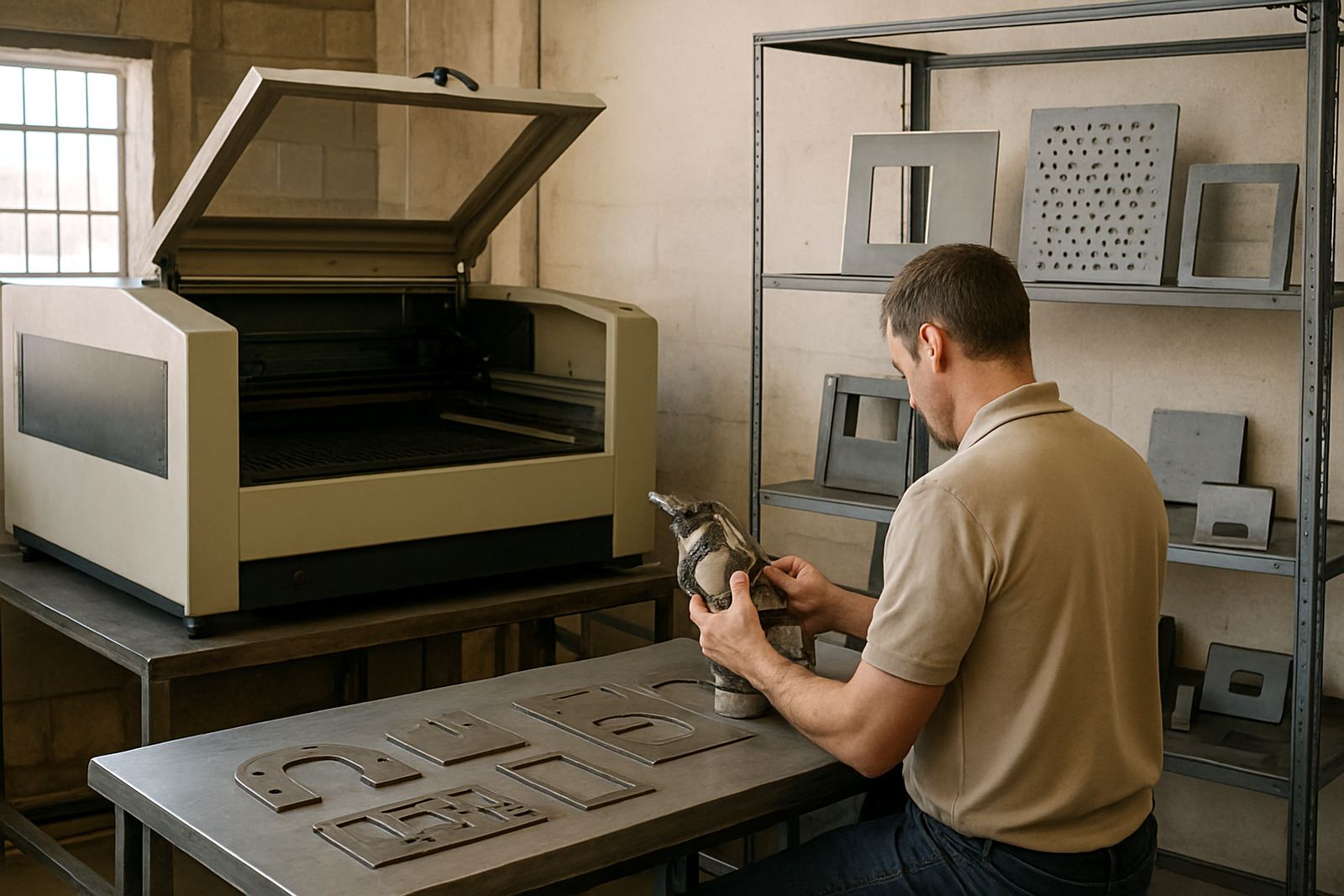
Most fabricators run a mix of general purpose laser cutting equipment and handover jobs from CNC production. The exact make and model may vary, but the wear pattern is familiar: nozzles erode, lenses mark up, protective windows cloud over and sensor parts drift after repeated thermal load or a minor collision. A bench inspection helps separate a small consumable issue from deeper head damage.
For shops in Ekurhuleni, Durban or Cape Town, humidity, dust and compressed air quality can all affect performance. Coastal sites often see more corrosion around fittings and a faster build-up on optics, while inland workshops may battle fine metal dust and heat cycling. A proper service checks the full cutting path, not only the visible tip of the head.
- Fibre laser cutting heads used for sheet work, brackets and batch production
- CO2 systems still used in some fabrication rooms and mixed production plants
- Nozzles, lenses, protective windows, sensor rings and ceramic holders
- Heads with collision damage, unstable height sensing or poor beam focus
Workshop Layout Advice for Cleaner Cuts and Fewer Head Faults
If your machine room is cramped or the loading area is badly planned, the laser head takes more knocks than it should. Good layout reduces those risks. Keep sheet handling, loading and offloading clear of the machine travel path. Make sure operators have enough space for clamping, nozzle checks and lens changes without leaning over sharp edges or hot parts. A tight room can work, but only if the routine is disciplined.
Power quality also matters. Many South African workshops have to manage load-shedding and generator changeovers, so surge protection and proper shutdown routines should be part of the daily plan. Keep the air supply dry, the gas lines clean and the optics protected during long stoppages. A small habit, like capping exposed components after a shift, can save a lot of repair time later.
- Leave clear access around the cutting table for sheet loading and maintenance
- Store spare nozzles, windows and lenses in a dry cabinet, not near the floor
- Schedule cleaning before faults become alarms
- Train operators to stop the machine after a suspected head strike, not keep running it
Common Mistakes That Drive Up Repair Costs
Many fabricators wait too long before calling for service. If the cut starts to taper or the head begins to mark up, continuing production can turn a minor fault into a full rebuild. Another common mistake is swapping random parts without checking alignment or beam condition first. That usually wastes money and does not fix the root problem.
It also helps to keep a record of what happened before the fault. A collision during a sheet change, a sudden drop in cut quality, or recurring height-sensing errors all point to different repairs. The more detail the service team gets, the quicker they can isolate the issue and avoid repeat callouts. In many cases, a proper strip and inspection shows the problem within a single bench visit, sometimes on the same day if parts are on hand.
- Ignoring small collisions until the head is no longer usable
- Running with a dirty nozzle seat or damaged protective window
- Mixing worn and new parts, which can affect alignment
- Skipping a return to service test after repair
What a Repair Visit Usually Includes
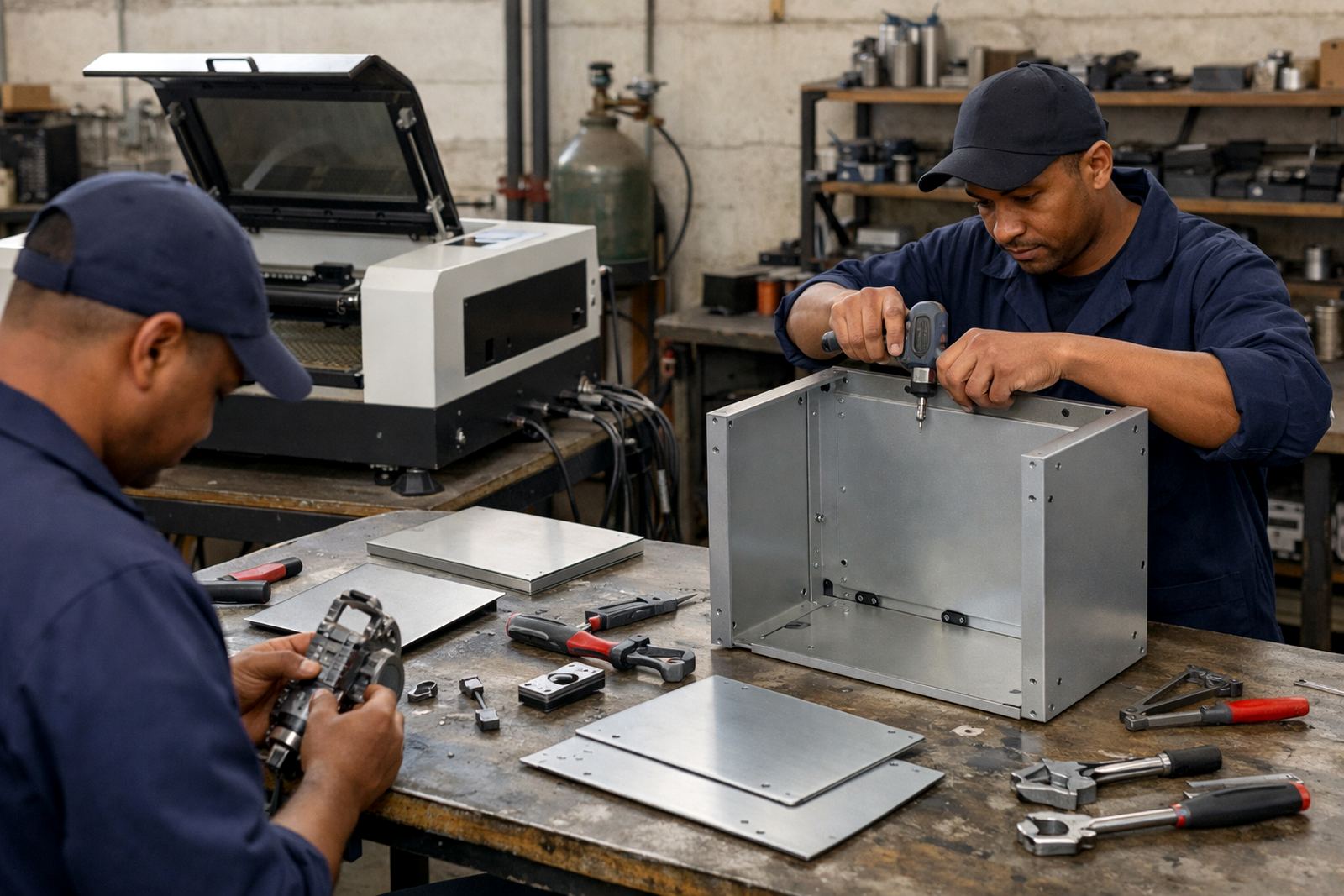
Laser Ray Tools offers practical repair support for fabricators that need production downtime kept short. That can mean an on-site visit for diagnosis and urgent correction, or a bench repair at the Boksburg base when the head needs closer inspection. The service may include strip and inspection, collision damage repair, nozzle seat restoration, lens replacement, window replacement, sensor ring service, ceramic holder change, internal cleaning, gas path service, head alignment check, bench pressure test and return to service testing.
For shops in Johannesburg, Pretoria or Germiston, same-region response is often best for quick diagnosis. For longer-distance work, the team can advise whether the head should come in for bench repair or whether site support will solve the fault faster. The right choice depends on the damage, the machine age and whether the line can stop for a full removal.
Budget Ranges for Metal Fabricators
Repair budgets depend on the fault, the head type and whether parts need replacing. A basic inspection and cleaning is usually far less costly than collision recovery or optic replacement. For planning purposes, small service jobs can start from a few thousand Rand, while more involved repairs with multiple parts and alignment checks can move into the mid five-figure range. If the head has major strike damage or the beam path is affected, the cost can climb further.
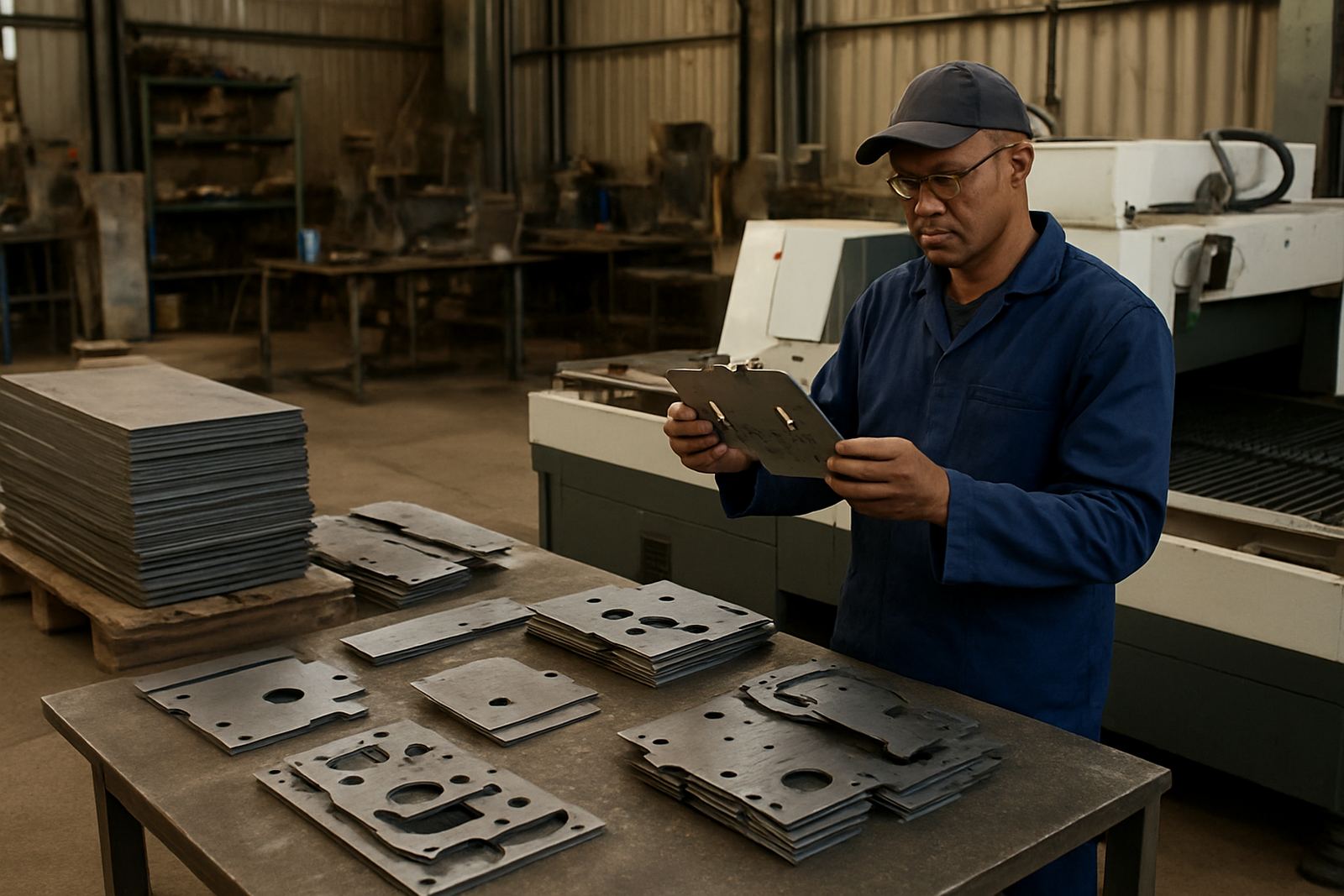
It is often cheaper to act early than to wait until the machine damages more than one component. A worn nozzle seat, for example, can cause poor cut quality that leads to scrap on an entire batch of parts. If a fabricator is cutting for job shops or production runs, quick intervention usually pays for itself through fewer rejects and less overtime. That is especially true when the workshop is already under pressure from load-shedding and delivery deadlines.
- Small diagnostic or cleaning work: from around R1 500 to R5 000
- Common head repairs with consumables and alignment: around R5 000 to R18 000
- Collision or multi-part repair work: often R18 000 and above
- Final pricing depends on parts condition, labour time and the test results
Why Fabricators Keep a Local Laser Repair Partner
General fabricators do not need sales talk, they need a team that can get a head back into working order and explain what caused the fault. That is where Laser Ray Tools is useful. The business focuses on laser machine and cutting head repairs for South African workshops, with support from Boksburg across Johannesburg, Pretoria, Vanderbijlpark, Durban and Cape Town. The company is led by Sibusiso Mthembu, with a team that includes senior technicians, field service support and parts control.
For a metal shop, the real value is uptime. If the machine stays reliable, cutters keep moving, parts stay on schedule and the workshop does not waste time chasing avoidable breakdowns. When you need help, clients can reach the team through the enquiry form on the contact page and arrange the next step from there.