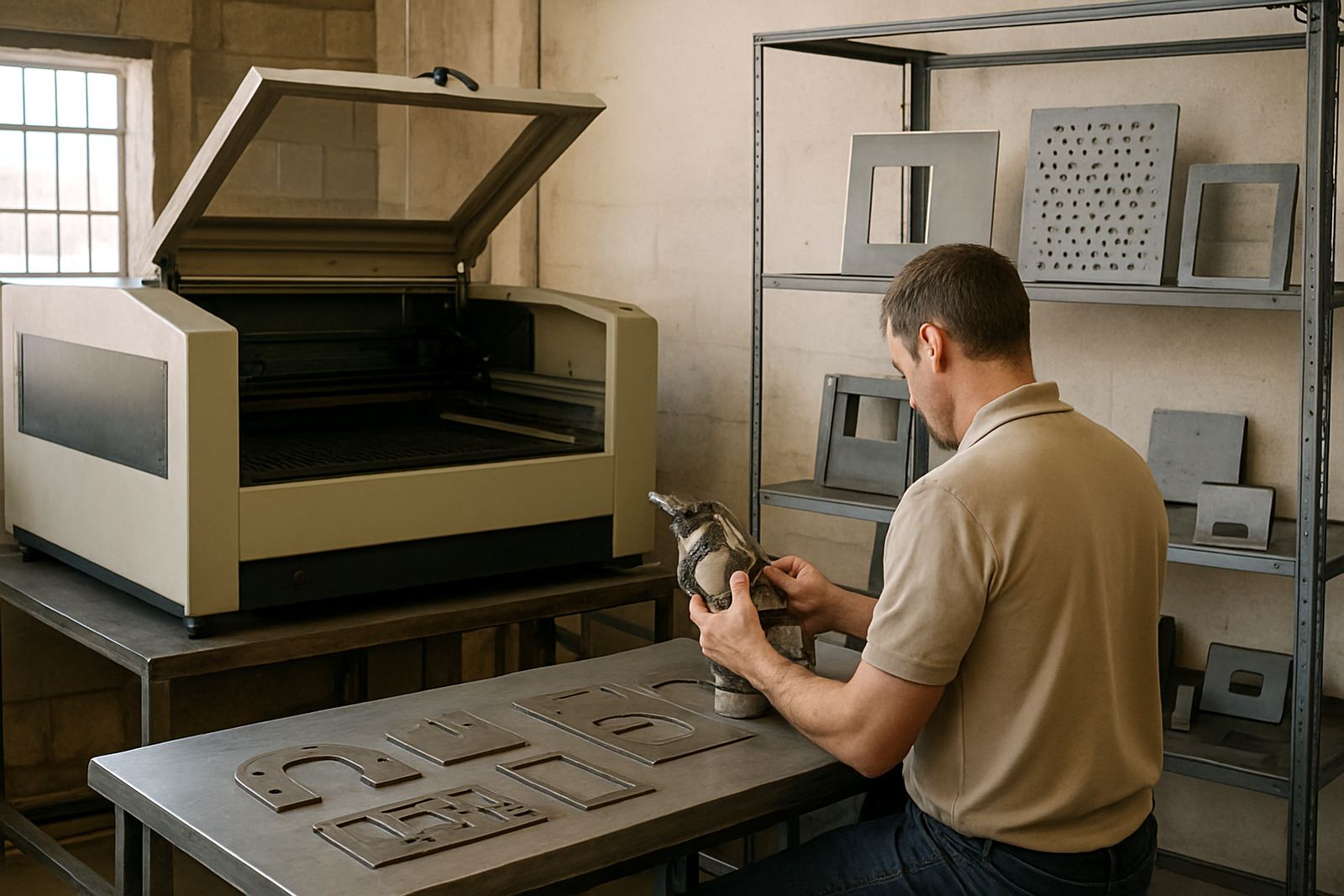
When shopfitting work starts slipping off size
Shopfitting jobs do not forgive a tired laser. A bracket that is 0.5 mm out, a tab that overheats, or a display frame with a rough edge can slow the whole fit out. For fabrication shops working on retail counters, shelving, kiosk frames and custom interior steelwork, the laser has to hold a steady cut from morning to knock-off.
We support workshops in Boksburg, Johannesburg, Pretoria, Vanderbijlpark, Durban and Cape Town with repair work for fibre and CO2 laser machines and cutting heads. If the head has taken a bump, the nozzle seat is worn, or the lens and protective window are cooked by spatter and dust, we inspect the unit, isolate the fault and get the cutting side back into working condition. That matters when you are trying to deliver a mall refit, a franchise rollout, or a small retail install where the joinery team is already waiting on steel parts.
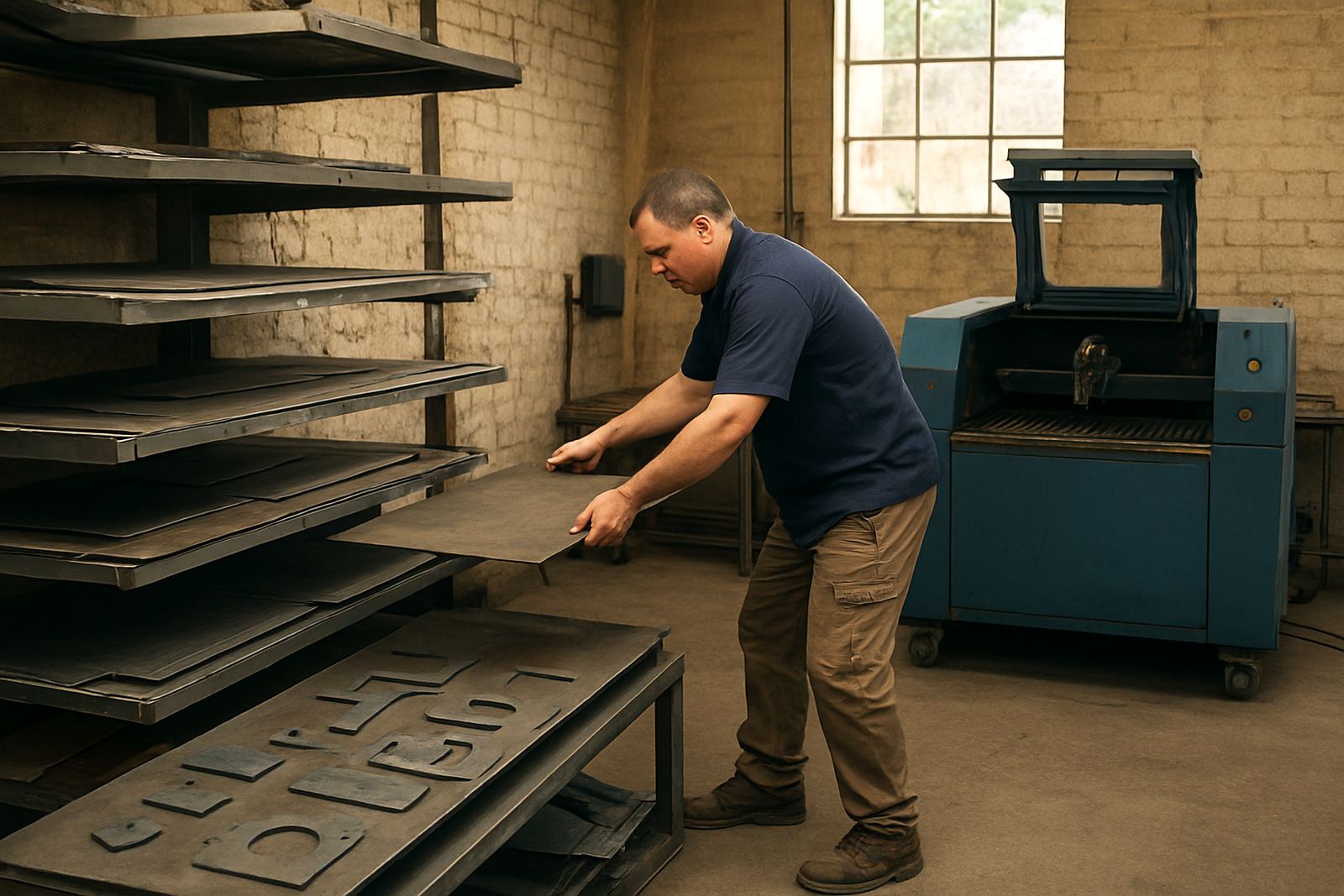
Typical machine set-up in a shopfitting workshop
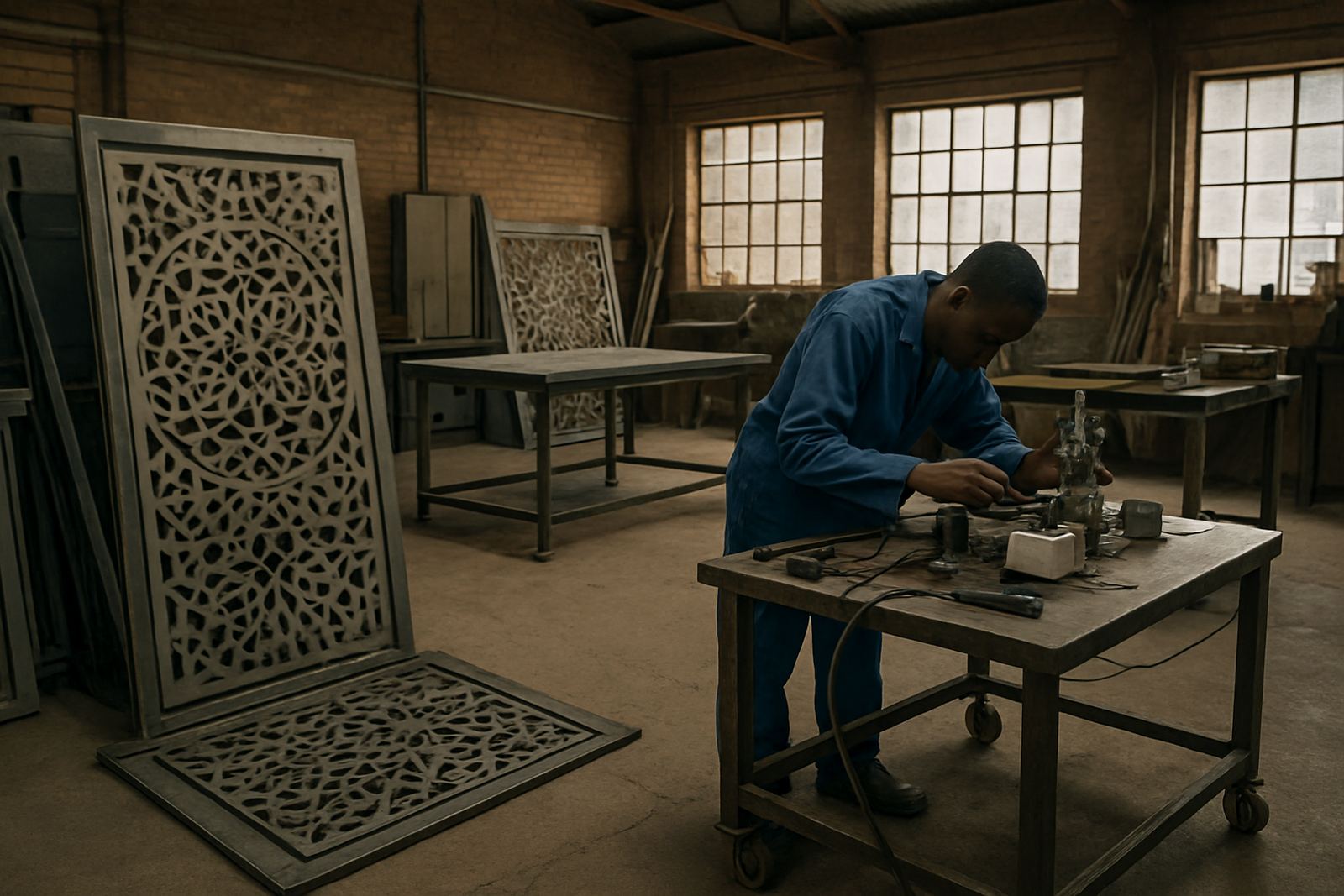
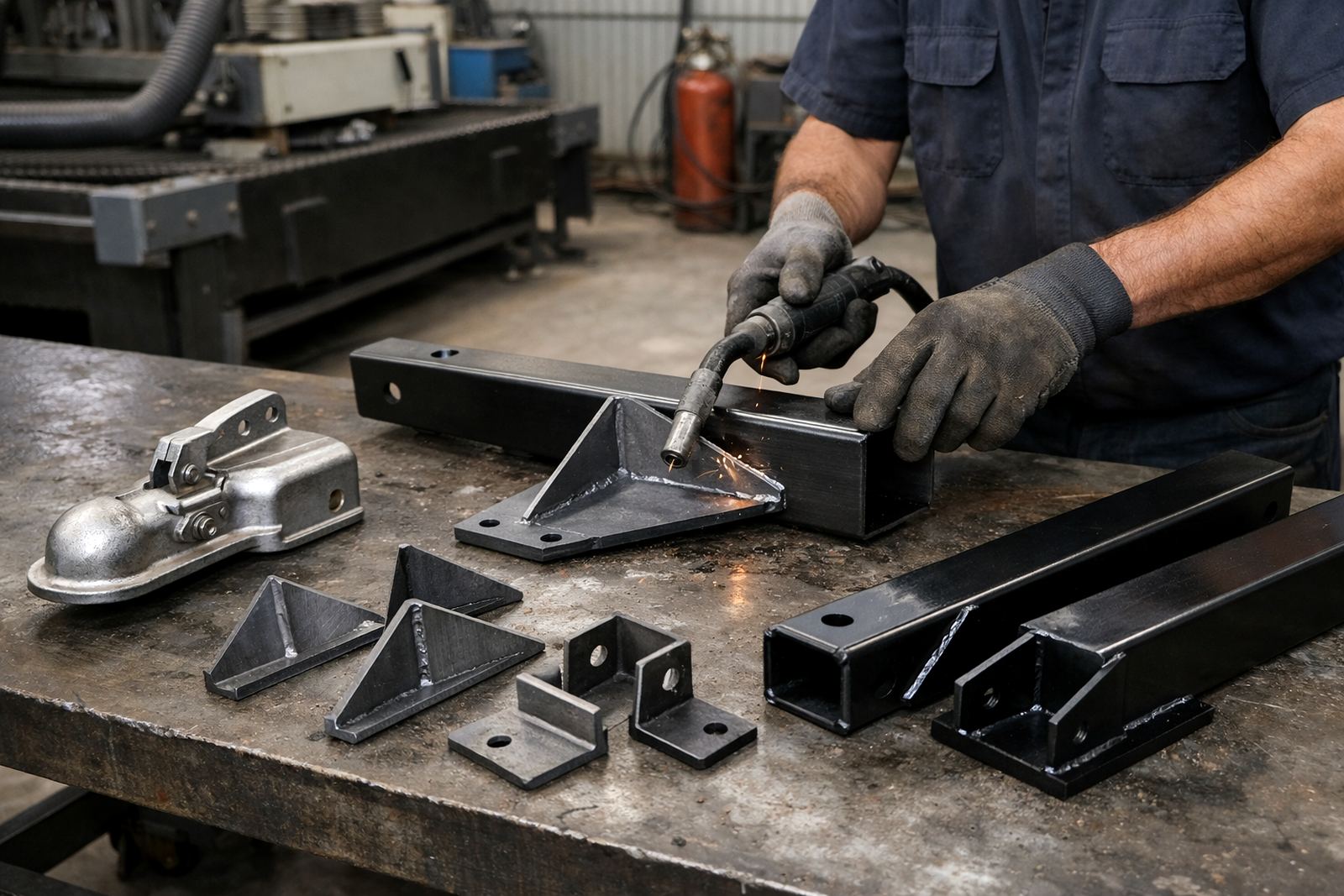
Most shopfitting fabricators run a practical mix of plate and tube work. Sheet cutting is used for panels, brackets, base plates, fascia supports and drawer frames. Tube and section cutting is often used for frames, legs, hanging rails and display structures. In many shops the laser runs alongside bending, welding and powder coating, so a fault at the cutting stage can back up three other departments.
- Fibre laser cutters for mild steel, stainless steel and aluminium parts
- CO2 systems still found in some workshops for general sheet work
- Cutting heads with nozzles, lenses, protective windows and ceramic holders
- Air and gas lines that need clean flow and correct pressure
- Fixture tables, chiller units and extraction that must keep up with long shifts
Our team looks at the whole cutting head assembly, not just the visible damage. After a collision, small misalignment can cause bad pierces, taper on the edge and poor consistency across batches. On busy shopfitting schedules, that turns into rework and missed install dates fast.
Layout planning that helps the laser stay productive
Good planning makes repairs less frequent and also makes the workshop easier to run. Keep sheet loading and offloading clear, leave space for tube bundles, and make sure the head can be accessed without moving half the shop. In tighter Gauteng spaces, especially where floor area is limited, a poor layout leads to knocks, dust buildup and rushed handling. That is usually where the first collision happens.
We often find that simple workshop habits make the biggest difference. Keep lens and nozzle change-outs in one clean area, label gas lines, and log the last service date for the head. If the machine is working in a dusty fabrication bay or near sanding and packing areas, protect the optics and clean around the gantry more often. Coastal humidity in Durban and salt air in Cape Town can also shorten the life of consumables if the machine is not checked regularly.
For shopfitting work, it helps to separate quick production parts from precision parts. A rail for shelving can often tolerate minor handling marks, but parts for visible retail joinery and fitted interiors need better edge quality and tighter fit. Planning the nesting, cutting order and finishing sequence around that difference saves time later.
Common faults we see after busy production runs
Many shopfitting shops call us after a few warning signs have already shown up. The cut gets rough, the pierce takes longer, or the head starts drifting after a collision with a warped sheet. Sometimes the machine still runs but the parts are no longer good enough for a clean install. That is usually the right time to stop and check the full head assembly.
- Worn nozzles causing unstable cuts and extra dross
- Lens contamination leading to poor focus and heat build-up
- Damaged protective windows that reduce beam quality
- Head alignment issues after a bump or crash
- Ceramic holder damage that affects height sensing and repeatability
- Dust, oil mist and metal fines inside the head and gas path
Our strip and inspection service helps find what is actually damaged, instead of swapping parts blindly. If the issue is only a nozzle seat or window, we handle that. If there is collision damage, we check the internal parts, gas path and sensor ring before the unit goes back into service. It is quicker and cheaper than chasing one symptom at a time.
Bench repair or on-site repair for less downtime
Some faults are best handled on the bench in Boksburg, where we can inspect the head carefully, pressure test it, clean internal parts and carry out a return to service test. Other jobs need on-site support if the machine cannot be moved or if production schedules are too tight to wait. We work both ways, depending on the machine, the fault and how urgent the order book is.
For many fabricators, the real cost is not the repair itself but the delay on the floor. A one-day fault can hold up a week of retail fitting if the cut parts are tied to installation dates and transport runs. That is why our service coordinator, Lerato, and the workshop team keep the process direct: diagnose, agree the repair path, fit the parts, test the head, and hand the machine back once the cut quality is acceptable.
We also support shops that need a cleaner maintenance rhythm. Regular checks on lenses, windows, nozzles and gas delivery are cheaper than repeated emergency callouts. On most shopfitting machines, a small amount of planned downtime saves a much bigger production loss later.
What shopfitting fabricators should budget for
Budget depends on the head type, the level of damage and whether parts need to be replaced or only cleaned and reset. As a guide, a simple inspection and service may sit in the low thousands of Rand, while collision damage repair, optics replacement and alignment work can move into a higher bracket. When a head has suffered serious internal damage, the cost rises with the number of parts required and the amount of bench time needed.
Typical budget planning for shopfitting shops should also allow for the downtime itself. A busy fabricator in Johannesburg or Pretoria may lose more value from a stopped machine than from the actual repair invoice. That is why we recommend keeping a small service reserve for emergency optics, nozzles and sealing parts, especially if the machine runs daily for retail rollouts or interior fit outs.
- Minor service and inspection: lower cost, useful for early fault finding
- Optics and consumables replacement: moderate cost, often the most common repair
- Collision recovery and alignment work: higher cost, depends on damage
- Urgent on-site attendance: usually the highest cost because time matters
If you are budgeting for the year, it makes sense to include planned maintenance rather than waiting for a crash or cut-quality failure. That keeps the machine ready for the next tender, the next mall job and the next export order, without scrambling for emergency parts.