When trailer part work starts slipping on the shop floor
If you cut trailer components every day, you know the signs quickly. Edge quality drops, the nozzle starts picking up spatter, and the cut starts wandering on 3 mm, 5 mm or 8 mm plate. A collision can bend the head body, damage the nozzle seat, or scratch the lens and protective window. Once that happens, the machine may still run but the cut quality falls away and rework climbs.
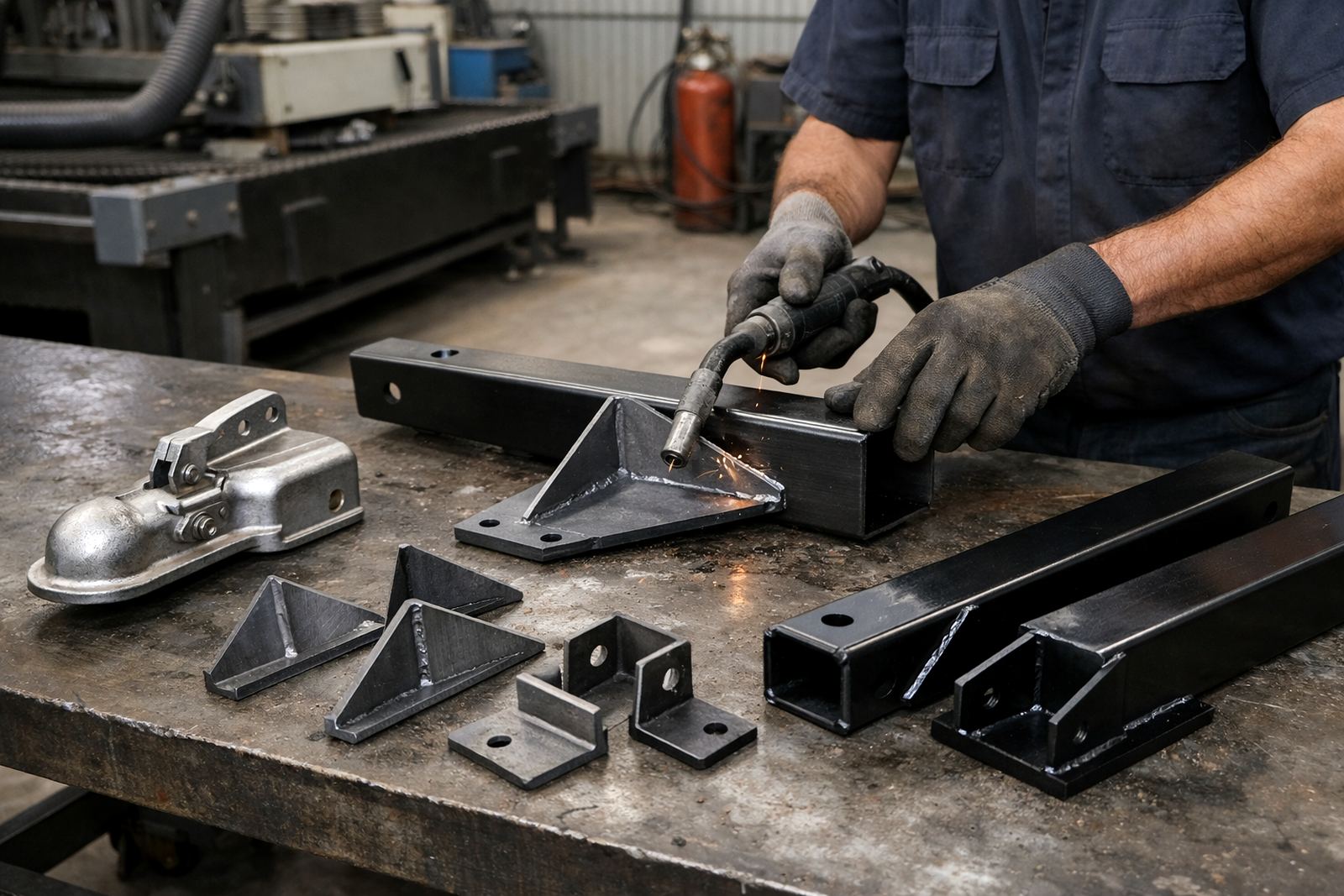
For trailer part makers, that means more scrap on gussets, spring hangers, drawbar plates, corner brackets and floor support parts. It also means more time checking settings instead of cutting. We support job shops and fabrication plants that need the machine back in service fast, not after days of guesswork.
- Fibre laser cutter heads with poor cut start or taper
- CO2 systems that need head inspection after wear or impact
- Workshops where small plate jobs must keep moving between batches
- Sites in Boksburg, Johannesburg, Pretoria, Durban, Cape Town and nearby industrial areas
Typical equipment in a trailer parts workshop
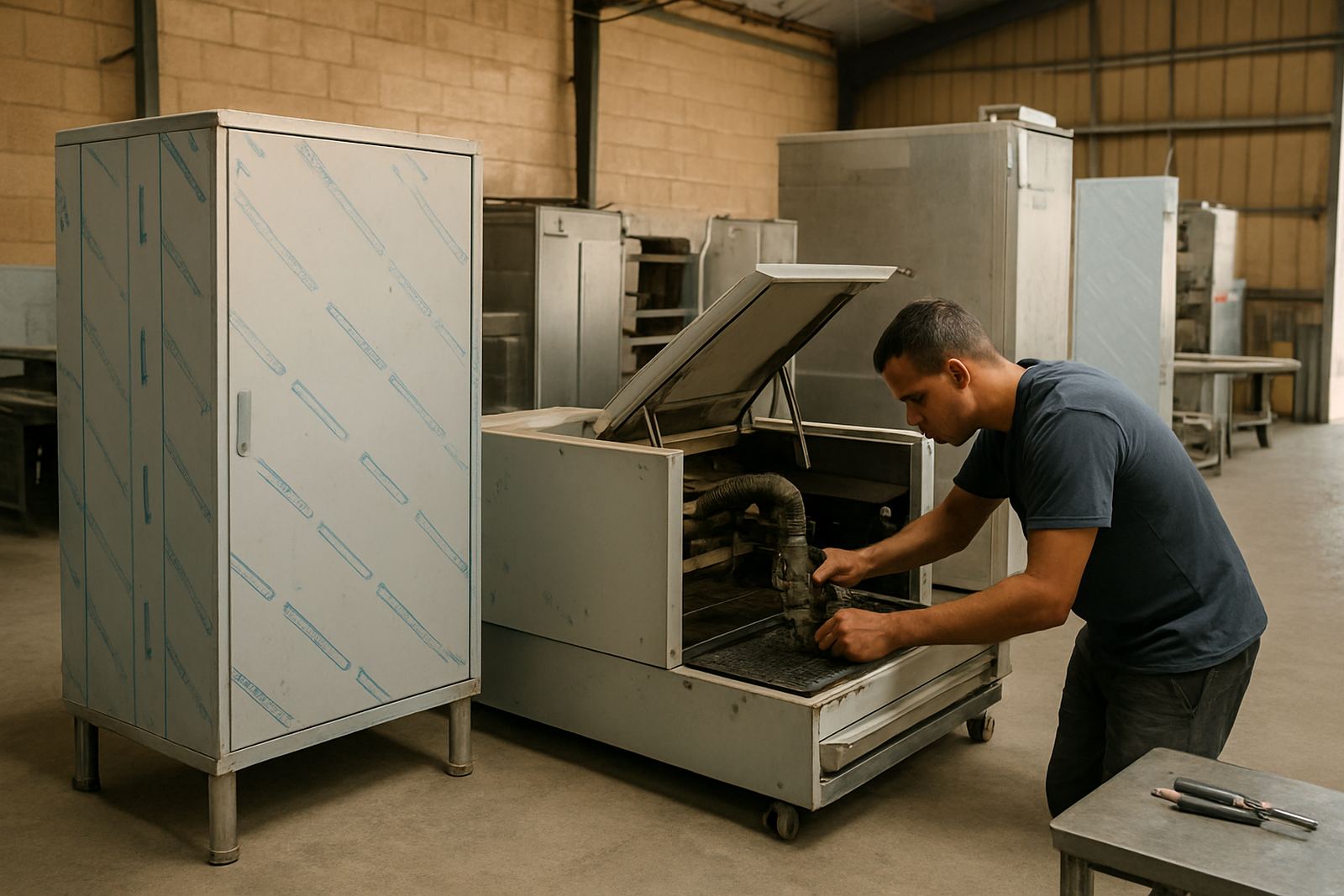
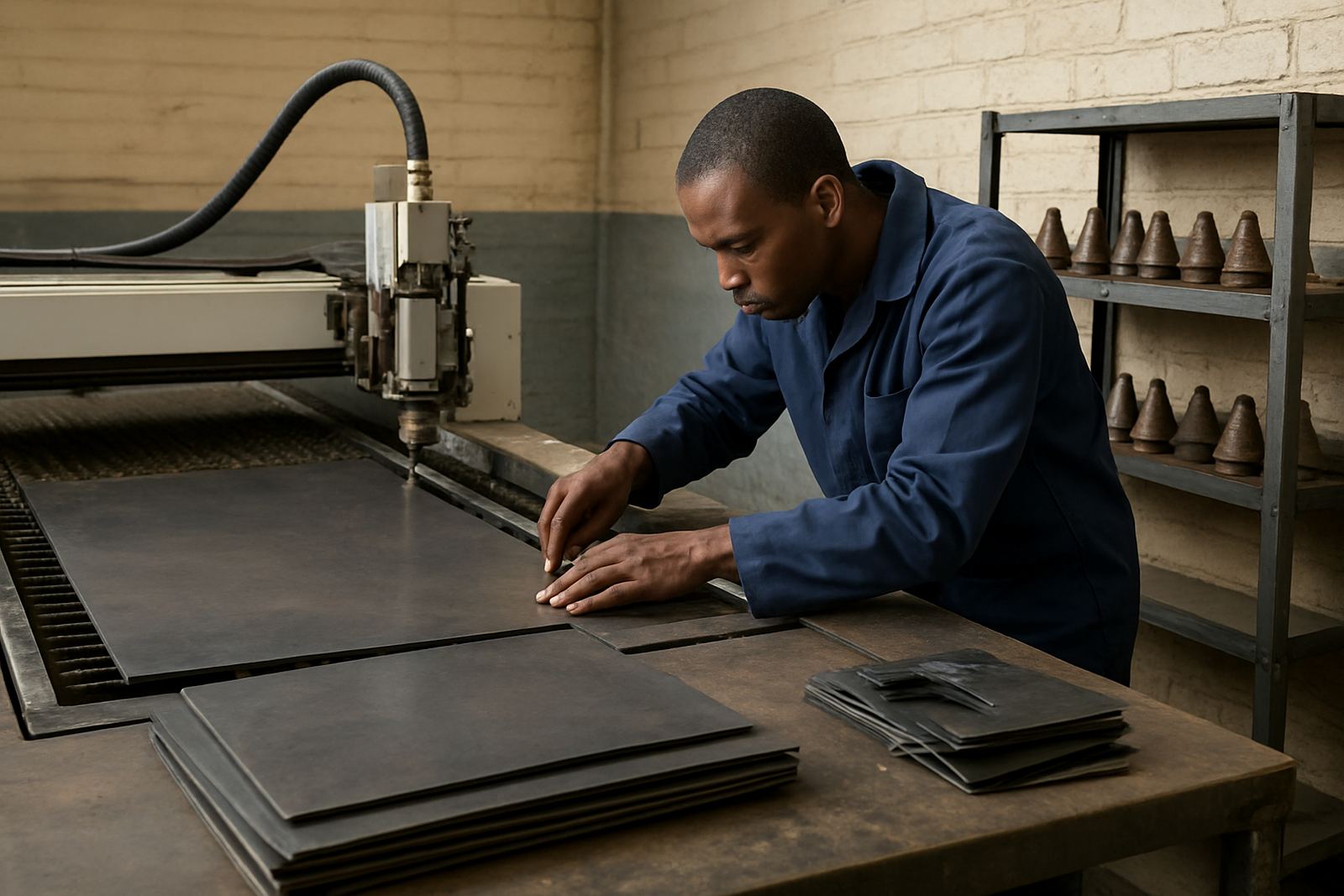
Most trailer component shops run a mix of sheet and plate work. The cutting machine may be producing flat parts in batches, then switching to small repair parts or one-off fabrication pieces. The head must stay square, clean and free of internal contamination or the cut suffers. We inspect the head, test pressure, check alignment and replace worn items before they cause bigger downtime.
In a working trailer parts line, the usual items needing attention are straightforward. They are not glamorous, but they matter every shift.
- Nozzles for different plate thicknesses and cut speeds
- Lenses and protective windows damaged by heat, dust or back-spatter
- Sensor rings that no longer read correctly
- Ceramic holders showing cracks or wear
- Internal gas path parts that affect assist gas flow
Because many trailer shops run near welding, grinding and drilling bays, dirt builds up fast. That is especially true in coastal areas and on busy industrial floors where fine dust and humidity can get into the head assembly. A quick clean is not enough if the head has already taken a knock.
How to set up repair support without stopping the bay
Good planning saves money. If the cutter is the bottleneck, set a simple routine for inspection and spares so the whole floor does not wait for one fault. Keep a note of common plate thicknesses, nozzle types, lens sizes and the last time the head was serviced. That makes fault finding quicker when the machine starts losing cut quality.
For many trailer part makers, the best approach is a mix of bench repair and on-site work. A damaged cutting head can come to our Boksburg base for detailed strip and inspection, while urgent diagnosis and return-to-service checks can be done on site when needed. That reduces transport delays and keeps the job moving.
- Keep a spare nozzle set for your most used plate thicknesses
- Store protective windows in clean sealed packaging
- Record each collision, even a light tap during setup
- Keep the assist gas supply stable and properly filtered
- Plan service during low-output hours or power interruptions, especially during load-shedding
Common mistakes that push trailer part costs up
A lot of head damage comes from small habits. Running with a worn nozzle to finish one more batch can look harmless, but it usually leaves ugly edges and extra heat build-up. The same goes for ignoring a damaged ceramic holder or continuing after a head collision. A machine that is still cutting is not always cutting properly.
Another common issue is leaving contaminated parts in the head after a fault. Dust, oil mist and metal particles can travel through the gas path and affect the next run. On some sites the pressure test is skipped because the machine appears to be fine, then the fault returns a day later. That is avoidable.
Trailer shops also lose money when they buy parts without diagnosis. Replacing a lens first, then a nozzle, then a sensor ring can cost more than a proper inspection. We focus on checking the actual fault before parts are ordered, so the workshop does not pay twice.
Budget ranges for trailer component repair and service
Trailer part makers usually want a clear idea of cost before the machine comes off the line. The final price depends on the machine type, the head condition, and whether parts are required. A simple service and inspection is far less than a collision repair with lens replacement and internal parts. We keep the scope practical and give a straight answer after diagnosis.
As a working guide, many trailer component jobs fall into these ranges:
- Basic inspection and strip work: from about R1 500 to R3 500
- Nozzle seat restoration, cleaning and alignment checks: from about R2 500 to R6 500
- Lens or protective window replacement: from about R900 to R4 500 depending on size and type
- Collision damage repair or fuller bench work: from about R4 500 to R15 000 plus parts
If the repair is urgent and the head must be collected, repaired, and returned quickly, we will discuss the fastest option available. For shops in Johannesburg, Pretoria, Vanderbijlpark, Durban and Cape Town, the aim is always the same: get the cutter back on product and keep the trailer orders moving.
Who handles your trailer cutter support at Laser Ray Tools
Our team is set up for practical service. Sibusiso Mthembu oversees the business, Johan van Rensburg handles senior technical work, Lerato Ndlovu coordinates service, Ayesha Khan manages parts and stores, Thabo Molefe covers field service, and Megan Naidoo keeps workshop admin in order. That means the call is handled properly from first enquiry to return to service.
We support trailer part makers from our Boksburg, Ekurhuleni base and across South Africa, including Germiston and Kempton Park support areas. Customers reach us through the enquiry form on our contact page when they need diagnosis, repair, or a return-to-service check. If your workshop cuts gussets, brackets, chassis plates or repair parts and the head is causing stoppages, we can help sort it out before the queue backs up again.