When mild steel cutting starts slipping
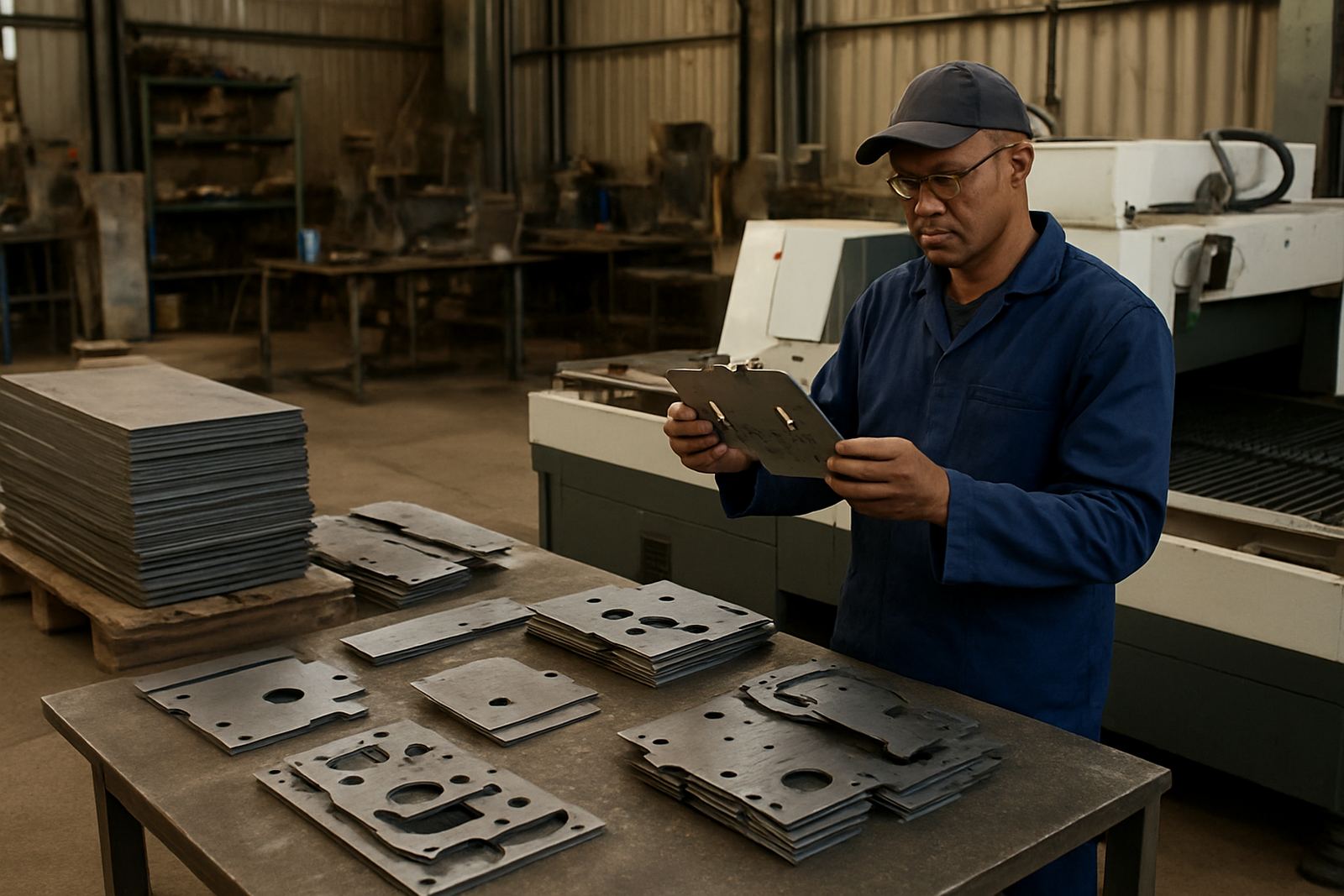
Mild steel is unforgiving when the head is out by a fraction, the nozzle is worn, or the beam is not centred properly. You see it first in slow pierce times, heavy dross on the underside, uneven kerf width, and parts that need extra grinding before they can go to the next job. For workshops working on gates, brackets, enclosures and general fabrication, those faults quickly eat into production.
We support shops that run fibre and CO2 cutters on mild steel plate from light gauge sheet through to thicker material used in fabrication yards. The usual call comes after a nozzle strike, a sudden collision, or a pattern of poor cuts that keeps coming back even after the operator has cleaned the lens and changed consumables. That is when a proper strip down and inspection helps. It finds what is actually worn, what is only dirty, and what must be replaced now instead of later.
Load-shedding, unstable compressed air and rushed shift changes often make the problem worse. A head that was only slightly off at 7 am can be producing scrap by mid afternoon if the gas path is dirty or the ceramic holder is cracked. We repair the cutting head, check alignment and test the system so you can get back to cutting without guessing.
Typical setup in a mild steel shop
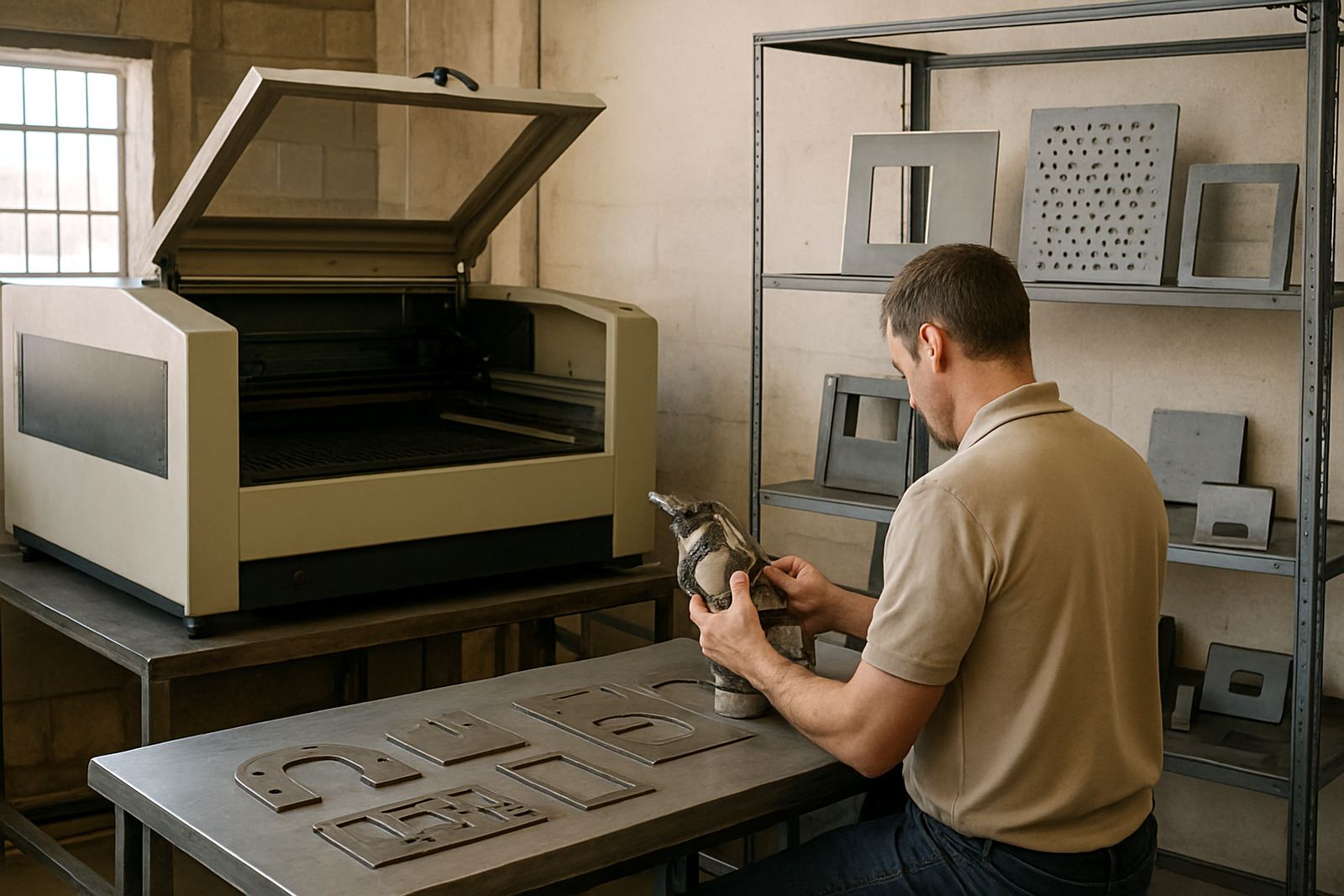
Most mild steel shops use a fibre laser for faster cutting on thinner plate and a CO2 machine where that is still part of the production mix. The common set-up includes a cutting head, nozzle stack, protective window, focusing lens, ceramic holder, sensor ring and gas path components. When any one of these parts is damaged, the machine can still run but the quality drops off quickly.
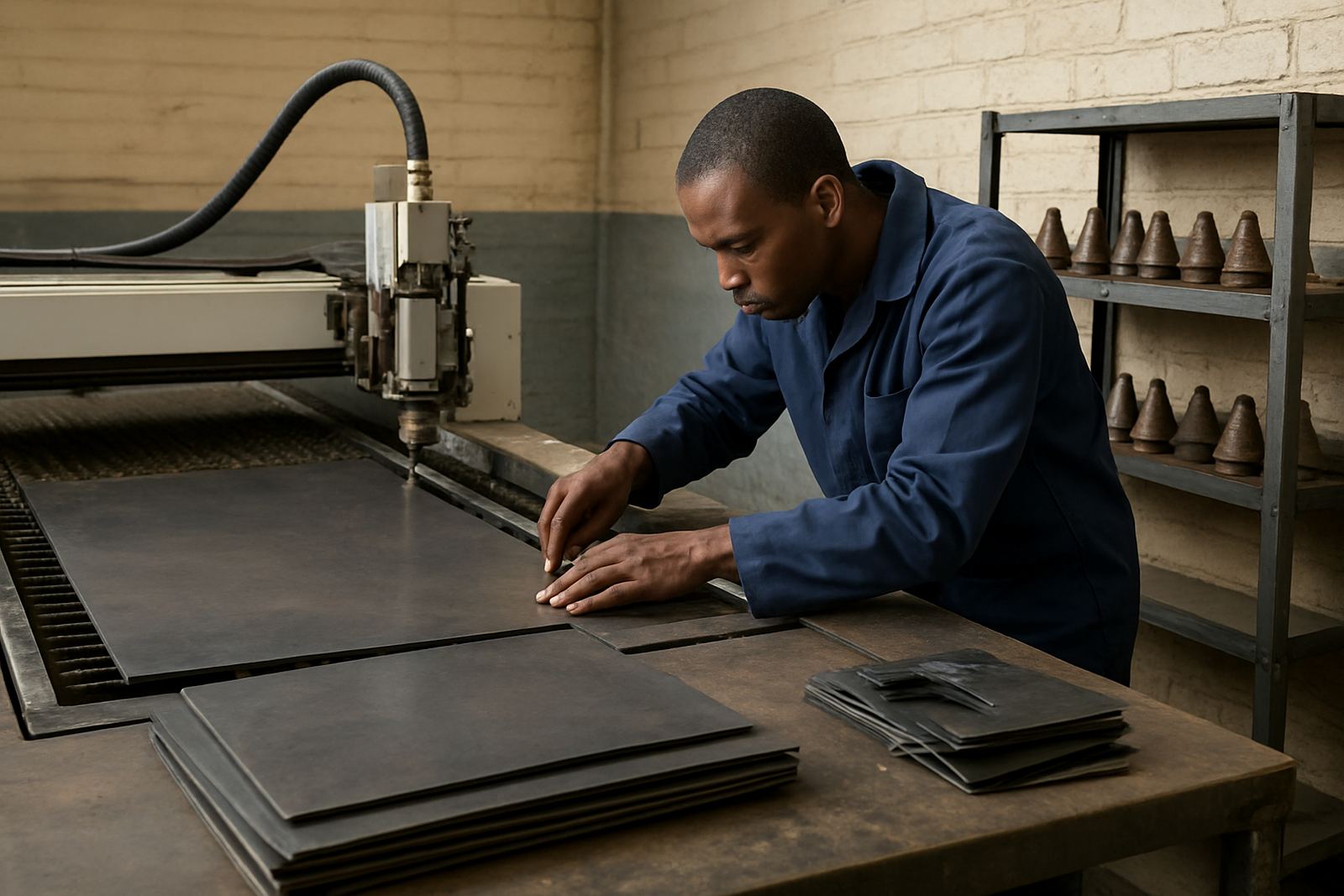
On the floor, the machine usually works alongside a compressor, gas supply, extraction, material racks and a cutting table that sees a lot of offcut handling. In Boksburg, Germiston, Kempton Park and the broader Ekurhuleni area, we often see machines working in tight factory spaces where dust, oil mist and forklift traffic all add to wear. That matters because a cutting head can fail not only from a direct collision but also from vibration, poor cleaning practices, or a leak in the gas line.
- Fibre laser cutters for faster sheet work and repeat production
- CO2 systems still used in some job shops and mixed production lines
- Cutting heads with nozzle wear, lens contamination or damaged holders
- Assist gas systems where pressure loss affects pierce quality
What to check before the machine stops completely
The best time to call for repair help is when the cut quality starts changing, not after the head has fully failed. A small fault in a nozzle seat or protective window can turn into a bigger repair if the operator keeps running through it. Mild steel jobs often hide the warning signs because the shop pushes to finish the order and only notices the problem when the dross gets worse or the pierce fails on thicker sections.
Common warning signs include a loud or uneven pierce, repeated spatter on the face of the nozzle, burn marks around the head, and a cut edge that needs more cleaning than usual. If the machine has had a bump, even a minor one, there may be internal damage that is not visible from the outside. We often find the issue after a strip and inspection, because the outside can look fine while the inside has a cracked ceramic or a misaligned internal stack.
- Change in pierce sound or pierce duration
- Heavy dross on parts that were previously clean
- More frequent nozzle changes than normal
- Protective windows failing sooner than expected
- Cut quality dropping after a collision or rough clean-up
Repair work that keeps downtime short
Our process is practical. We start with diagnosis, then strip and inspect the cutting head and related parts. If the issue is a worn nozzle seat, cracked ceramic holder, contaminated lens or damaged window, we replace what is needed and check the full gas path. If the head has taken a hit, collision damage repair and alignment checks are done before the unit goes back into service.
For shops in Johannesburg, Pretoria, Vanderbijlpark, Durban and Cape Town, we support both bench repair and on site service depending on the fault and the machine condition. Some heads can be restored in the workshop with a pressure test and return to service test. Other jobs need field attention because the machine cannot be lifted out or the production schedule will not allow a full strip on site. That is normal, and we plan around it.
We also handle parts supply for the items that wear most often, including nozzles, lenses and protective windows. Keeping these on hand matters during peak months, especially when a shop is pushing repeat mild steel orders and cannot afford to wait for consumables from far away. The aim is simple: get the head cutting properly again and keep the machine earning.
Layout and planning advice for busy shops
Good layout helps a cutter survive a hard working week. Keep the machine on a level floor, allow enough clearance around the head for safe access, and make sure the air and gas lines are protected from forklift movement and material handling. In smaller workshops, a crowded bay often leads to accidental knocks, hurried cleaning and poor access for maintenance, which is how many head faults begin.
It also helps to separate rough handling from finished machine areas. Offcuts, scale and grinding dust should not be drifting across the cutter all day. If your shop runs shifts, make sure operators know who checks the nozzle condition, who signs off a change, and who reports a bad pierce before the next batch starts. A simple routine saves money. Sounds obvious, but it gets missed when the order book is full.
For coastal work in Durban or other humid areas, protective windows and lens care become even more important because moisture and fine contamination can shorten part life. In inland areas like Boksburg, Pretoria and Vanderbijlpark, dust and heat are usually the bigger issue. Either way, the machine needs regular inspection, not just emergency repair after a stoppage.
Budget ranges for mild steel cutter repairs
Repair cost depends on the amount of damage, the make-up of the head, and whether the fault is simple wear or collision related. A basic service call may only need inspection, cleaning and a few consumables, while a head that has been struck can need several parts changed at once. We always prefer to quote against the actual condition instead of guessing from the outside.
As a working guide, smaller repair jobs can start from about R1 500 to R4 500 for inspection and light corrective work, while more involved head repairs often sit in the R4 500 to R12 000 range depending on parts and labour. If there is serious collision damage, optical replacement or multiple worn components, the budget can move higher. For planning purposes, keep a reserve for consumables and a separate reserve for unexpected damage, because mild steel production tends to reveal problems at the worst possible time.
To control costs, do not wait until the head is failing on every third part. Early intervention usually means fewer parts, less downtime and a shorter return to service. That is the cheapest route, even if it feels slower at the start.