When farm parts work piles up and the laser starts holding back
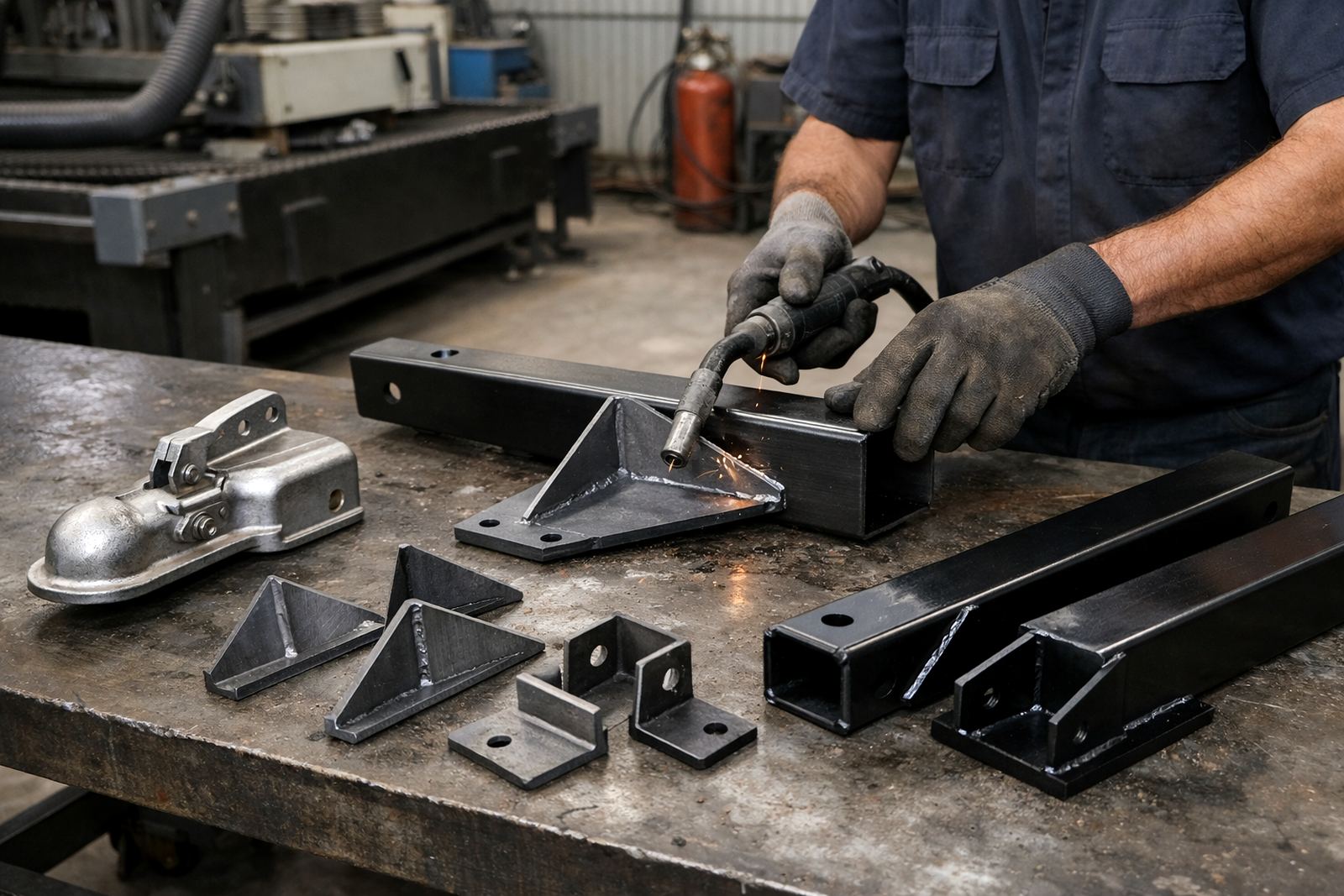
Agri equipment shops usually run a mixed job list. One hour it is 3 mm mild steel brackets for a tillage tool, next it is guards, mounting plates or a quick replacement part for a baler, planter or trailer. When the laser head starts misfiring, cutting rough, or losing focus after a knock, the whole order book feels it.
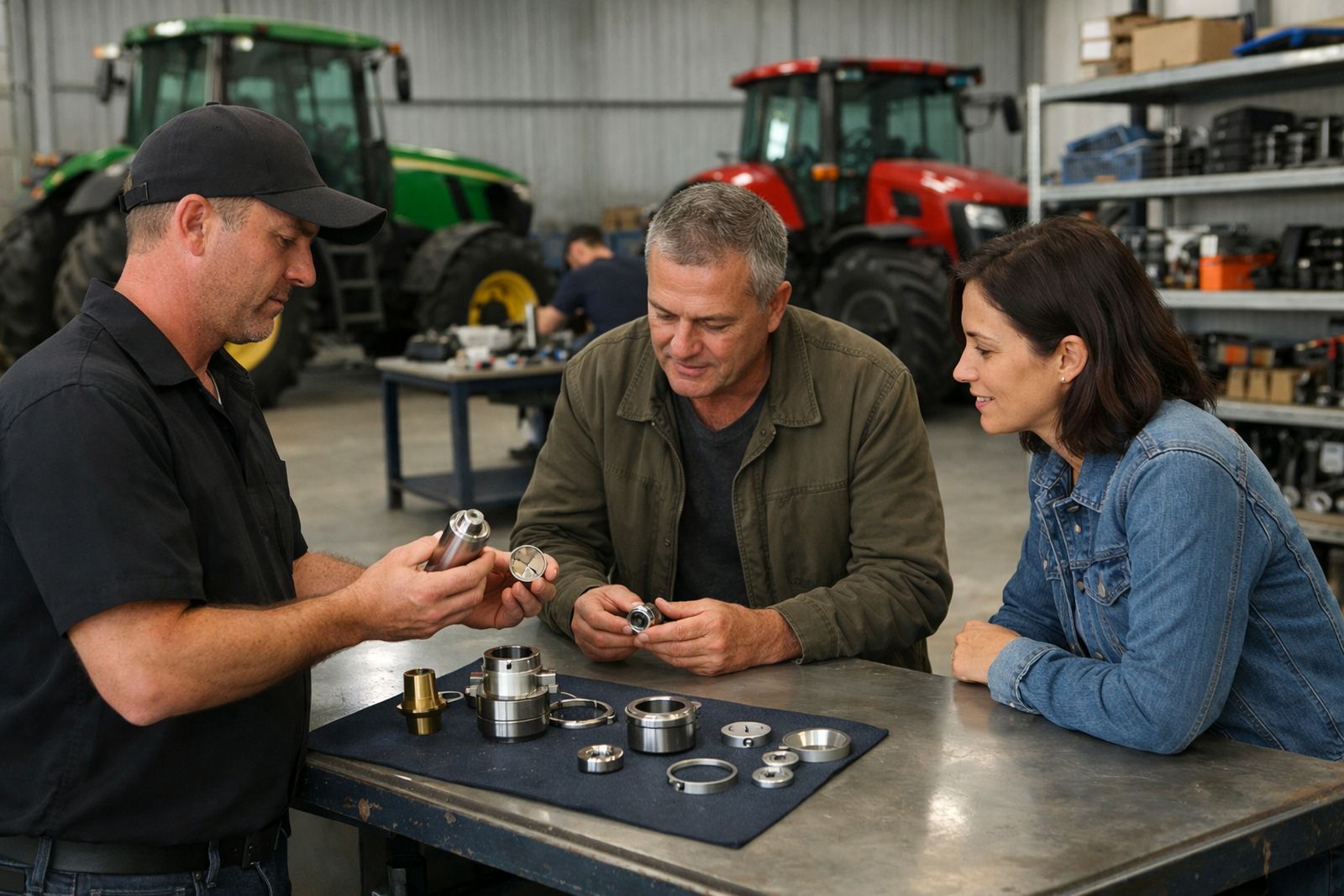
We work with shops that need a practical repair path, not a long story. If the head has taken a collision, if the lens is marked, or if the nozzle seat is worn from heavy use, we inspect it, identify what can be recovered and get the machine back into service as fast as possible. In many cases the problem is smaller than it first looks, but it still needs proper checking before the next sheet goes through.
Typical laser equipment in agri fabrication shops
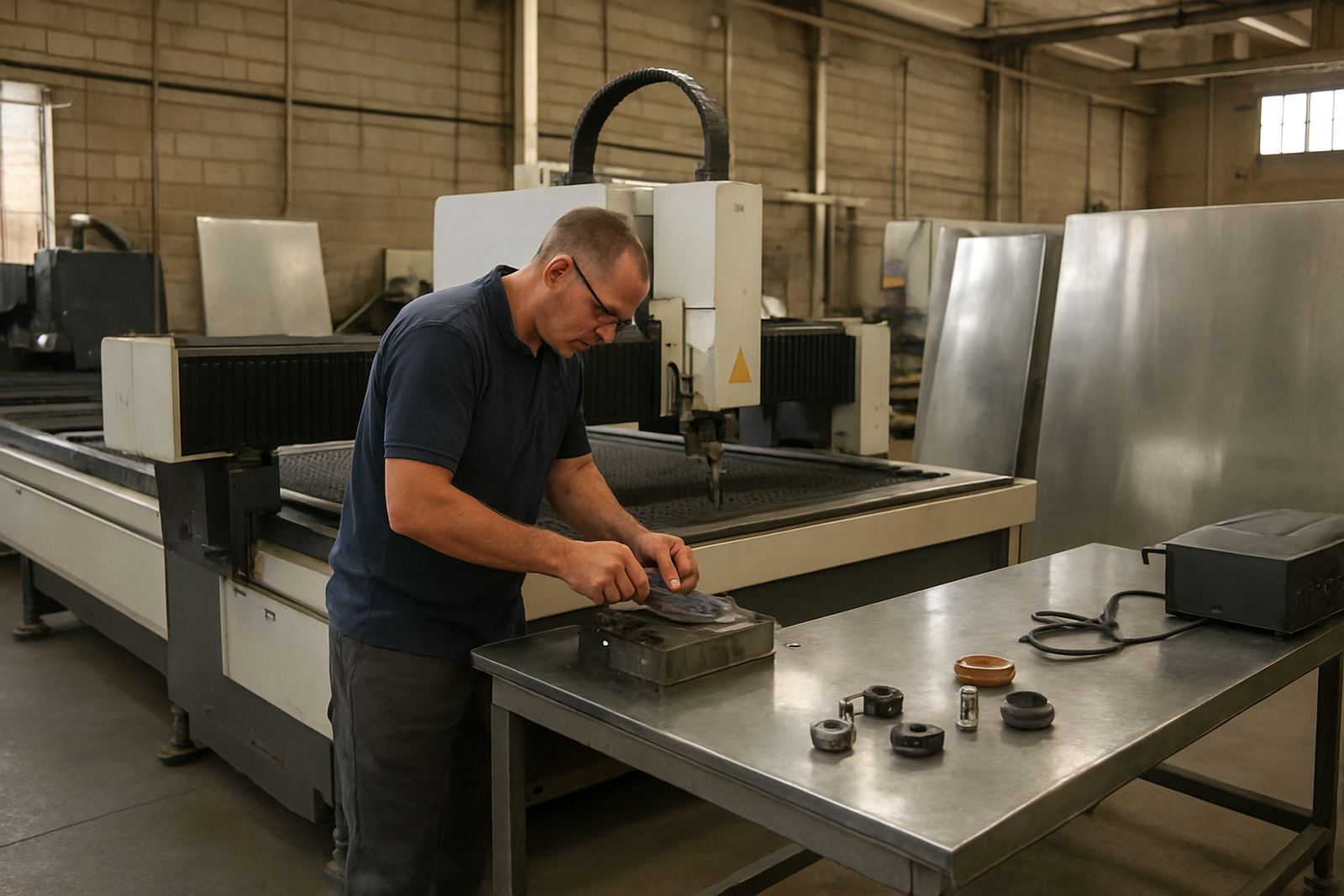
Most agri-focused workshops use fibre laser cutters for mild steel, stainless steel and galvanised parts, with some still running CO2 systems for older production lines or mixed material work. The cutting head often sees dust, scale and vibration from daily fabrication, especially where machines run near welding bays, grinders and forklift traffic. Load-shedding makes things worse because sudden stops can leave the head out of alignment or expose weak components.
Common parts and services include:
- Nozzle replacement and nozzle seat restoration
- Lens replacement and protective window replacement
- Sensor ring service and ceramic holder change
- Internal cleaning and gas path service
- Head alignment check and return to service test
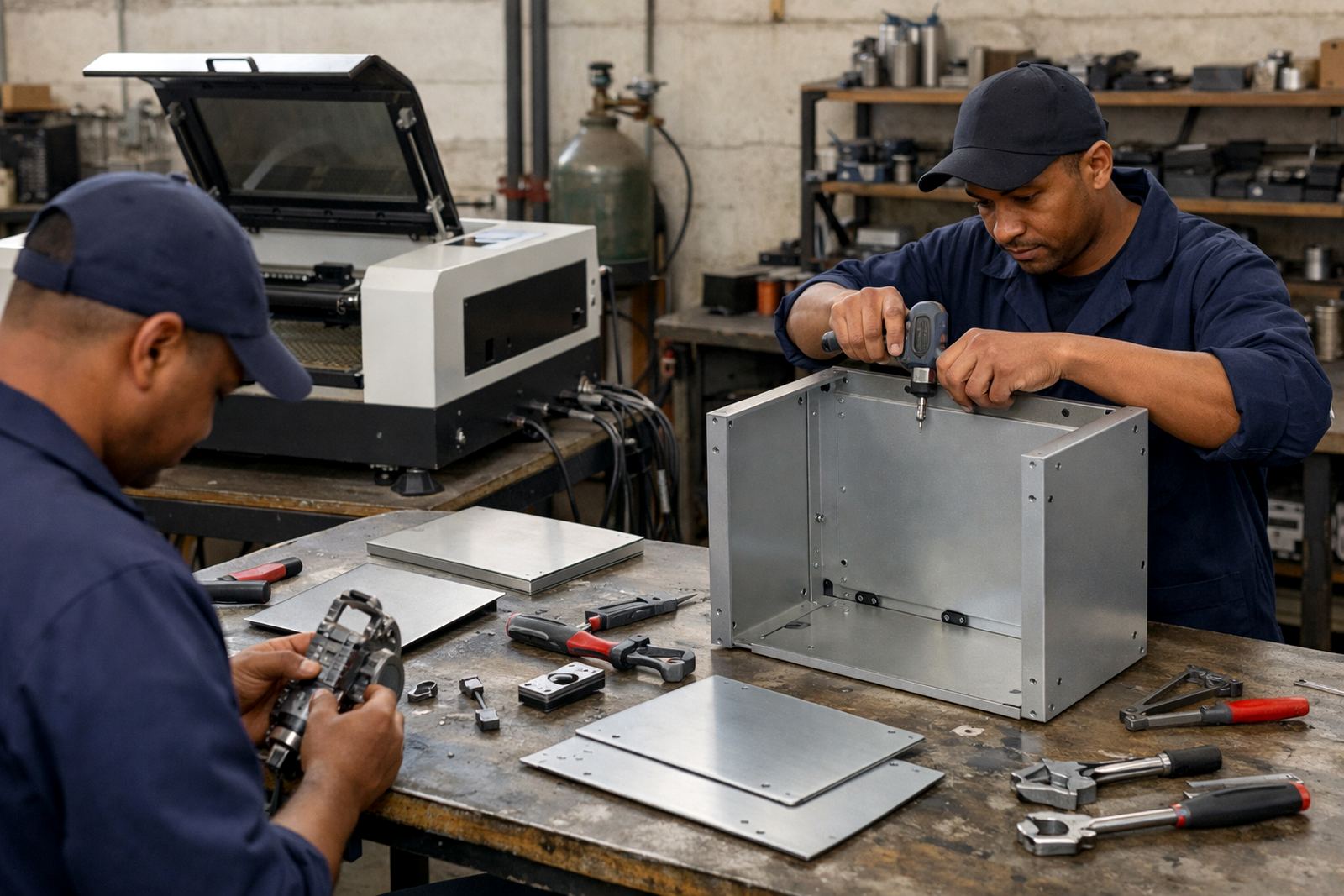
We also handle strip and inspection work when the fault is not obvious. That helps confirm whether the issue is a worn consumable, a collision fault, or damage deeper in the cutting head.
Layout advice for a shop that cuts, welds and repairs in one space
If you are planning a laser work area for agri parts, give the machine some breathing room. Keep the cutter away from grinding dust, welding spatter and open oil drums. Even a good extractor cannot catch every bit of contamination, and fine dust builds up fast around optics, sensors and moving parts. A floor that stays cleaner makes a real difference to head life and cut quality.
For smaller shops in Boksburg, Johannesburg, Pretoria or Vanderbijlpark, the best setup is usually a simple flow: raw sheet near the loader, cut parts moving straight to deburring, then to bend or weld. Try to keep the machine operator from doubling as the material handler all day, because rushed loading is where many head collisions happen.
- Leave enough space for sheet loading and safe side access
- Separate grinding and cutting areas where possible
- Keep spare lenses, nozzles and windows in sealed storage
- Use a dry, dust controlled room if the machine is inside
The common mistakes that cost agri shops money
We often see the same issues repeat. People keep running a head after a minor collision because the machine is still cutting, then the damage spreads to the lens, window and ceramic holder. Another mistake is fitting consumables and hoping for the best without checking the gas path or the alignment, which can leave burrs and poor edge quality on every part.
Some shops wait too long because they think a machine must be completely down before calling for help. That is usually when a small repair becomes a longer one. If the cut starts showing dross, the head makes unusual noise, or the sensor ring keeps faulting, it is better to stop and inspect the issue properly. A half day of prevention can save a full day of lost production, and sometimes a very expensive head change.
Repair support that fits Johannesburg, Pretoria and coastal work
Our support is set up for South African workshops that need action, not admin. From Boksburg we assist clients in Germiston, Kempton Park, Johannesburg, Pretoria, Vanderbijlpark, Durban and Cape Town. For some faults, we can repair the head on site. For others, the safer route is bench repair, pressure testing and a return to service check before the unit goes back on the machine.
Coastal humidity in Durban and parts of Cape Town can shorten the life of optics and internal components if the machine room is not controlled. In those cases we pay close attention to seals, contamination and any sign of moisture ingress. For inland workshops, heat and dust are often the bigger problem, especially where the machine runs close to fabricating and assembly bays.
Budget ranges for agri equipment shops
The right budget depends on what is damaged and whether the machine needs consumables only, or a full head repair. A simple strip and inspection is usually the least expensive starting point. If the issue is limited to a nozzle seat, lens, or protective window, the cost stays fairly contained. Once collision damage reaches the sensor ring, ceramic holder or alignment components, the price rises because more labour and testing are needed.
As a working guide, many agri equipment shops should allow for small repair jobs from around R1,500 to R4,500, medium repairs from about R5,000 to R12,000, and more serious head rebuilds or complex fault finding from R12,000 upward. A full bench repair on a badly damaged head can go higher than that, depending on parts availability and the machine type. The best way to control spend is to call early, before wear turns into a bigger fault.