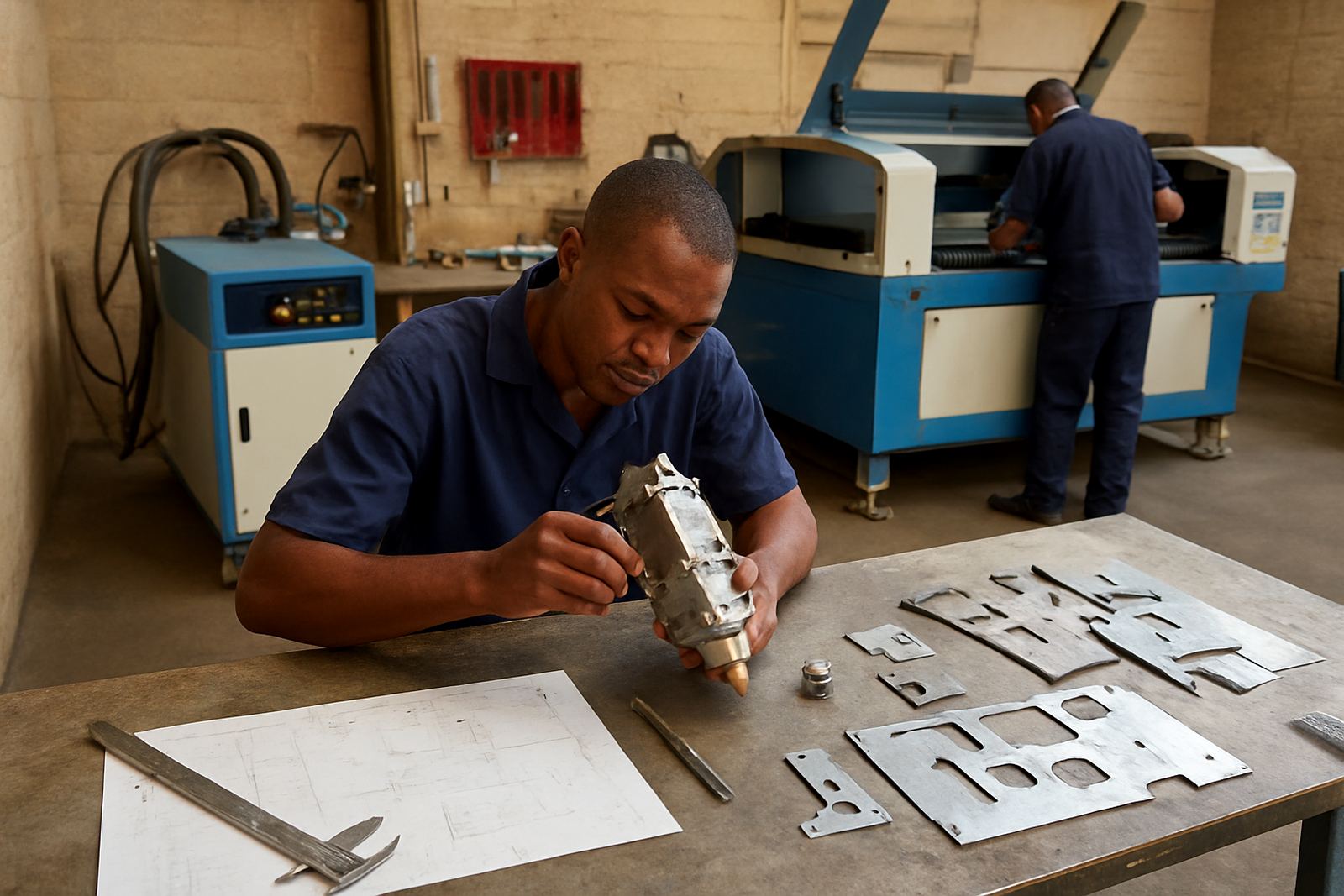

When stainless cutting starts giving poor edges
Stainless workshops usually spot trouble early. The cut face looks dull, the dross gets heavier, the start point burns up, or the head begins leaving marks that were not there last week. In many cases the machine is still running, but the cutting head has drifted out of tolerance after a light collision, worn consumables, or contamination in the gas path. On fibre systems, even a small issue with the nozzle seat or protective window can affect edge quality fast.
Laser Ray Tools supports shops in Boksburg, Johannesburg, Pretoria, Vanderbijlpark, Durban and Cape Town that need the machine back on stainless without a long stoppage. We inspect the head, test key parts and repair the damage before it spreads into the lens stack or ceramic holder. It saves a lot of rand when the fault is caught early rather than after a failed batch of 2 mm or 3 mm stainless sheet.
Typical equipment found in stainless jobs
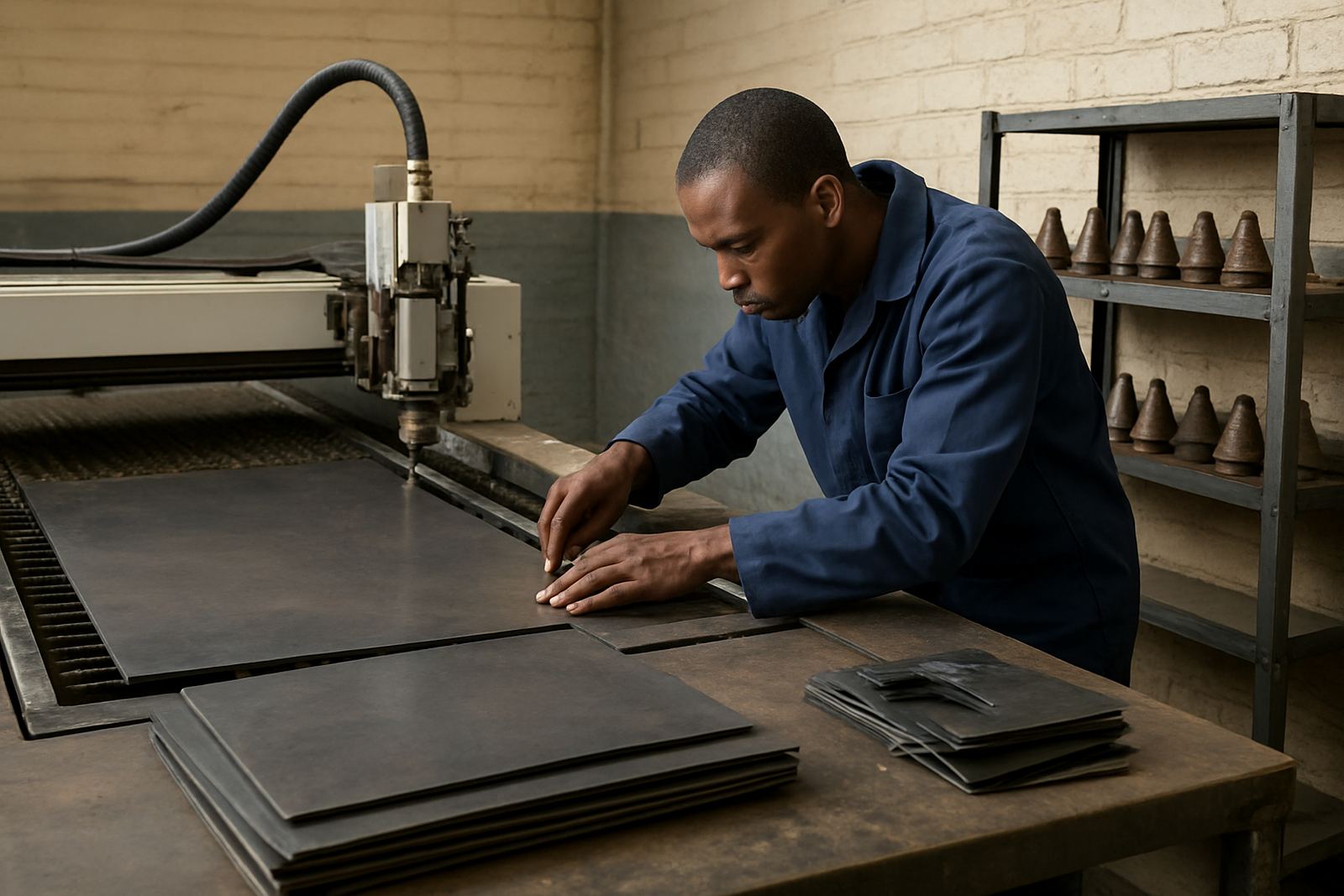
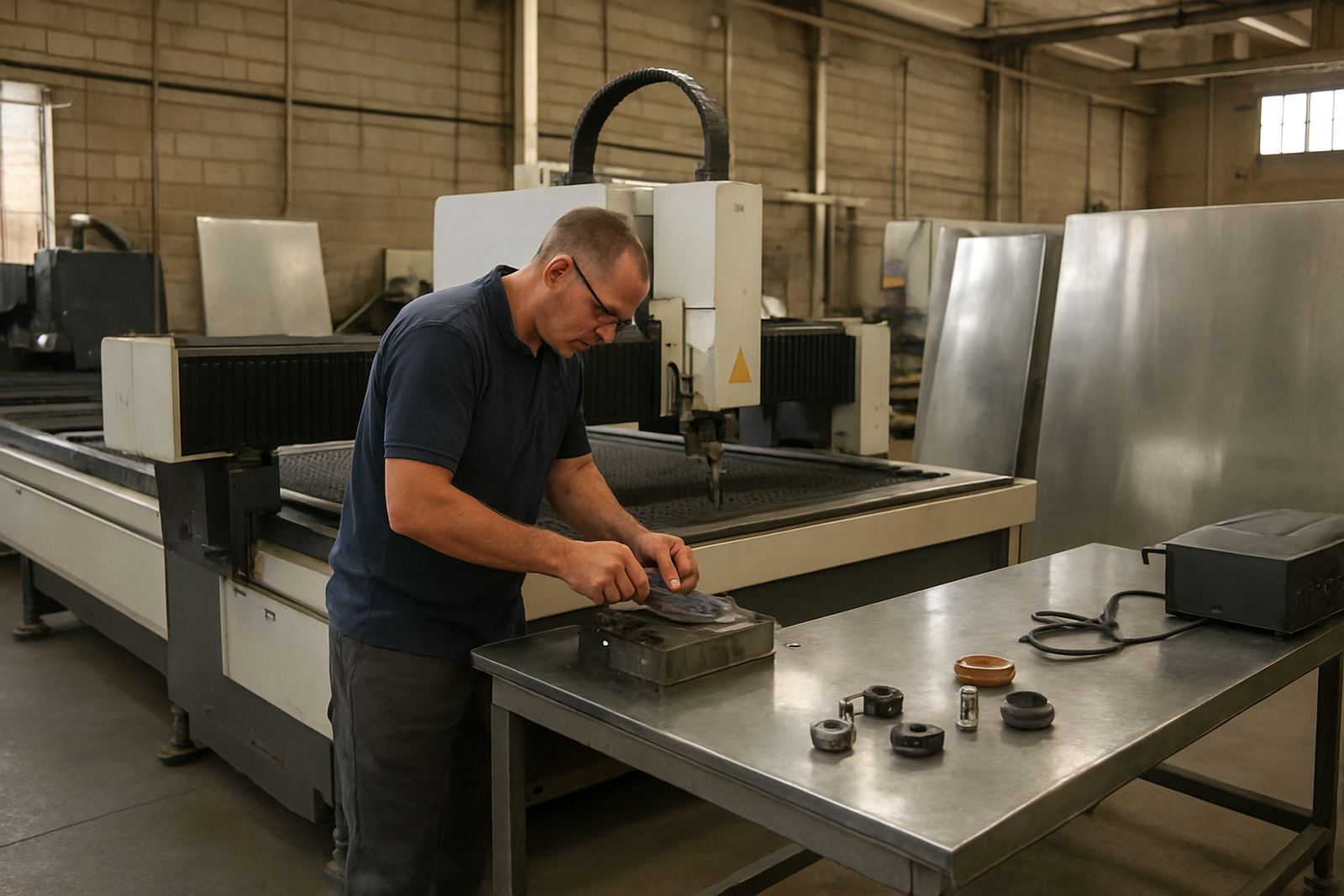
A stainless cutting line in South Africa is usually a fibre laser cutting machine with a dedicated cutting head, compressed air or nitrogen supply, and a table set up for repeated sheet work. Some sites still run CO2 systems for older jobs, especially where the machine has been in service for years and the workshop is not ready to replace it yet. In both cases, the head must stay clean and square. If the optics move out of line, your cut consistency changes right away.
- Fibre laser machines used for sheet and plate work
- CO2 laser machines still in service on older production lines
- Cutting heads with nozzles, lenses, windows and sensor rings
- Gas lines, regulators and assist gas setup for nitrogen or air
- Spare ceramic holders, seals and nozzle parts for routine changeouts
For stainless, the gas setup matters as much as the head. A small pressure drop, a dirty line or a poor seal can show up as rough edges and heavy burrs. That is why our checks cover both the mechanical side and the gas path, not just the optics.
Layout and planning advice for cleaner cuts
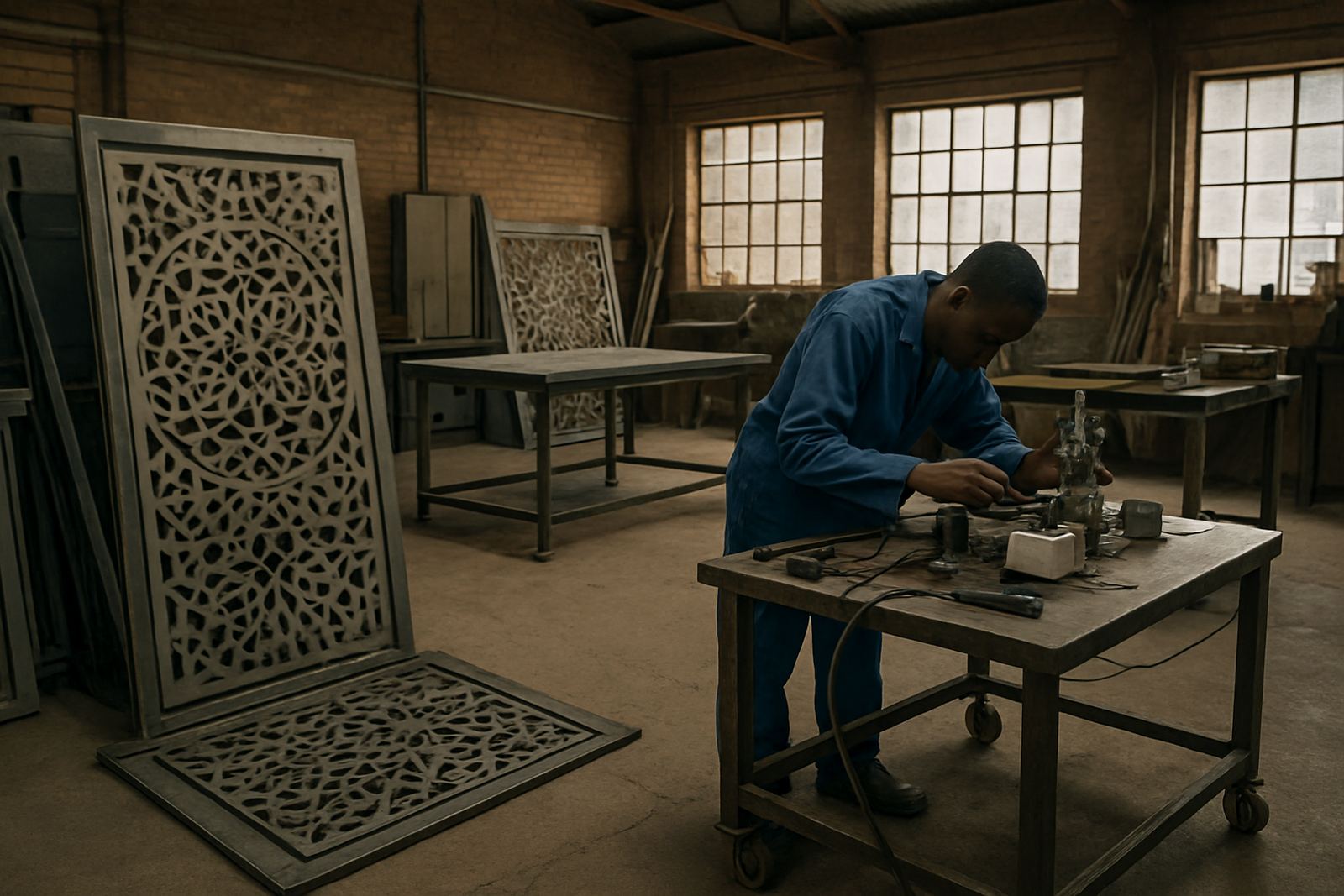
If your workshop cuts stainless every day, place the laser machine where dust, grinding swarf and forklift traffic are kept away from the cutting zone. Keep the assist gas bottles or bulk supply close enough for practical hose runs, but not where they will be knocked by sheet handling. In coastal areas like Durban, humidity control matters too because moisture in the air can settle on optics and electrical parts quicker than many teams expect.
Plan for regular access around the cutting head, the chiller and the service side of the machine. A cramped bay slows down lens changes and inspection work. Leave space for safe loading of 3 m sheet, offcut removal and a proper clean down after shifts. Where load-shedding is part of the day, fit the machine into your backup plan so you can cool down safely and avoid a bad shutdown that leaves the head out of line.
- Keep the head area clear for inspection and nozzle changeouts
- Store spare windows, lenses and nozzles in a dry cabinet
- Use a clean path for sheet loading to reduce dust in the machine bay
- Check gas supply stability before long stainless batches
Common mistakes that shorten laser uptime
One common mistake is carrying on after a minor collision. The machine may still cut, but the nozzle seat can be damaged and the beam may no longer enter cleanly. Another is ignoring the first sign of dirty optics. A stained window or lens often leads to overheating, then the cost jumps from a simple replacement to a full head service. We also see workshops leave sensors unchecked after a crash, which can cause false readings and repeated stoppages.
Some teams try to clean critical parts with the wrong materials or too much force. That can scratch the window and make the problem worse. Others keep running with uneven gas pressure, especially on busy jobs where the priority is to finish the batch. It usually ends with more rework, extra consumables and unhappy customers. A quick bench test after any issue is often cheaper than waiting until the next shift to see what failed.
Repair services for stainless focused production
Our service work for stainless environments covers the full head condition, from strip and inspection through to return to service test. If the cutting head has suffered a collision, we assess the nozzle seat, ceramic holder, sensor ring and internal alignment before fitting parts. If the issue is contamination, we clean the internal paths, replace worn windows and lenses, then confirm that the beam path is stable again. Bench pressure test work helps confirm gas flow and sealing before the unit goes back into production.
- Strip and inspection of the cutting head
- Collision damage repair and alignment checks
- Nozzle seat restoration and ceramic holder change
- Lens replacement and protective window replacement
- Sensor ring service and gas path service
- Bench pressure test and return to service test
We support both on-site and bench repair, depending on the fault and the machine access. For some stainless jobs, a field visit is the fastest route. For deeper damage, bench repair gives a cleaner result and better traceability before the head goes back into duty.
Budget ranges in Rand for stainless workshop support
Most workshops want a straight view of likely cost before they send a machine out of production. For minor service work like inspection, cleaning and basic consumables, budget around R1,500 to R4,500 depending on the parts used and travel. If the job includes nozzle seat restoration, lens replacement or sensor related work, many sites should allow R4,500 to R12,000. A serious collision repair or a head with several worn components can move higher, especially if the damage has spread into more than one section of the assembly.
For shops running repeat stainless work, that spend is usually easier to manage than lost cutting time and scrap. A stopped laser can hold up fabrication, signage deadlines and delivery slots all at once. We keep the focus on restoring the machine in practical steps so you know what is worth repairing and what must be replaced. In many cases, the right fix is a targeted one, not a full overhaul.
Clients in Boksburg and the wider Ekurhuleni area often want the fastest turn around, while plants in Durban or Cape Town may prefer a planned bench repair with courier collection. Either way, the aim is the same: stable cutting, clean stainless edges and less down time.