When a fence job is waiting and the head is not cutting cleanly
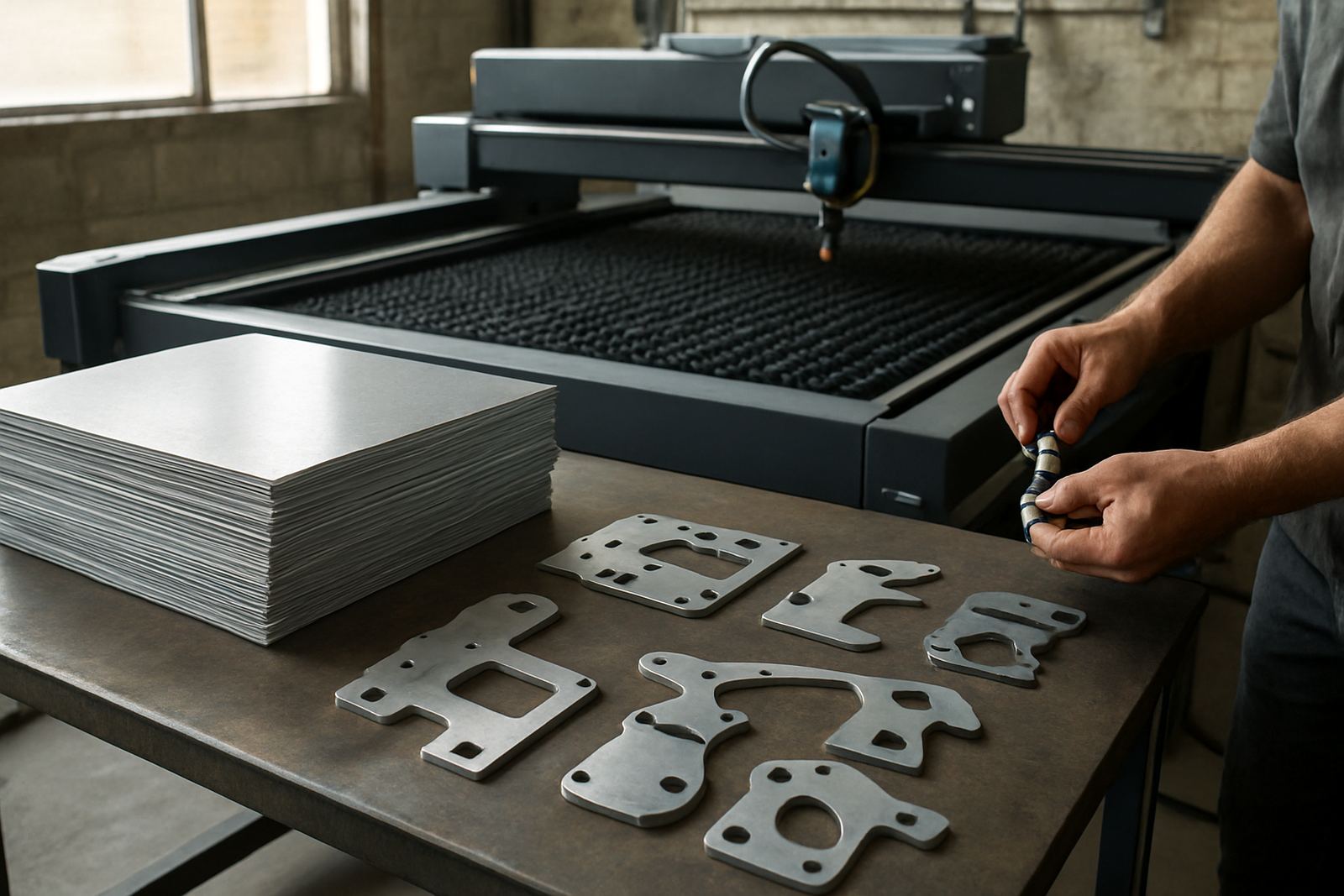
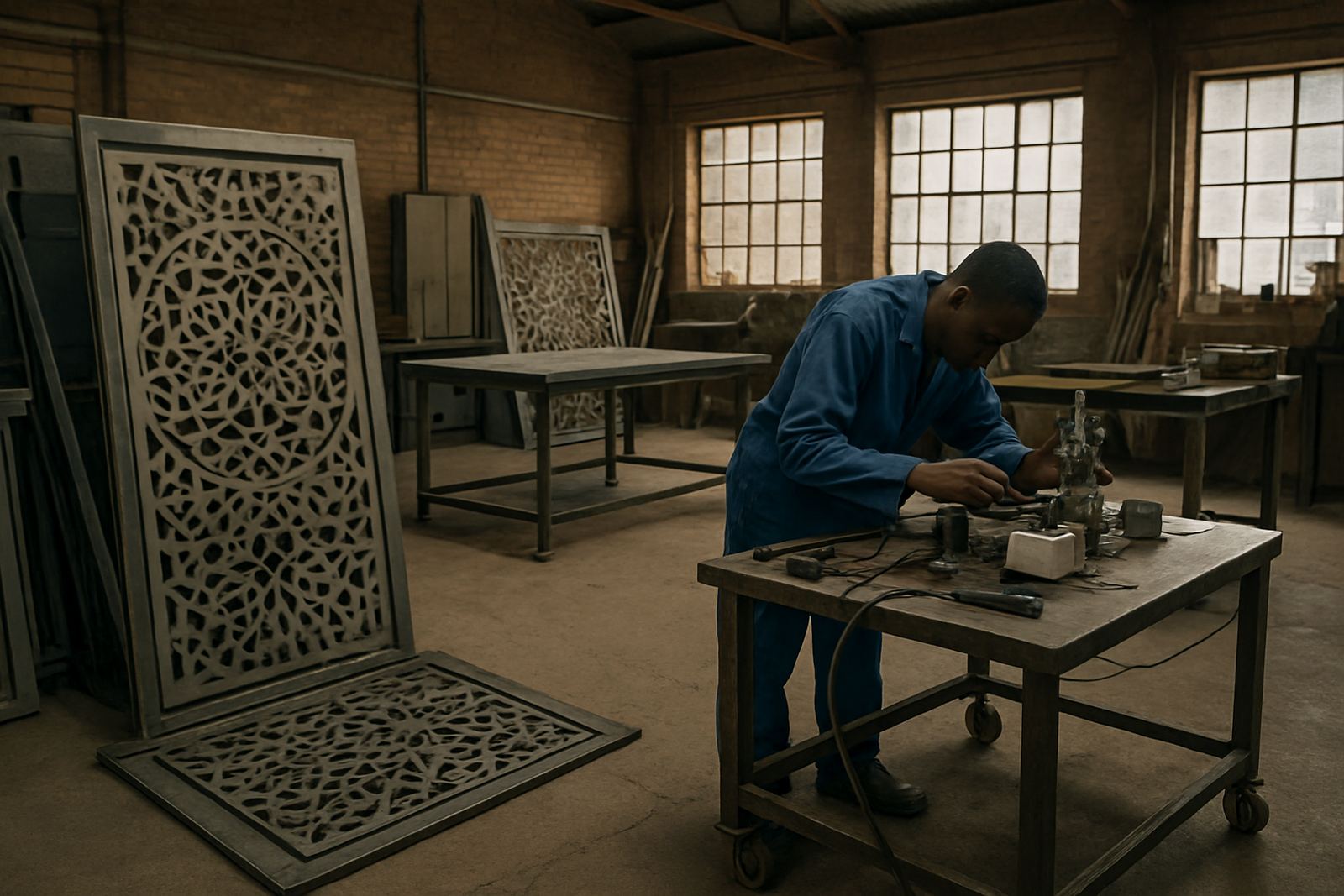
Gate and fence shops often run a mixed workload: decorative infill panels, security toppers, hinge plates, brackets, gate frames and repeat cut parts for installers. A small fault in the laser head can throw all of that off. You might see dross on mild steel, wider kerf than normal, burn marks on stainless, or a machine that starts cutting then loses focus halfway through a sheet.
For workshops in Boksburg, Johannesburg, Pretoria, Vanderbijlpark, Durban and Cape Town, downtime is expensive because the same machine may be feeding production for railings, palisade infill, sliding gates and custom panels. If the nozzle is damaged, the lens is marked, or the head has taken a knock after a sheet shift, the problem usually shows up quickly in the finished work.
Laser Ray Tools repairs fibre and CO2 laser machines and cutting heads for this kind of production. The focus is practical: diagnosis, parts supply, strip and inspect work, and getting the cutter back on the table with as little delay as possible.
Typical equipment in a gate and fence fabrication shop
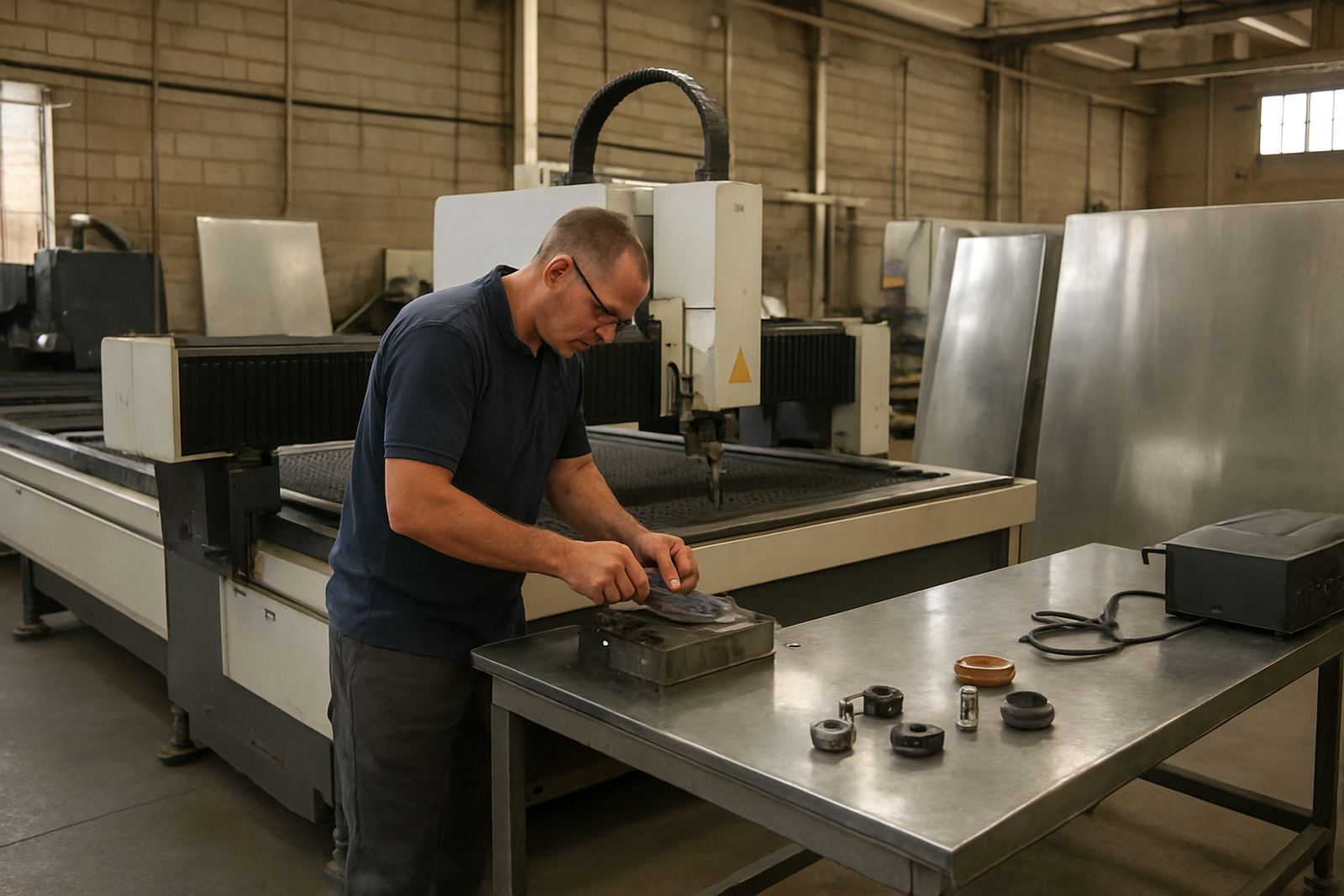
Most workshops in this space use a fibre laser for mild steel, galvanised sheet and stainless plate, with CO2 systems still common in some mixed-use shops. The machine is often paired with a nesting table, compressed air supply, assist gas setup and a team that moves between laser cutting, bending and welding. A head problem can affect more than one job run, especially where parts are batch cut for installers and municipal work.
Common items we see needing attention include worn nozzles, dirty protective windows, damaged ceramic holders, sensor ring faults and alignment drift after a collision. In humid coastal areas like Durban, optics and internal surfaces can also suffer faster if the machine room is not kept clean and dry.
- Fibre laser cutters used for gates, fence infill and security plates
- CO2 laser machines in mixed fabrication shops
- Cutting heads with collision damage or poor beam focus
- Consumables such as nozzles, lenses and protective windows
- Heads that need internal cleaning, alignment checks or pressure testing
Layout and planning advice for better uptime
Gate and fence shops usually work better when the laser area is planned around fast part movement and easy access to the head, gas lines and consumables. Keep spare nozzles, lenses and protective windows close to the machine, but sealed from dust and grinding sparks. If your shop handles grinding and welding in the same bay, separate those processes as much as possible because fine steel dust finds its way into optics and air paths.
Load-shedding planning matters too. If the laser is stopped mid-run, the restart sequence and head condition should be checked before the next cut. A stable power supply, clean compressed air and routine cleaning of the cutting head help avoid repeat faults. In Ekurhuleni and Germiston industrial areas, many shops also need to plan around tight delivery windows and limited floor space, so a bench repair option can save time when the machine cannot be switched off for long.
Where possible, keep a simple log of cut quality, nozzle changes and any crash events. That record makes diagnosis quicker and helps spot a slow decline before it turns into a full stoppage.
Common mistakes that cost time and money
Many gate and fence shops push on with a worn lens or a slightly damaged nozzle because the machine is still cutting. That can waste sheets, spoil expensive stainless work and put extra strain on the head. Another common mistake is replacing random parts without checking the beam path, sensor ring and seat alignment first. The result is often the same fault coming back next week.
It is also easy to overlook the effect of the workplace itself. Doors left open, grinding nearby and dust settling on optics all shorten service life. In workshop spaces around Kempton Park and Pretoria, we often see heads that have been cleaned only on the outside while the internal path has not been checked at all.
- Running with a damaged nozzle until cut quality drops badly
- Changing lenses before checking the full beam path
- Ignoring a minor head collision after sheet movement
- Keeping optics in a dusty area near grinding and welding
- Skipping a return to service test after repair
What repair support usually includes
Support starts with strip and inspection, then moves into the exact fault. That can include collision damage repair, nozzle seat restoration, lens replacement, protective window replacement, sensor ring service, ceramic holder change, internal cleaning and gas path service. If the head is out of line, a head alignment check and bench pressure test help confirm that it is fit to go back to work.
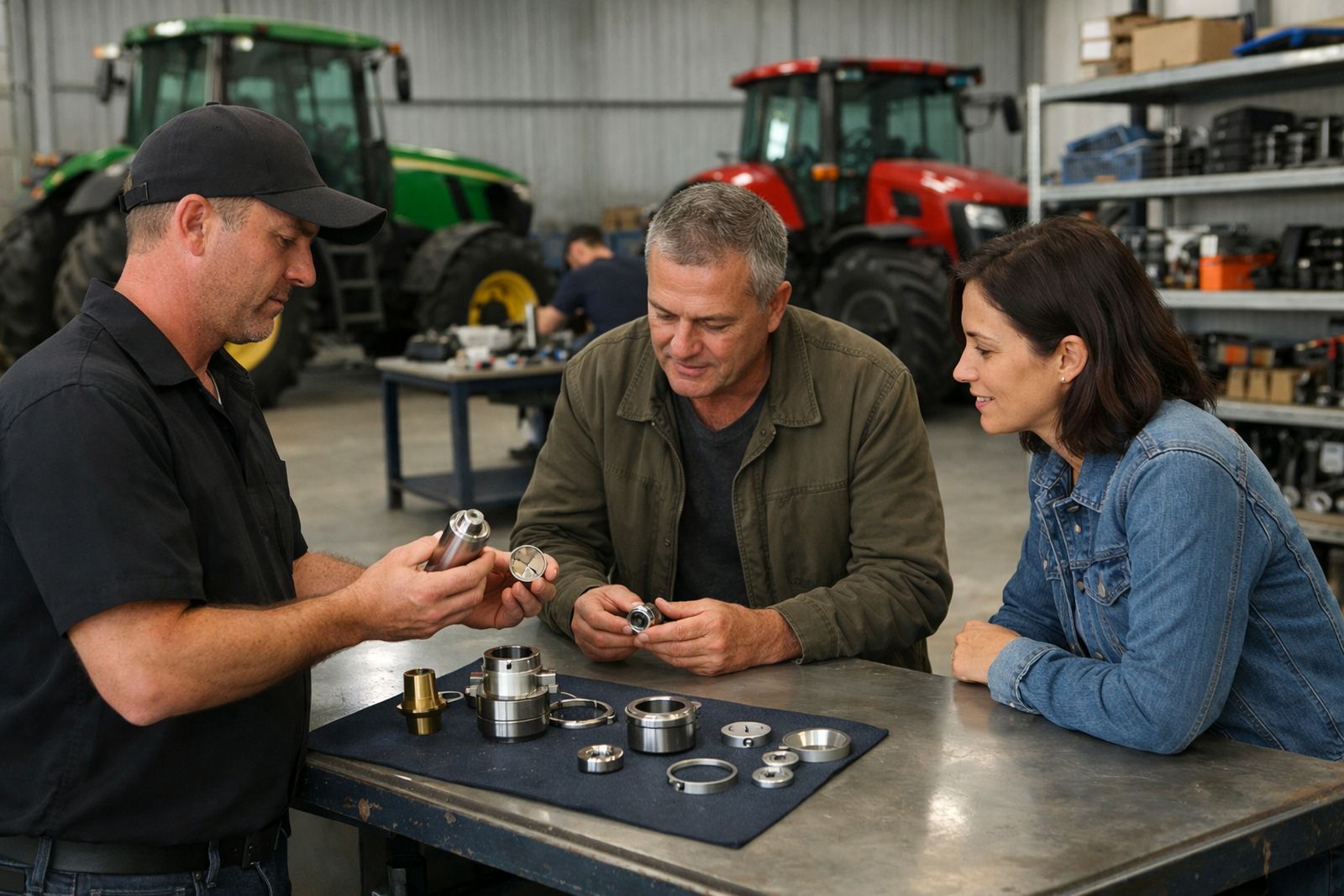
For some jobs we can repair on site, especially when a quick diagnosis is needed and the machine room allows safe access. For deeper work, a bench repair is often better because it gives the technician room to inspect parts properly and test the head under controlled conditions. Before return, a return to service test is done so the workshop knows the cutter is ready for production again.
That approach suits job shops and metal fabricators that cannot afford to lose a day on one faulty cutting head.
Budget ranges for gate and fence workshops
Repair cost depends on the make of the head, the amount of damage and whether the fault is limited to consumables or has moved into the body of the cutting head. A simple inspection and consumable replacement can be modest, while collision repairs and optical parts push the cost higher. For many workshops, the sensible question is not only what the repair costs, but what the missed production will cost if the machine stays down.
As a working guide, smaller service jobs for gate and fence shops may start from a few thousand Rand, while more involved head repairs and parts replacement can move into the mid to higher tens of thousands, depending on what is damaged. If a machine needs repeated visits because the root fault was not found, the total climbs quickly. That is why the first diagnosis matters.
Laser Ray Tools serves customers across South Africa from Boksburg, with support for Johannesburg, Pretoria, Vanderbijlpark, Durban and Cape Town. Gate and fence workshops use us when they need a practical answer, not a sales pitch.