

Choose the right guide for the fault you are seeing
Not every cut problem means a major repair. Some issues come from a worn nozzle, dirty lens, moisture in the gas path, or a head that took a light knock during loading and unloading. Other faults point to deeper damage inside the cutting head, and then a bench inspection is the better choice.
Use these guides to narrow the problem before you take production offline. If your parts are cutting clean on Monday and leaving dross by Wednesday, look at wear items first. If the machine has had a collision, if the head is scraping the plate, or if the beam is unstable after a power interruption, the repair path changes quickly.
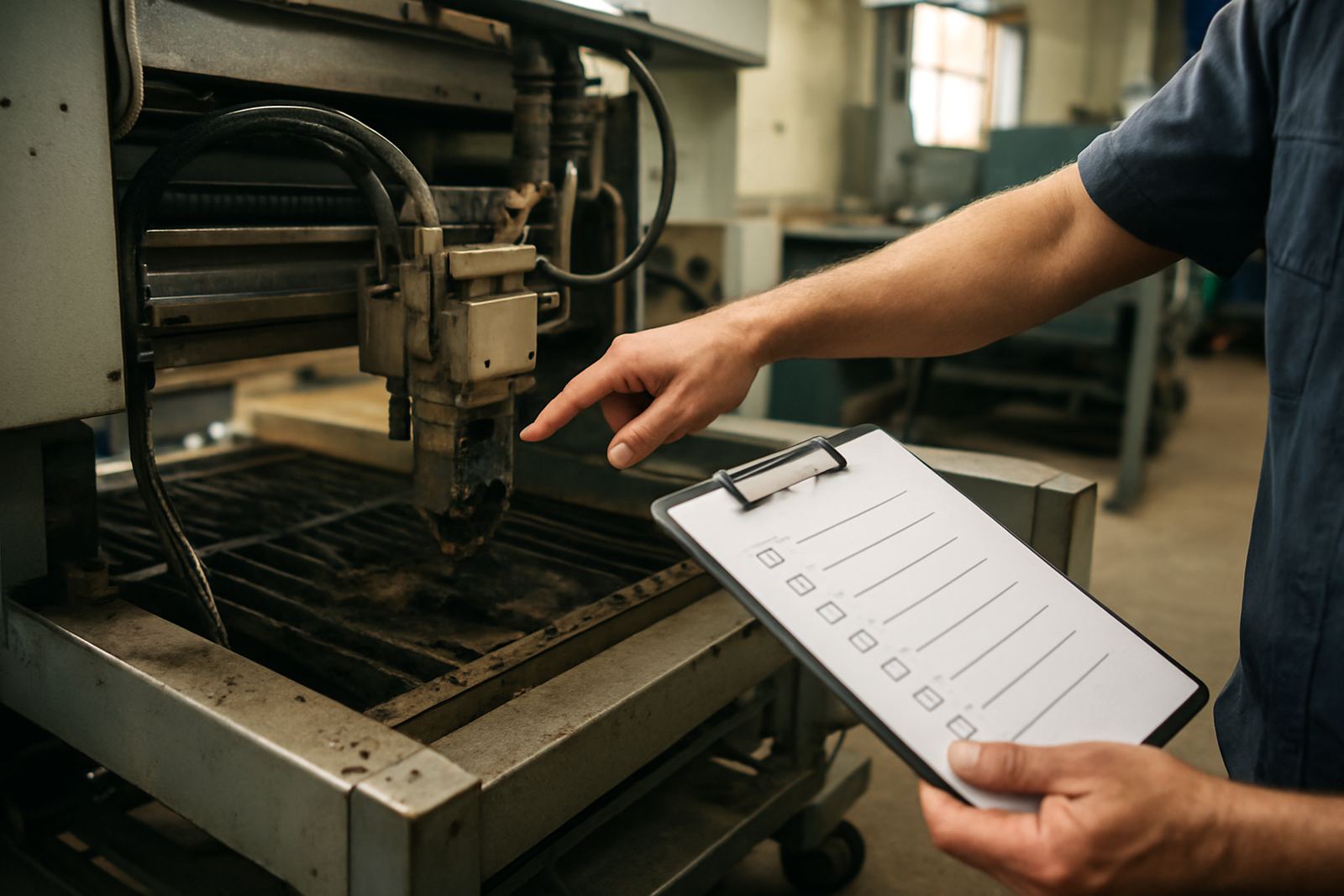
What to check before the head comes out of service
A proper first check saves time. Operators in Boksburg, Germiston and Kempton Park often lose a shift chasing the wrong fault, when a short inspection would have shown the real cause. Start with the visible items, then move into alignment and pressure checks.
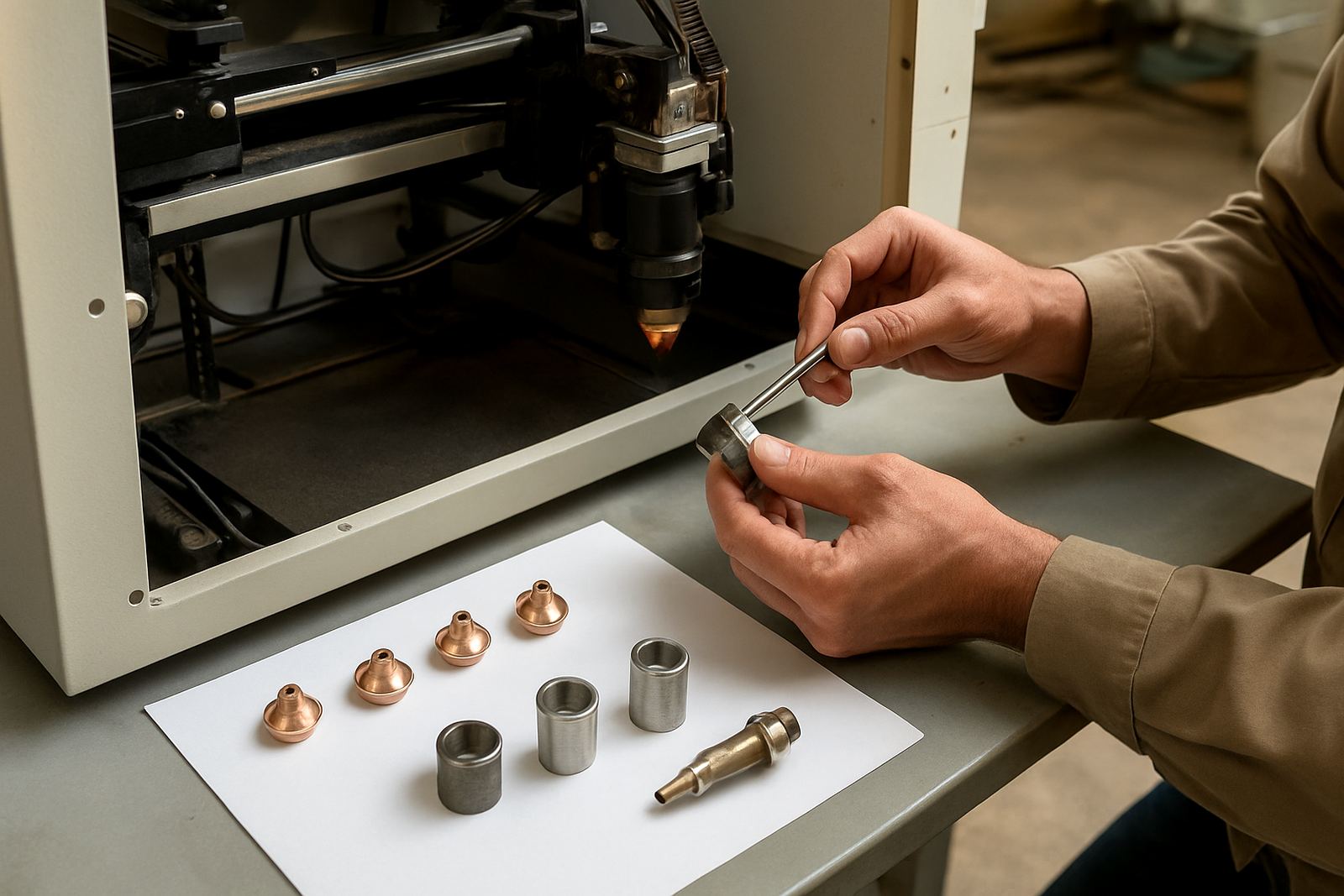
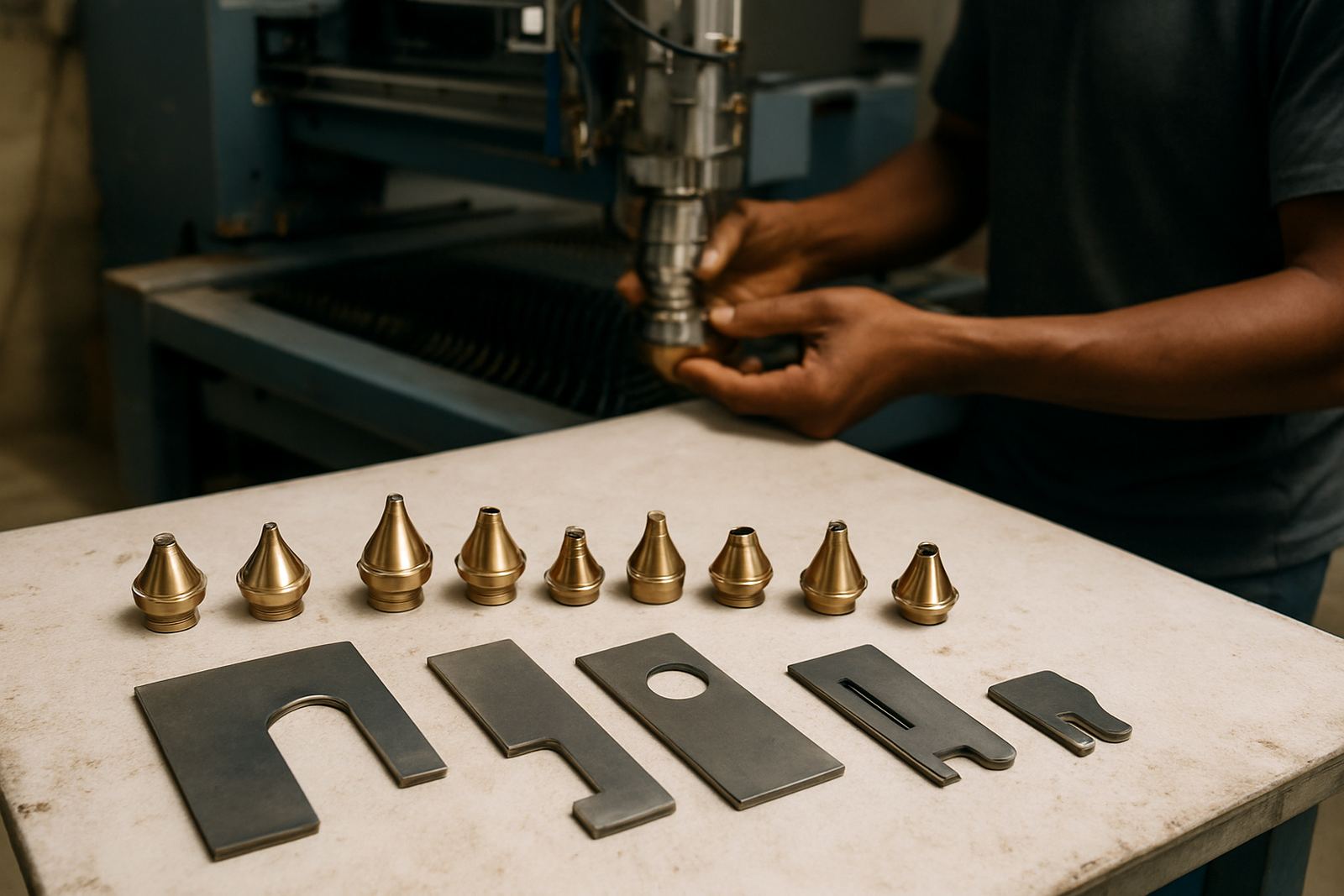
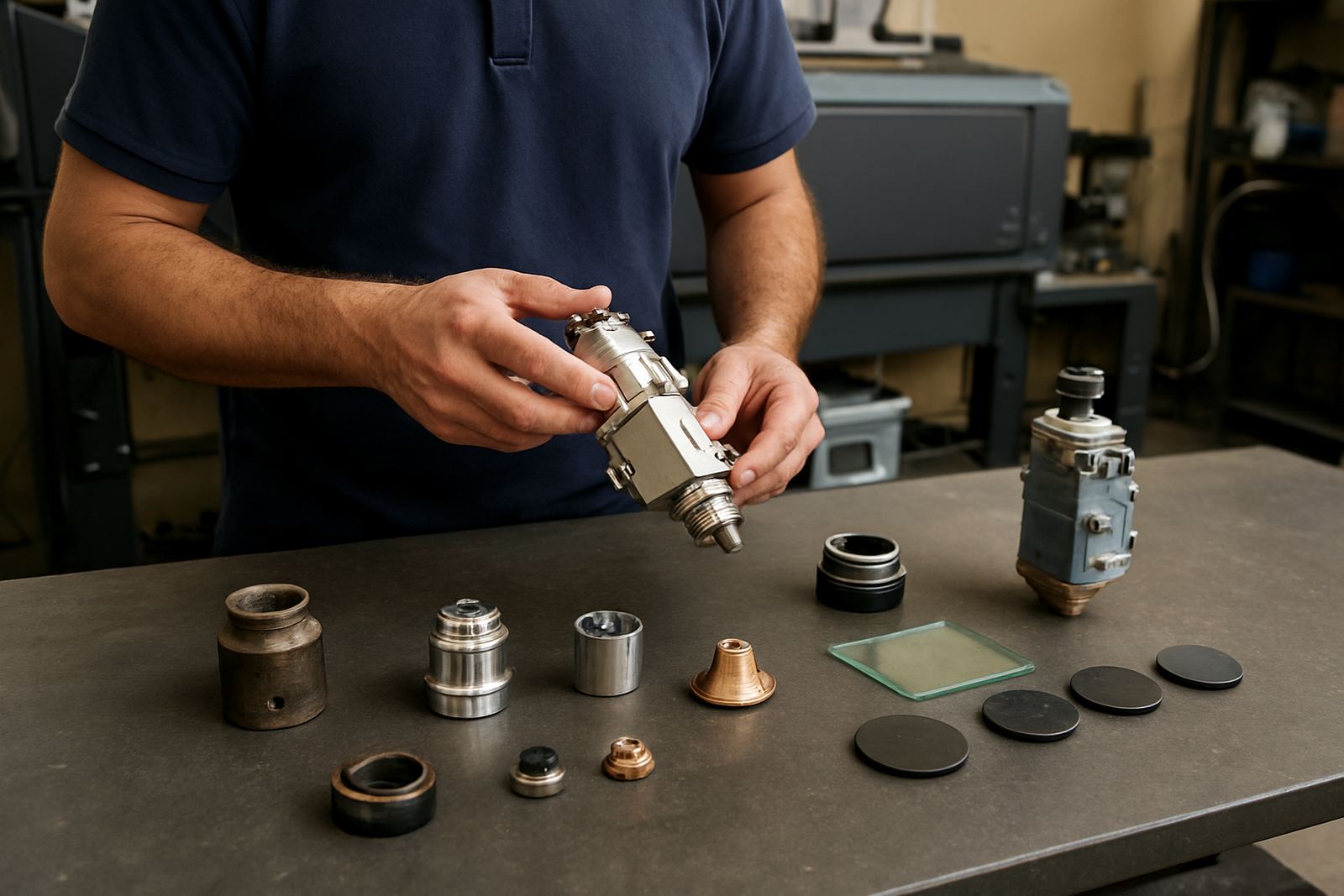
- Inspect the nozzle for spatter, burn marks and oval wear.
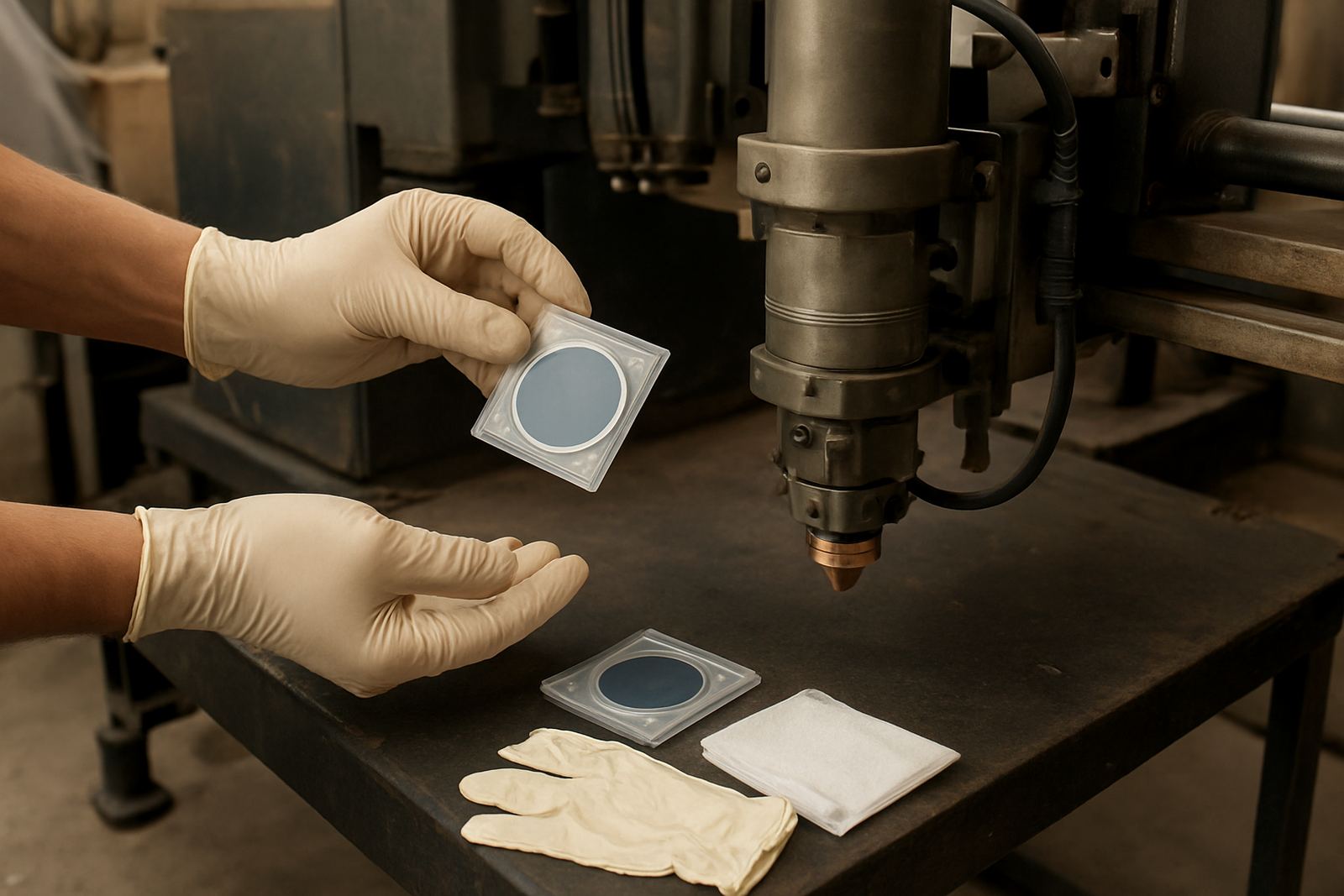
- Check the protective window for clouding, pits or heat spots.
- Look at the lens for contamination, chips and edge damage.
- Confirm the ceramic holder is not cracked or loose.
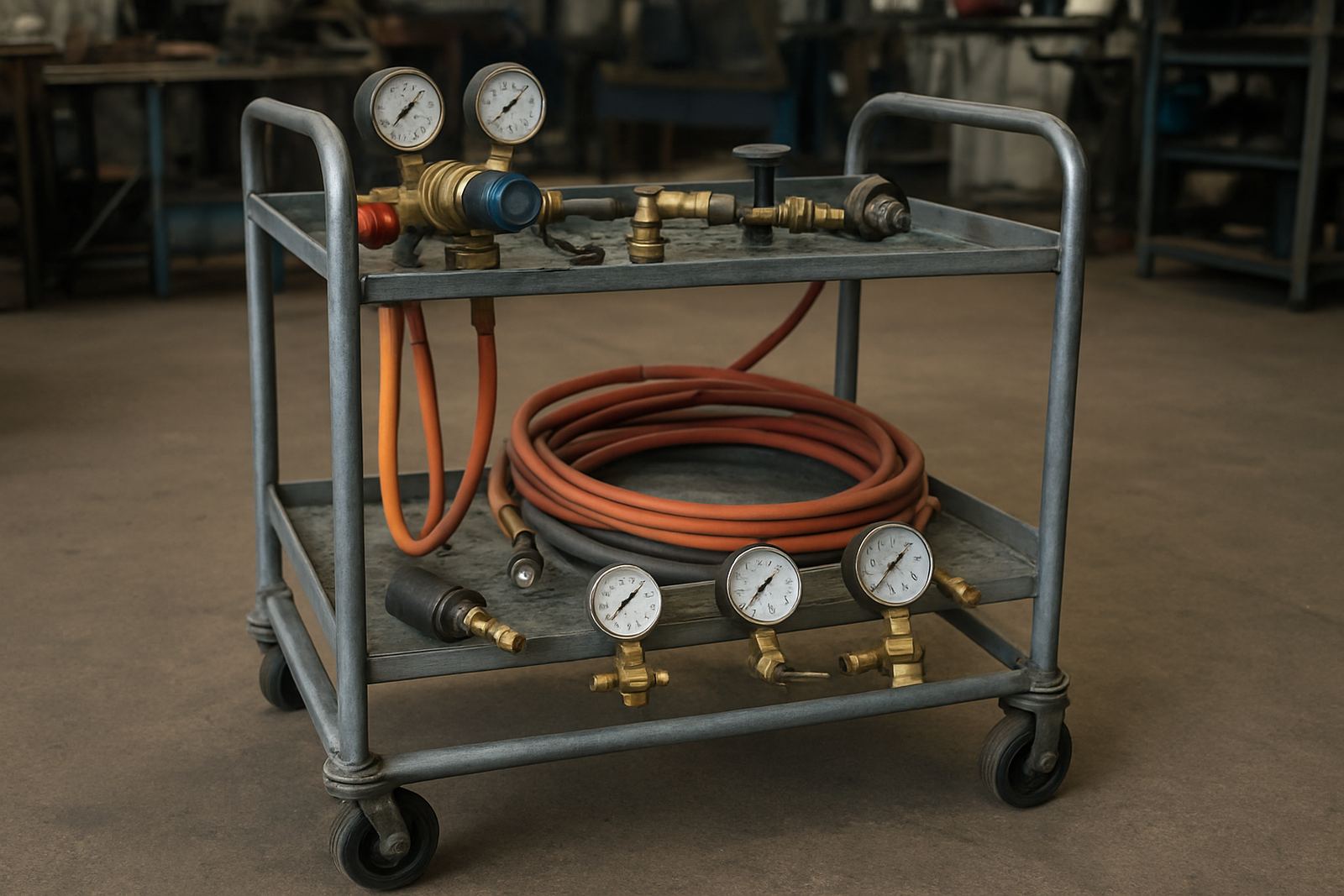
- Listen for air leaks and watch for unstable gas pressure.
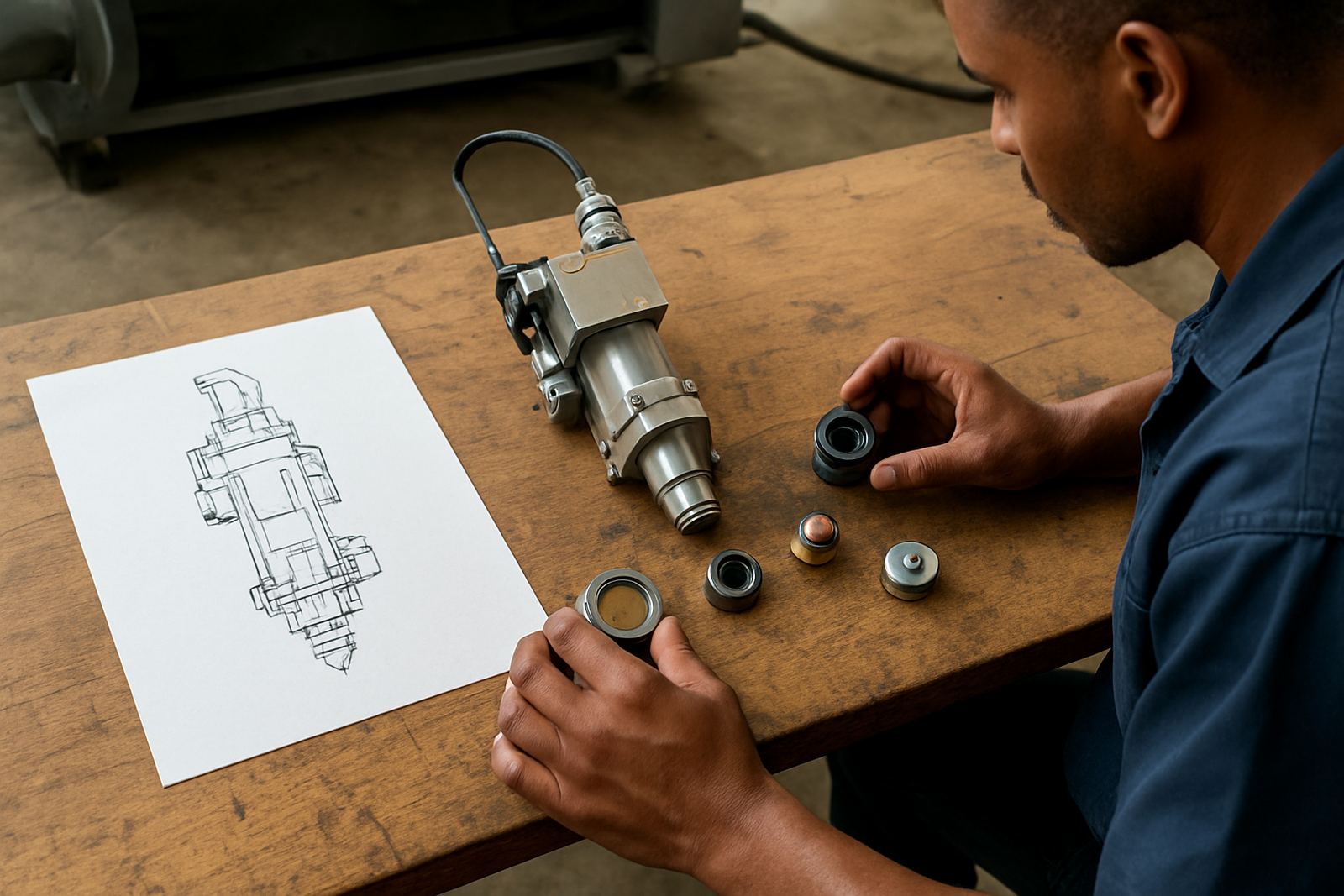
If the head has been cleaned and the cut still drifts, the issue may be deeper than surface dirt. That is when a strip and inspection or a bench pressure test becomes worthwhile.
How to protect fibre and CO2 cutting heads
Fibre and CO2 systems need different care, but the aim is the same: keep the beam path clean and the optics dry. In coastal areas like Durban and Cape Town, humidity can shorten the life of windows and lenses if storage is sloppy. In inland workshops, dust and fine metal grit are often the bigger problem.
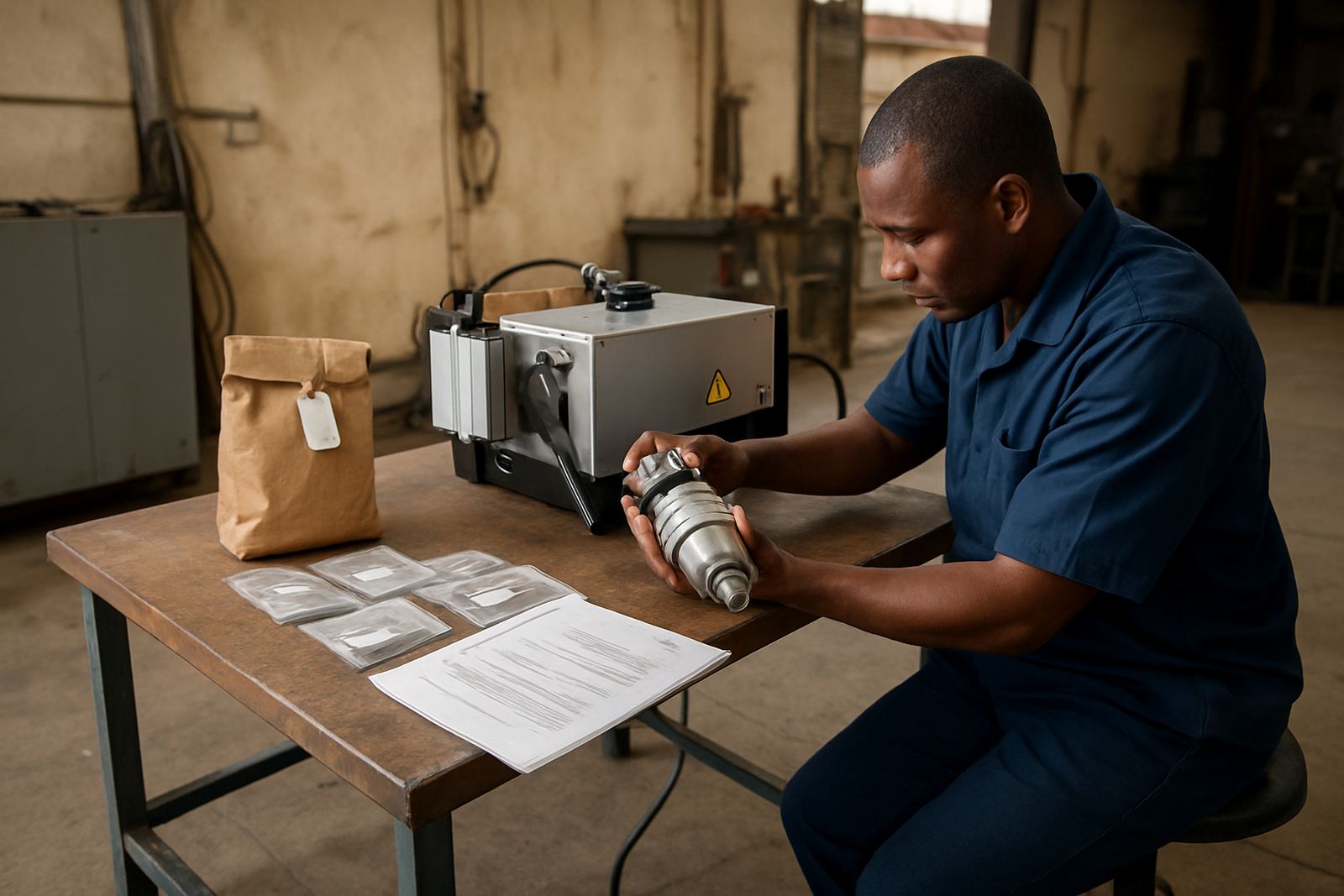
Good habits reduce wear and unplanned stoppages. Store spare optics in sealed containers, keep nozzles free of oil, and do not handle lenses with bare fingers. After a collision, do not keep cutting and hope the head will settle. Small misalignment can turn into repeated window damage and extra costs on parts.
- Keep compressed air dry and filtered.
- Remove spatter before it hardens around the nozzle seat.
- Replace damaged windows before heat marks spread.
- Check the gas path after any hard impact.
- Test the head after every repair before releasing it back to production.
When bench repair is better than an on site callout
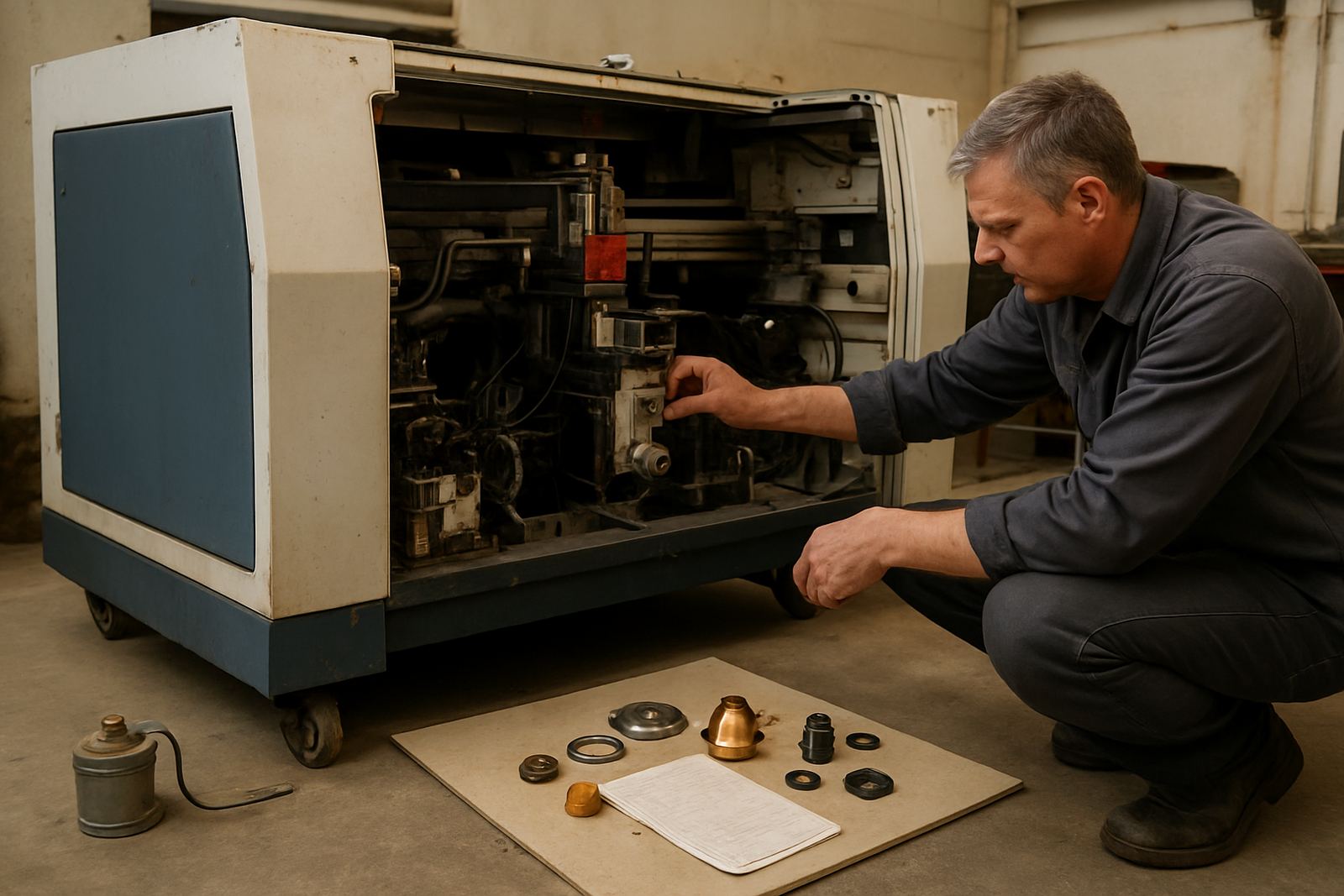
Some repairs can be handled on site, especially when the issue is external and the machine does not need a full strip. But if the cutting head has internal contamination, repeated pressure loss, or a damaged seat that will not hold alignment, bench work gives a cleaner result. That is often the safer route for job shops with tight schedules and only one cutting line.
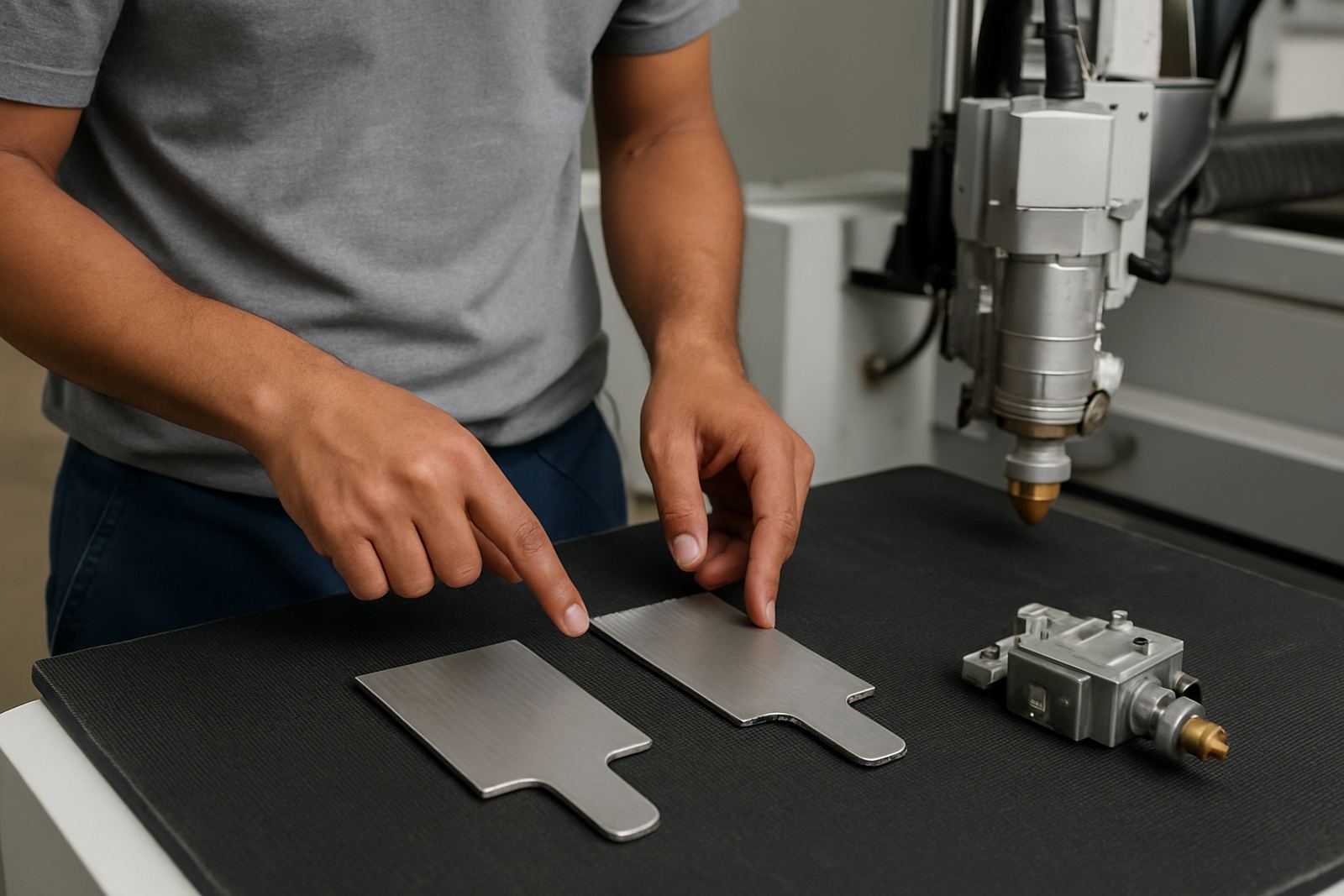
Bench repair also helps when you need to compare old parts with replacement parts and confirm what failed. A quick visual check is not always enough, and guessing can cost more than the repair itself. When the head returns to service, it should pass pressure, alignment and test cut checks before production starts again.
Maintenance topics that keep downtime short
The strongest laser maintenance plan is a simple one. Keep it practical, record what fails, and service the parts that wear out first. That means your guides should help operators decide what to replace now and what to monitor for next month.
- How to spot early nozzle wear before cut quality drops.
- What a cracked window does to beam stability.
- Why internal cleaning matters after heavy production runs.
- How a sensor ring fault can mimic a bigger problem.
- When a return to service test is worth the extra hour.
For fabricators in Johannesburg, Pretoria and Vanderbijlpark, the main goal is not theory. It is keeping the machine cutting through the next order and avoiding a second shutdown from a missed fault.
Using the guides with your workshop routine
These guides are best used alongside your daily start-up checks, weekly cleaning routine and parts log. If the same fault keeps returning, note the material type, gas setting, nozzle size and the last time the head was serviced. That record makes diagnosis faster and helps separate operator error from part wear.
Laser Ray Tools supports South African workshops from Boksburg and across Johannesburg, Pretoria, Vanderbijlpark, Durban and Cape Town. The aim is simple: give operators clear maintenance advice, protect the cutting head and keep production moving when load-shedding, delivery delays or backlogs put pressure on the schedule.