Start With the Parts That Wear Out Most Often
If your workshop cuts daily, the first stock items should be the parts that take heat, spatter and handling damage. Nozzles, protective windows, lenses and ceramic holders are the usual fast movers, especially on sheet metal work where pierce count is high and the head gets knocked during setup or plate changeovers.
For most job shops in Boksburg, Johannesburg and Germiston, a small on-hand stock beats waiting for courier delivery when a head starts giving poor cut quality. Keep enough parts for at least one complete head service, plus a few extras for busy weeks or load-shedding recovery when the machine has to run longer shifts, that is where stock pays for itself.
- Nozzles in the sizes you use most often
- Protective windows for the laser power range in your machine
- Focusing and collimating lenses if your setup uses replaceable optics
- Ceramic holders and sensor rings for wear or thread damage
- Seals and O-rings for air and gas path service
What to Keep for Fibre Laser Cutting Heads
Fibre heads are usually the busiest in local fabrication because they handle mild steel, stainless and aluminium with fast changeovers. A practical stock list starts with nozzles, protective windows, lens sets, ceramic holders and sensor rings. If your team uses different nozzle diameters for thin and thick material, keep each size clearly marked so the wrong part does not go on the machine in a hurry.
Also keep cleaning supplies made for optics and a few spare fasteners. A stripped screw or dirty lens can delay a repair just as much as a broken component. In coastal areas like Durban and Cape Town, humidity and fine dust can make corrosion and contamination more common, so sealed storage matters as much as the part count.
- Single and double nozzles in the main working diameters
- Protective windows in sealed packs
- Sensor rings matched to the head model
- Ceramic holders with matching threads
- Optics cleaning swabs, lens tissue and approved fluid
What to Keep for CO2 Laser Heads
CO2 systems usually need a different stock mix because the optics and beam path are less forgiving of dirt, mist and poor alignment. If you run a CO2 machine for signage, acrylic or non ferrous work, hold spare lenses, mirrors where applicable, nozzles and seals. A damaged window or dirty lens can spoil cut edge quality very quickly, and a weak seal can lead to pressure problems that are easy to miss until the machine starts misbehaving.
Keep the parts in a dry cabinet away from grinding dust, thinners and open rags. In workshops where steel cutting and fabrication happen in the same room, store optics separately from general consumables. That small bit of control saves money, and it reduces the chance of handling damage during a busy Monday morning.
- CO2 lenses matched to the focal length in use
- Mirror sets where your head design requires them
- Nozzles and sealing parts
- Window protectors and mount rings
- Spare retaining hardware for safe reassembly
Stock Levels That Make Sense for a Small or Mid-Size Workshop
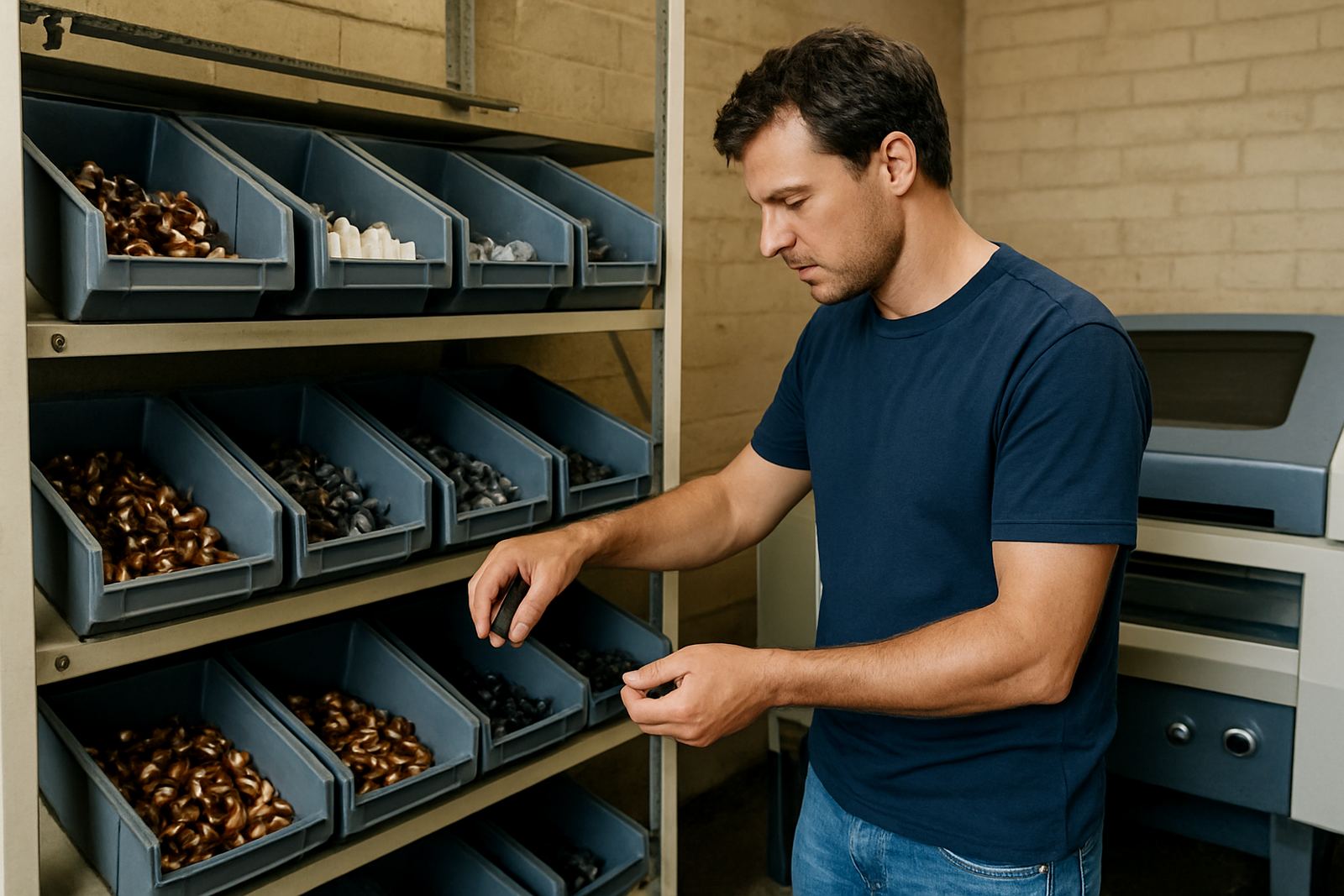
You do not need a storeroom full of spares, but you do need enough to finish the jobs already booked. A good rule is to keep one service set for the head plus two to four of the highest-use consumables. If you cut every day, raise that level for the items that fail often on your machines.
Use your own usage history. If one nozzle size disappears every week, stock more of that size and less of the slow movers. Lerato on the service side will usually tell you which parts are being requested most often, and Johan can help match stock to the head condition we see on repair. A simple sheet or stock card works well enough, provided someone updates it after every issue and return.
- Daily use items: nozzles, windows and cleaning consumables
- Monthly use items: ceramic holders, seals and sensor rings
- Repair items: lenses and alignment related parts
- Emergency items: a full spare set for the busiest machine
How to Inspect Stock Before It Saves or Costs You
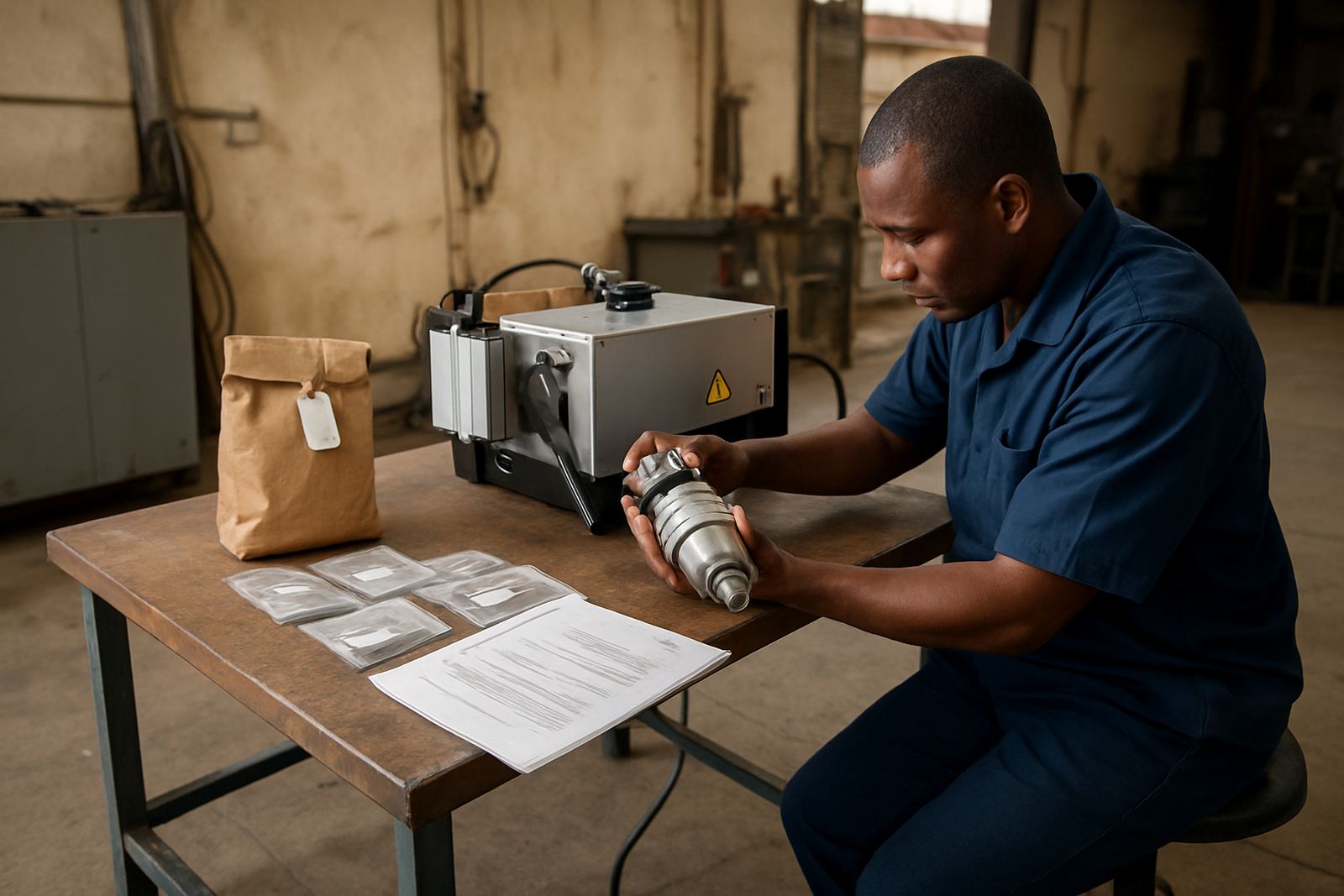
Spare parts are only useful if they are clean, correct and still within spec. Check every new batch before it goes onto the shelf. Look for damaged threads, scratched optics, bent holders and missing seals. If the packaging is open, mark it and keep it separate from sealed stock. That way a part that has been handled too many times does not end up on a production machine.
It helps to label each item with machine model, head type and date received. A part that fits one cutter may not suit another, even if it looks almost the same. For workshops with both fibre and CO2 systems, keep the stock split by machine type so there is no confusion during a breakdown. A quick 5 minute check can prevent a 5 hour stoppage.
- Check thread condition and fitment before storage
- Keep optics sealed until use
- Separate fibre and CO2 items clearly
- Record date received and date fitted
- Remove any part with visible damage straight away
When to Replace a Part Instead of Cleaning It Again
Some parts can be cleaned, but there is a point where replacement is the better choice. If a nozzle is burned out of shape, a lens has a permanent mark, or a ceramic holder is cracked, do not keep trying to stretch its life. The same goes for protective windows with repeated pitting from spatter. Once the surface is compromised, cut quality suffers and the head starts running hot.
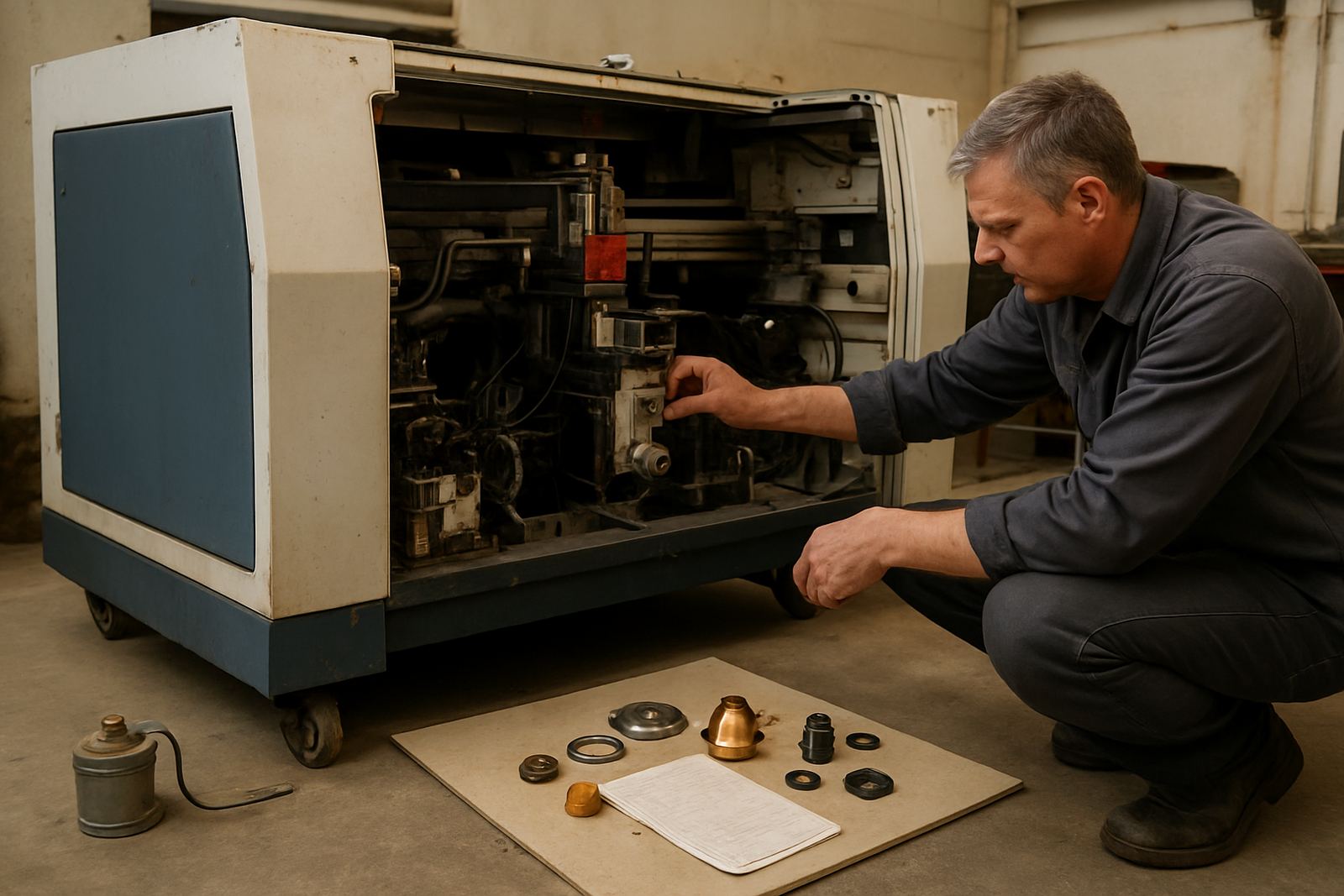
After collision damage, inspect the full head rather than only the visible section. Misalignment, loose fittings and hidden cracks can show up later as poor cut edge quality or unstable piercing. If your machine has been hitting sheet edges or snagging on lifts, book a strip and inspection before the damage spreads. That saves money and avoids a bigger repair, especially when production is already tight.
A Practical Stock Checklist for South African Workshops
Use this checklist to keep your stock room ready for real work, not just for show. It suits workshops in Ekurhuleni and across the country that need to keep cutters running through load-shedding, late deliveries and busy order books.
- Top 3 nozzle sizes used on your main jobs
- At least one spare protective window set per active machine
- One spare lens set for each critical cutter
- Sensor rings and ceramic holders for every head type in service
- Seal kits, fasteners and cleaning consumables
- Clear labels for fibre and CO2 stock
- A monthly stock count and a simple issue log
If you are unsure which spares are worth holding, start with the parts that stop production the fastest. Then build from actual usage, not guesswork. That approach keeps the shelves useful and the machine on the floor running longer, which is what matters to a fabricator.