What Gas Pressure Does At The Cutting Head
On fibre and CO2 laser systems, assist gas helps blow molten material out of the kerf, protect the optics, and keep the cut edge clean. If pressure is too low, too high, or unstable, the cut quality drops fast. You may see dross on the underside, rough edges, wider kerf lines, or scorching that should not be there.
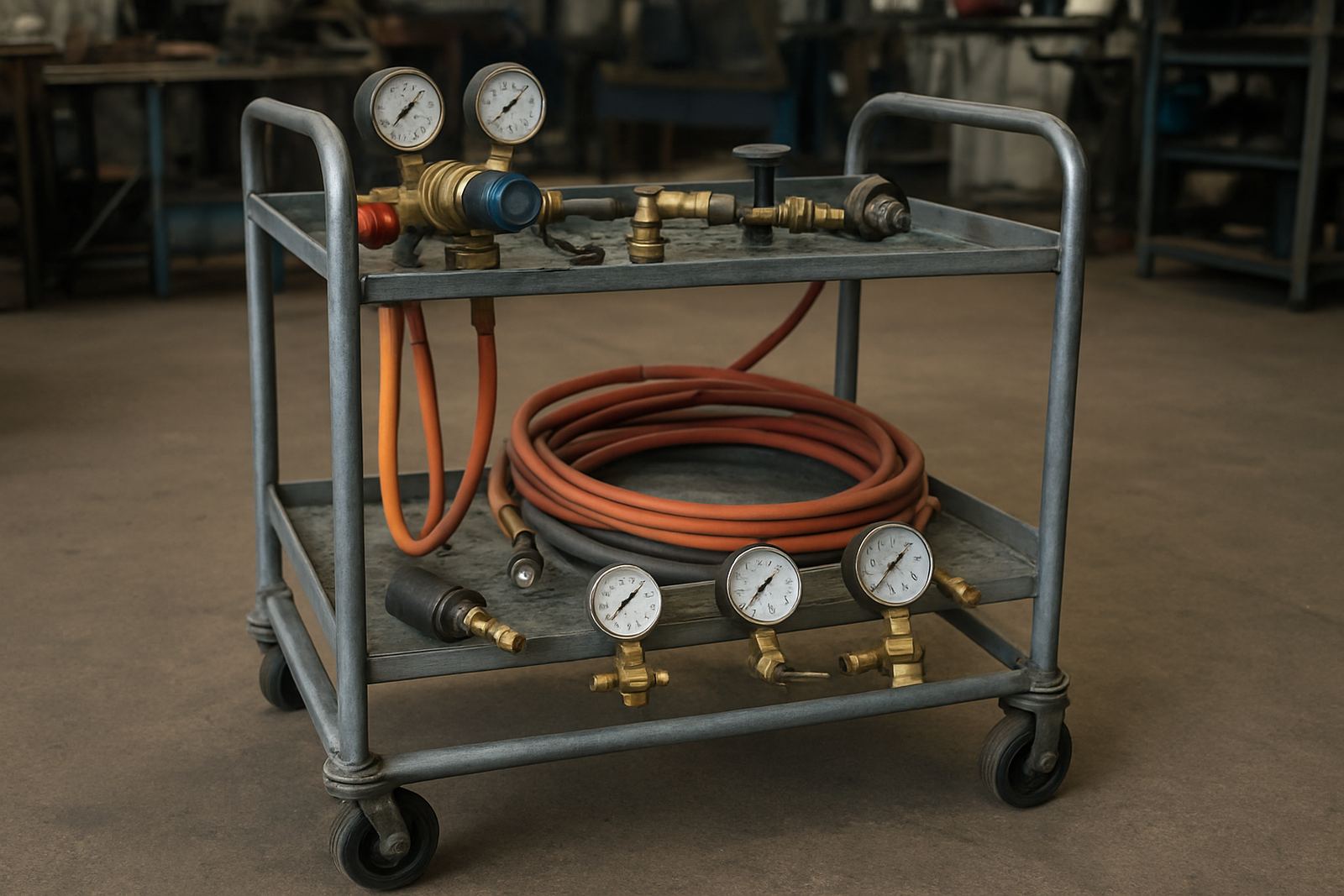
Gas pressure problems are often linked to simple causes such as a loose hose, blocked nozzle, worn seal, damaged pressure sensor, or a regulator that cannot hold steady output. In workshops across Boksburg, Johannesburg and Pretoria, we often find the real issue is not the machine software, it is the supply path from bottle or line to cutting head.
- Low pressure usually shows as poor ejection of melt and heavy dross.
- High pressure can cause edge frosting, blowback, or unstable pierce points.
- Fluctuating pressure often points to leaks, dirty filters, or a failing regulator.
Common Symptoms Operators Notice First
Operators usually spot the fault before the machine flags it. A job that ran well yesterday can start leaving rough edges, incomplete cuts, or repeated pierce failures after a nozzle change or collision. If the head has taken a knock, the nozzle seat, ceramic holder, or lens stack may no longer be aligned properly, which affects gas flow as well as beam quality.
In coastal areas like Durban and Cape Town, moisture in lines can also upset gas flow and leave inconsistent cuts on mild steel. Inland plants may see dust build-up and oil carryover in the air line, especially where compressors work through load-shedding and restart under strain.
- Cut starts fail, then recover after a second pierce.
- The machine cuts one side cleanly and the other side with dross.
- Noise at the head changes when the gas opens.
- Edge quality varies between parts on the same nest.
Quick Checks Before You Call For Service
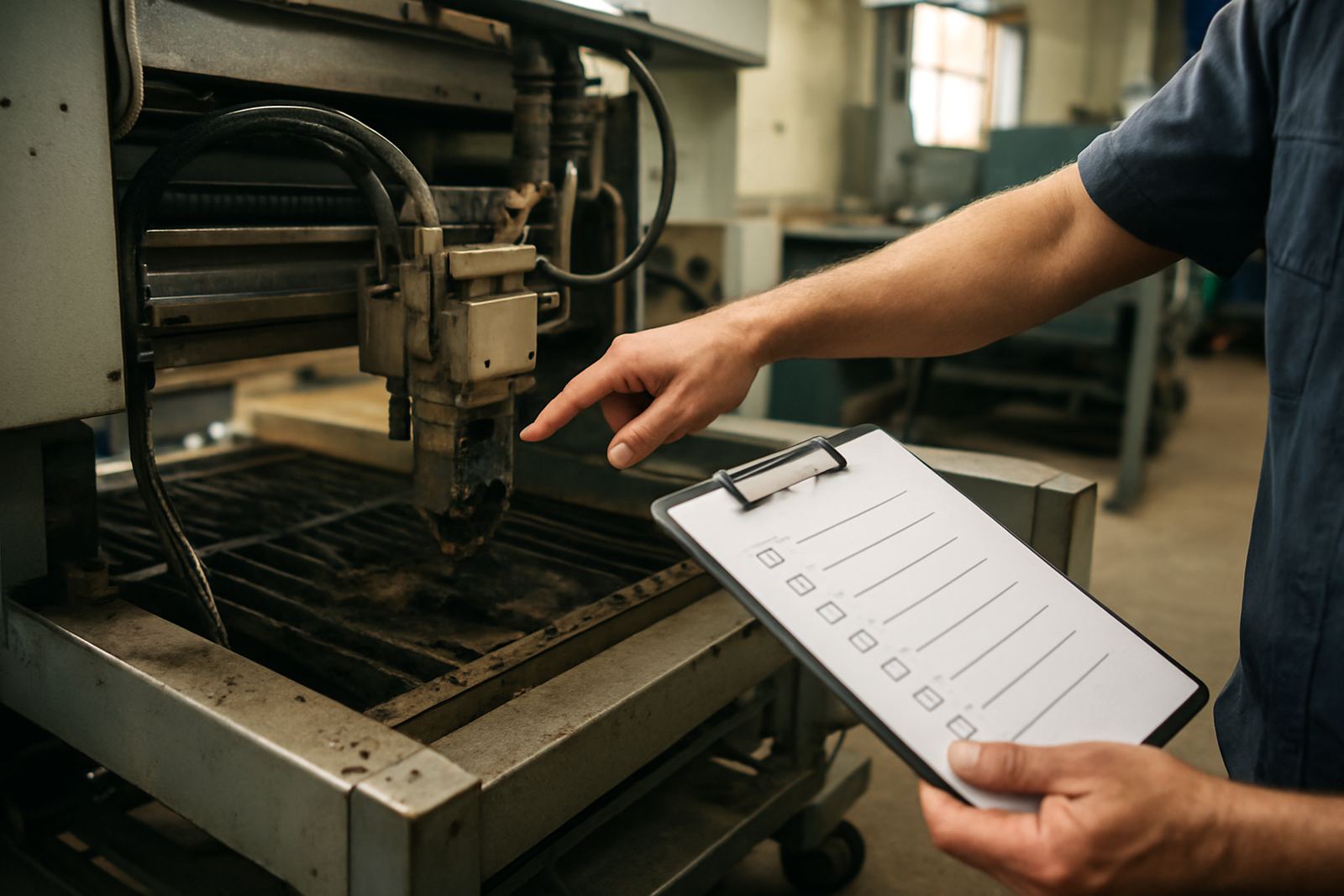
Before you book a technician, run a short check on the machine and supply side. Keep the machine safe, isolate the area if needed, and only proceed if your workshop procedure allows it. Do not keep forcing production through a known pressure fault, because a damaged head can turn a simple repair into a longer outage.
Use this checklist:
- Confirm the correct gas type for the material and thickness.
- Check bottle or line pressure at the source and at the machine inlet.
- Inspect hoses, fittings, seals and quick couplers for leaks.
- Look for water, oil, or dust in the air line and filters.
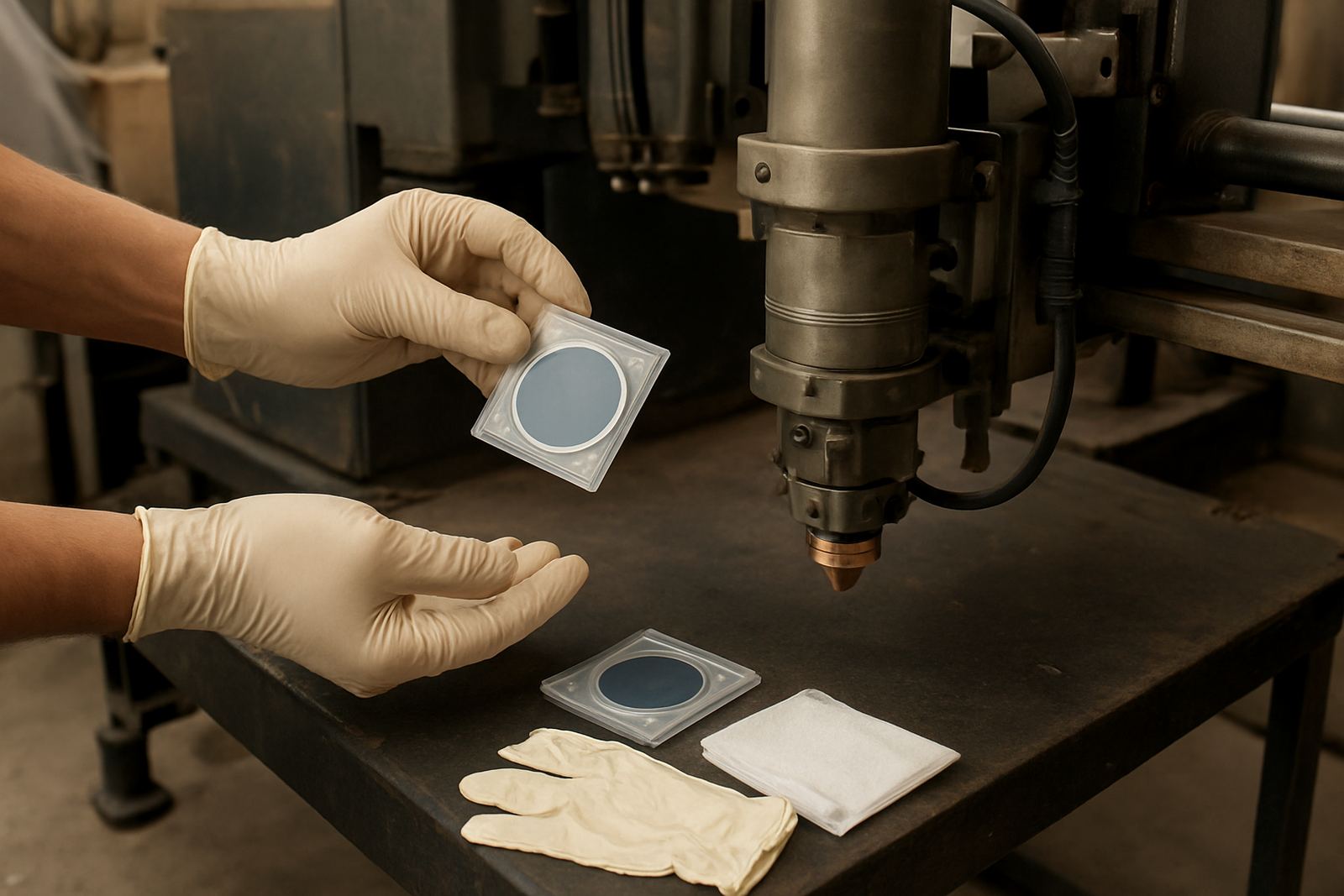
- Check nozzle condition, nozzle seat and protective window.
- Verify that the pressure setting matches the cutting program.
If the pressure reading is steady at the regulator but changes at the head, the problem may sit inside the cutting head or sensor path. That is where bench inspection helps, because a clean visual check does not always reveal a cracked seat or hidden leak.
When Pressure Faults Point To Head Damage
Collision damage often shows up as a gas pressure complaint. A head that has clipped sheet metal, tipped on a warped bed, or taken a slag strike may still move and home correctly but the internal gas path is no longer true. After that, you can get good pierces on one job and poor results on the next. It is a common issue on busy job shops in Ekurhuleni and Vanderbijlpark where changeovers happen quickly and the machine must earn its keep.
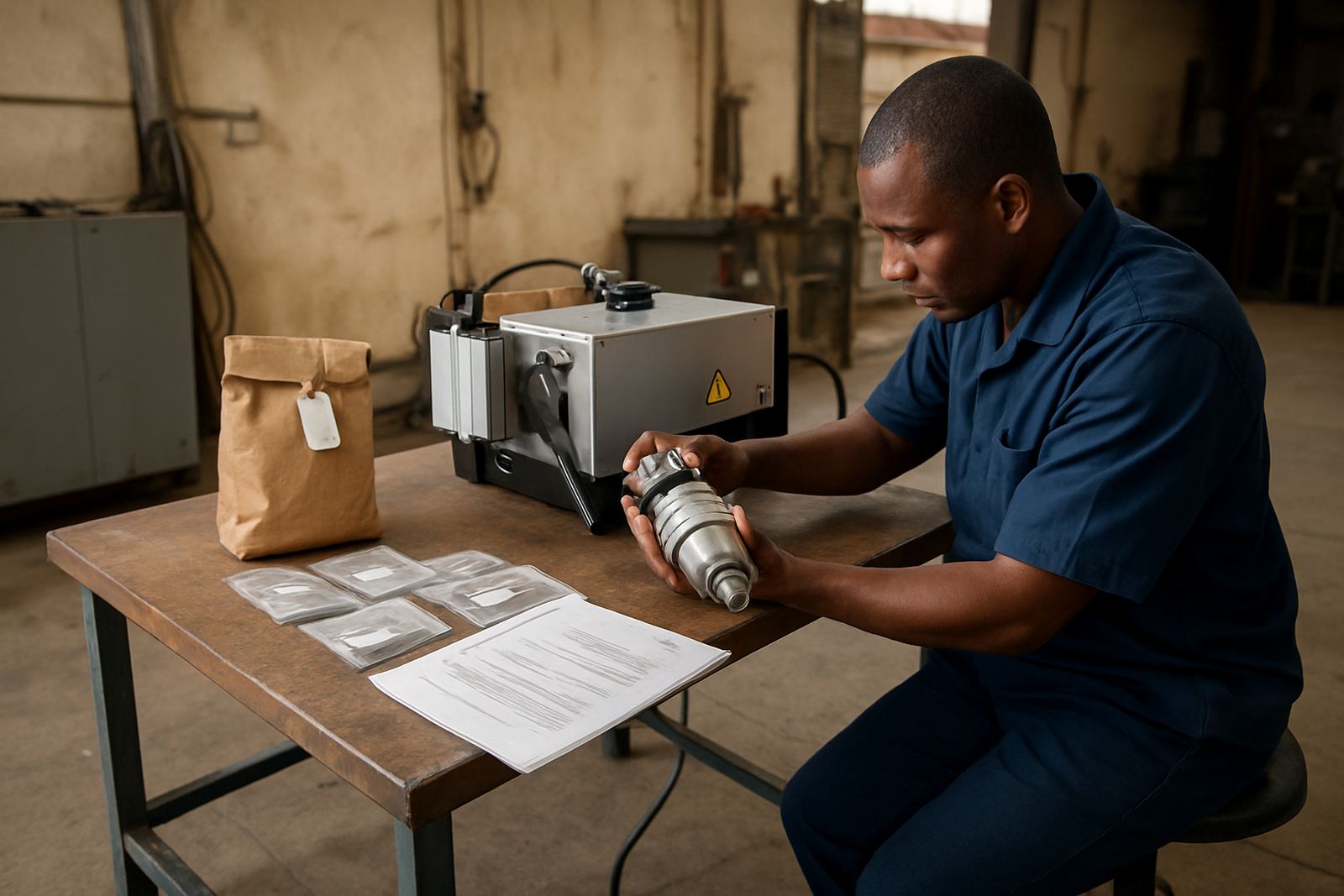
Our technicians strip and inspect the head, then check the nozzle seat, ceramic holder, lens position, window condition, and alignment. If needed, we replace worn parts and carry out a pressure test on the bench before the head goes back into service. That helps confirm that the gas path is actually holding the pressure it needs.
- Collision marks on the tip or body.
- Recurring leaks after nozzle or window replacement.
- Pressure loss only when the head is under motion.
- Unexplained cut variation after a maintenance shutdown.
On-Site Or Bench Service, What To Expect
Some faults can be checked on site, especially if the issue is with supply pressure, filters, or visible leaks. Other faults are better handled on the bench where the head can be stripped, cleaned, measured and pressure tested without production pressure hanging over the job. For factories in Johannesburg, Pretoria, Durban and Cape Town, we support both approaches so downtime stays short.
A typical service call may include diagnosis, internal cleaning, gas path service, head alignment check, nozzle seat restoration, lens replacement, window replacement, or a return to service test. If a part is badly worn, we replace it before the machine goes back into a busy shift. That saves repeat callouts and stops operators chasing the same fault all week.
How To Keep Gas Pressure Stable Between Services
Good pressure control is mostly about routine care. Keep spare nozzles and protective windows on hand, check fittings after every collision, and drain moisture traps regularly. If your site relies on compressed air, remember that compressor performance can drop when the power trips and restarts during load-shedding. That can show up as pressure spikes or weak flow at the head.
Make gas pressure checks part of your daily start-up, not a problem only looked at when cutting goes wrong. A short routine can prevent a long stoppage.
- Record inlet pressure at the start of each shift.
- Inspect the nozzle before high-value work.
- Watch for slow pressure recovery after a pierce.
- Replace filters and seals on schedule.
- Keep the cutting area clean so dust does not enter the head.
If the pressure issue keeps returning, it is time for a proper service. Repeated adjustments without finding the cause usually wastes material and time, and can wear the head faster than expected.