


Home / Journal

Workshop Journal

The Workshop Journal shares practical articles for laser users, maintenance staff and fabrication owners. Topics stay close to machine reliability, cutting head care, downtime reduction and repair decisions.

Workshop Journal
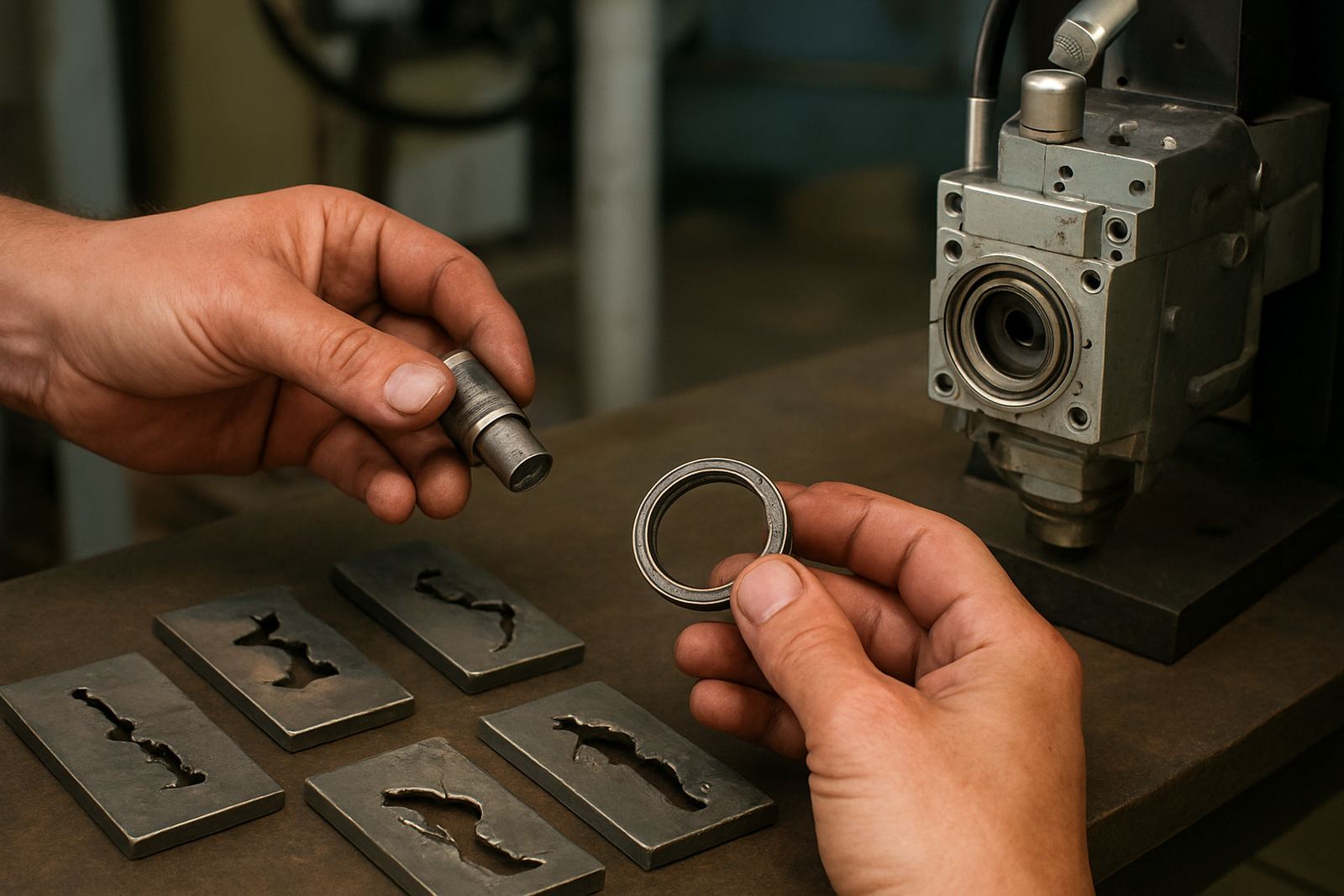
Head Crash Signs

Head Crash Signs

Common visual and cutting symptoms that suggest a laser head has suffered a collision.

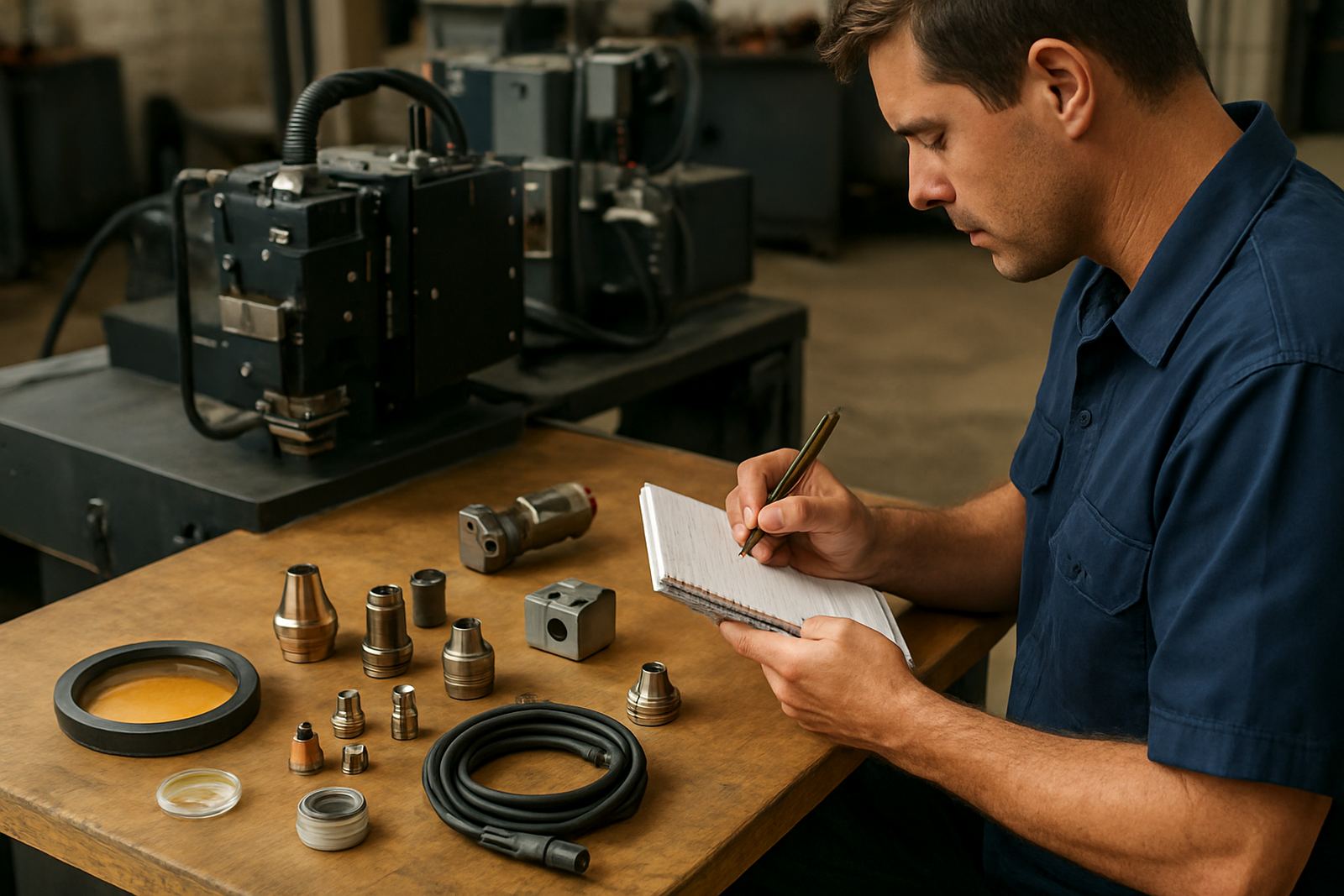
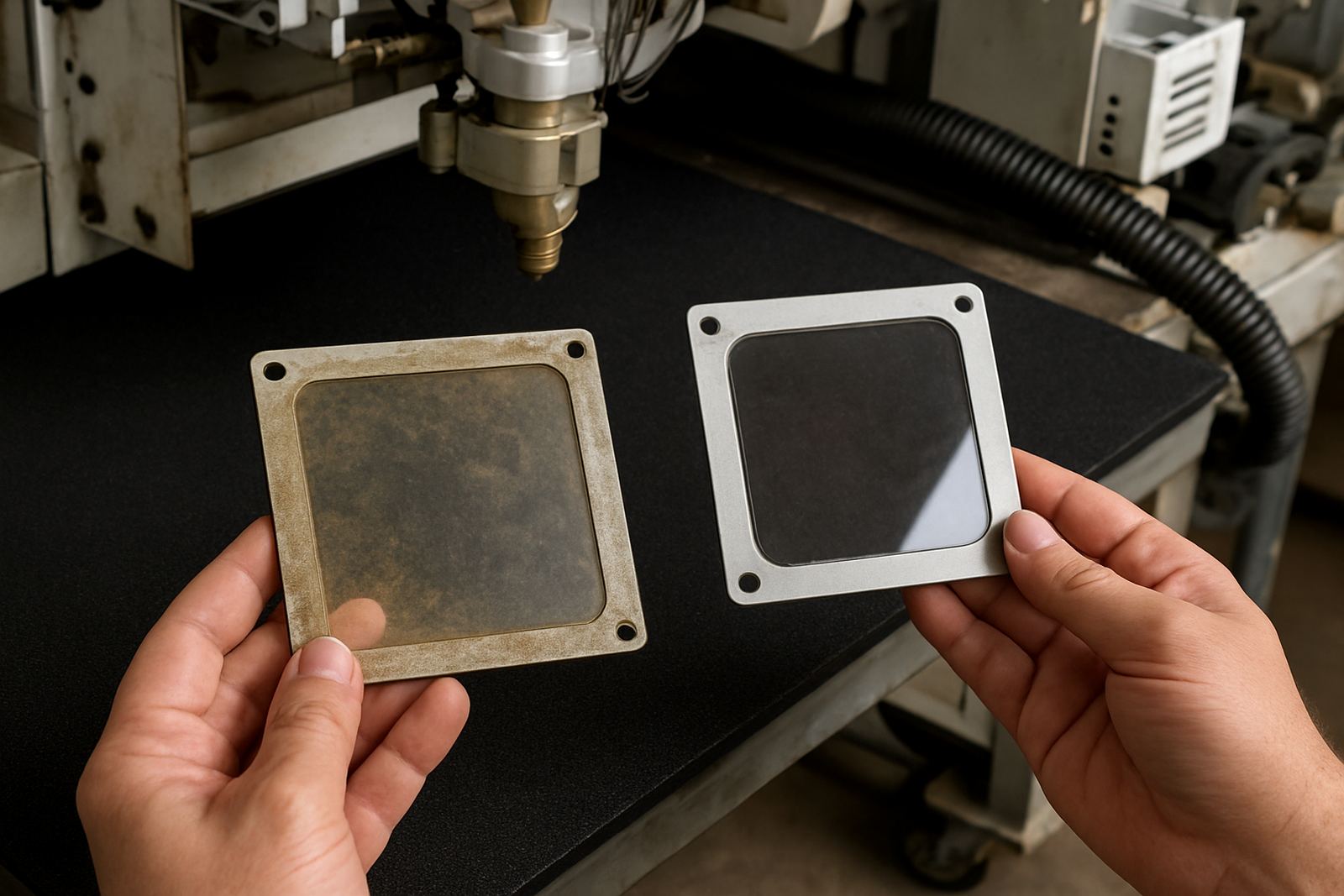
Dirty Window Symptoms

Dirty Window Symptoms

How contaminated protective windows affect piercing, cut edges and consumable life.

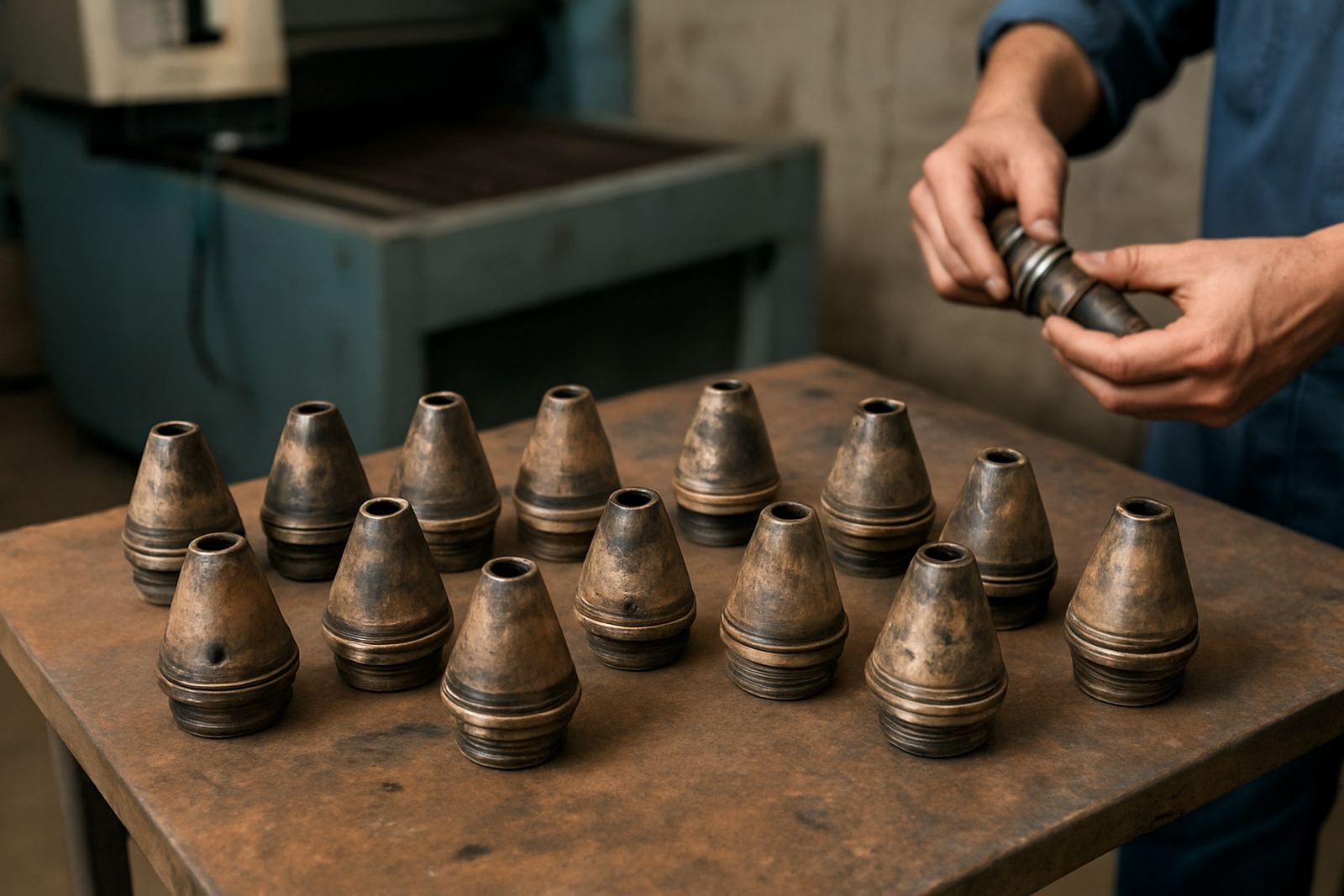
When Nozzles Wear

When Nozzles Wear

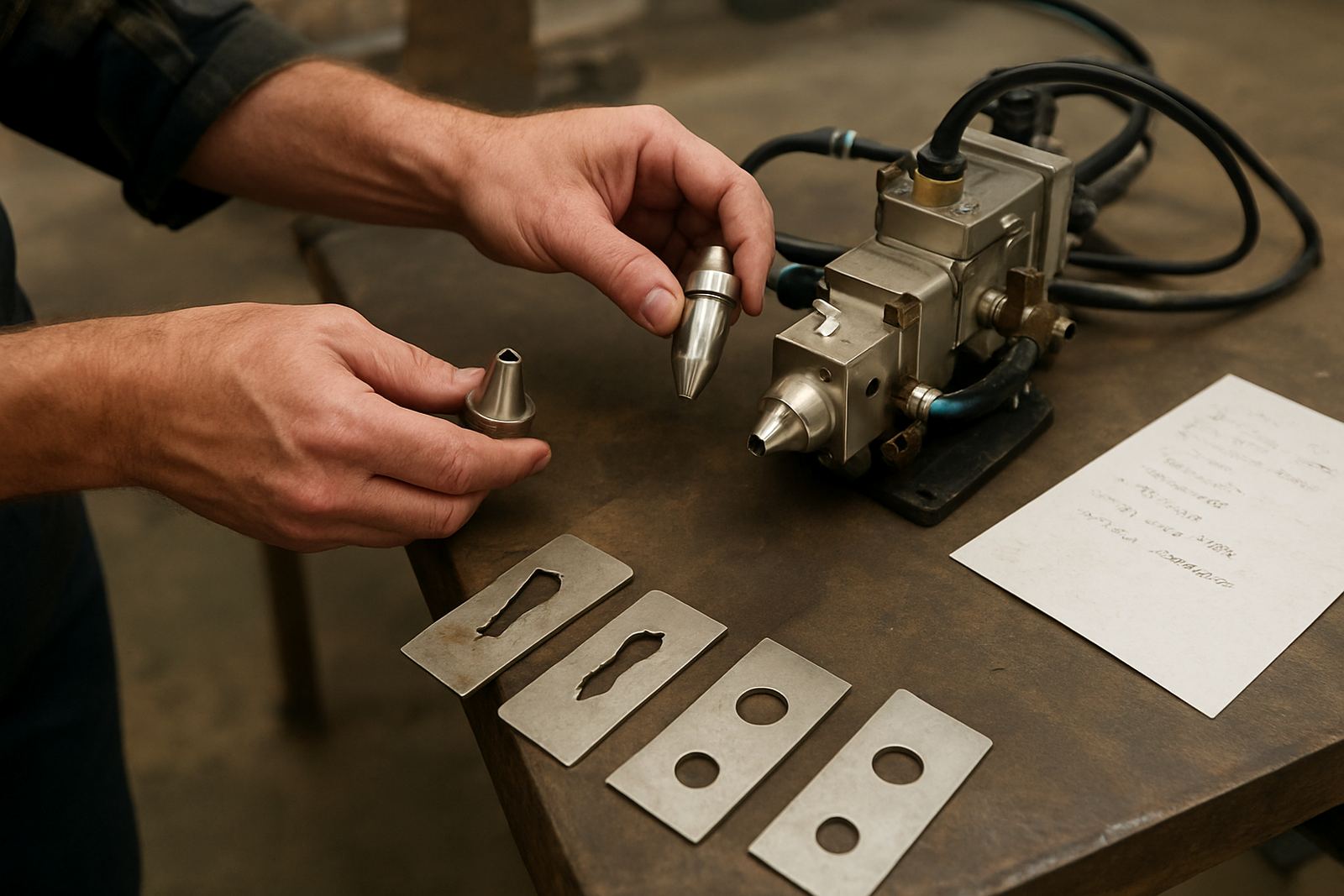
A practical look at nozzle wear patterns and the cutting faults they cause.

Fibre Vs CO2 Repairs

Fibre Vs CO2 Repairs

The main repair differences between fibre and CO2 workshop laser systems.

Downtime Cost Basics

Downtime Cost Basics

Why repair speed matters when laser capacity is tied to deliveries and throughput.

Bench Or On-Site

Bench Or On-Site

When a cutting head should come to the workshop and when a site visit makes sense.

Protective Window Care

Protective Window Care

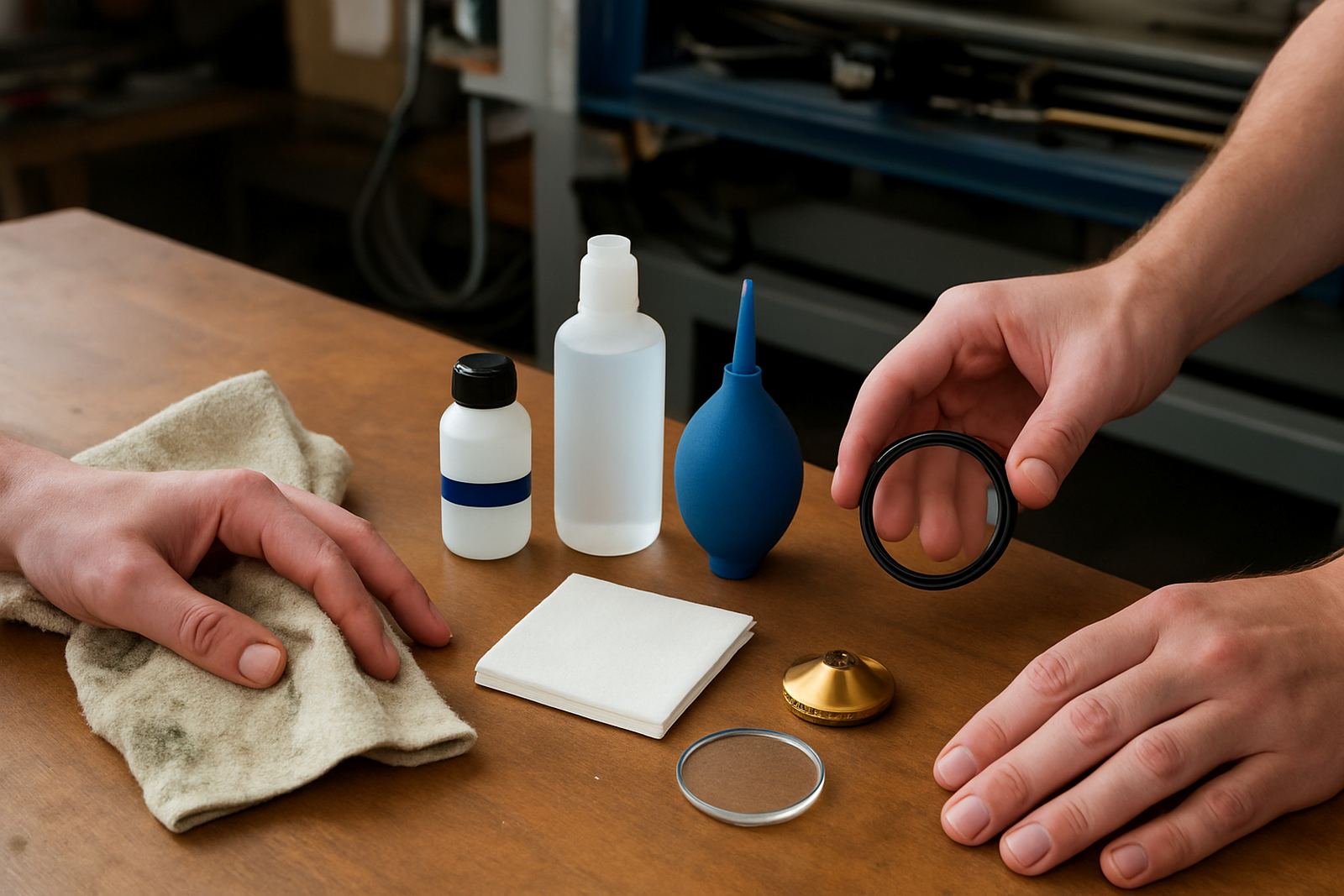
Simple handling habits that help protective windows last longer between changes.

Gas Leak Clues

Gas Leak Clues

Workshop clues that point to assist gas leaks in the head or line.

Poor Pierce Causes

Poor Pierce Causes

A practical overview of the faults that cause messy or inconsistent piercing.

Edge Quality Checks

Edge Quality Checks

What to inspect first when customers complain about burr, dross or rough cut edges.

Sensor Ring Failures

Sensor Ring Failures

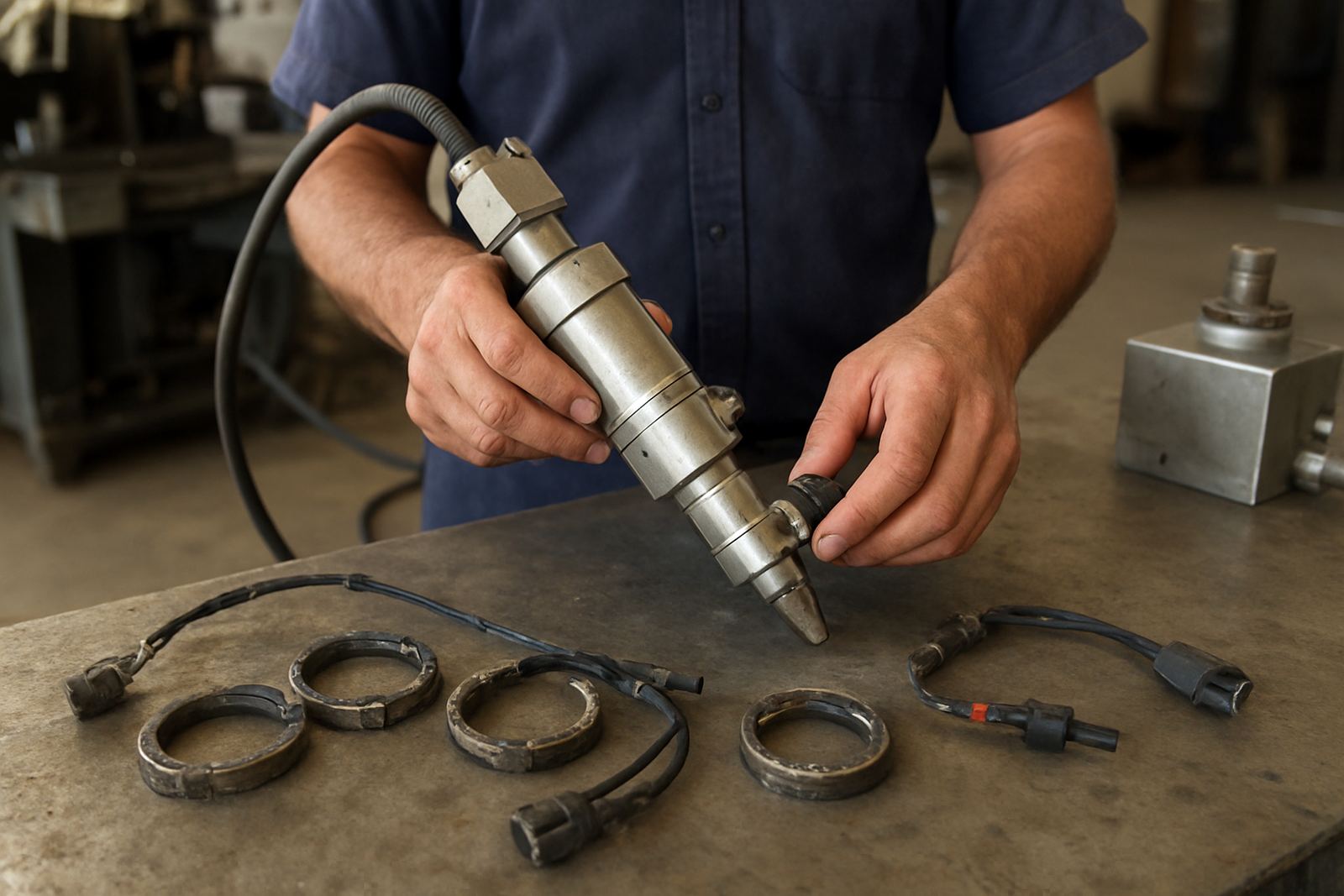
Why sensor rings fail and how those faults show up during production.

Cooling Loop Trouble

Cooling Loop Trouble

How poor cooling affects source stability, head life and machine reliability.

Cabinet Dust Risks

Cabinet Dust Risks

The effect of dusty electrical cabinets on drives, cooling and machine faults.

Why Heads Overheat

Why Heads Overheat

Common reasons cutting heads run hot and what heat does to optics and seals.

Service Report Meaning

Service Report Meaning

How to read a cutting head service report and plan follow-up maintenance.

Parts Stock Planning

Parts Stock Planning

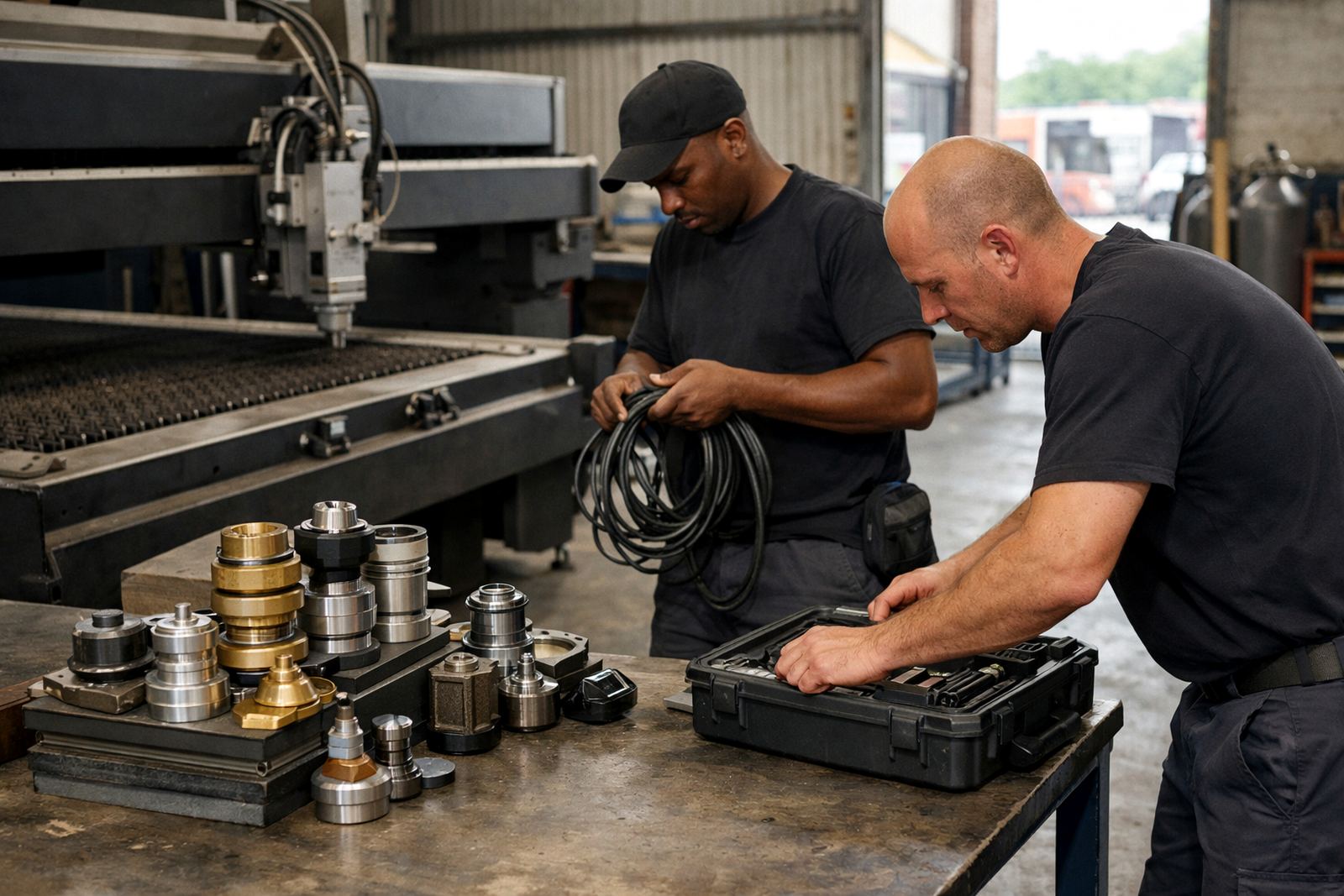
Which laser consumables and spares workshops should keep to reduce waiting time.

Operator Handover Notes

Operator Handover Notes

Useful information operators should pass on when booking a laser repair.

Repeat Fault Patterns

Repeat Fault Patterns

How recurring breakdowns can point to one underlying head or gas issue.

Travel With Repaired Heads

Travel With Repaired Heads

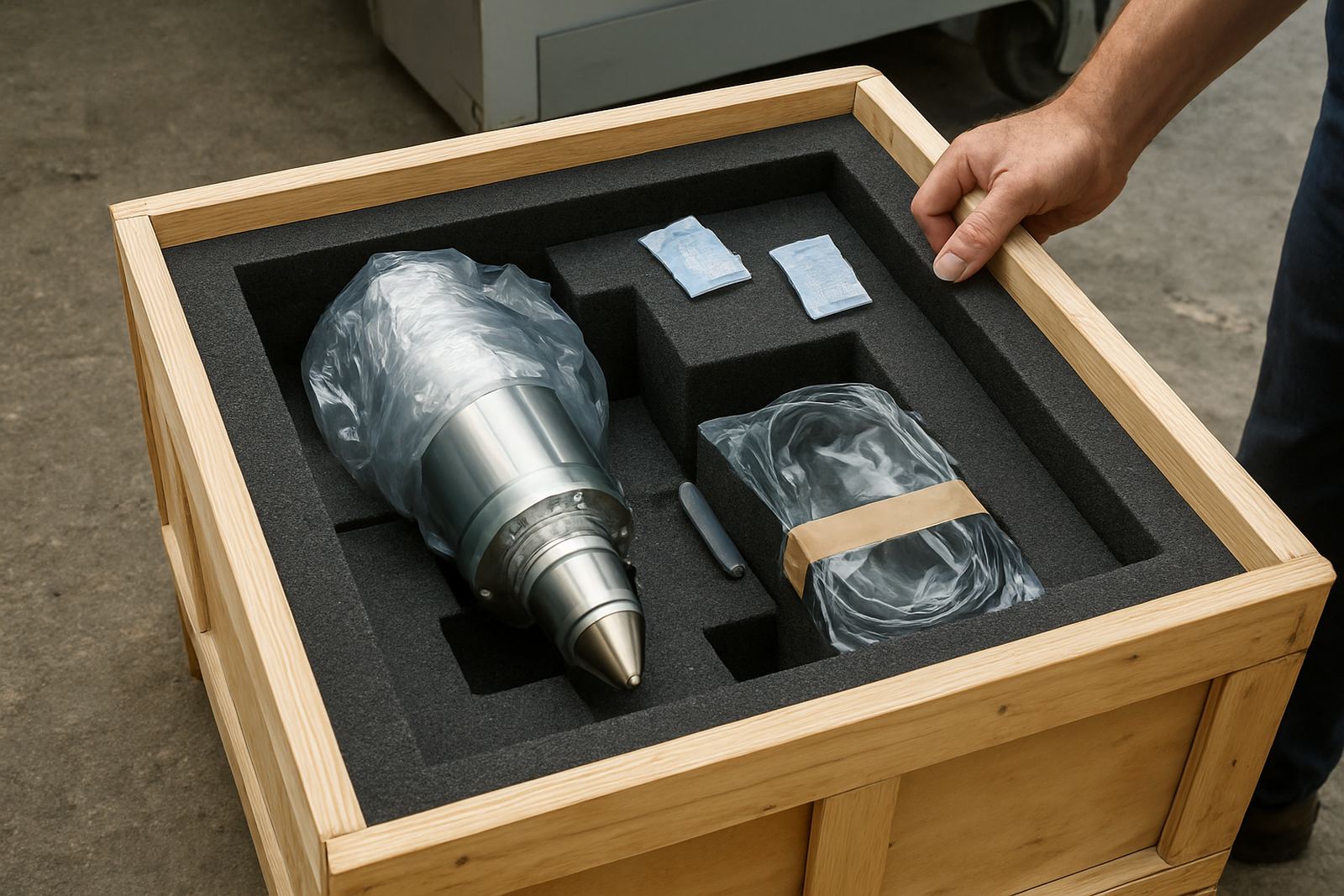
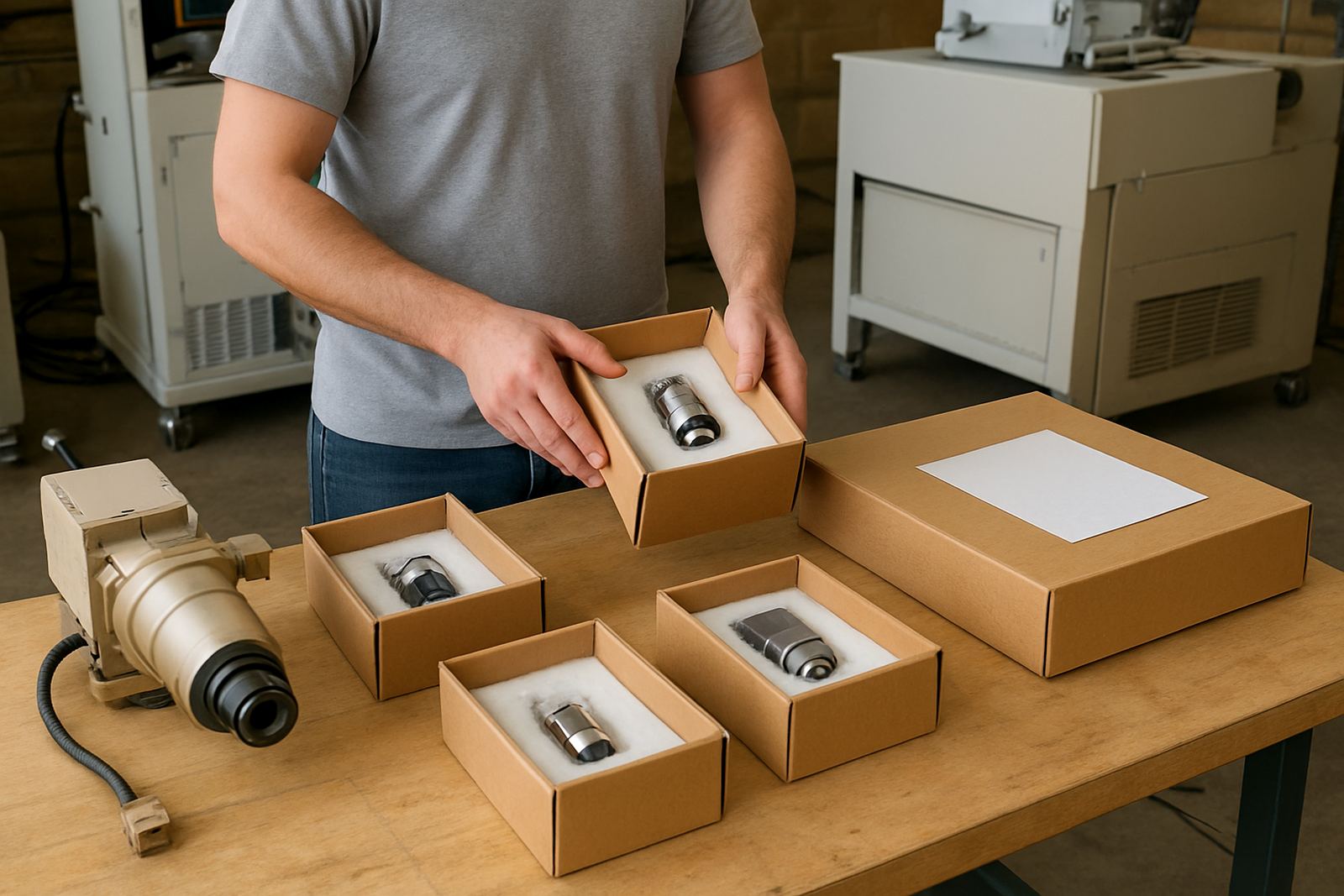
Packing and handling tips when sending cutting heads for bench repair.

Site Visit Preparation

Site Visit Preparation

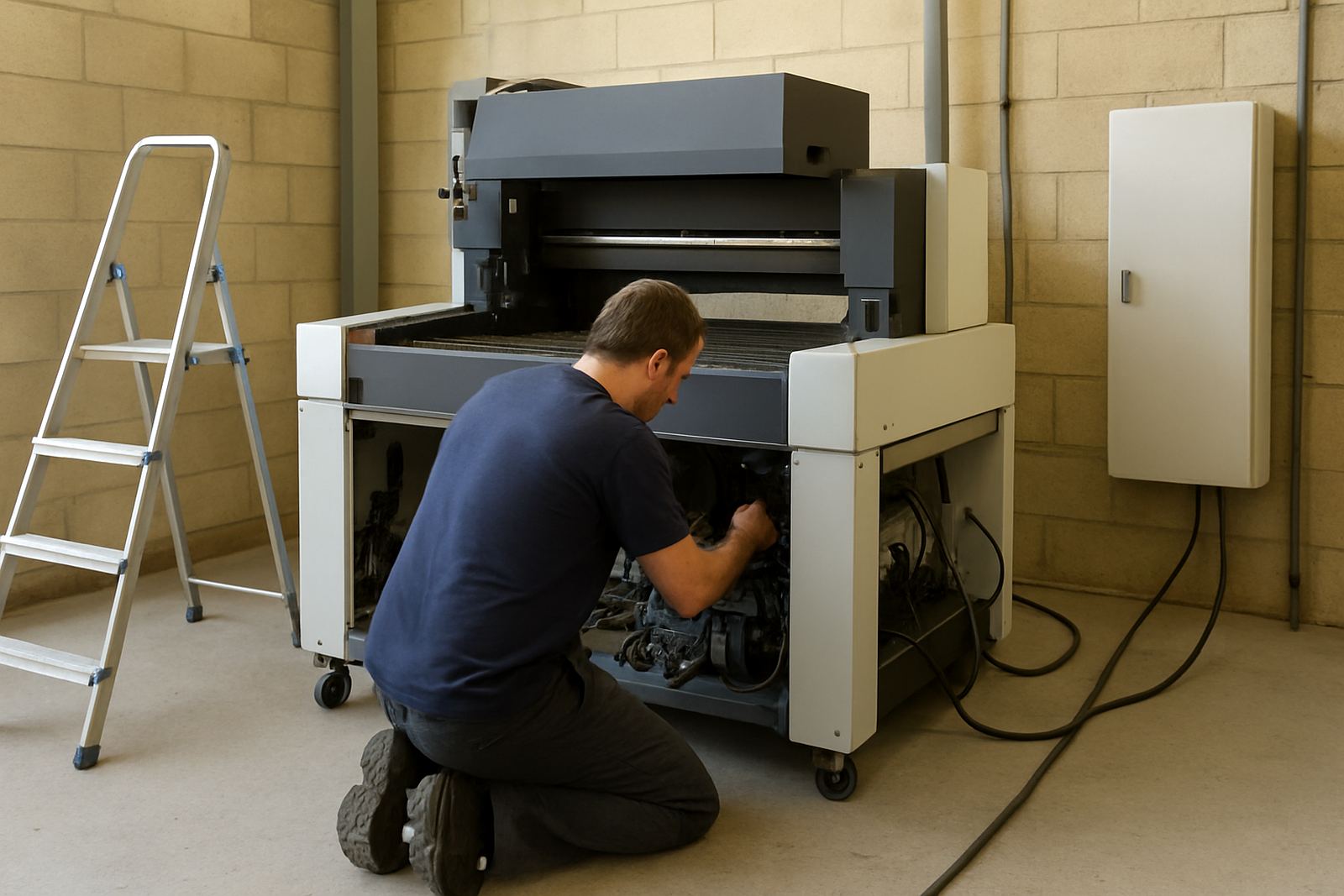
How workshops can prepare machines and access for efficient field service visits.

Stainless Cut Complaints

Stainless Cut Complaints

Typical causes behind edge discolouration and rough stainless laser cuts.

Steel Dross Triggers

Steel Dross Triggers

Why dross builds up on steel jobs and what service checks help first.

Thin Sheet Instability

Thin Sheet Instability

Reasons thin materials show vibration, blowback or poor small-hole consistency.

Older Machine Support

Older Machine Support

What to expect when maintaining ageing workshop laser machines and worn head assemblies.

Why Optics Contaminate

Why Optics Contaminate

The workshop conditions and habits that dirty optics faster than expected.

Service Intervals Basics

Service Intervals Basics

A sensible way to think about service intervals based on workload and materials.

Consumables Vs Repairs

Consumables Vs Repairs

How to tell whether cut quality issues are simple consumables or deeper repair faults.

Machine Alarm Notes

Machine Alarm Notes

Why accurate alarm records help technicians diagnose laser faults faster.

Field Service Limits

Field Service Limits

What can usually be fixed on site and what is better done on the bench.

Spare Head Value

Spare Head Value

Why some busy workshops keep a spare cutting head assembly ready for swap-outs.

After Collision Checklist

After Collision Checklist

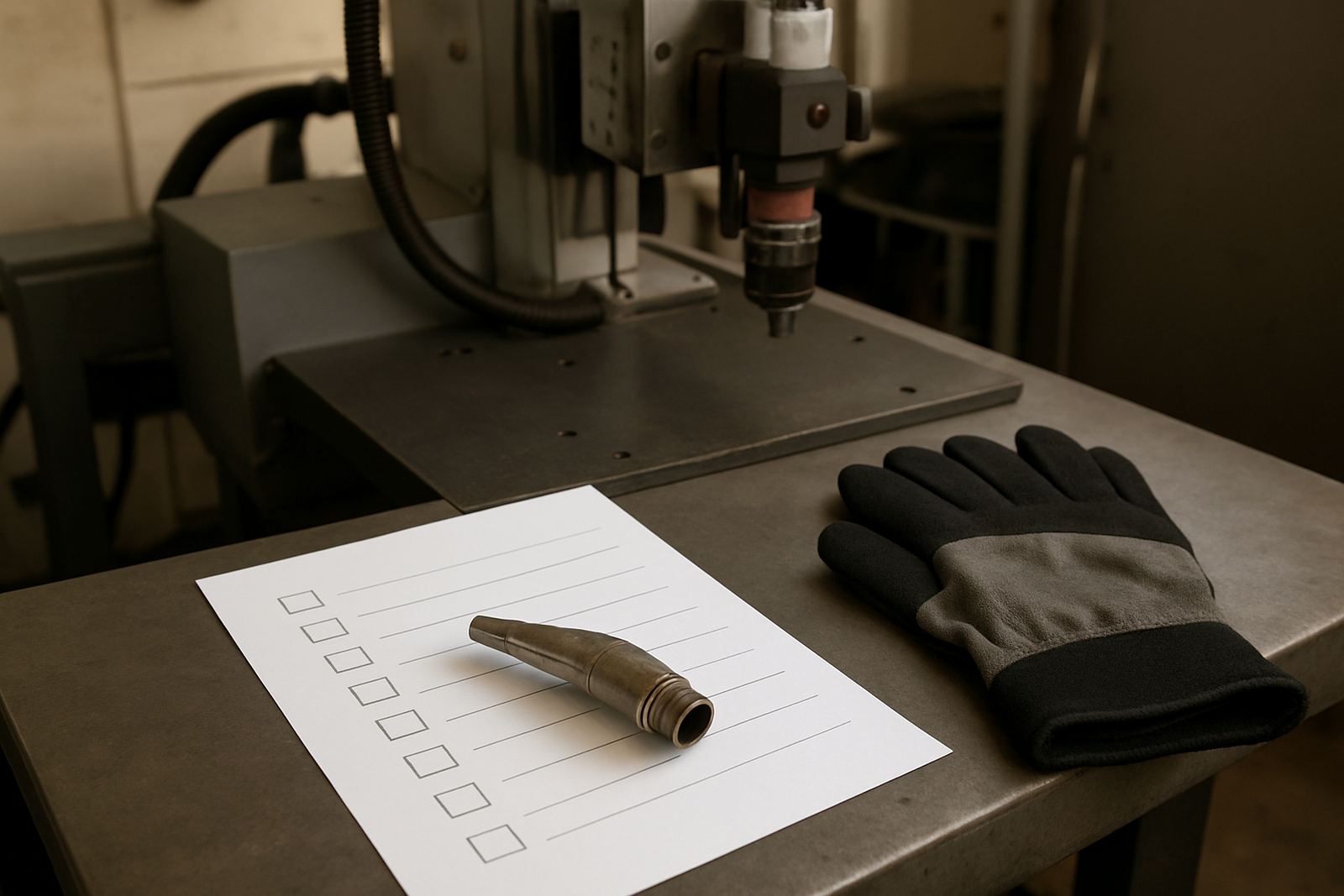
The first checks to make after a nozzle strike or sheet lift event.

Weekend Breakdown Response

Weekend Breakdown Response

Planning for urgent failures when a production laser stops outside normal hours.

Dispatching Repair Parts

Dispatching Repair Parts

How parts supply supports repairs when the issue is identified quickly.

Head Cleaning Mistakes

Head Cleaning Mistakes

Avoidable cleaning mistakes that shorten component life inside laser cutting heads.

When Bench Rebuilds Pay

When Bench Rebuilds Pay

Situations where a full bench rebuild is better than repeated small fixes.

What the Workshop Journal Covers

This journal brings together short, useful reading for teams who keep fibre and CO2 laser systems running day to day. The focus is on real workshop problems: poor cut quality, head damage, worn consumables, dirty optics and the small faults that turn into long stoppages if they are ignored.

Each article is written for practical use, whether you are running one machine in a job shop or several cutters in a busy fabrication plant. Expect guidance that helps you decide when to clean, when to replace a part and when to call for bench or on site repair in Boksburg, Johannesburg, Pretoria, Vanderbijlpark, Durban or Cape Town.

How to Choose the Right Article

Start with the problem in front of you. If the machine is marking badly, check articles on lenses, nozzles and protective windows. If the head took a knock or the cut shifted after a collision, look for inspection and alignment guidance. If downtime is eating into delivery dates, read the pieces on diagnosis and return to service checks.

The journal is also useful when you are comparing repair options. Some faults can be handled with a bench service and a quick parts change, while others need a full strip and inspection. Knowing the difference can save hours and reduce the chance of repeat failure.

  • Use repair articles when the fault is already affecting production
  • Use maintenance articles when you want to prevent repeat damage
  • Use downtime articles when output dates are tight and every hour counts

Topics You Will Find Here

The articles stay close to the work that matters in South African fabrication shops. We cover the service steps that affect reliability and the parts that usually wear first in daily use. That includes contamination, heat stress, poor gas flow and collision damage, which can all show up as rough edges, dross or unstable cutting.

Common topics include:

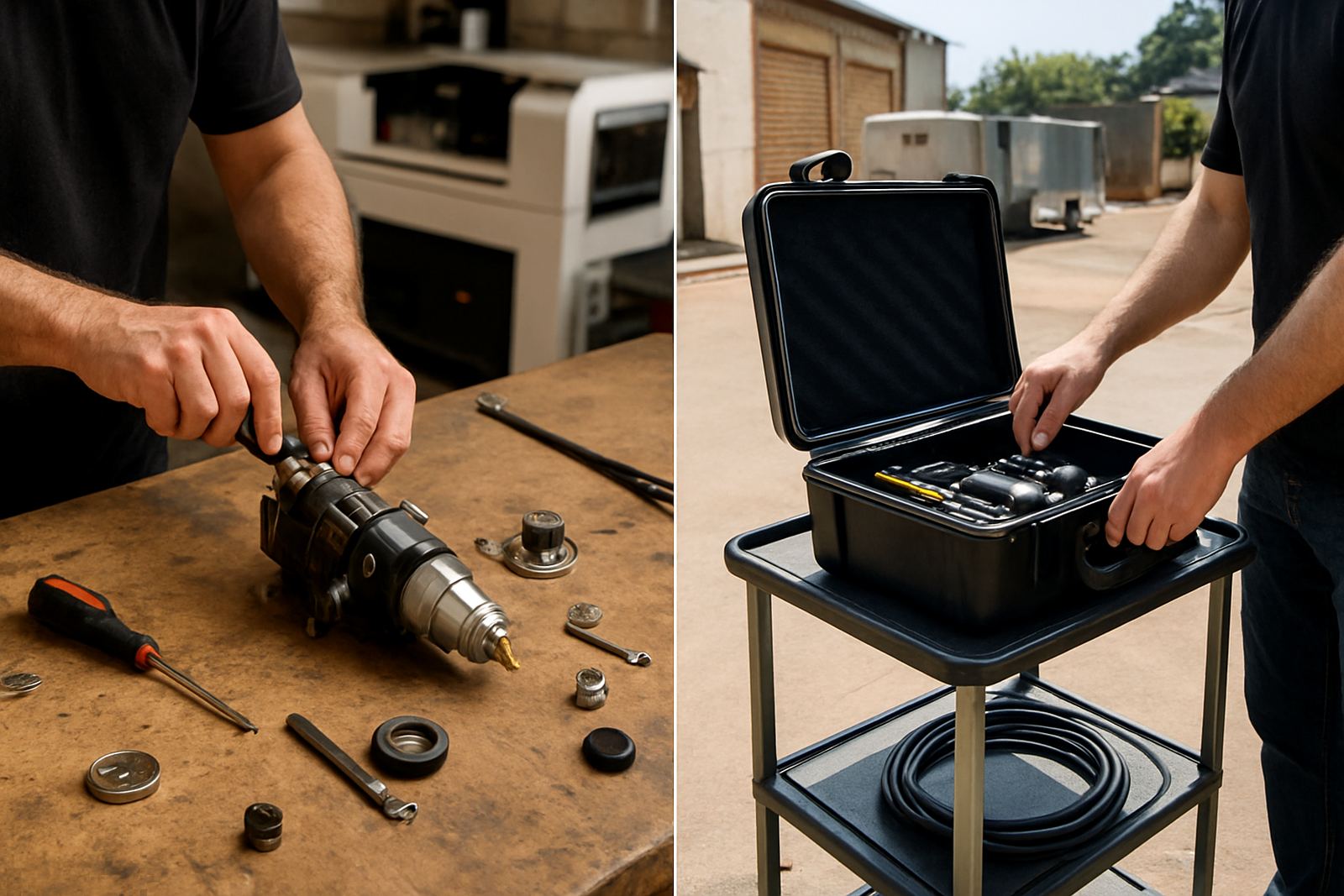
  • Strip and inspection after a head fault or poor cut result
  • Nozzle seat restoration when the face is no longer true
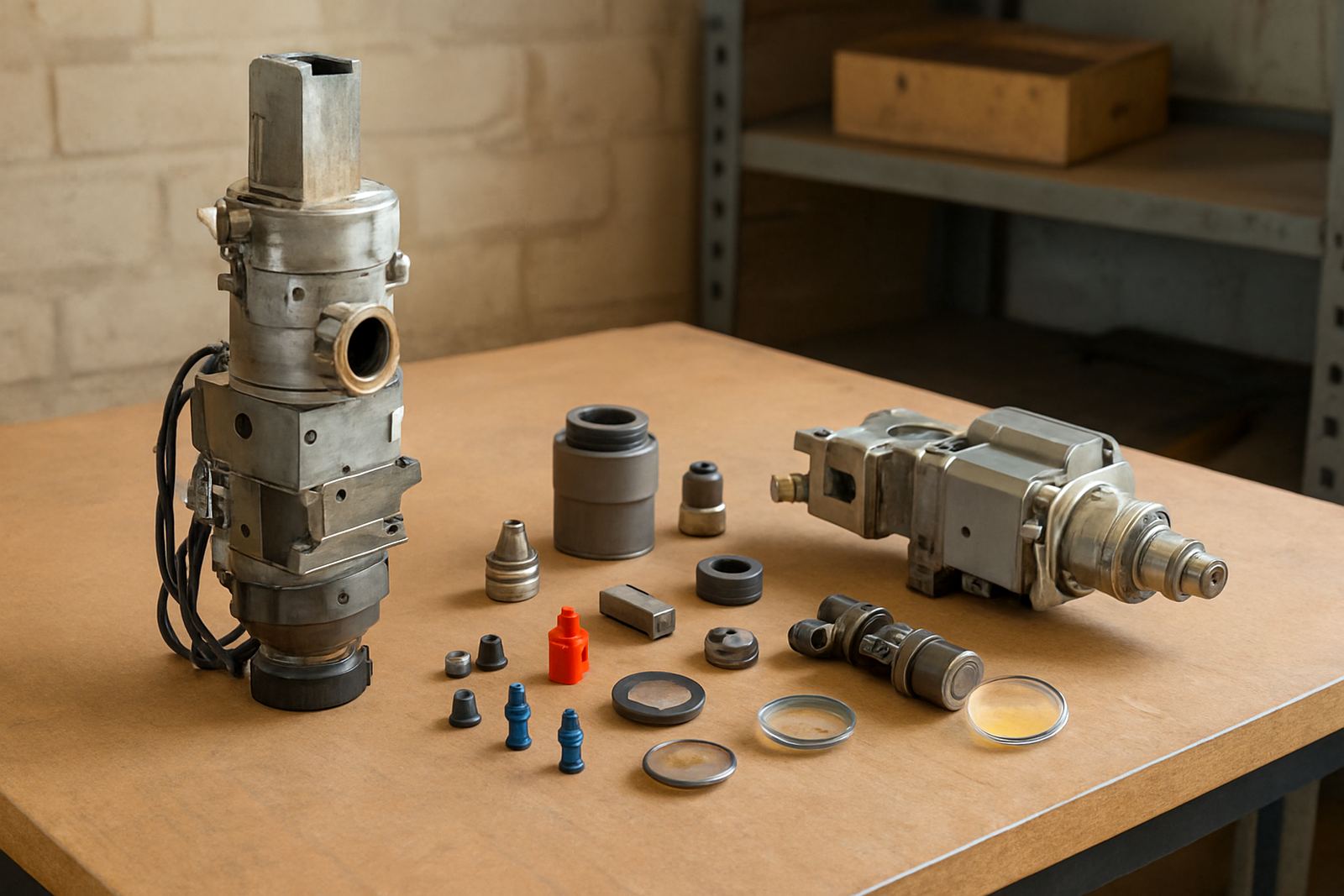
  • Lens and window replacement before damage spreads to the rest of the head
  • Sensor ring service and ceramic holder change after wear or impact
  • Internal cleaning, gas path service and head alignment checks

Why Reliability Articles Matter on a Shop Floor

Laser work is often judged by the cut on the day, but the real cost is what happens when a machine sits idle. A small fault can hold up nesting, delay welding prep or leave a signage order unfinished. For that reason the journal gives attention to warning signs, service intervals and the repairs that should not be pushed out too long.

In areas with load-shedding, high dust levels or coastal humidity, regular checks matter even more. A protective window can cloud faster than expected, and a head that was bumped during material loading may still cut for a while before the fault becomes visible. Good articles help teams spot these signs early and plan the repair before the job schedule starts slipping.

Repair Decisions for Fibre and CO2 Systems

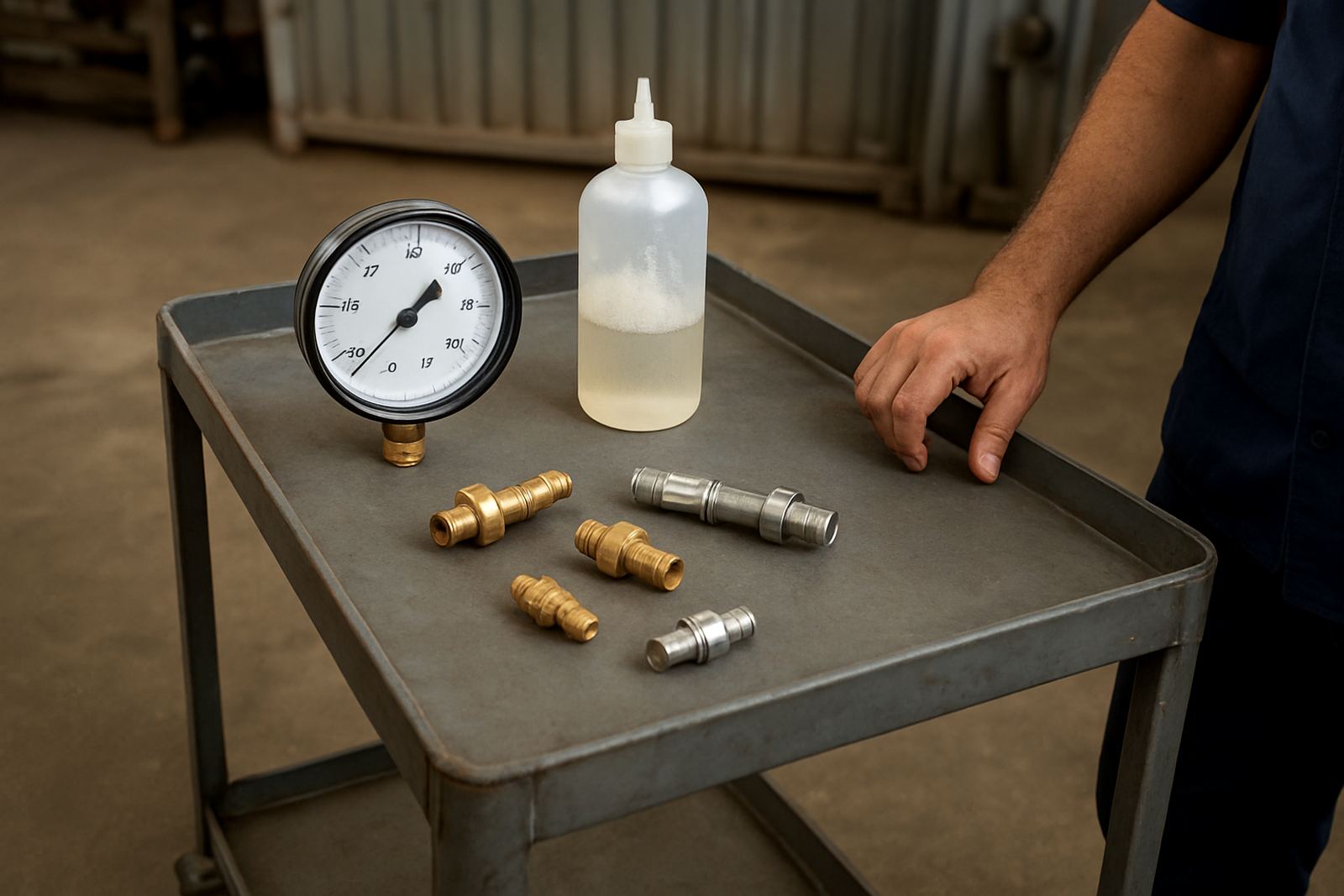
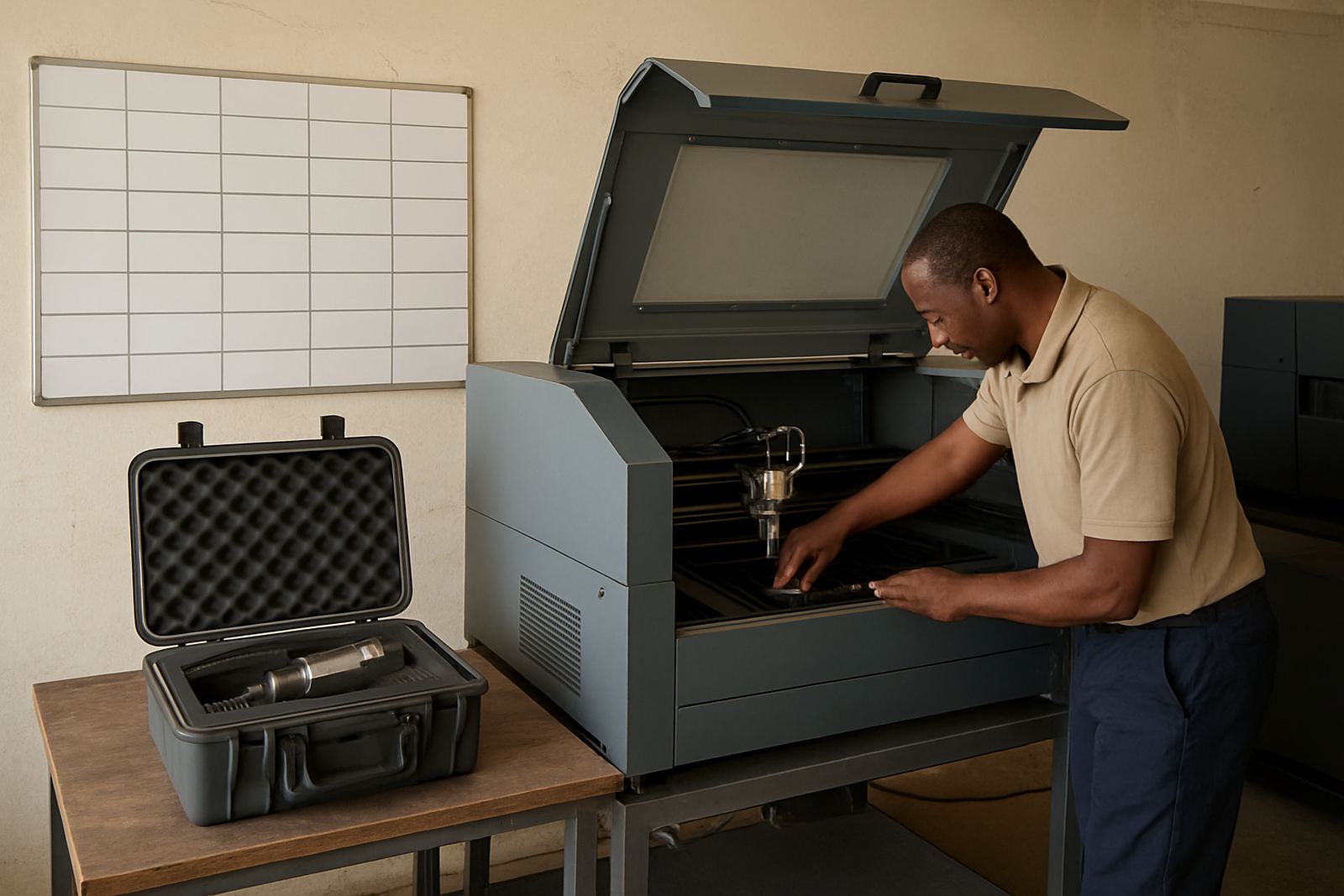
Not every fault needs the same response. Some machines need a fast replacement part, others need a careful bench pressure test and return to service test before going back into production. The journal explains the reasons behind those decisions so that workshop managers and maintenance staff can choose the right path with less guesswork.

That includes when to keep a unit on site for limited work and when to bring it in for a deeper repair. It also covers the parts that should be inspected together because one worn component often points to another issue nearby, not just one bad part.

  • Know when a quick swap is enough
  • Know when a full internal clean is worth the time
  • Know when alignment and pressure testing should come before restart

Use the Journal Alongside Direct Service Support

The Workshop Journal is a reading space, but it sits alongside practical repair support for workshops and fabricators across South Africa. If an article points to a fault that needs action, clients can reach the team through the enquiry form on the contact page for guidance on diagnosis, bench repair or on site service.

From Boksburg base and the surrounding support areas including Germiston and Kempton Park, the service team works with job shops, signage plants and metal fabricators that need reliable laser uptime. The journal helps you understand the issue better, so when you ask for help you already know what to check and what to report, which saves time and some back and forth.

Questions we get asked

Who should read the Workshop Journal?

It is written for laser users, maintenance staff and fabrication owners who need practical guidance on machine reliability, cutting head care and repair decisions.

Does the journal cover both fibre and CO2 laser systems?

Yes. The articles cover both system types, with attention to cutting heads, optics, wear parts and the service checks that affect uptime.

Can I use the journal to decide when a repair is needed?

Yes. The articles help you spot warning signs, compare repair options and decide when a bench service, on site visit or parts replacement makes sense.

Planning something? Send the team a message.

Contact form