Why One Idle Laser Can Cost More Than the Call-Out
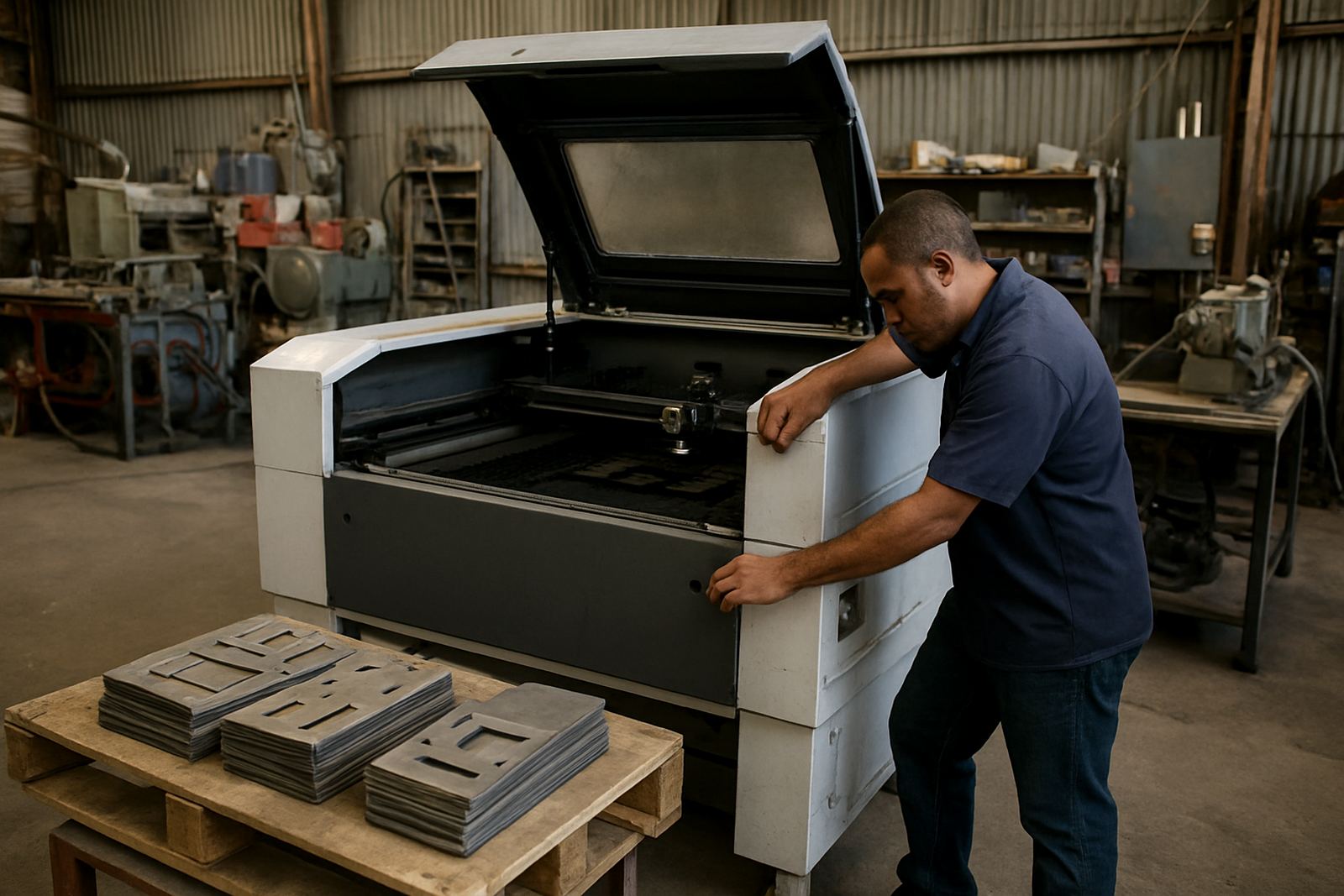
Most workshops know the direct cost of a failed laser, but the bigger loss is often the work that cannot move while the machine is down. If your shop runs sheet metal parts, sign panels or production batches, even a half day off line can throw off packing, transport and customer handovers.
In Boksburg and across Ekurhuleni, many fabricators work with tight deadlines and shared machines. When one cutter stops, the rest of the team ends up waiting on the same bottleneck. That is why repair speed matters just as much as repair quality.
The real cost is not only the technician fee. It is the missed shift, the rush labour, the scrap from hurried recovery and the phone calls to explain delays. For many shops, a fast diagnosis on site or on the bench saves far more than a slow wait for the problem to get worse.
What Usually Slows a Laser Machine Down
Laser faults do not all look the same. Some start with poor cut quality, others with a crash or a sudden alarm. In fibre and CO2 systems, small wear points can build into bigger failures if the head is left in service too long.
- Nozzle damage from a collision or poor alignment
- Dirty or cracked lenses and protective windows
- Worn sensor rings that confuse head feedback
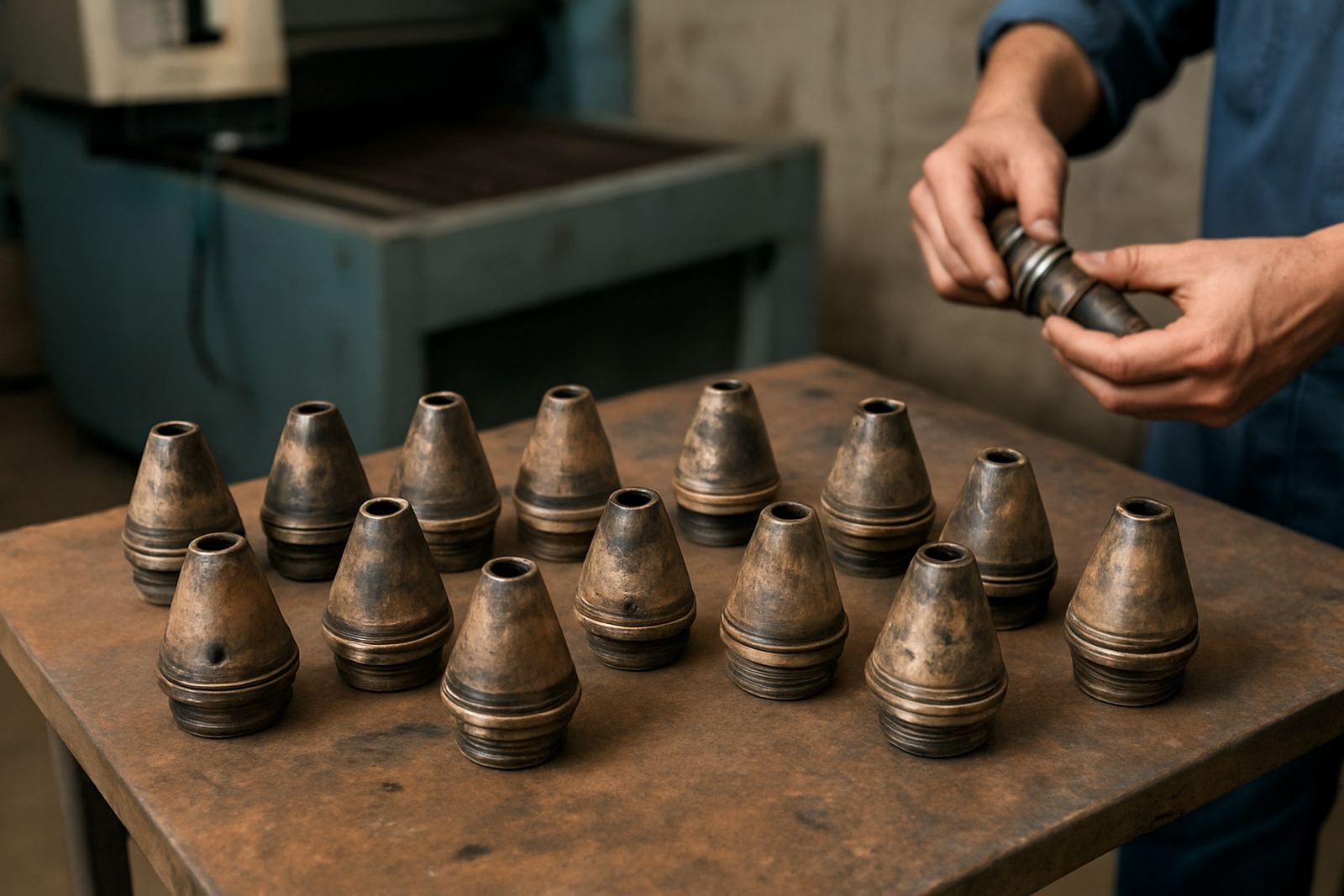
- Ceramic holder damage from heat and impact
- Contamination in the gas path that affects cut stability
A machine can still power up and yet produce poor edges, dross or inconsistent piercing. That is why a proper inspection should not stop at the obvious broken part. A good technician checks the full head condition, not just the visible damage.
The Difference Between a Quick Fix and a Proper Repair
A quick fix might get the machine moving for a few hours, but that does not always mean the issue is resolved. If the nozzle seat is damaged, or the lens mounting is out, the same fault can return as soon as pressure, heat or vibration builds again.
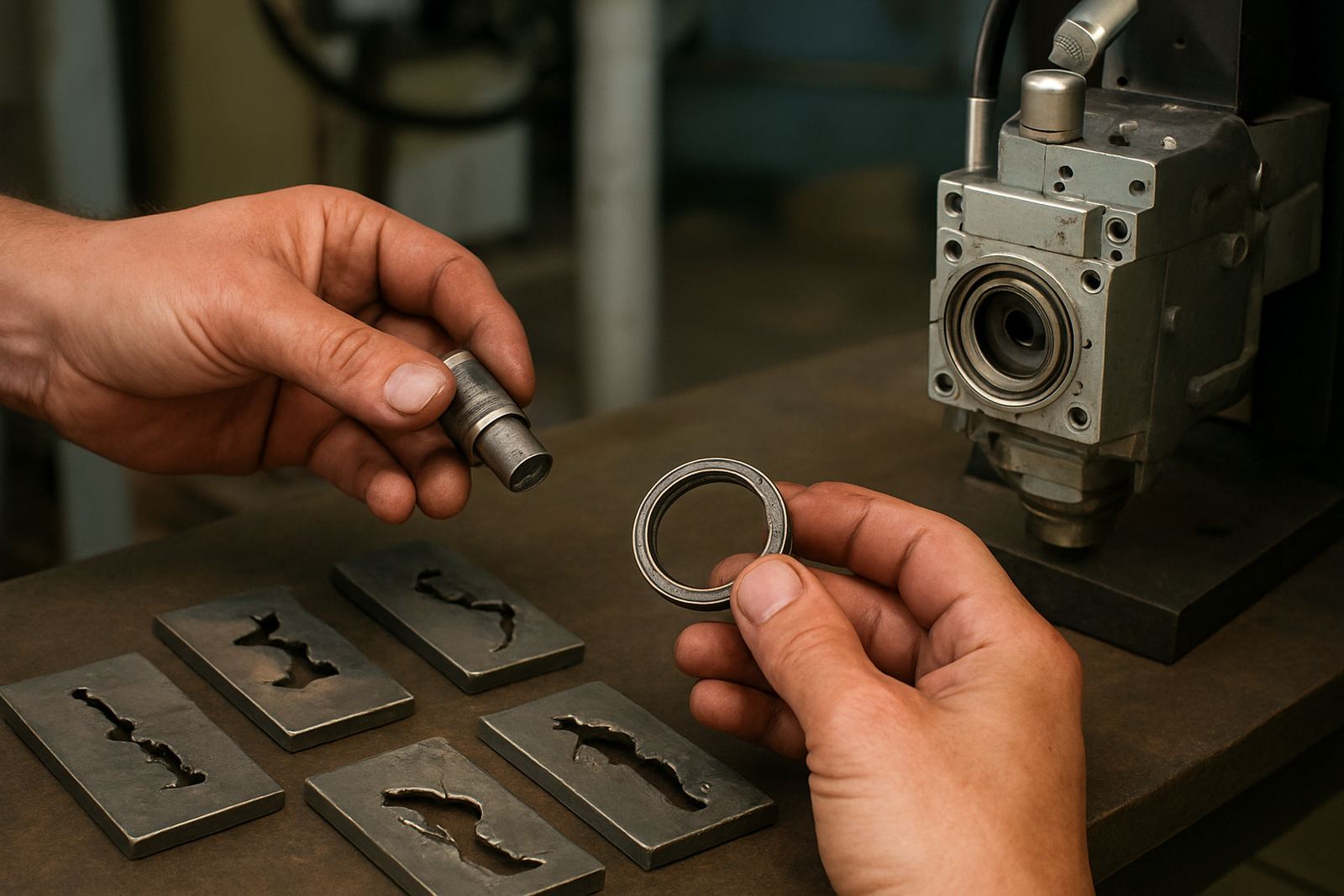
Proper repair means stripping the cutting head, inspecting wear points and replacing the parts that no longer hold tolerance. That can include nozzle seat restoration, lens replacement, window replacement and cleaning of internal passages. It also means checking alignment before the machine goes back into production.
For shops running long shifts, a return-to-service test matters because it shows whether the head is stable under working conditions. If the cut is not verified before restart, the first production run becomes the test and that is expensive.
How Bench Repair Helps When the Shop Cannot Wait
Some faults can be handled on site, especially when the issue is linked to alignment, cleaning or a visible head problem. Other jobs are better taken to the bench where the technician can inspect components properly and work with the right tools.
Bench repair is often the better call when there has been a collision, repeated cut defects or internal contamination. It allows for strip and inspection, pressure testing and a controlled rebuild. That helps avoid a rushed install that doesnt solve the problem.
- Stripping the head to check hidden wear
- Testing pressure and gas flow paths
- Replacing damaged optical parts
- Cleaning internal sections that collect dust or residue
- Confirming the head is ready before it returns to the line
A Local Example from an Ekurhuleni Production Floor
A fabricator in Germiston with a fibre laser had a head collision late on a Thursday afternoon. The machine still powered on, but the cut edge was rough and piercing became unreliable. They had export work booked for Monday, so waiting for a full machine rebuild was not an option.
The first step was a strip and inspection, followed by collision damage repair, nozzle seat restoration and replacement of the worn protective window. The head was then aligned, pressure tested and checked again before return to service. By the end of the next shift, the machine was back in production and the backlog was under control.
That kind of turnaround matters because the customer did not need a lecture, they needed output. In manufacturing, speed only matters when it is backed by proper testing and a clean handover.
Planning for Uptime Before the Next Fault Arrives
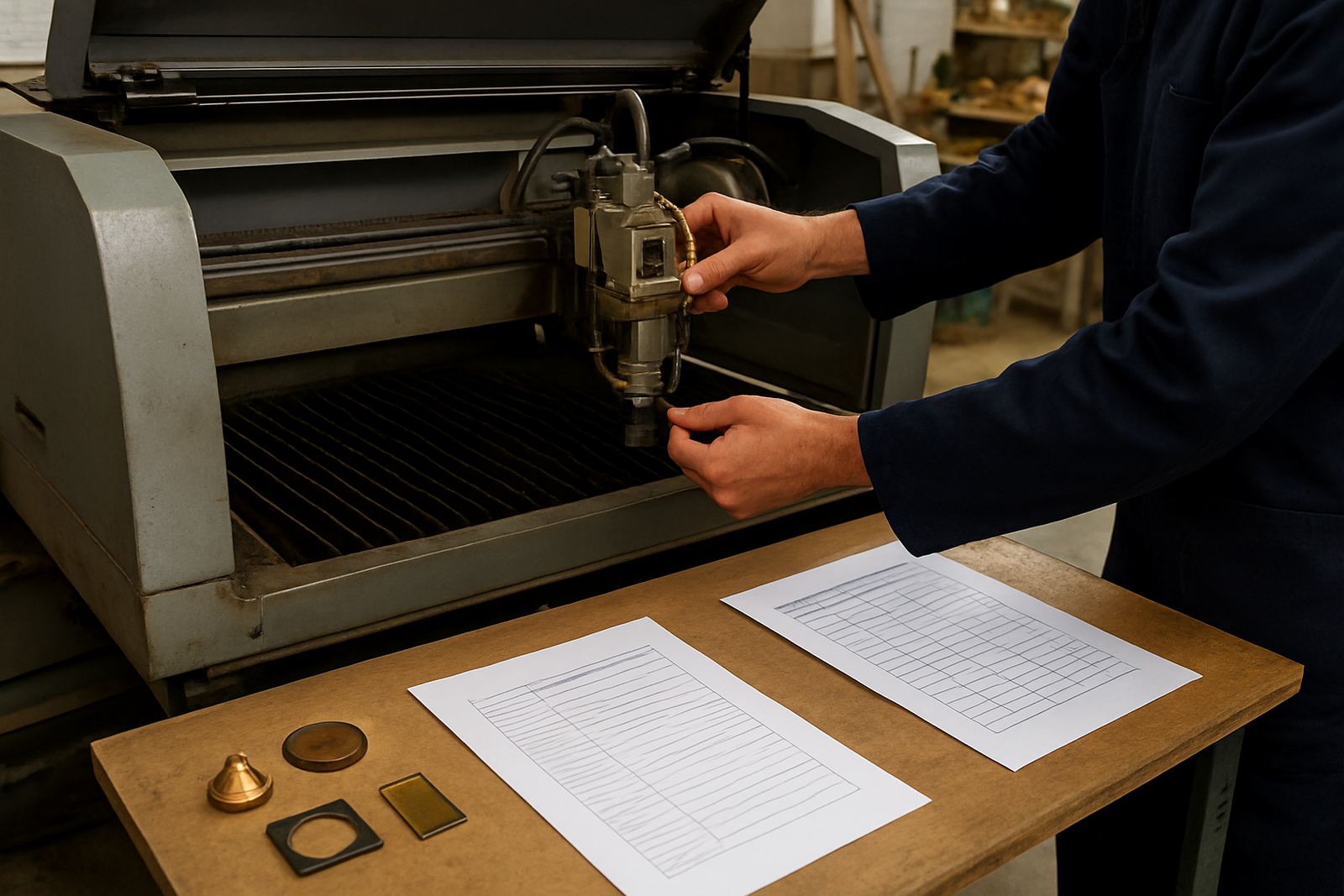
The best downtime plan is the one you set up before the machine fails. Workshops that keep spare nozzles, lenses and protective windows on hand can recover much faster after small faults. The same applies to regular head checks, cleaning and pressure testing before the busy season starts.
Load-shedding, dust and coastal humidity all add pressure to laser equipment. In places like Durban, moisture can affect storage and inspection routines. In Gauteng, dust and long operating hours can shorten the life of consumables. A planned service rhythm helps reduce surprise stoppages and keeps the machine ready for the next order.
- Keep the most used consumables in stock
- Book checks before a major production run
- Log every cut fault, collision and alarm
- Replace worn parts before they fail under load
- Choose repair support that can work on site or on the bench