What a worn nozzle does to the cut
A nozzle is a small part, but it does a big job. It centres assist gas, keeps the flow steady and helps the beam leave the cutting head cleanly. Once the edge is damaged, the machine may still cut, but the cut quality starts drifting in ways that are easy to miss at first.
The first signs are usually uneven kerf width, more burr on one side, and piercing that takes longer than normal. On mild steel you may see stubborn dross that needs extra grinding. On stainless and aluminium, a worn nozzle can leave a rough edge that looks like poor settings, when the real fault is the tip itself.
In many shops the nozzle is treated as a consumable with a fixed life, but actual wear depends on collisions, gas quality, dirt in the air line and how often the head runs close to the sheet. A nozzle that lasts well in one factory can fail early in another, so the pattern matters more than the calendar.
The wear marks technicians look for
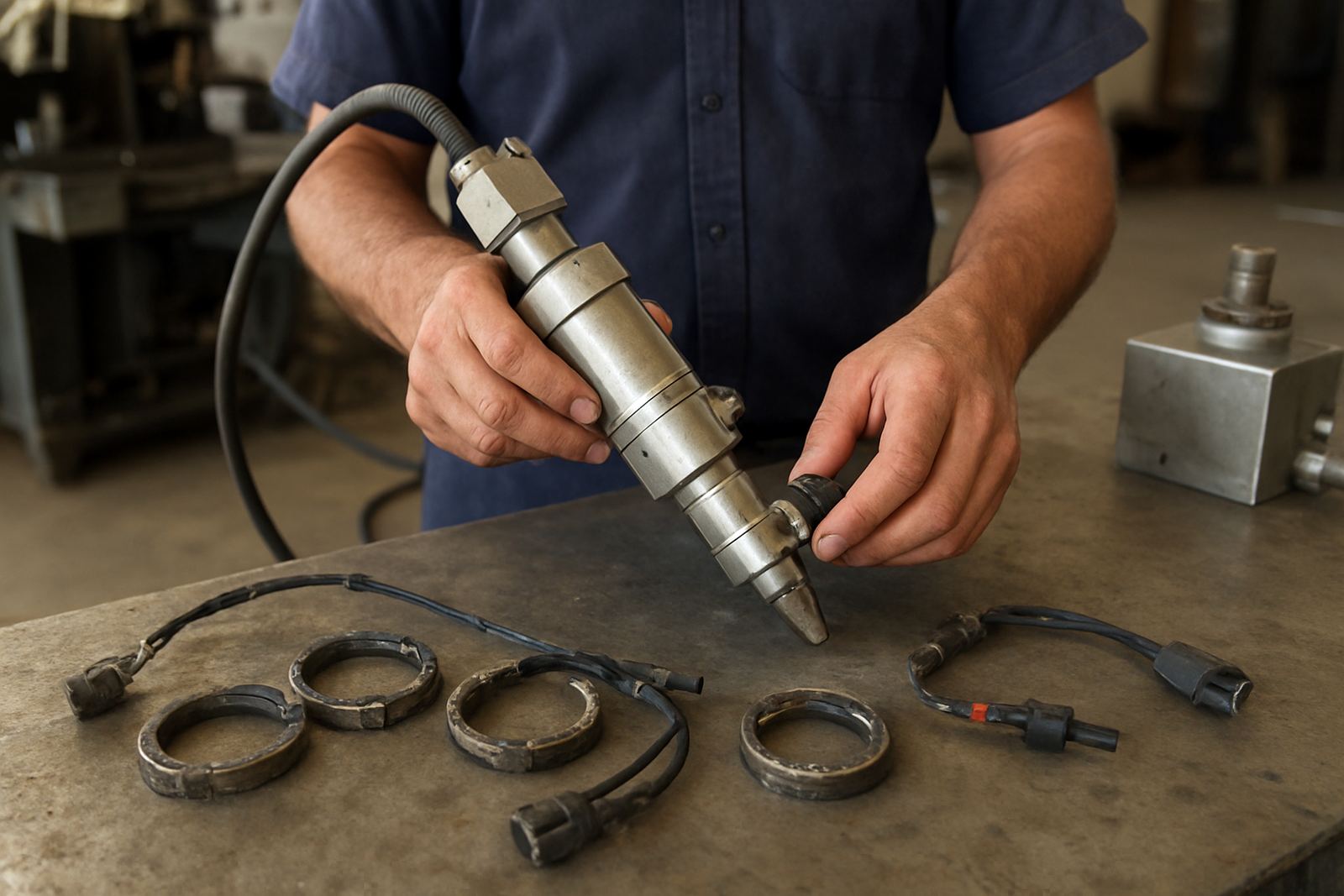
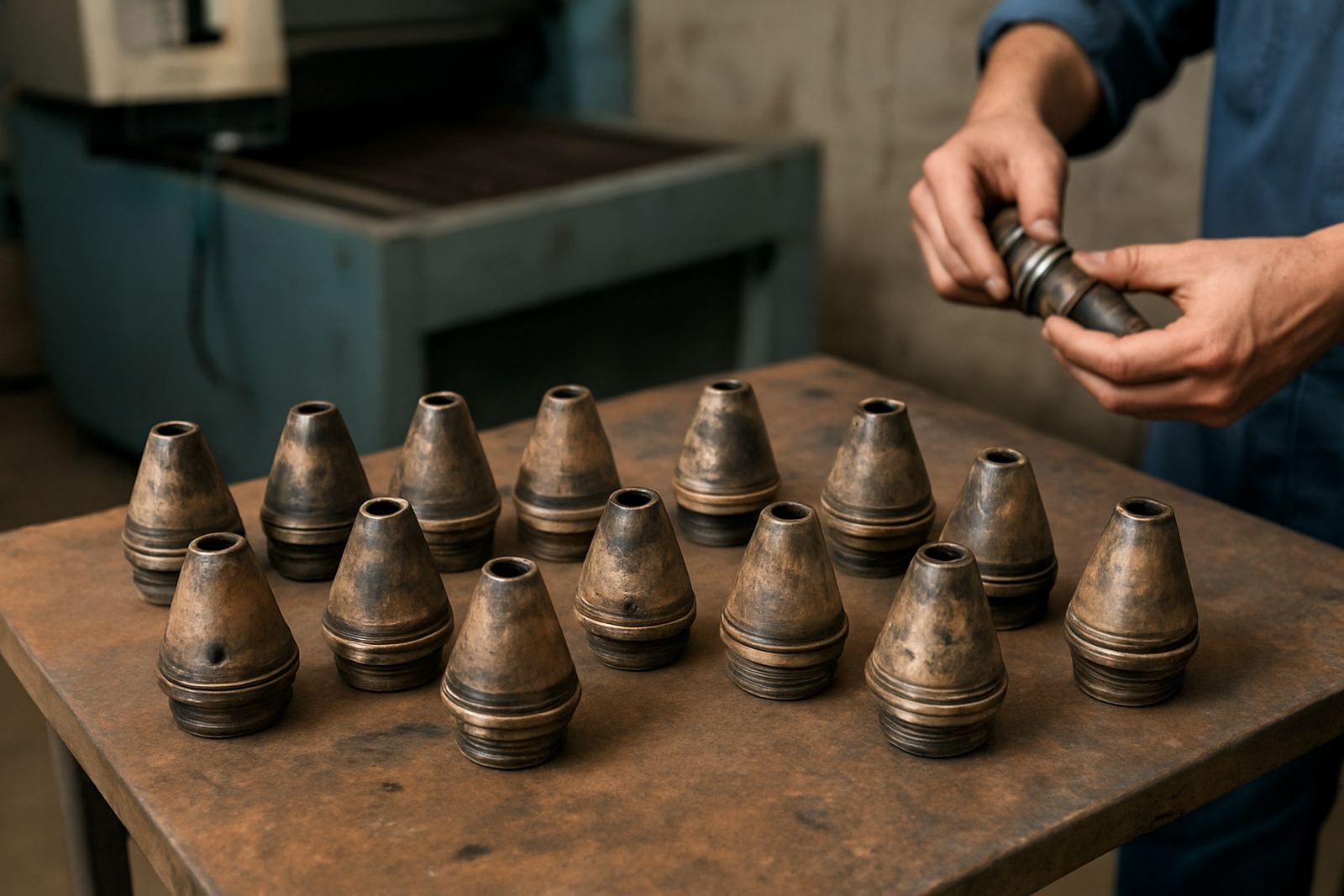
During strip and inspection, our technicians check the nozzle under magnification and compare it with the cut fault reported by the operator. A nozzle can look almost fine from a distance, yet have a distorted or chipped outlet that sends the gas off-centre. That slight shift is enough to make a good machine behave badly.
- Oval or enlarged orifice instead of a clean round opening
- Edge chips after sheet contact or head crash
- Heat staining around the tip after long runs
- Build-up of spatter or fine slag inside the nozzle
- Gas streaking or unstable pierce marks on repeat jobs
We also look at whether the nozzle seat, ceramic holder and sensor ring have been affected. If the nozzle was struck hard, the damage often goes deeper than the tip itself. In that case replacing only the nozzle is a short term fix, not a proper return to service.
Cutting faults that point to nozzle trouble
Not every bad cut means nozzle wear, but some faults appear again and again. If the machine starts producing angled cuts, inconsistent pierces or extra spatter at the start of the cut, the nozzle should be checked before you chase settings for hours. That saves time and helps avoid wasting sheets.
- Excess dross on the bottom edge
- More frequent pierce failures on thicker plate
- Laser head knocking or clipping at the start of a run
- Cut edges that vary between nested parts
- Gas use rising without a clear reason
On fibre systems, nozzle wear can be blamed on power, focus or gas pressure when the real issue is a damaged tip. On CO2 systems, a worn nozzle may show up as dirty corners and a wider heat affected zone. The pattern of the fault usually tells you where to look first.
Why workshops in Gauteng see this problem often
In Boksburg, Germiston, Kempton Park and the wider Ekurhuleni area, many cutters run long shifts on mild steel, stainless and aluminium. That means the head spends a lot of time close to the sheet, with plenty of chance for contact, dust and fine metal particles to work their way in. Add load-shedding, hurried restarts and repeated production pressure, and a nozzle can be damaged before anyone notices.
A local job shop in Boksburg recently brought in a fibre cutter that was leaving rough edges on 3 mm stainless and burning through nozzles faster than expected. The fault was traced to repeated minor head contact after a bed height issue, plus a slightly damaged nozzle seat. Once the seat was restored and the head checked on the bench, the cut quality returned and the customer stopped changing consumables every few days.
That is the point of practical repair work: fix the cause, not just the symptom. If the nozzle keeps wearing too quickly, there is often a setup issue, a collision history or a gas path fault behind it.
What to replace when the nozzle is no longer enough
Sometimes a nozzle change is enough. Other times, the repair needs a fuller inspection of the cutting head so the machine does not come back with the same fault a week later. A proper service checks the parts around the nozzle as well as the nozzle itself.
- Nozzle seat restoration where the mating face has been marked
- Lens replacement if spatter or contamination has reached the optic
- Window replacement if the protective glass is clouded or pitted
- Sensor ring service when the head is no longer tracking correctly
- Ceramic holder change after a collision or cracked insulation
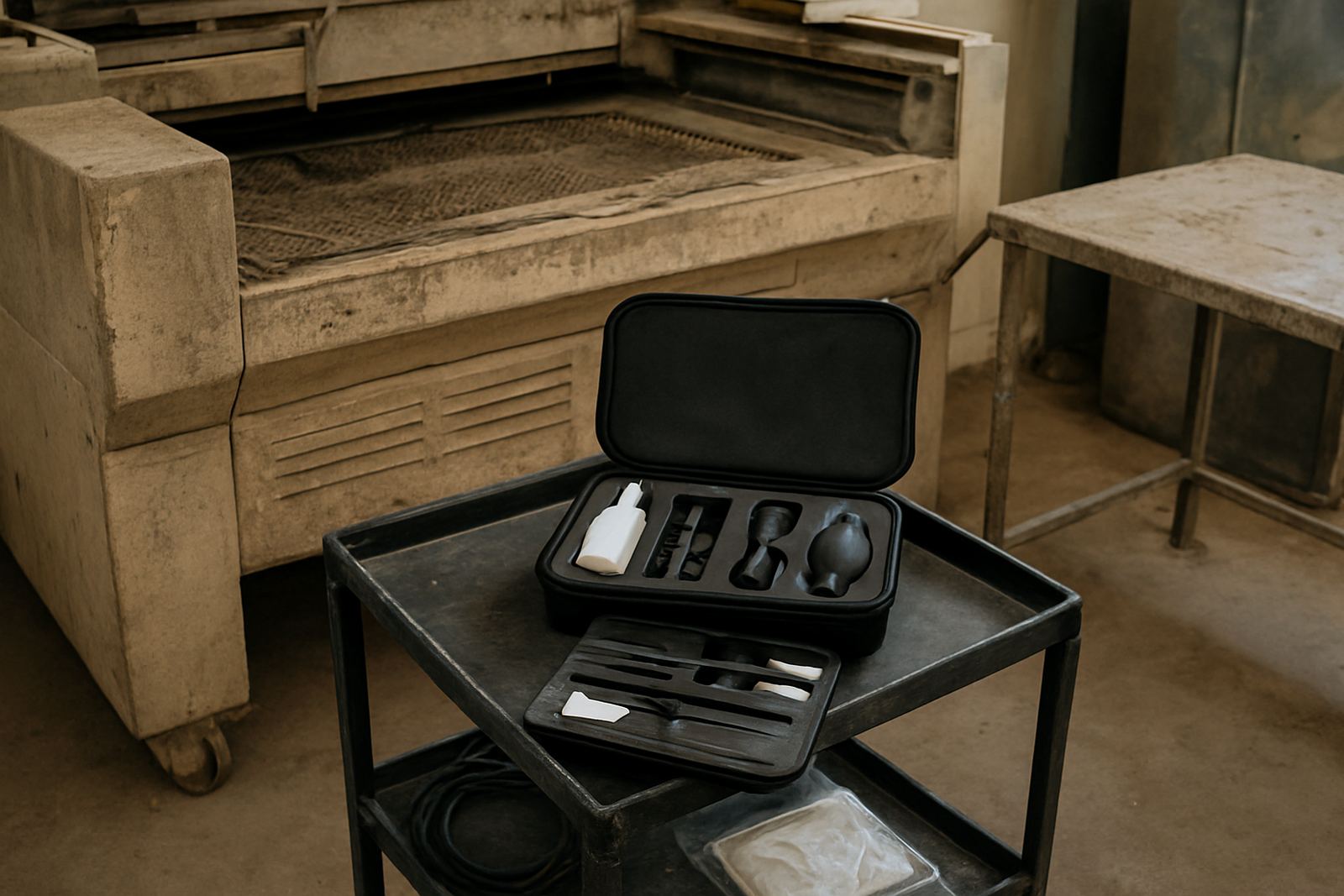
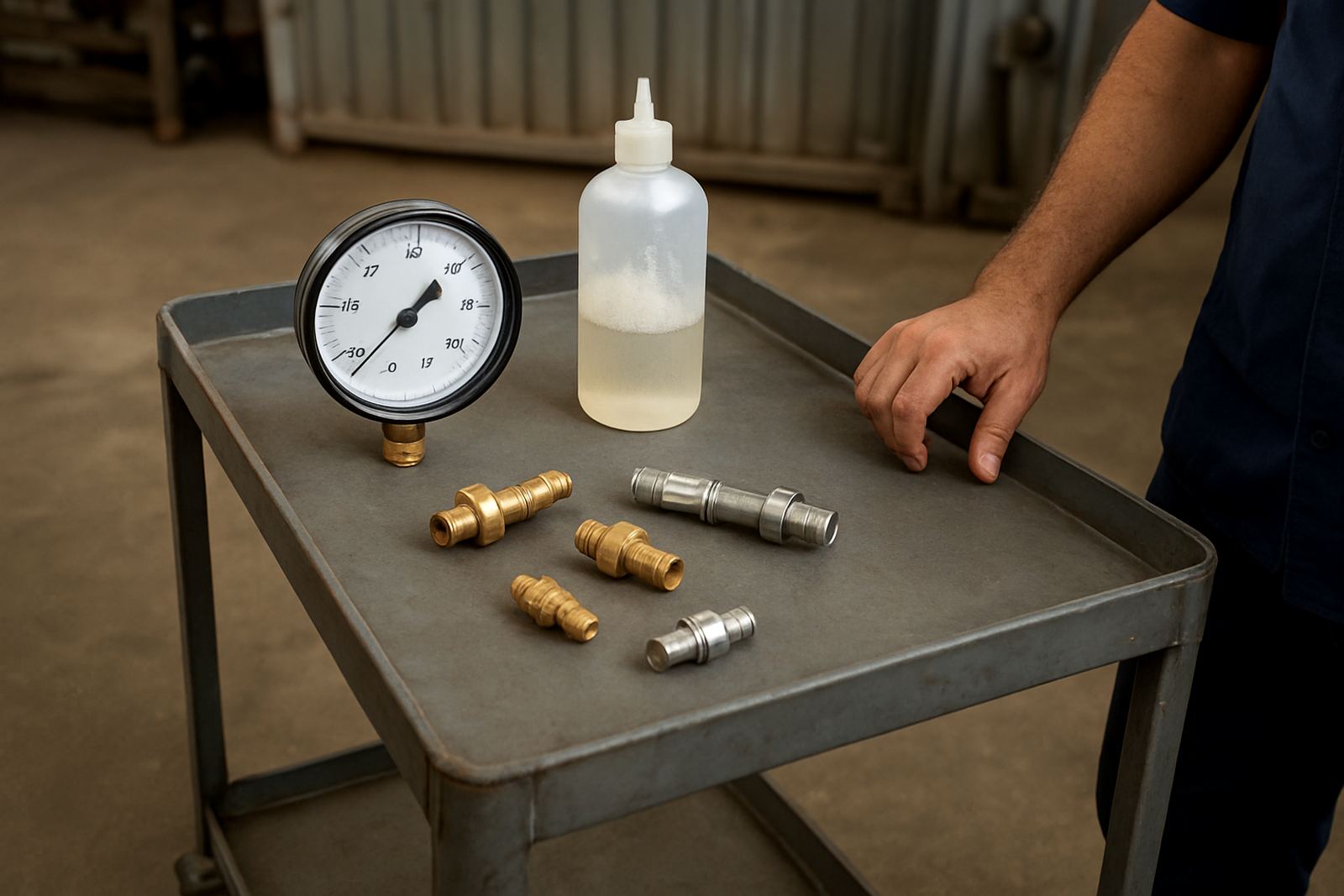
We also carry out gas path service, internal cleaning and head alignment checks. If the machine has been down for a while, a bench pressure test and return to service test help confirm that the head is holding pressure and cutting as it should. That way the operator is not left guessing once the shift starts again.
A practical replacement habit that keeps downtime short
The best habit is simple: inspect before the nozzle fails completely. If a machine is cutting more parts per day than usual, or if the operator notices a small change in edge quality, the nozzle should be checked at once. Waiting until the cut becomes obviously bad usually means more scrap and more cleaning later.
For busy fabricators in Johannesburg, Pretoria, Vanderbijlpark, Durban and Cape Town, this can be the difference between a one hour repair and a lost day. Keep spare nozzles on hand, but do not assume a fresh nozzle will fix a collision fault or a dirty gas path. A clean handover between workshop and machine room matters, even if the day is hectic and the orders are urgent.
Laser Ray Tools supports fibre and CO2 systems on the bench and on site across South Africa. If nozzle wear is starting to affect production, the fastest route is to have the head inspected, the damaged parts replaced and the machine tested back into service. Small faults do not stay small for long.