When the cut starts changing before the machine stops
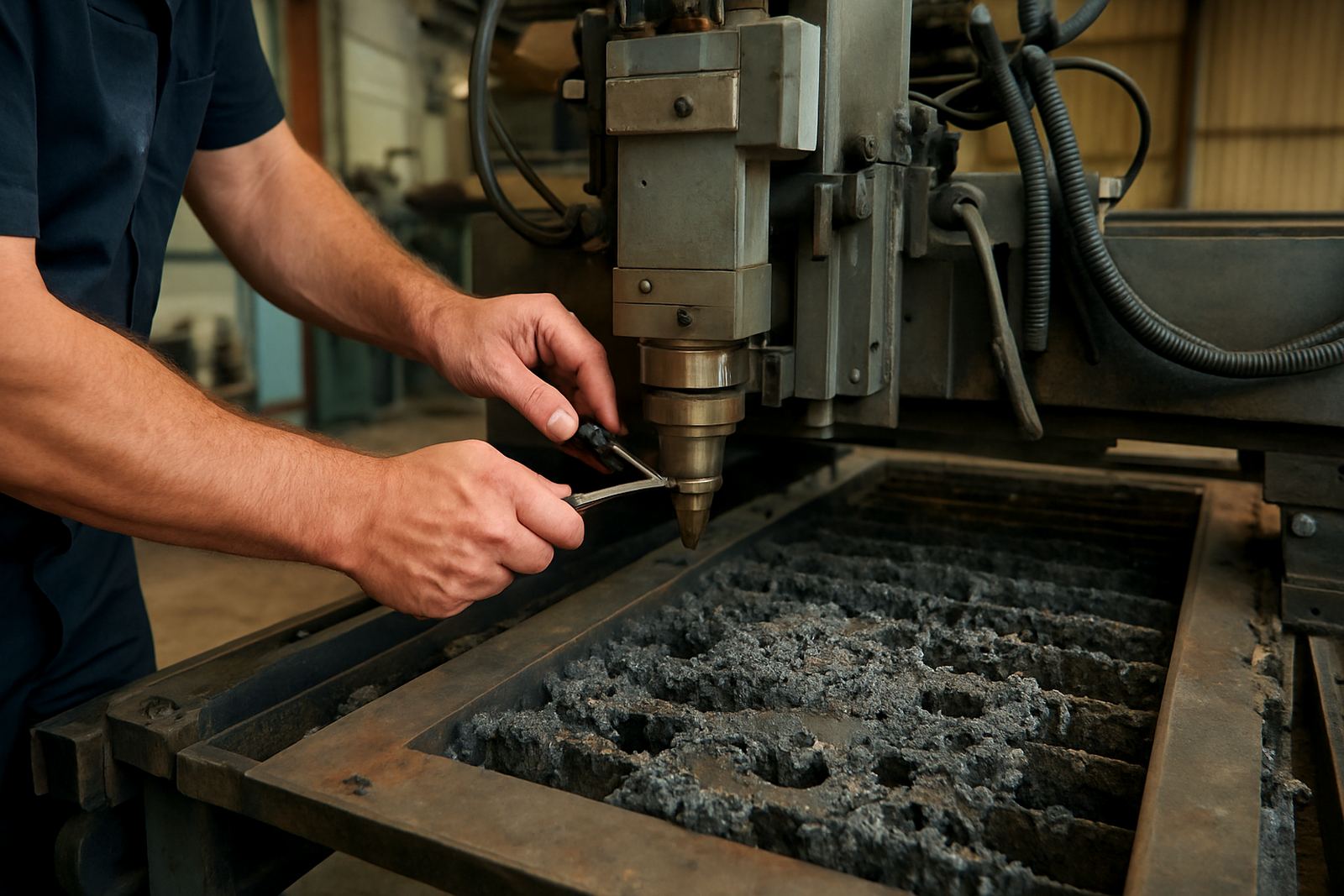
A leak in the assist gas line or cutting head rarely arrives with a loud warning. More often, the job still runs but the cut edge changes first. You may see heavier dross, more soot on the lower edge, or a cut that needs a second pass even though the material and settings have not changed.
That is why gas leaks are easy to miss in busy shops. Operators often blame material thickness, a blunt nozzle, or poor nesting. Those things can play a part, but if the same job that cut clean last week now leaves a rough edge, the gas path deserves attention.
On fibre and CO2 systems, a leak can sit in the head, the hose run, fittings, or even a worn seal near the nozzle seat. The machine may still fire normally, so the problem shows up as poor assist gas pressure at the point where it matters most, right at the cut.
Common clues that point to a leak in the head or line
There are a few workshop clues that come up again and again. Some are visual, some are felt at the machine, and some only show when the cut quality drops under load. If two or three of these show up together, it is time to inspect the gas path, not just the programme.
- Pressure at the regulator looks normal, but the cutting head does not hold steady flow.
- Cut edges darken or become rough on mild steel, especially on long runs.
- The machine struggles on thicker plate even when lens and nozzle are correct.
- You hear a faint hiss near the head, fittings, or hose route.
- The nozzle seat or ceramic holder shows wear, soot, or heat marks.
- Gas usage climbs without a clear change in workload.
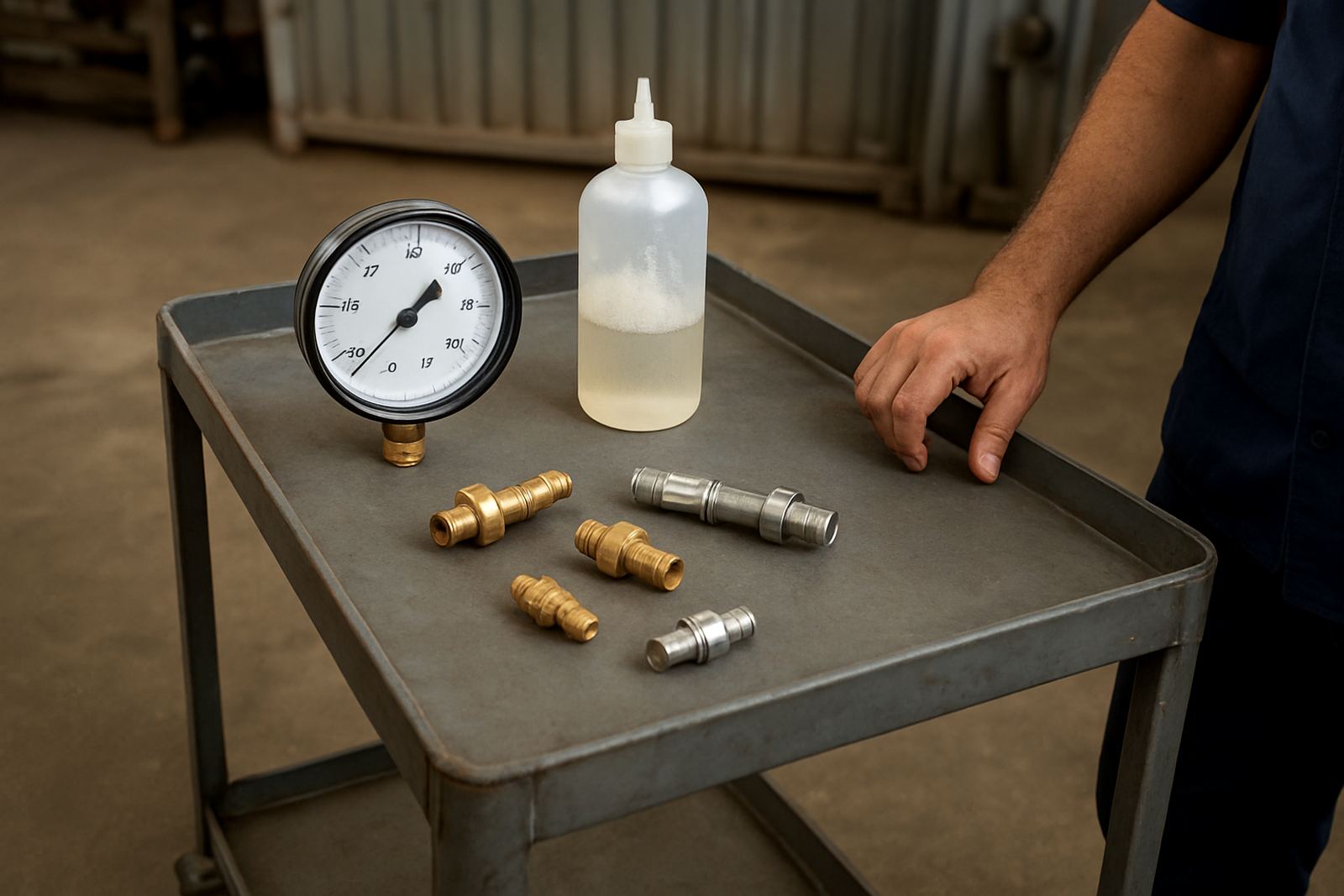
If the leak is small, the machine can still pass a quick test. That is why a proper pressure check at the head matters more than a glance at the cylinder or plant supply. A line that looks fine on the wall can still drop pressure under flow.
Why the problem often starts after a collision or rough service
Many gas leaks begin after a cutting head knock. Even a light collision can disturb the nozzle seat, crack a ceramic holder, or shift the internal alignment enough for gas to escape where it should be focused. In a busy fabrication shop, one bad bump on a sheet edge can create a fault that only shows up days later.
Wear also creeps in over time. O-rings harden, protective windows trap dirt, and repeated nozzle changes can leave the seat uneven. In coastal areas like Durban the extra humidity and airborne dirt make this worse, while in dusty inland shops the contamination gets into the head and shortens seal life. It is a slow failure, not a sudden one.
At Laser Ray Tools we often see heads that have been pushed back into service after a minor collision, only for the leak to return because the internal damage was never properly stripped and checked.
What to check before you send the machine out of production
A full strip is not always the first step, but a careful inspection can save a day of lost output. Start with the easy checks, then move toward the head if the fault stays in place. Keep the gas supply stable while you test, and avoid changing too many variables at once.
- Confirm the supply pressure at the source and at the machine input.
- Inspect hose runs for kinks, abrasion, loose clamps, or damaged fittings.
- Check the nozzle, nozzle seat, and ceramic holder for wear or carbon build-up.
- Look for dust or oil inside the head body and around the lens area.
- Run a pressure test at the bench if the leak is not obvious on site.
For shops in Johannesburg or Pretoria that run long shifts, this approach helps you decide whether the fault is on the line side or inside the head. If the pressure falls only when the head is under load, the leak is likely closer to the nozzle path than the main supply.
How we trace gas leaks in fibre and CO2 systems
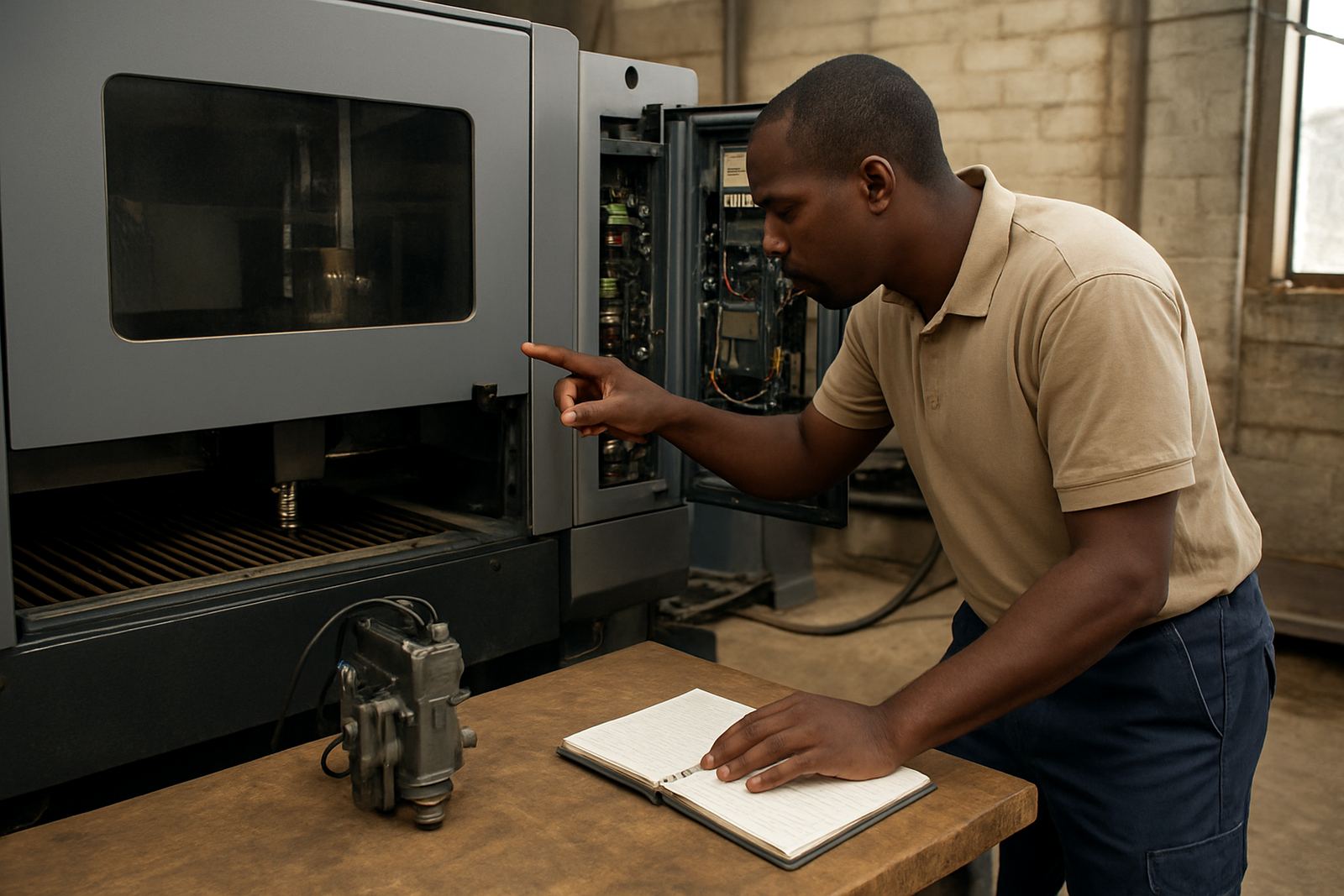
Our work usually starts with strip and inspection, then moves to gas path service and head alignment check if needed. We look at the complete path, from the line connection through to the nozzle area, because a leak may have more than one cause. A worn sensor ring, damaged seal or cracked holder can all contribute.
When a repair is needed, the aim is to restore cutting-head performance without unnecessary parts changing. That means replacing the parts that are worn, cleaning the internal passages, and checking the head under pressure before it goes back into production. If the issue came from a collision, we also test for any hidden distortion that could bring the fault back after a few shifts.
For fabricators in Boksburg or Germiston with urgent orders on the floor, this bench work often shortens downtime compared with waiting for a machine to fail completely on site.
A local example from a busy Ekurhuleni workshop
A mild steel job shop in Ekurhuleni called in after noticing poor cut quality on 3 mm plate. The operator had already changed the nozzle and checked the pressure at the wall, but the issue remained. The machine still started normally, so the team expected a setting problem.
On inspection, the cutting head showed a worn nozzle seat and contamination inside the gas path. The leak was small, but it was enough to disturb assist gas flow under load. After internal cleaning, seat restoration and a return to service test, the cut edge improved and the machine was back on shift that afternoon. No drama, just proper fault finding.
That is the real risk with gas leaks. They do not always stop production at once, but they quietly eat into quality, gas use and output until someone traces the cause.
Signs it is time to book bench or on site service
If you are seeing repeated bad cuts, unstable pressure, or a hiss that will not go away, get the head checked before the next rush order lands. The same applies after a head collision, a nozzle seat change that did not fully solve the issue, or a pressure test that looks fine at the supply but weak at the cutter.
Our team supports workshops and fabricators across South Africa from Boksburg, with support areas in Johannesburg, Pretoria, Vanderbijlpark, Durban, Cape Town, Germiston and Kempton Park. We handle diagnosis, parts supply, bench repair and on site service so your line can get back to work as soon as possible.
If you need help with a suspected gas leak in the head or line, use the enquiry form on our contact page and we will take it from there.