
Start With The Work Your Machine Actually Does
The first question is not how old the machine is, but what it cuts, for how many hours, and how often the head gets knocked or runs close to its limit. A light fabrication shop in Boksburg doing short runs on mild steel will need a different interval from a signage plant running acrylic and sheet metal through long shifts.
As a rule, high duty cycles, mixed materials and poor housekeeping shorten service intervals. If the machine is running in a warm bay with dust, grinding residue and load shedding starts and stops, small issues build up faster. That is when a routine strip and inspection can save a lens, a nozzle seat, or a whole cutting head. It is worth checking the machine before the trouble shows up, not after a job is late.
- Daily cutting over 2 shifts usually needs more frequent checks than occasional production
- Thin sheet, reflective material and dirty assist gas can all increase wear
- Repeated start-stop power cuts can affect alignment and sensor parts
What Shortens Service Intervals In South African Workshops
South African workshops deal with heat, dust, humidity and power interruptions all in one week. In Durban, coastal moisture can show up in corrosion, sticky parts and dirty optics faster than inland. In Pretoria and Johannesburg, dust from fabrication bays and grinding can settle on protective windows and inside the head. In Cape Town, wind-driven dust and salt air can both become a factor depending on where the plant is based.
Material choice matters too. Stainless steel, galvanised sheet and coated plate can leave more residue on nozzles and windows. If a job shop cuts across a wide mix of materials, the machine may need a head alignment check and internal cleaning sooner than a single-product line. A sensible interval is one that reflects the dirtiest work the machine sees, not only the clean jobs.
- Dust, oil mist and metal fines shorten the life of optical parts
- Humidity can affect storage, seals and electrical contacts
- Dirty assist gas or poor filtration can contaminate the gas path
Signs The Head Needs Attention Before The Next Shift
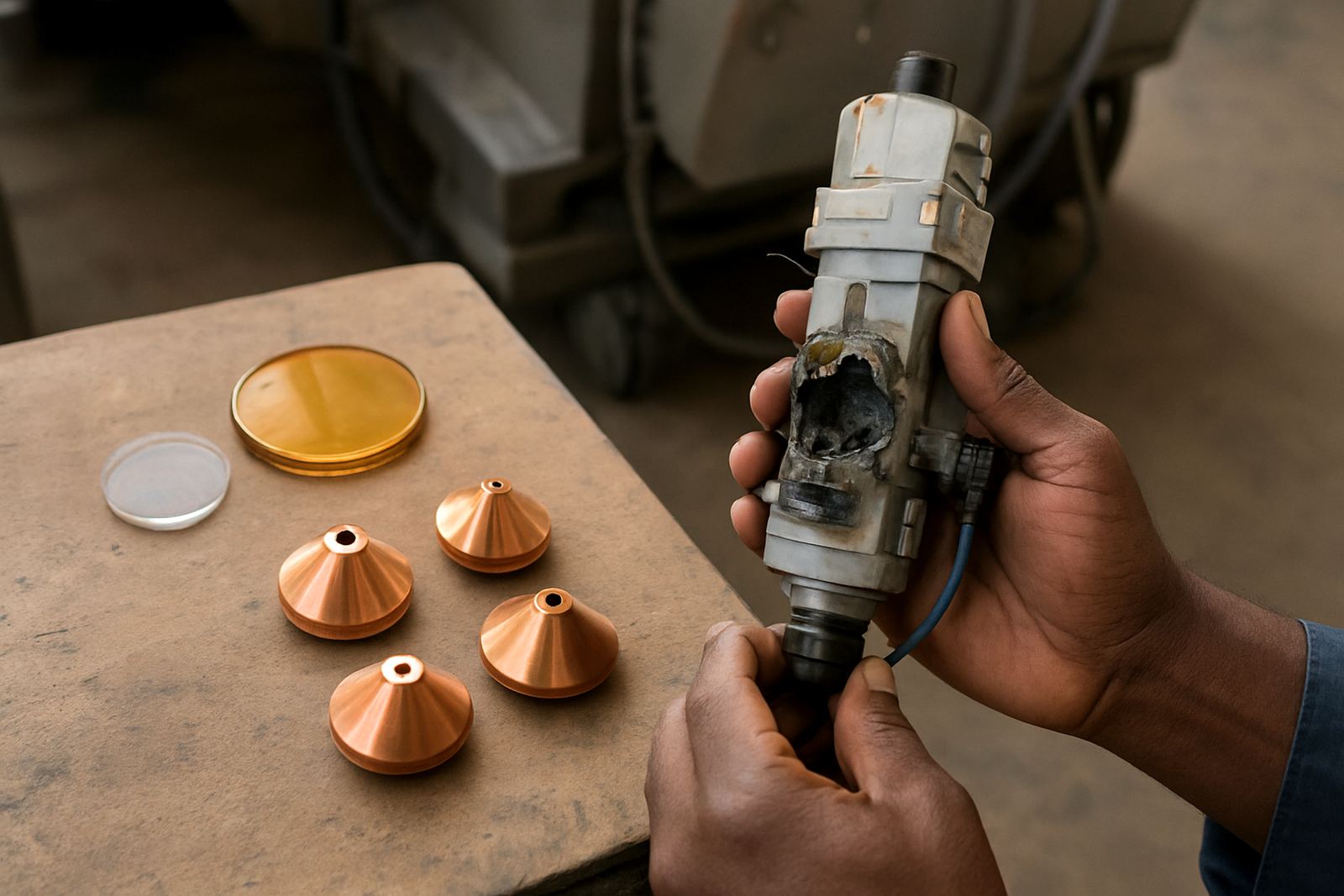
Most heads do not fail suddenly. They start with small changes that people often ignore because production is busy. If cuts begin to show taper, burrs, burning, or inconsistent pierce points, the service interval has already been pushed too far. A collision can also leave the head looking fine on the outside while the nozzle seat, ceramic holder or sensor ring is out of tolerance.
Watch for changes in sound, strange alarms, unstable focus and frequent nozzle changes. If operators are clearing faults more than once in a shift, that is not normal wear, it is a signal for diagnosis. The aim is to catch the problem while it still needs a bench repair and not a full rebuild.
- Cut quality drops even after parameters are checked
- Sensor alarms or intermittent faults keep returning
- Nozzles, lenses or windows fail earlier than expected
A Simple Interval Plan For Fibre And CO2 Systems
There is no single interval that suits every workshop, but there is a practical way to set one. Think in layers. Daily checks keep the machine safe. Weekly cleaning and visual inspection catch contamination. Monthly or quarterly service work handles wear, alignment and pressure testing. Heavy-duty plants may need a tighter cycle, while a smaller workshop may stretch the interval a bit if the machine is lightly used.
For fibre and CO2 machines, the exact schedule should reflect the cutting head, the gas system, and the workload. If the machine has had a collision, do not wait for the next planned service. Bring it in for a strip and inspection, then decide what must be replaced and what can be cleaned or adjusted. That is usually cheaper than running it until the next fault appears.
- Daily: clean external surfaces, check for alarms and unusual cut marks
- Weekly: inspect nozzles, windows and visible contamination
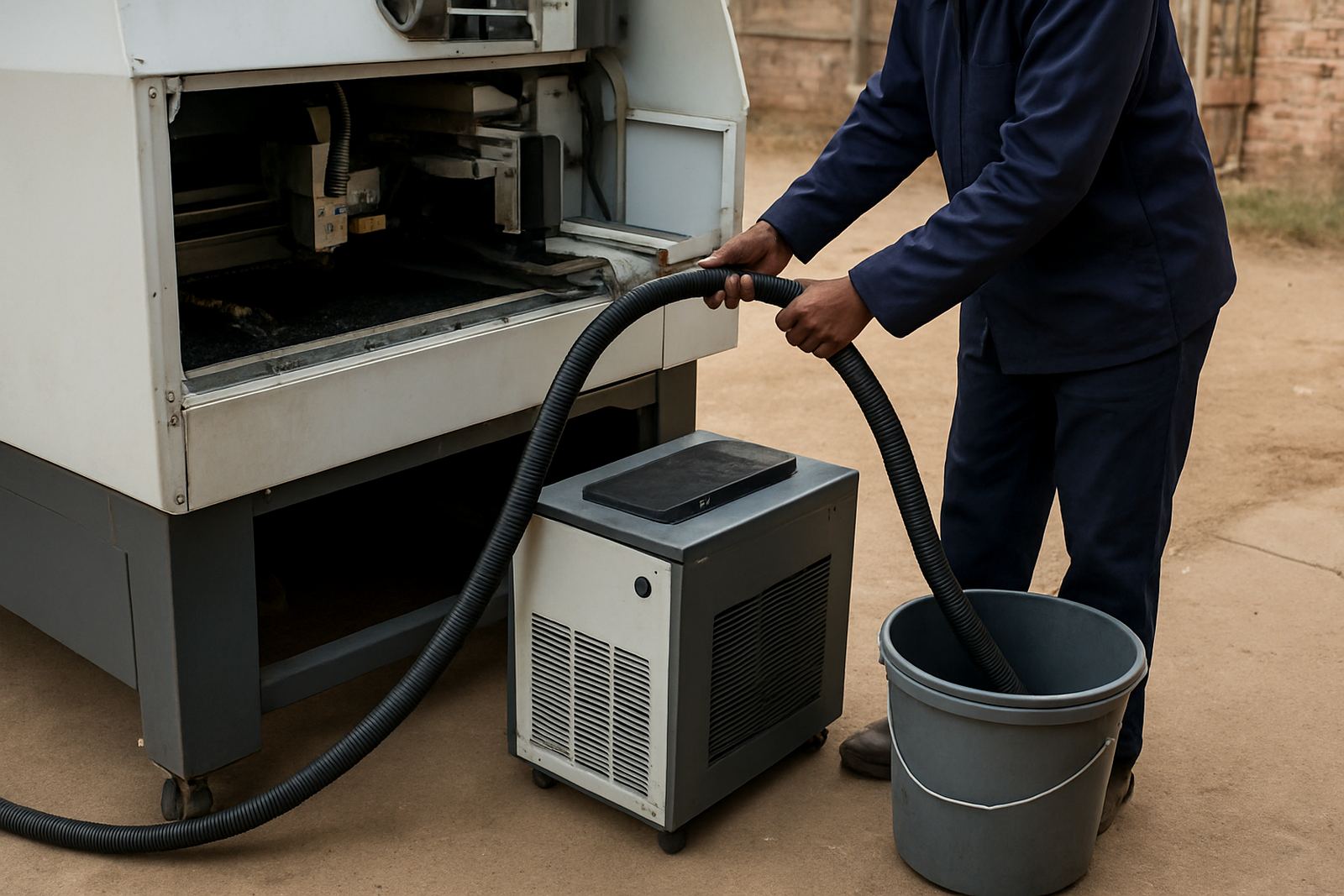
- Monthly or quarterly: head alignment check, gas path service and pressure testing
Why Bench Testing Matters Before You Put It Back On Line
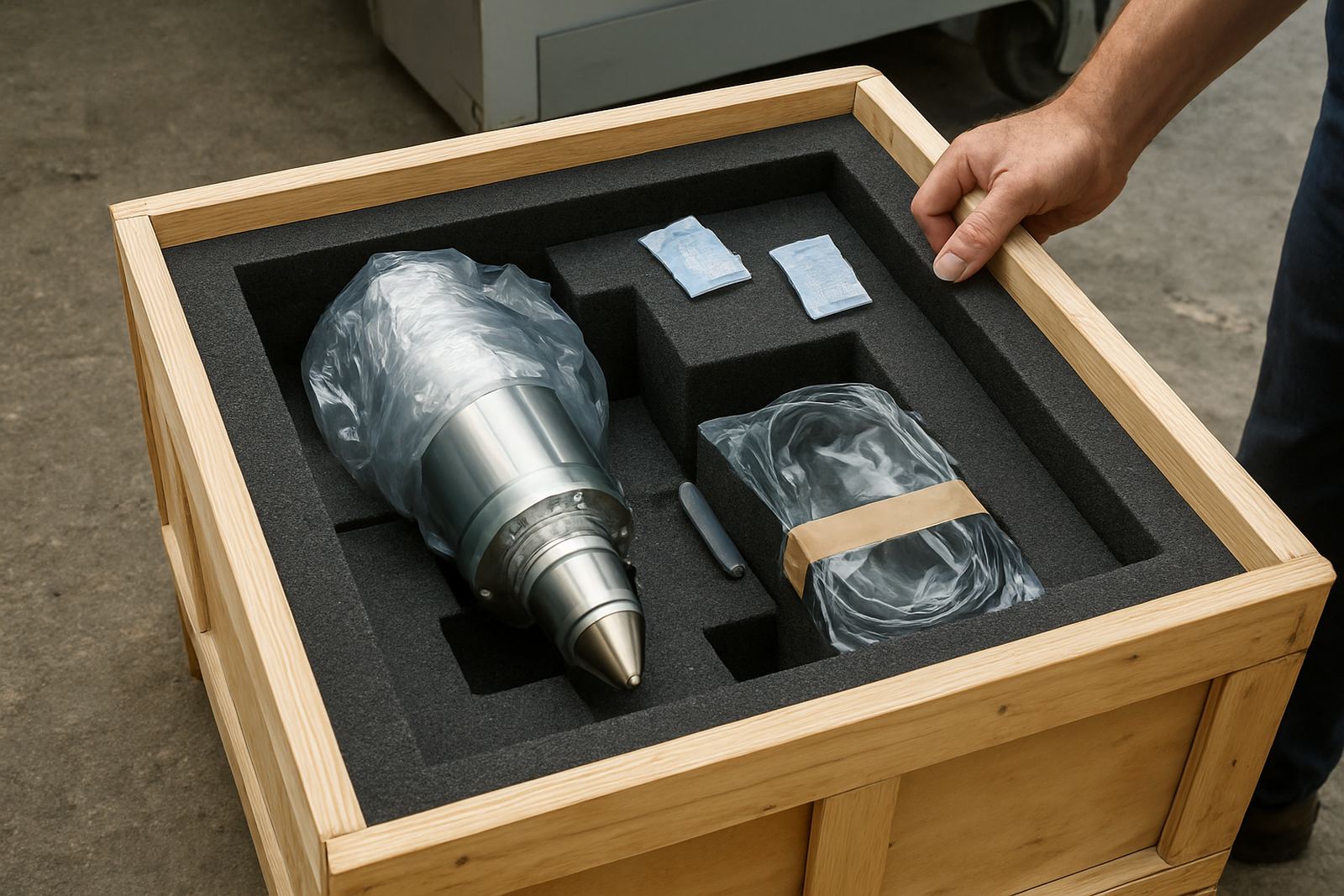
A head can look repaired and still be unstable under load. Bench pressure test and return to service test help confirm that the unit is holding pressure, the optics are seated correctly and the head performs properly before it goes back onto the cutter. This is especially important after collision damage, internal cleaning or a full nozzle seat restoration.
Without a proper test, a workshop may fit the part, start the machine and only then discover the fault has not cleared. That costs hours, sometimes a whole afternoon. A good service process should include diagnosis, the right parts, and a final check that the head is ready for production. It sounds basic, but it saves a lot of wasted runs and scrap.
What A Boksburg Fabricator Can Learn From A Busy Week
A local example makes the point. A metal fabricator in Boksburg running fibre cutting for brackets, covers and light structural work may think the machine only needs attention when it stops. But if the shop has had two load shedding events, a few nozzle changes and one minor head bump during loading, the service interval has already shifted. The cut may still look acceptable until the next urgent order arrives, then the machine starts leaving burrs on thicker plate.
In that kind of week, a quick check of the lens, protective window and ceramic holder can prevent a larger repair. If the machine is based in Johannesburg, Pretoria, Vanderbijlpark, Durban or Cape Town, the same logic applies. Conditions change by town, but the rule stays the same: service should follow workload and environment, not guesswork.
- Track hours run, not only calendar months
- Log collisions, alarms and repeated fault codes
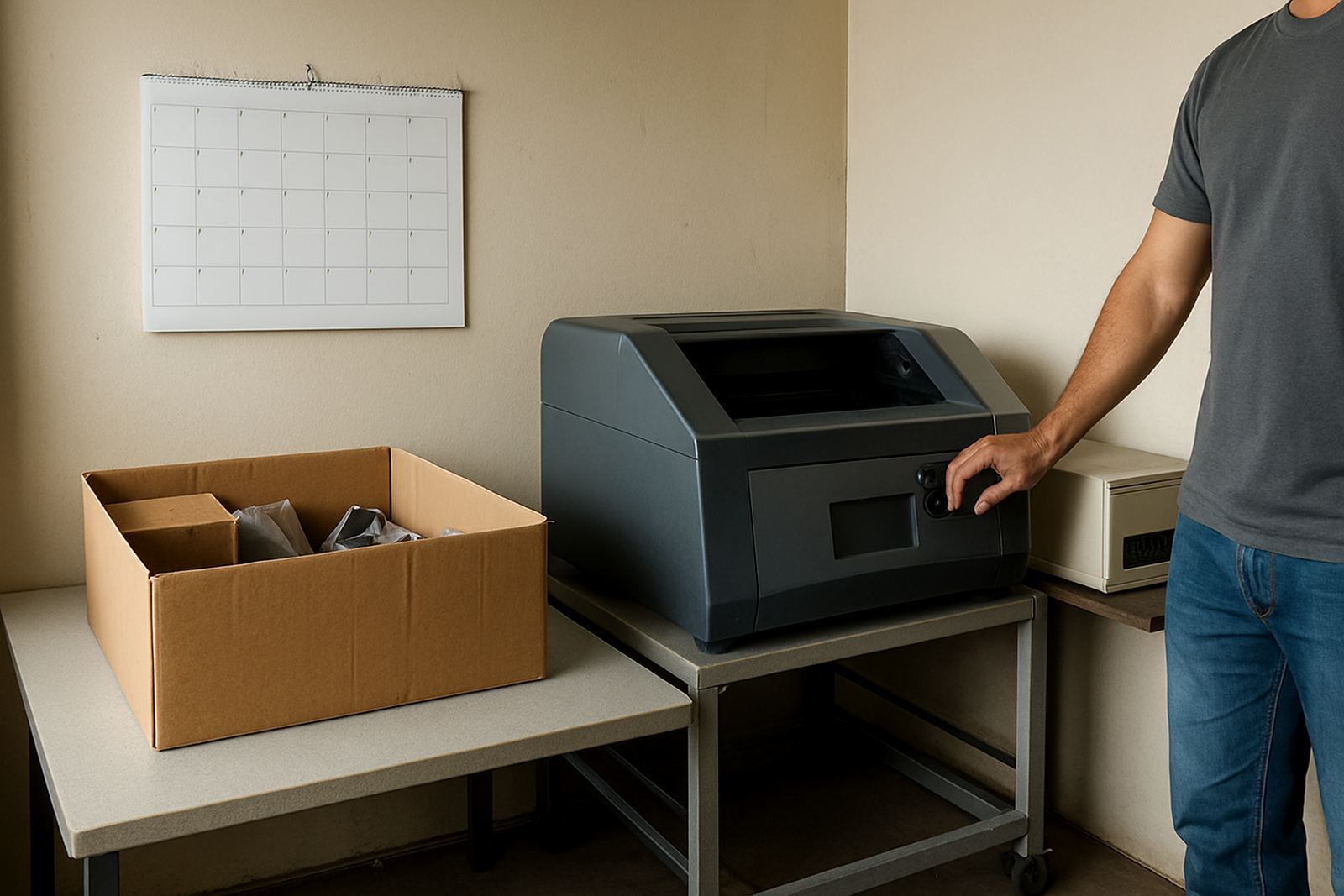
- Set a service date before the next urgent job lands
How To Choose The Right Service Interval For Your Shop
The right interval is the one that keeps output steady without wasting money on unnecessary strip-downs. If the machine is clean, the cuts are consistent and faults are rare, you may be able to keep a longer cycle. If the head is carrying dirt, wear or recurring alignment issues, shorten the interval and book the repair sooner.
For workshops and fabricators, the best approach is simple record keeping. Note what was cut, how long the machine ran, what failed and when the parts were changed. After a few months, patterns become clear. That helps you plan service around real use, and not just hope the next shift goes well. It is practical, and it keeps the cutter earning.