Why Dross Shows Up On Steel Cuts
Dross is the solid metal that hangs on the underside of a cut when molten material does not clear the kerf properly. On mild steel, it often appears when assist gas, focus height, cutting speed, nozzle condition, or head alignment is out by a small margin. The machine may still cut through the sheet, but the edge is left with hard buildup that must be chipped or ground off later.
In workshops around Boksburg, Germiston and Johannesburg, this often starts after a head bump, a nozzle change that was not followed by a proper check, or a lens that has picked up heat marks and contamination. The issue is not always dramatic. Sometimes the cut looks fine from above, but the underside tells the real story.
The First Service Checks That Save Time
Before changing settings again and again, it helps to work through a proper service sequence. That stops people chasing the fault in circles and wasting steel. A clean, stable cutting head usually gives clearer results very quickly.
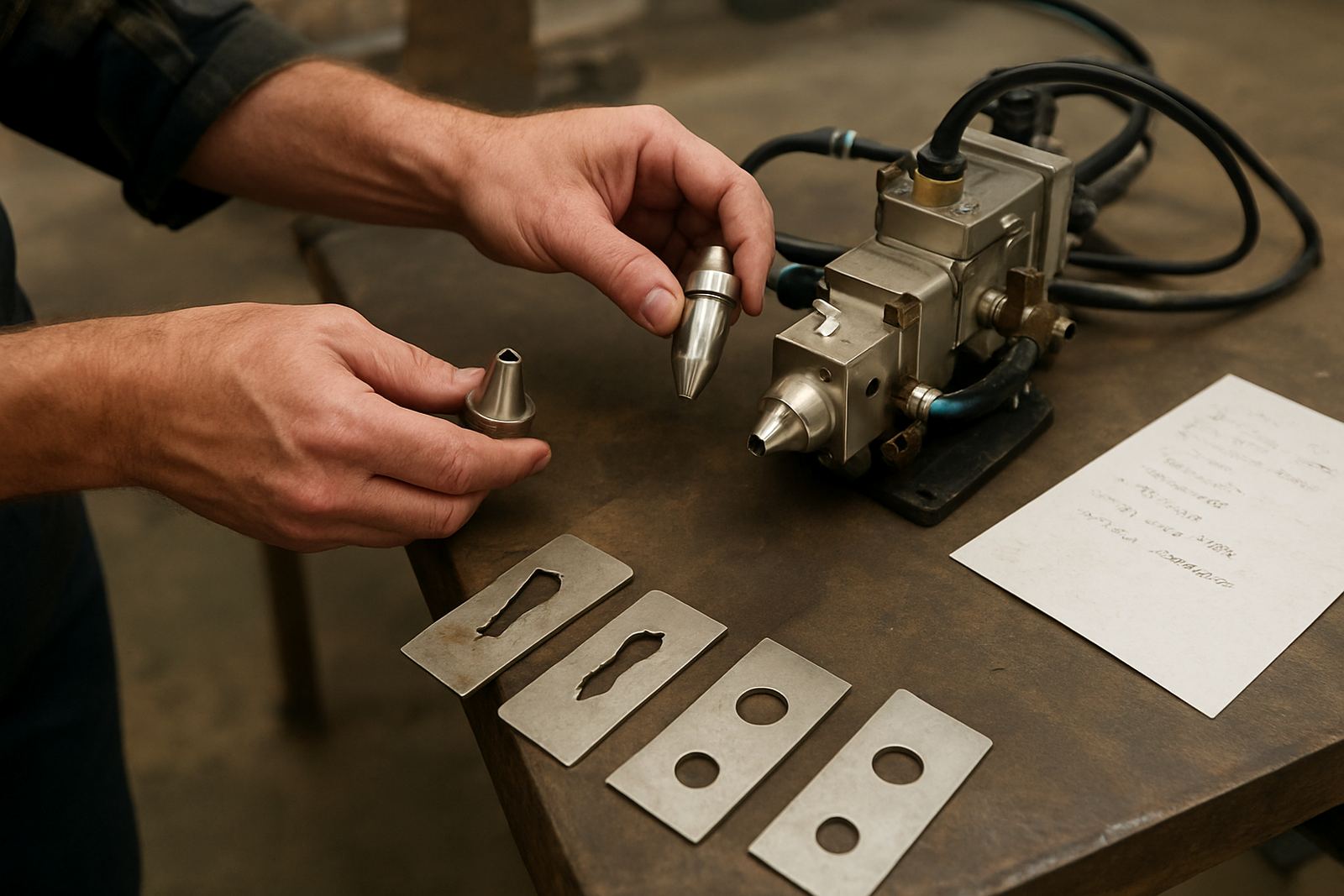
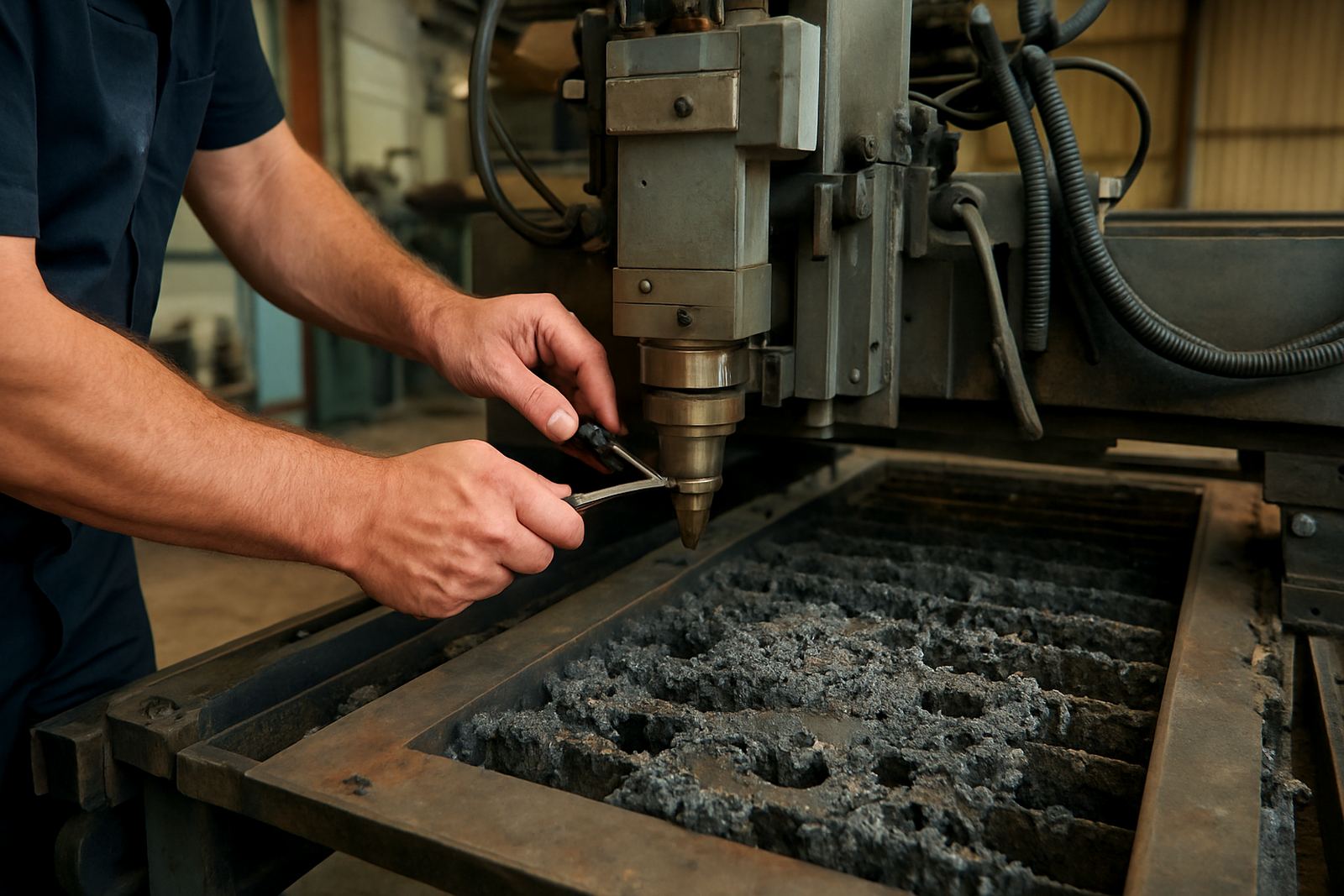
- Inspect the nozzle for wear, ovality and spatter build-up
- Check lens and protective window condition for haze, pits or heat marks
- Confirm the ceramic holder, sensor ring and nozzle seat are true
- Test gas flow and pressure at the head, not only at the regulator
- Verify head alignment and the stand-off from the sheet
- Run a pressure test before returning the machine to production
If any one of these items is out, the cut quality can drop sharply. A nozzle that looks acceptable in the hand can still disturb the gas stream, and a dirty window can scatter the beam enough to weaken the cut. Small faults stack up fast.
When Collision Damage Starts The Dross Problem
A light collision can bend a nozzle seat, shift internal alignment, or crack a protective window without stopping the machine immediately. The operator may only notice it later when dross begins to form on corners, on thicker plate, or along longer runs. That delay makes the fault harder to trace.
Collision damage also tends to show up as uneven cutting from part to part. One side of the sheet may cut cleanly while another section starts dragging dross, which is often a sign the head is no longer pointing exactly as it should. In these cases a strip and inspection is the right place to start, followed by collision damage repair and a return to service test.
Gas Path Issues And Steel Edge Quality
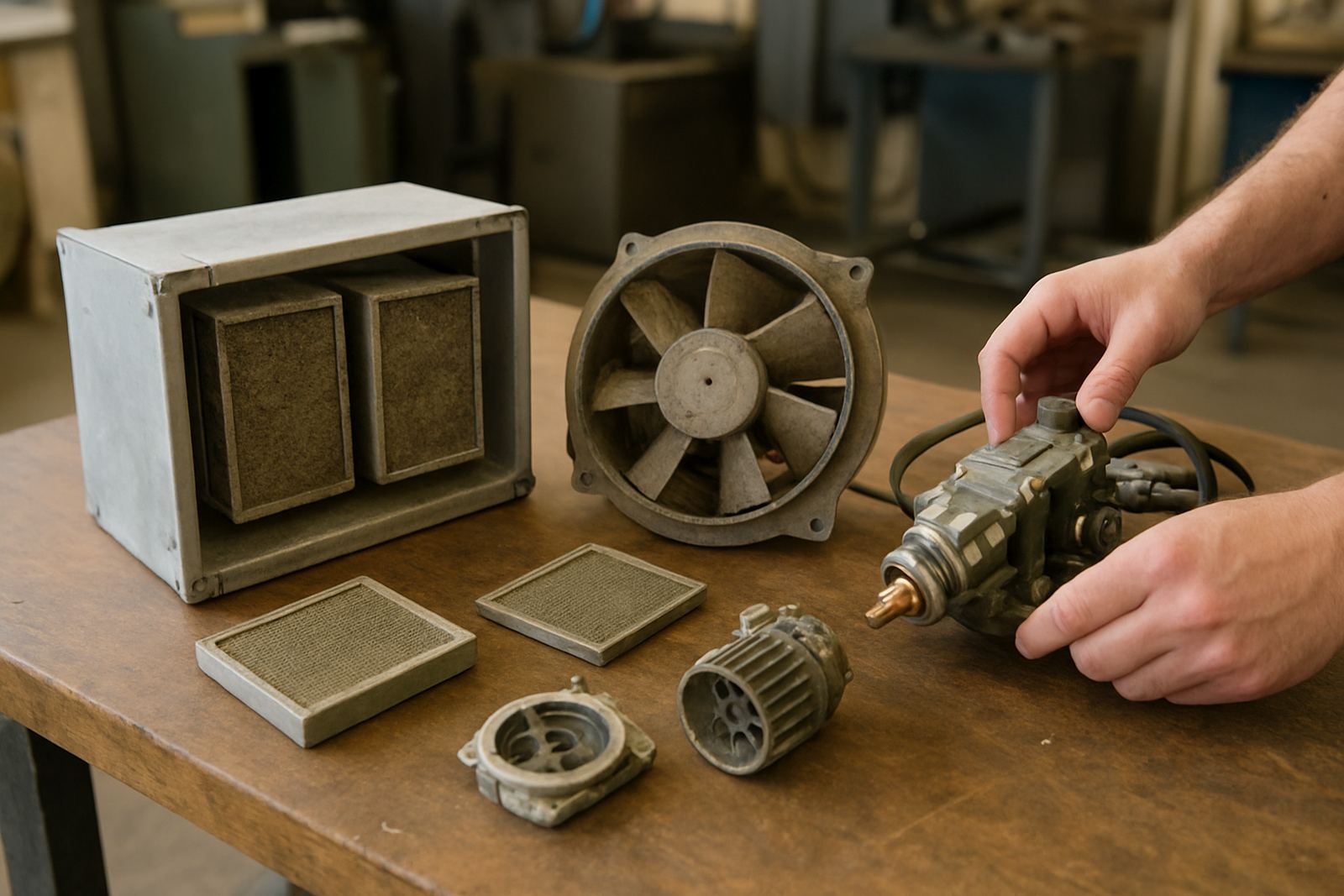
Steel cutting depends heavily on the gas path being clear and consistent. If there is restriction inside the head, dirt in the gas path, or a leak around the seat, the assist gas cannot do its job properly. The result is often heavier dross, poor pierce quality and a rough finish that needs extra cleanup.
This is why gas path service matters even when the nozzle and lens are already replaced. A machine can look tidy outside and still have a blockage or leak inside. On larger jobs in Pretoria or Vanderbijlpark, that means more scrap, slower output and unhappy customers waiting on parts.
- Look for dust, oil residue or metal fines inside the head
- Check the pressure at the point of use and compare it with the set value
- Confirm the ceramic holder and seals are seated correctly
- Inspect the sensor ring and related parts for impact marks
Why Thickness, Speed And Power Need To Match
Dross can also appear when the machine settings do not suit the plate thickness or steel grade. A faster speed is not always better, and more power is not always the answer. If the focus point is too high or too low, the cut can leave a rough underside even when the top edge looks acceptable.
Job shops often try to solve this by changing one setting at a time, but the head may already be carrying wear. A worn lens, a nozzle that has gone out of round, or a ceramic part with heat damage can make the same settings behave differently from one shift to the next. That is why consistent service checks matter before fine tuning the programme.
A Boksburg Example From Real Workshop Pressure
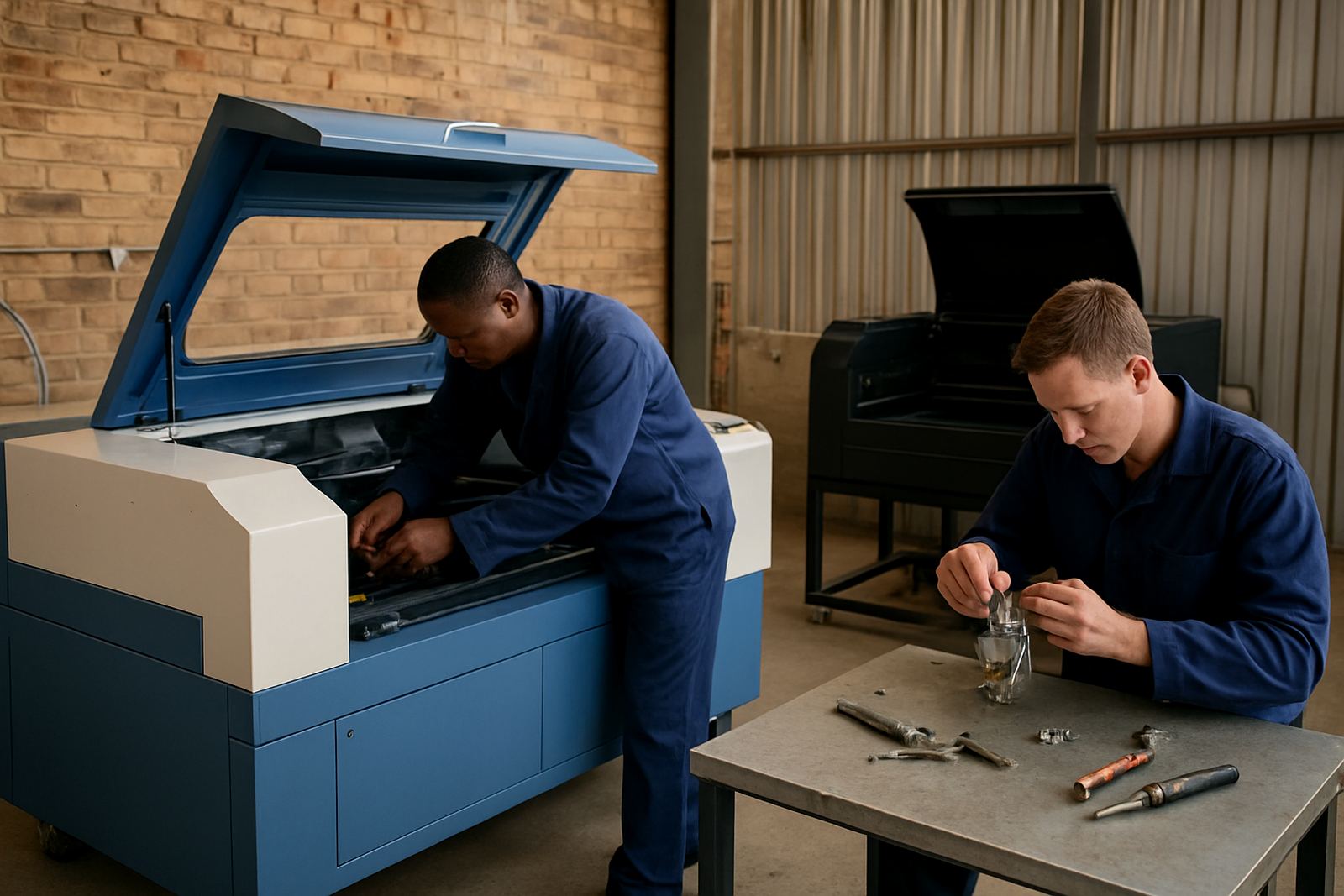
A fabricator in Boksburg called after seeing dross on 6 mm mild steel that had previously cut cleanly. The operators had already changed settings twice and replaced the nozzle, but the underside stayed rough. On inspection, the protective window showed heat marks, the nozzle seat was slightly out, and the head needed alignment and a bench pressure test.
Once the head was stripped, cleaned and rebuilt, the cut edge improved straight away. The workshop lost less time than expected because the fault was found early, and the machine went back into production the same day. That is usually the difference between a short stop and a full day of rework. It is practical work, not guesswork.
For workshops in Johannesburg, Pretoria, Durban and Cape Town, the pattern is similar. Dross is often the last visible sign of a small mechanical fault. Catch the fault early, and the steel cuts cleaner with less grinding, less scrap and fewer urgent callouts.
What To Ask For Before You Blame The Steel
If dross keeps showing up, ask for a proper head inspection before changing material stock or blaming the operator. The right service checks can reveal the real cause quickly, especially after a collision or a long run on thin sheet. On many machines, the answer sits in the head, not the programme.
- Strip and inspection of the cutting head
- Nozzle seat restoration if the seat is worn or marked
- Lens replacement and protective window replacement where needed
- Sensor ring service and ceramic holder change if damaged
- Internal cleaning, gas path service and head alignment check
- Bench pressure test and return to service test before production resumes
That approach keeps downtime short and gets steel jobs back onto the table with less fuss. It also helps prevent the same dross fault from coming back two days later.