Why a clean pierce matters before the cut starts
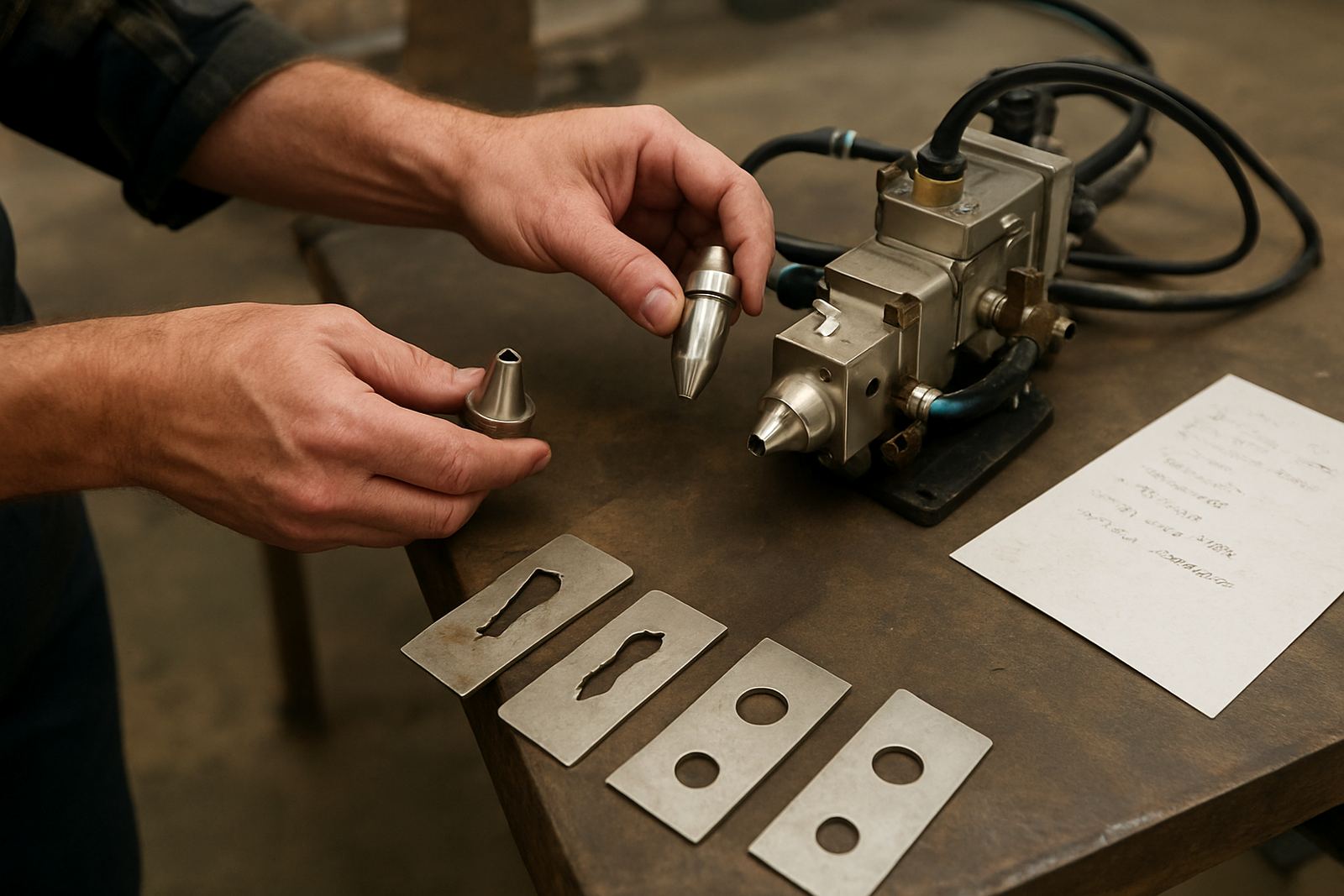
A poor pierce shows up as spatter, a large heat mark, dross around the start point or a hole that never opens cleanly. On fibre and CO2 cutters, that first second matters because the machine is trying to punch through with a stable beam, correct gas flow and the right head position. If any one of those is off, the cut path suffers from the start.
In workshops around Boksburg, Johannesburg and Germiston, pierce faults often get blamed on material quality first. Sometimes that is fair, but more often the issue sits in the head assembly or the machine settings. A nozzle that is worn oval, a lens with contamination or a ceramic holder that has shifted can all disturb the beam enough to cause a rough start.
The main point is simple: if pierce quality changes from job to job, do not chase the symptom only. Check the complete head condition, gas delivery and alignment before the problem turns into scrap, rework and lost time.
Optics problems that scatter the beam at the start
Lens and window condition are common causes of bad piercing. When a protective window has haze, pitting or a fine film from fumes, the beam loses focus at the point where it needs the most concentration. The result is often a slow pierce, extra splashback or a start that burns too wide.
On fibre systems, a damaged protective window can behave a bit like dirty goggles, it does not always stop the cut outright but it changes what the beam does at the material face. CO2 systems are just as sensitive, especially if dust, smoke or oil mist has worked its way into the head. Even a small mark on a lens can change the energy profile enough to affect the pierce.
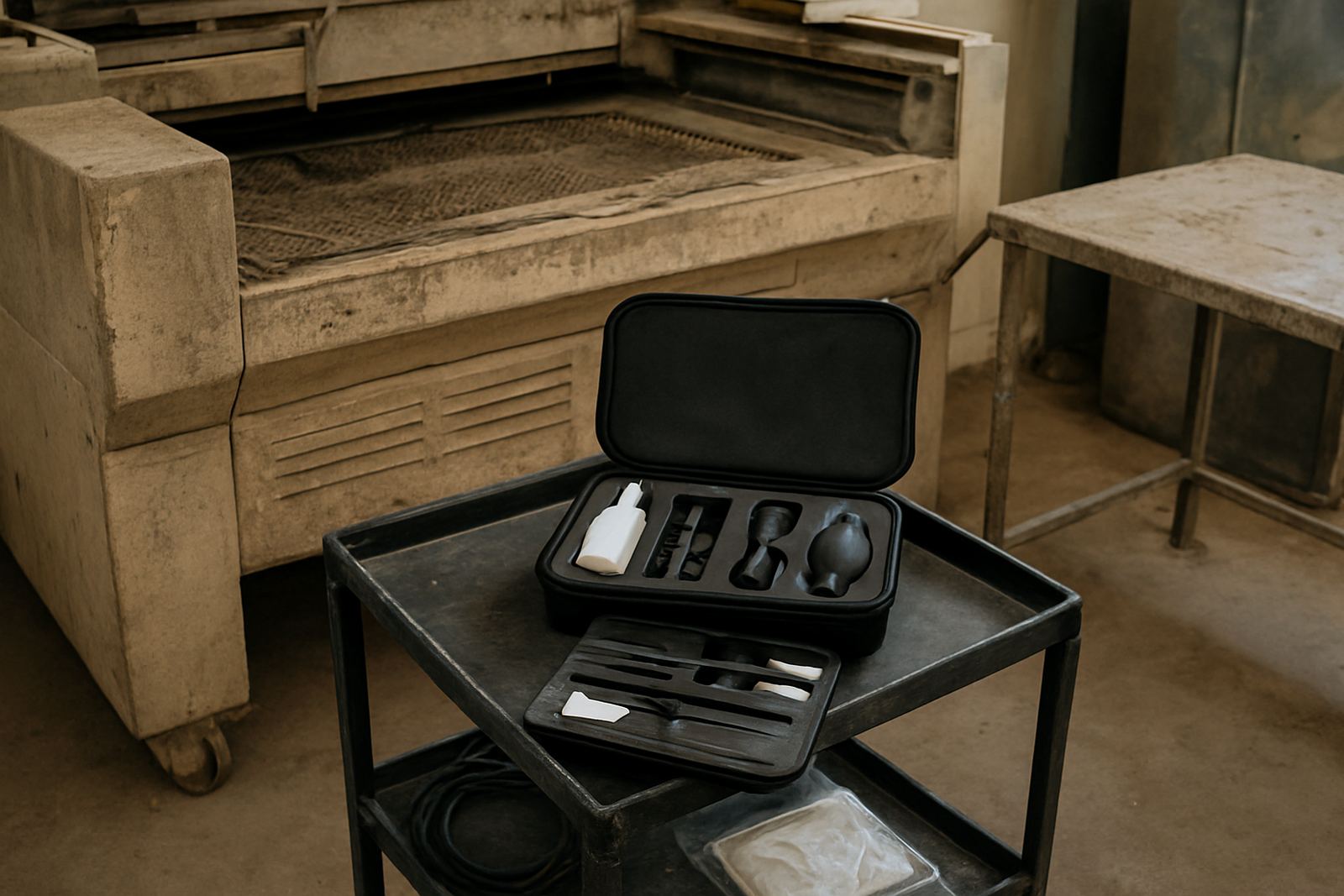
When optics are in question, our technicians usually start with a strip and inspection, then check the lens, window and internal condition of the head. That gives a clear picture before parts are changed.
- Look for burn rings or clouding on the protective window.
- Check whether the start mark is widening more than usual.
- Inspect for heat staining inside the head after repeated failed pierces.
Nozzle wear and seat damage that upset gas flow
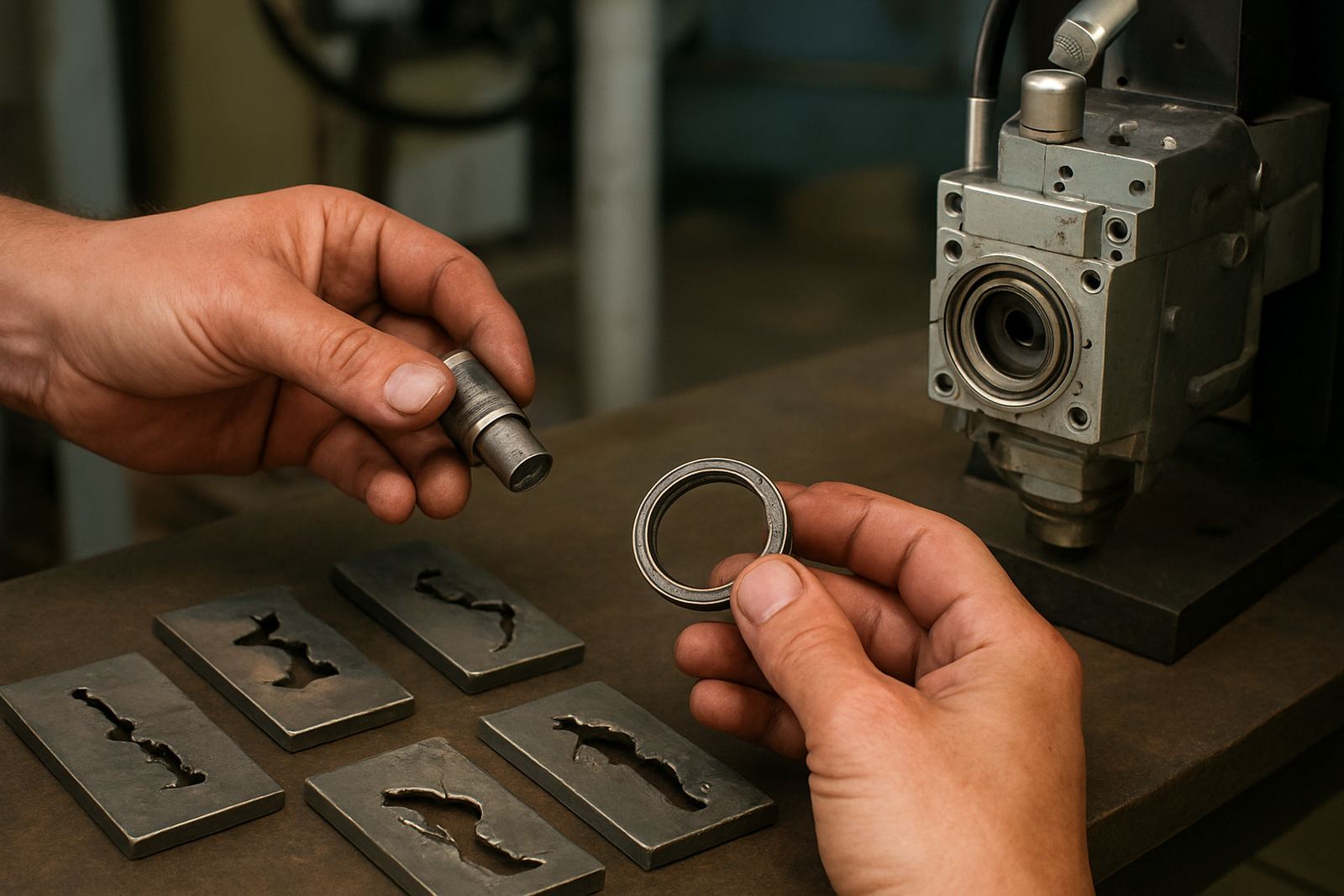
The nozzle does more than point gas at the plate. It helps shape the flow around the beam and keeps the pierce stable. A worn nozzle, a damaged seat or a loose fit can make the gas swirl or leak, which creates inconsistent piercing and a rough entry point.
Collision damage is a big one here. A head that has struck a sheet edge or tipped into a clamp may still look serviceable from the outside, but the nozzle seat can be out by a fraction. That tiny error is enough to throw off the gas cone and cause the machine to blow molten material back into the hole. Once that happens, the pierce can become messy and the next few starts may be just as bad.
We often see this on production lines that are pushing hard after load-shedding interruptions. Operators rush to catch up, the head gets started before a proper check, and a small alignment fault turns into a day of poor quality. A nozzle seat restoration and head alignment check can save a lot of plate, and a lot of frustration.
- Replace nozzles that are oval, chipped or badly heat marked.
- Check the ceramic holder for cracks and movement.
- Confirm the head is square before changing pierce settings again.
Gas pressure and assist gas faults that leave dirty starts
Piercing depends on the right assist gas at the right pressure, with a clean path from the source to the head. If the gas path has a restriction, a leak or moisture contamination, the beam may cut through unevenly and leave a stubborn edge at the start point. That is common with long service intervals or after a repair where one fitting was not seated properly.
A pressure dip during the pierce cycle can be enough to create a poor start even when the rest of the cut looks acceptable. Some shops only notice it on thicker material, but thinner sheets can also show a dirty mark if the gas supply is unstable. A bench pressure test is a practical way to separate machine settings from hardware faults.
In coastal areas like Durban and Cape Town, moisture in compressed air and lines can make the problem worse. Condensation and oil carryover can affect valves, sensors and the inside of the head. In inland workshops, dust and fine metal particles are more often the issue. Either way, the gas path needs regular attention.
Alignment and sensor faults that confuse the machine
When the cutting head is not aligned properly, the machine can still fire, but the energy is not landing where it should. That causes uneven piercing, excess splashback or a start point that shifts slightly from one hole to the next. Sensor ring faults can add to the confusion if the head is not reading position correctly.
After a collision, the machine might still pass a quick visual check, yet the internal alignment is no longer true. On a busy shop floor this is easy to miss because the machine appears to be working. The telltale sign is usually repeat bad pierces in the same material or the same corner of a sheet, even after the operator changes speed and gas settings.
A head alignment check should be part of return to service work after any knock. That includes the internal cleaning, sensor ring service and a final test on material similar to what the workshop actually runs.
- Watch for repeated pierce faults in the same position on the table.
- Check whether the head crashes or zips low before the start.
- Confirm the sensor ring and ceramic holder are seated properly.
Material, setup and operator habits that make the fault look worse
Sometimes the machine is the main problem, but not always. Heavy mill scale, rust, oily sheet or badly flattened plate can make a good head look guilty. The pierce has to fight through surface contamination before it reaches clean metal, so the start becomes slower and dirtier. Thin sheet can also lift or vibrate if clamping is poor, which changes the focus point during the start.
Operator habits matter too. If the program is copied from a previous job without checking thickness, nozzle size or gas type, the pierce settings may be off by a wide margin. That leads to overburn, blowback or a hole that starts but never stabilises. It happens fast, especially in job shops that switch between stainless, mild steel and aluminium in one shift.
Practical checks before a production run can prevent this:
- Confirm the material grade and thickness before loading the file.
- Make sure the sheet is flat and supported properly.
- Match the nozzle, gas and pierce settings to the actual job.
- Inspect the head after any strange start mark, not only after a full failure.
A Boksburg repair example that shows the usual pattern
A fabricator in Ekurhuleni called after a fibre machine started leaving rough pierces on 6 mm mild steel. The operator had already increased pressure and slowed the start, but the problem kept returning. On inspection, the head had taken a light collision earlier in the week and the nozzle seat was no longer true. The protective window also showed fine marking from repeated failed starts.
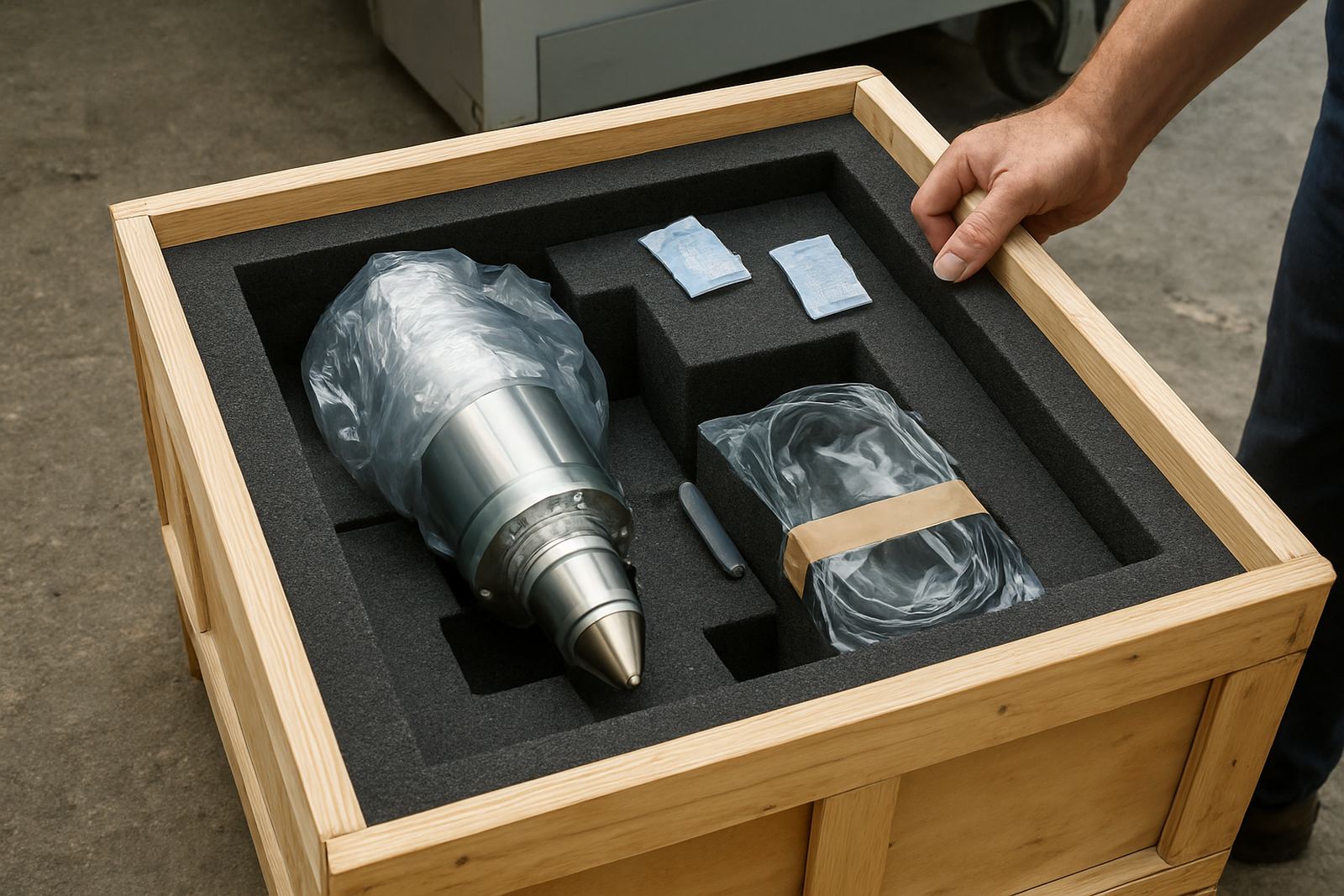
After strip and inspection, the team replaced the worn nozzle, changed the protective window, restored the seat and carried out a bench pressure test. A return to service test confirmed the pierce was back to a cleaner entry, with less splashback and better repeatability. The machine went back into production the same day, which mattered because the shop had a municipal order to finish before the weekend and could not afford another round of scrap.
That is the pattern we see most often. Poor pierce causes are usually not one single fault. They are a chain of small issues that build up until the start quality drops. Fix the head, check the gas path and test the machine properly, and the cut usually settles down again.