What the sensor ring does inside the cutting head
The sensor ring helps the laser cutting head monitor position and signal the machine when the head is sitting where it should. In practical terms, it supports stable cutting, cleaner pierces and safer head movement across the sheet. When the ring starts to fail, the machine may still run for a while, but the cutting head begins to lose accuracy and consistency.
On fibre systems this can show up as the head refusing to settle after a height change, or giving repeated fault messages during piercing. On CO2 systems, the symptoms can look slightly different, but the outcome is the same: the machine loses confidence in the head signal and production slows down.
Common reasons sensor rings fail on real production floors
Most sensor ring failures are not caused by one single event. They usually build up over time from heat, dust, collision damage and poor handling during maintenance. In busy workshops around Boksburg, Johannesburg and Germiston, we often see rings affected by metal fines, oil mist and the fine grime that settles onto the head after long shifts.
A clean machine room helps, but it does not remove every risk. A small knock during nozzle changeout or a light collision with a warped sheet can be enough to damage the ring or disturb its alignment. Load-shedding also plays a part in some plants, because repeated power interruptions can leave the head stopped mid cycle and increase the chance of faults when the machine restarts.
- Impact from nozzle strikes or sheet lift during cutting
- Heat stress after long runs on thin material
- Dust, scale and oil contamination around the head
- Loose fittings or poor seating after servicing
- Electrical wear from repeated fault cycling
Warning signs that usually appear before a full shutdown
The earlier a sensor ring problem is caught, the better the repair outcome. Many operators first notice a change in cut quality before they see a fault code. The machine may pierce slowly, stop at odd times, or produce parts with rough edges that do not match the settings on the programme. Sometimes the head sounds normal but the monitoring signal is unstable.
If a machine is used for signage, brackets, panels or general fabrication, those small faults can waste a full shift. A job shop in Pretoria may still finish urgent work by pushing the machine harder, but that often makes the problem worse. The better approach is to stop and inspect the cutting head before the damage spreads to lenses, windows or the ceramic holder.
- Random head alarms during start-up or piercing
- Unstable cutting height or inconsistent standoff
- More dross and poor edge finish on the same material
- Repeated stops on the same section of a nest
- Intermittent signal loss after a collision or maintenance event
How we inspect a failed sensor ring on the bench
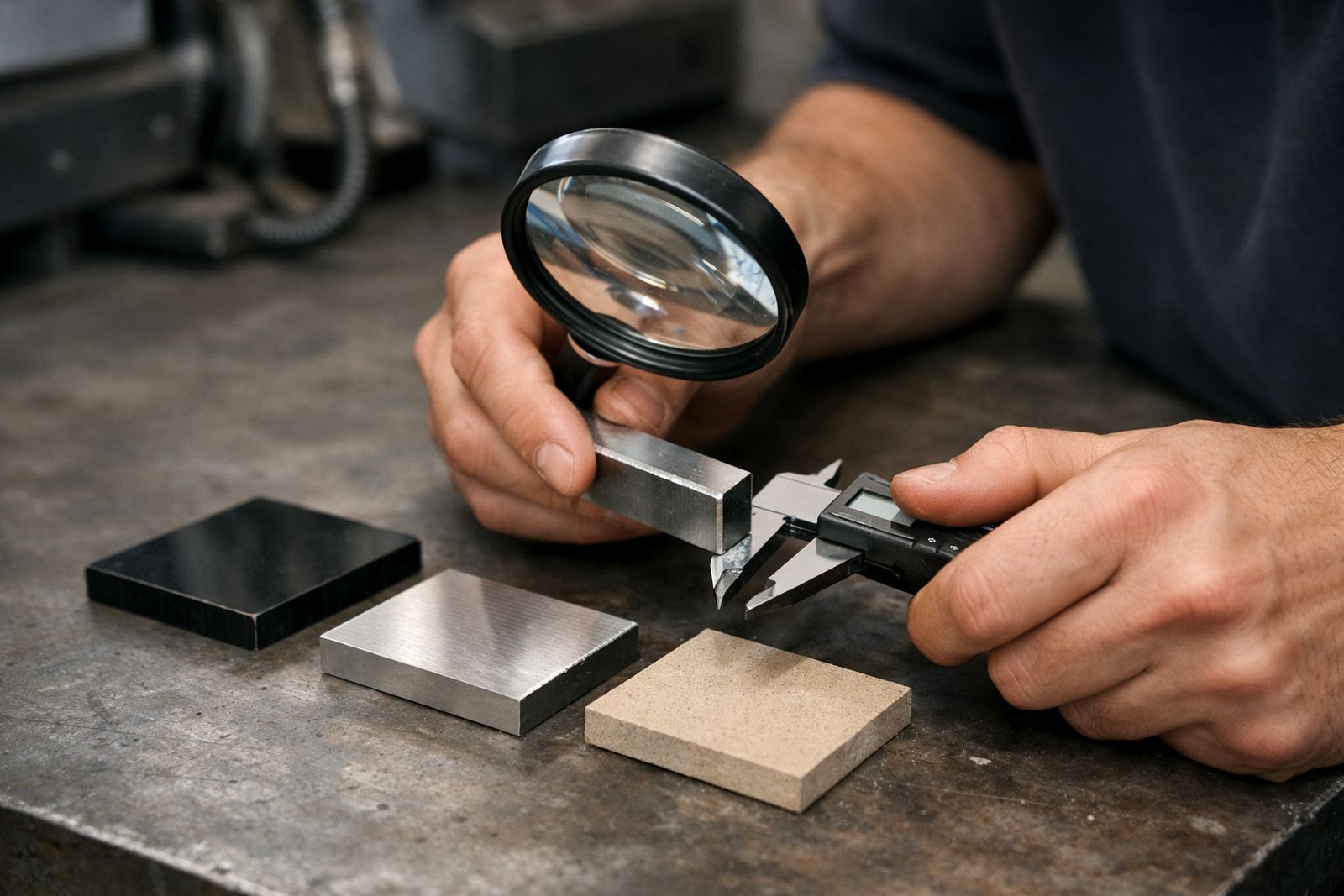
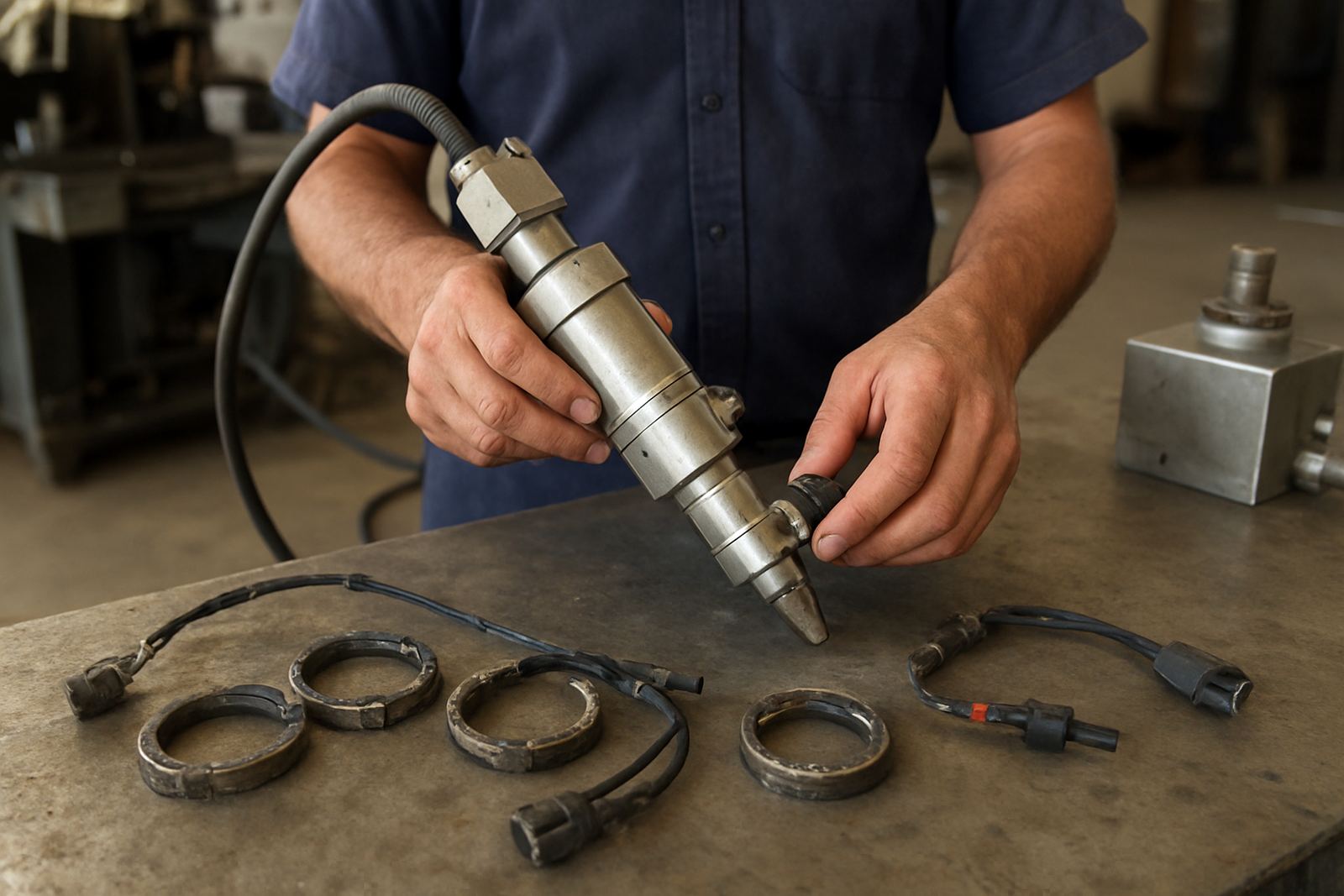
Bench inspection starts with a proper strip down so the full head condition can be checked, not just the outside. We look for heat marks, contamination, wear on the mating surfaces and any signs of impact. If the ring has been running with a damaged nozzle seat or a cracked window, those problems are noted as part of the same fault pattern because they often travel together.
After inspection, the technician tests the ring against the rest of the cutting head assembly to confirm whether the fault is electrical, mechanical or related to alignment. That matters because replacing a part without checking the full head can leave the same problem in place. For shops that cannot afford a long stop, this sort of diagnosis keeps the repair focused and avoids repeat callouts.
Repair steps that bring the head back into service
Once the fault is identified, the repair may involve cleaning, replacing the sensor ring, restoring the nozzle seat, fitting a new lens or protective window, and then checking alignment again. If the head suffered a collision, we also inspect the ceramic holder and internal surfaces for hidden movement. The aim is not only to make the alarm disappear, but to return the cutting head to proper working condition.
After the repair, the head must pass pressure testing and a return to service test before it goes back to production. That final check matters on fibre and CO2 machines alike. A head that looks fine on the bench can still misbehave once air pressure, motion and cutting heat are applied together.
- Strip and inspection of the full head assembly
- Sensor ring replacement or reconnection where possible
- Nozzle seat restoration and alignment check
- Lens and window replacement if contamination is found
- Bench pressure test and return to service test
Why quick action matters for fabricators in Durban and Cape Town
Coastal workshops face extra pressure from humidity and airborne contaminants. In Durban and Cape Town, the same sensor ring fault can move faster because moisture and fine particles work their way into the head more easily. That is why operators there often see small signal issues turn into full stoppages before the next maintenance window.
For metal fabricators running daily production, a delayed repair usually costs more than the component itself. One failed sensor ring can hold up a full nest, delay dispatch and push overtime into the next shift. If the fault is caught early, the repair can often be handled on site. If the head is badly worn or contaminated, bench work gives a cleaner result.
A practical example from a busy Ekurhuleni workshop
A subcontractor in Ekurhuleni came in with repeated pierce faults on a fibre laser that had been running mild steel all week. The operator thought the issue was software related, but the real cause was a damaged sensor ring after a minor head knock during a sheet shift. The machine could still cut, but every second or third job needed a restart and the edge finish was getting worse.
After strip and inspection, the ring was replaced, the nozzle seat was restored and the head was pressure tested before it went back into production. The workshop was back on schedule the same day, and the operator was able to keep the machine running without guessing at fault codes. That is the point of proper sensor ring work: keep the cutter producing, not sitting idle while the fault gets worse.