Why a spare head earns its place in the store room
In a workshop that runs fibre or CO2 laser machines every day, the cutting head is one of the parts that gets punished the most. Nozzles wear, lenses cloud over, protective windows get marked and one bad collision can leave the whole head out of line. If the machine sits idle while a technician waits for parts or a repair slot, the cost is not just the repair bill. It is missed production, late deliveries and a lot of pressure on the team.
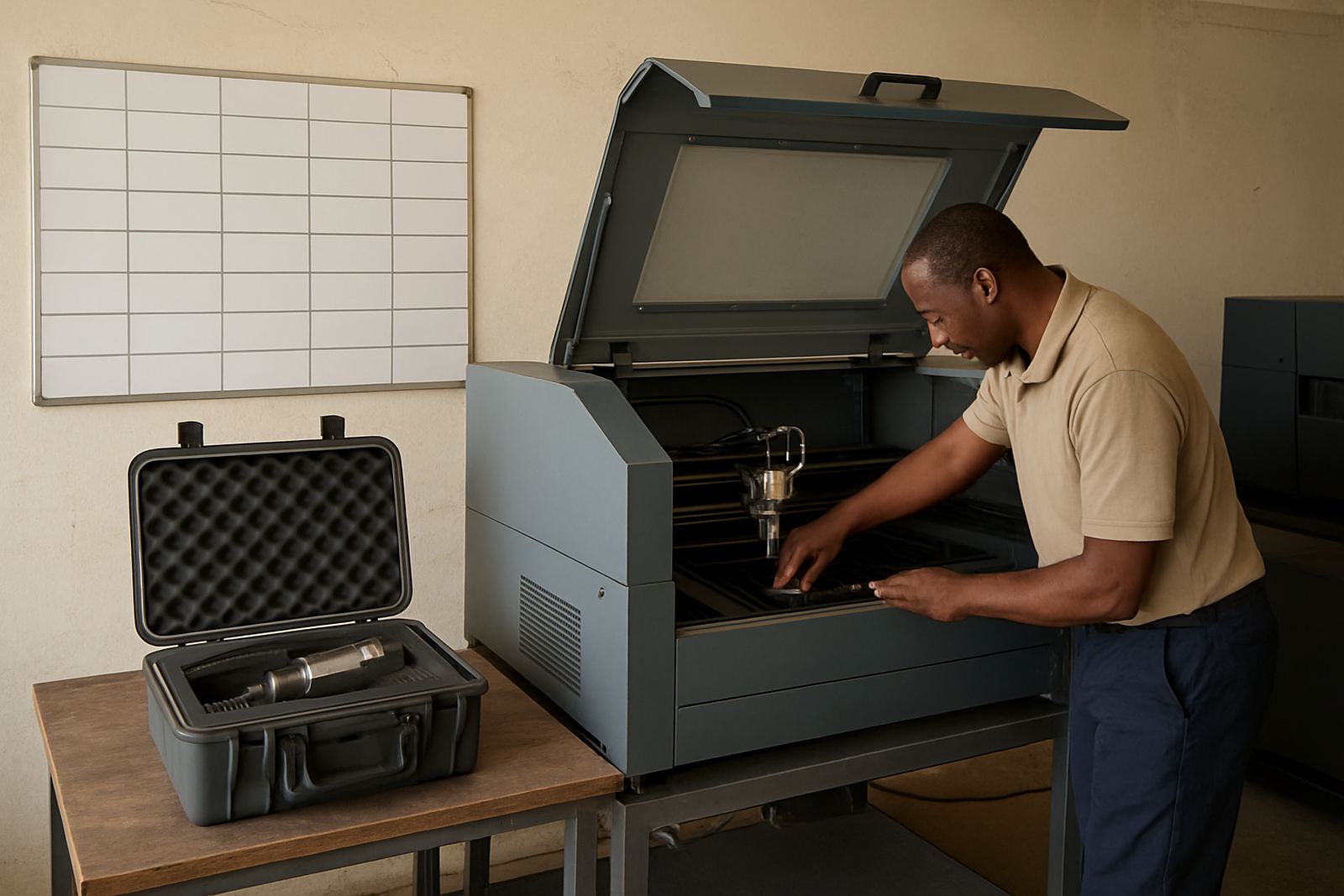
That is why some shops keep a spare cutting head assembly ready for swap-outs. It gives the supervisor a practical choice when there is damage or unstable cutting. Instead of stopping the machine for a long strip down, the team can change over, get the machine back on the floor and repair the damaged head on the bench afterward.
- Less downtime after a collision or sudden fault
- Cleaner planning for night shifts and urgent jobs
- Less pressure on operators when a head starts drifting
- Better control over repair timing, especially during load-shedding windows
When a swap makes more sense than waiting it out
Not every cutting issue means the head must be replaced straight away. Sometimes a nozzle seat needs restoration, a lens needs changing, or the protective window is the only damaged item. But when the body of the head has been knocked out of alignment, the sensor ring is damaged, or the ceramic holder has cracked, waiting for a full repair can be a costly choice.
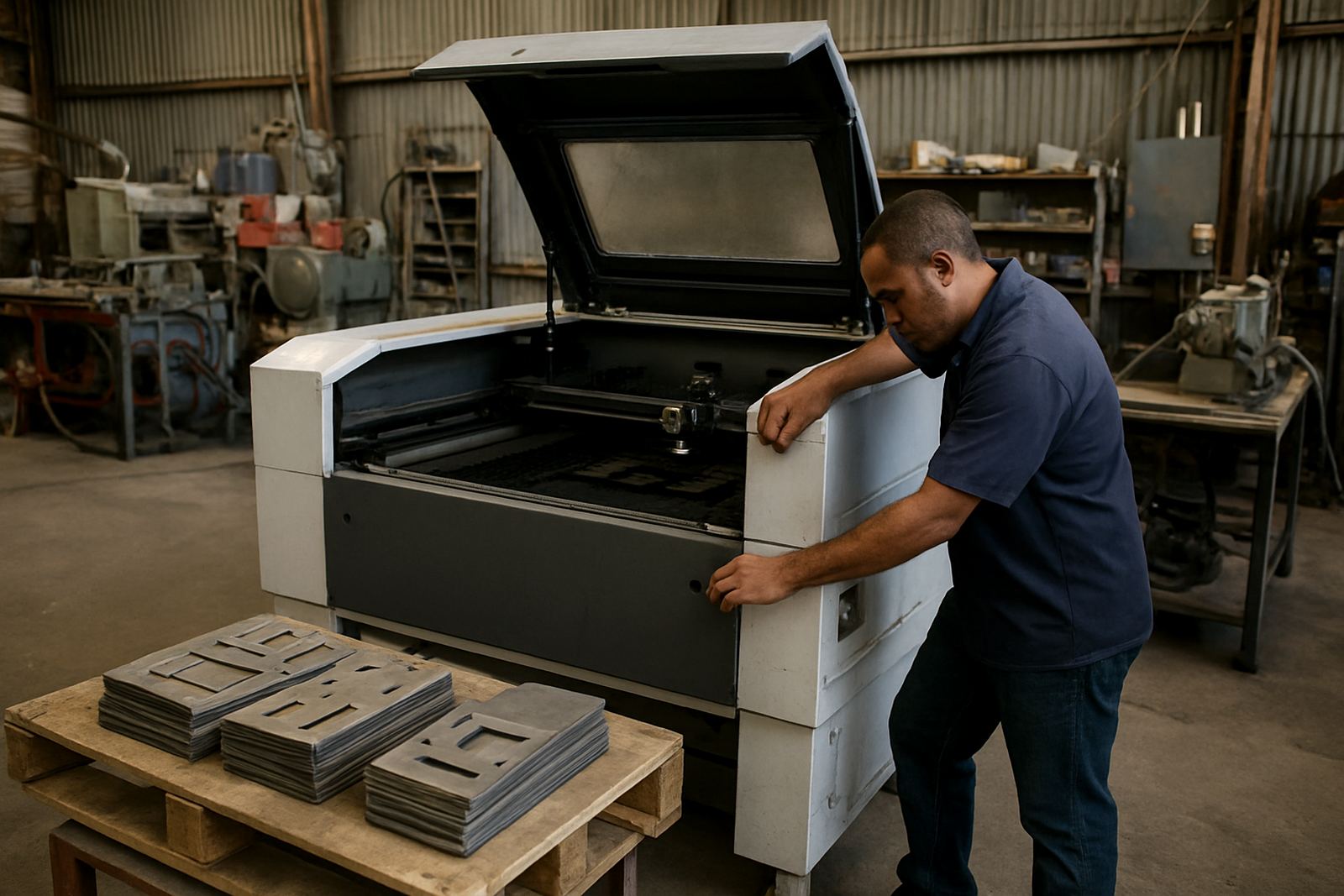
A spare head becomes useful when the failure is obvious and production cannot wait. A signage plant in Boksburg, for example, may have a day packed with cut jobs for channel letters and brackets. If the machine takes a collision during the morning run, the manager may prefer a quick head swap and a clean bench repair later, rather than losing the whole day trying to coax a damaged assembly back into service.
- Hard collision with visible damage to the head body
- Repeated poor cut quality after normal parts were changed
- Air or gas path faults that keep coming back
- Sensor, ceramic or alignment damage after operator error
What a spare head should be checked for before it goes onto the shelf
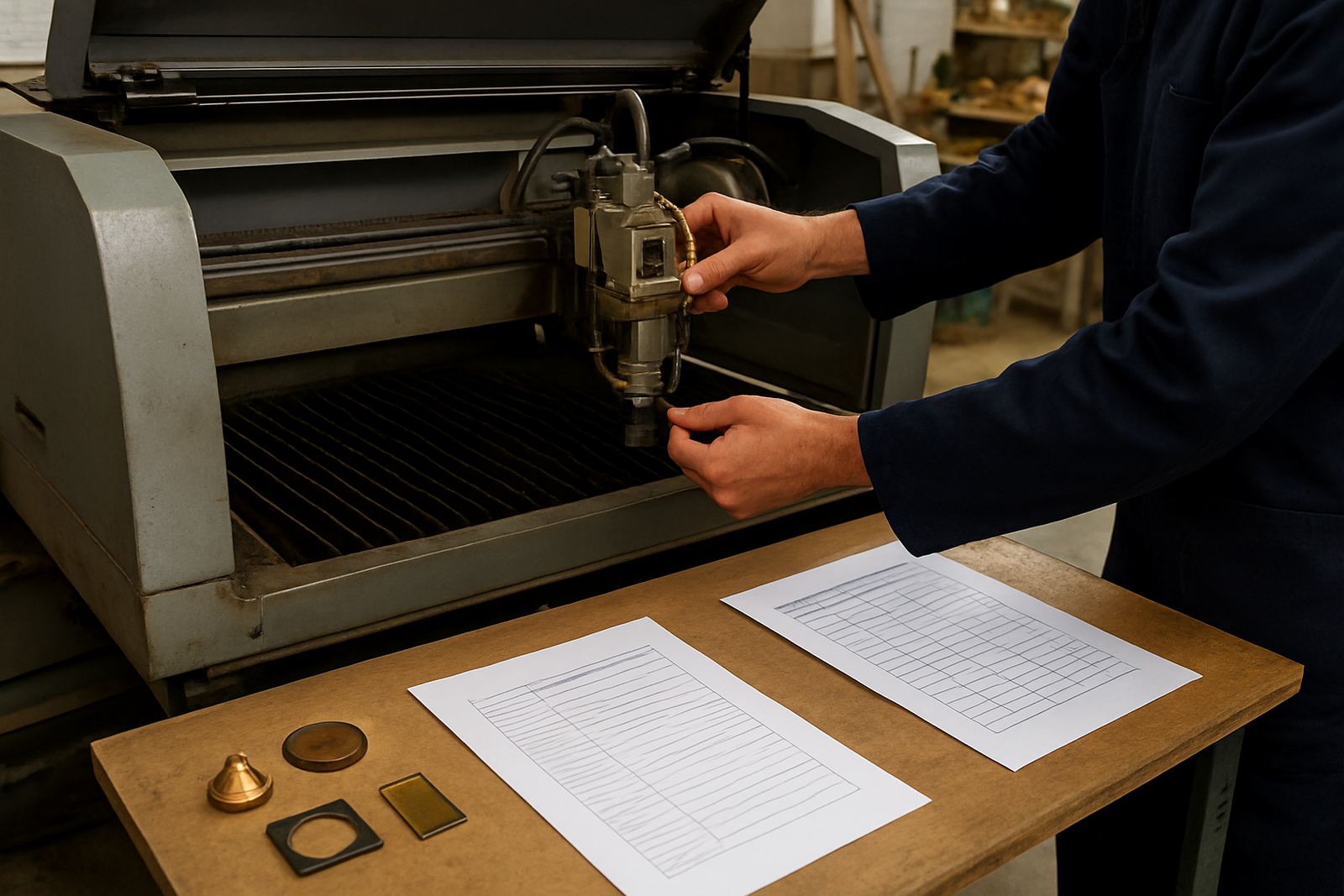
A spare cutting head is only valuable if it is ready to work. A head that has been sitting untouched for months may look fine, but still fail under pressure. It should be stripped, inspected and tested before it becomes a standby part. That means checking the nozzle seat, lens condition, window condition, ceramic holder, internal cleanliness and alignment points. If any of those are out, the head may still cause downtime when you thought you were covered.
Laser Ray Tools often sees heads that were kept as spares but never properly tested. The result is a machine that is still out of action when the swap is made. A proper bench pressure test and return to service test gives more confidence that the spare will do its job when needed. It also helps the workshop decide whether the old head should be repaired or stripped for parts.
- Confirm the head is clean inside and free of contamination
- Check lens, window and nozzle condition before storage
- Inspect the ceramic holder and sensor ring for wear
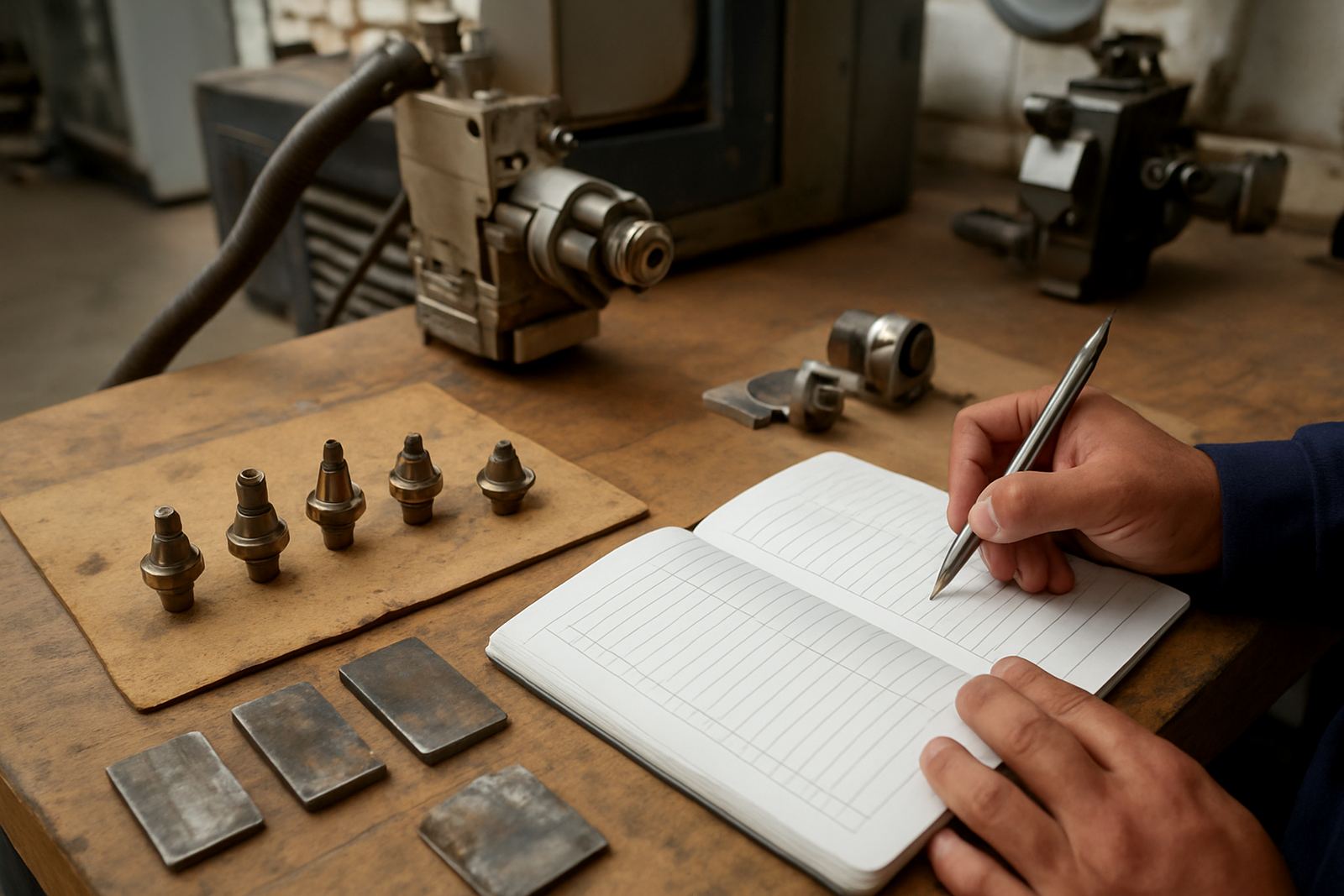
- Record the head setup so the changeover is quick and accurate
The real cost of running without a backup
Many shops only feel the value of a spare after the first serious breakdown. In places like Johannesburg, Pretoria and Vanderbijlpark, fabricators often run tight schedules with little room for delay. A missed cut order can affect fabrication, assembly and transport all at once. If the machine is down for half a day, the whole chain slows down.
The cost is not only about labour sitting idle. There is also machine time lost on booked jobs, extra overtime, and the risk of taking shortcuts just to catch up. In Durban, coastal humidity can also make stored parts and optics more sensitive if they are not kept properly. In Cape Town, busy workshops may have to juggle municipal noise limits and after-hours access, so a quick recovery matters even more. A spare head does not solve every problem, but it gives the team one less excuse to stop cold.
For many smaller shops, the decision comes down to this: would you rather pay once for a ready spare, or pay many times through interrupted production?
How to use a spare head without creating new problems
Keeping a spare head is sensible. Using it badly is not. A workshop should treat the spare as production equipment, not just a box on a shelf. It needs clear labelling, protected storage and a log of what machine it is set up for. If the team changes heads without checking alignment and pressure settings, the machine may cut poorly even though the replacement is mechanically sound.
Good practice is to set a simple changeover routine. The operator, technician and service coordinator should know who calls the swap, who signs it off, and who checks the machine before it returns to production. That is especially helpful in bigger sites around Germiston, Kempton Park and Boksburg where more than one shift may use the same cutter.
- Store the spare in a dry, dust free place
- Keep a written record of the head configuration
- Test alignment after every swap
- Send the removed head for repair straight away, not months later
A practical support plan for busy South African workshops
For job shops and metal fabricators, the best approach is usually a mix of prevention and readiness. Routine strip and inspection helps catch wear early. Collision damage repair deals with the sudden failures. Nozzle seat restoration, lens replacement, window replacement and gas path service keep the head working properly between major events. If a spare assembly is part of the plan, the workshop can move faster when something goes wrong.
At Laser Ray Tools in Boksburg, the focus is on keeping fibre and CO2 laser machines running, whether the work is on site or on the bench. Teams from Johannesburg Support, Pretoria Support, Vanderbijlpark Support, Durban Support, Cape Town Support, Germiston Support and Kempton Park Support use the same practical approach: diagnose the fault, confirm what can be repaired, and get the machine back into production as quickly as possible. For many customers, that is the real value of a spare head, not the part itself but the time it saves when the pressure is on. It makes the difference between a long stop and a controlled changeover.