What a service report should tell you at a glance
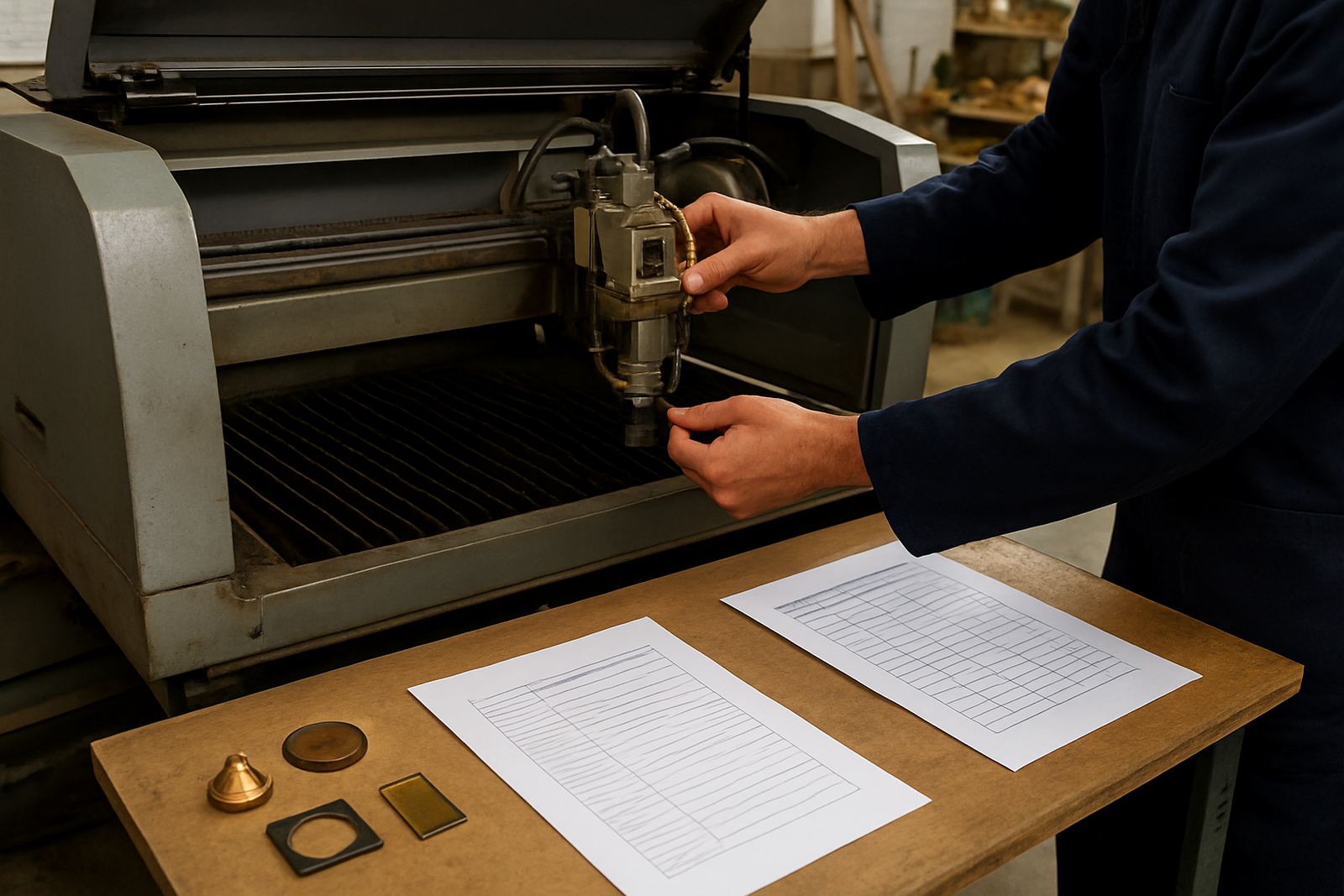
A proper cutting head service report is more than a checklist. It should show the machine or head serial number, the fault found, the parts replaced, the tests carried out, and whether the head is ready for return to service. If the report is clear, your team can plan work around it instead of guessing why edge quality has dropped or pierce times have stretched out.
For a job shop in Boksburg or a fabrication plant in Vanderbijlpark, that clarity matters. If you are running thin sheet in the morning and heavier plate later, you need to know whether the issue is a worn nozzle, a cracked lens, contamination in the gas path, or damage from a collision. A good report helps you separate a quick fix from a deeper repair.
- Identify the head, machine and job type
- State the fault in plain language
- List parts changed and parts reused
- Show test results after repair
- Flag any follow-up work still needed
The fault notes are the most important line on the page
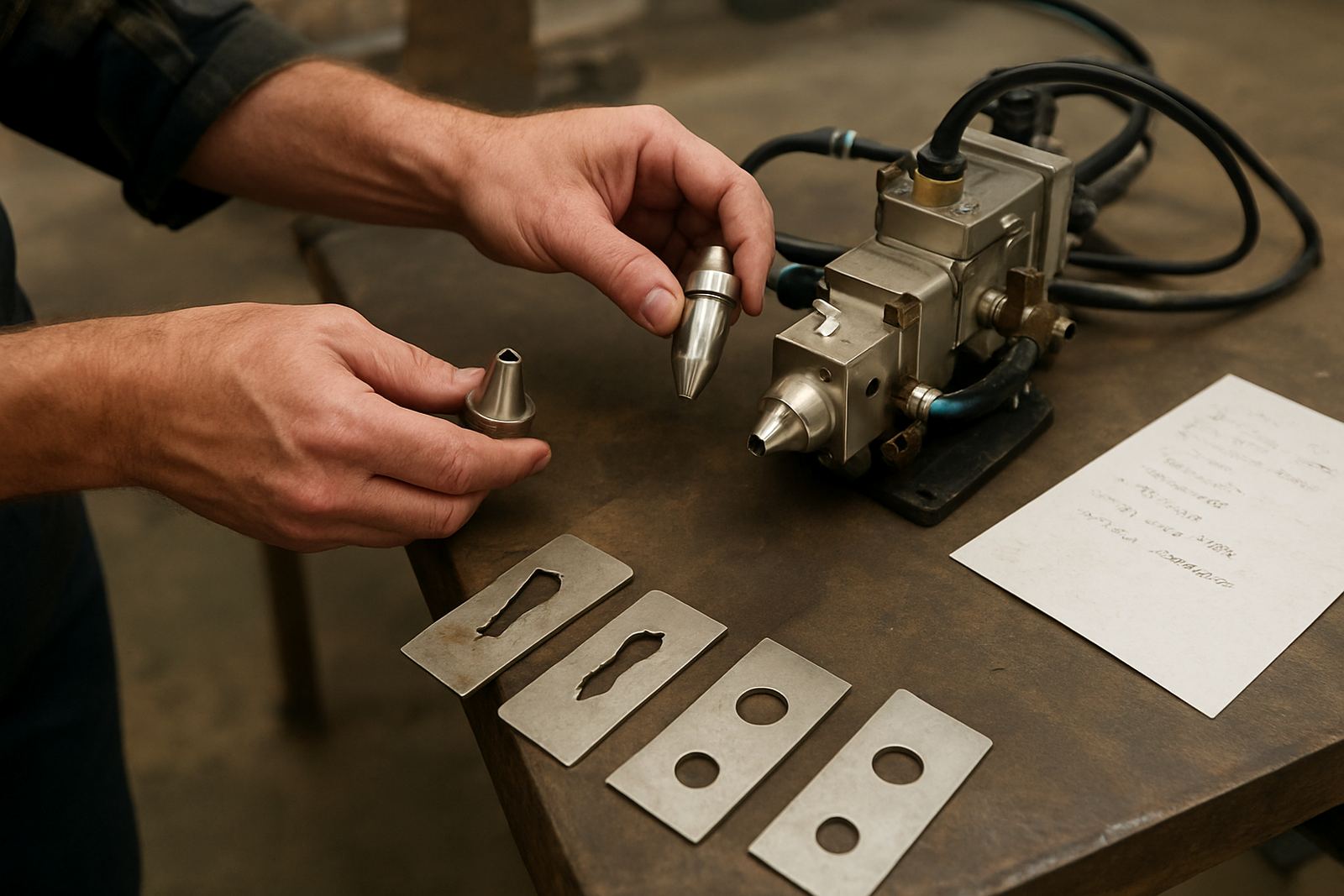
The fault note should explain what went wrong without filler. A report that says only poor cutting is not enough. You need detail such as damaged ceramic holder, worn nozzle seat, scratched protective window, or loss of alignment after a collision. That detail tells you whether the head needs a bench repair or a site visit, and whether production can continue on another machine while the unit is off line.
Look closely at the wording around wear. If the technician notes heat marks, carbon build-up, or repeated contamination, that usually points to a maintenance issue as much as a parts issue. In many cases the head is telling you something about air quality, gas quality, or a dirty environment in the shop. In coastal Durban, moisture can make those problems show up quicker than inland, so the report should be read with the local conditions in mind.
- Collision damage usually needs inspection of the full optical path
- Wear on the nozzle seat can cause poor beam centring
- Contamination often means the protection window needs replacement too
- Repeated faults may point to operator handling or setup problems
How to read the parts section without missing hidden costs
The parts list shows what was changed during the repair, but it also hints at future cost. If the report lists only a nozzle and window, the head may have had a light service. If it includes a lens, sensor ring, ceramic holder and internal cleaning, the repair was more involved and you should watch the machine closely after restart. That is the point where many workshops in Johannesburg and Pretoria forget to schedule a follow-up check.
Ask whether the parts fitted were replaced because they failed, or because they were out of tolerance. A part can still look clean and be unusable. For example a window may have no visible crack yet still scatter the beam after a near miss or a dirty cut. The report should say whether each part was inspected, cleaned, tested, or replaced.
- Nozzle replacement often follows burn-off or impact wear
- Lens replacement usually means there was visible damage or contamination
- Window replacement is common after spatter or smoke ingress
- Ceramic holder changes can follow thread damage or cracking
Test results tell you if the head is truly back in service
A report is not complete if it stops at parts replacement. You need to see the test results too. A bench pressure test, head alignment check and return to service test show whether the repair held up under operating conditions. If these are missing, the machine may run for a few hours and then drift out again, which is expensive when a customer order is already late.
In practice, the best reports include the condition before repair and the condition after repair. That means noting gas flow, sealing condition, alignment, and whether the head responded correctly during test firing. On fibre systems, slight contamination can look minor but still affect cutting quality on 1.5 mm stainless or 6 mm mild steel. On CO2 systems, the same type of issue can show up as rough edges or inconsistent pierce quality.
- Bench pressure test confirms the head can hold pressure under load
- Head alignment check shows whether the beam path is centred
- Return to service test confirms the head is ready for work
- Any weak result should trigger more inspection, not a quick restart
A local example from an Ekurhuleni workshop
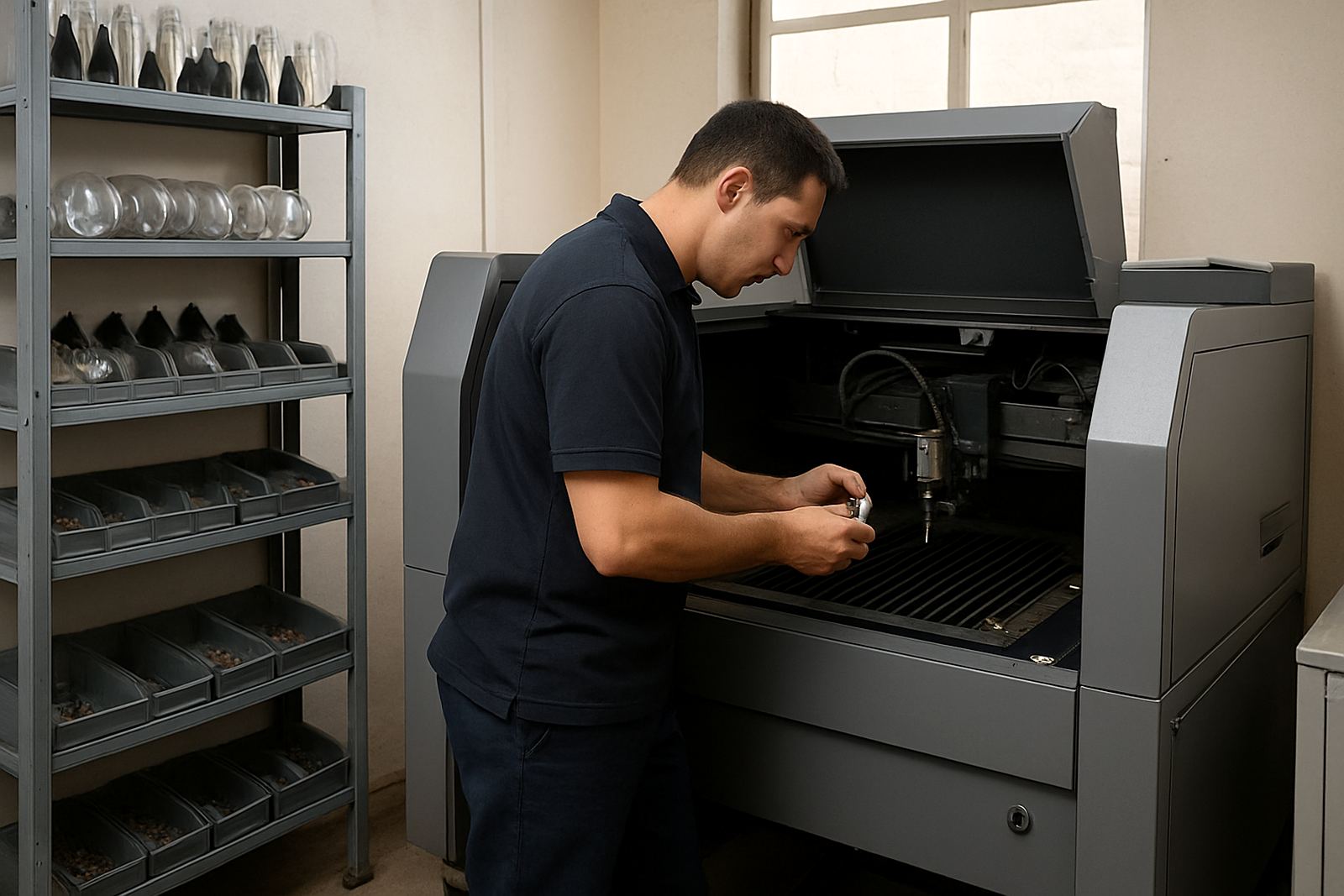
A fabricator in Boksburg brought in a fibre cutting head after a sudden crash on a nested sheet job. The first cuts after the incident looked acceptable, but by the afternoon the edges were rough and pierce marks were inconsistent. The service report showed collision damage at the nozzle seat, contamination on the protective window, and a ceramic holder that had shifted out of position. The head was stripped, cleaned and tested on the bench before being returned to site.
What mattered most was not only the repair itself but the follow-up plan. The report recommended a short production run at reduced speed, then a second inspection after the first shift. That step caught a small gas path restriction before it became a bigger failure. For a workshop running municipal jobs and short turnaround orders, that kind of note can save a day of lost production.
What to schedule after the report is issued
Once you have read the report, turn it into a maintenance plan. If the service notes show wear rather than a one-off crash, do not wait for another breakdown. Book the next inspection, check spare nozzles and windows, and make sure the machine operators know what symptoms to watch for. Downtime in South Africa is rarely convenient, and load-shedding can make a small issue turn into a long stoppage if the machine is left half set up and waiting.
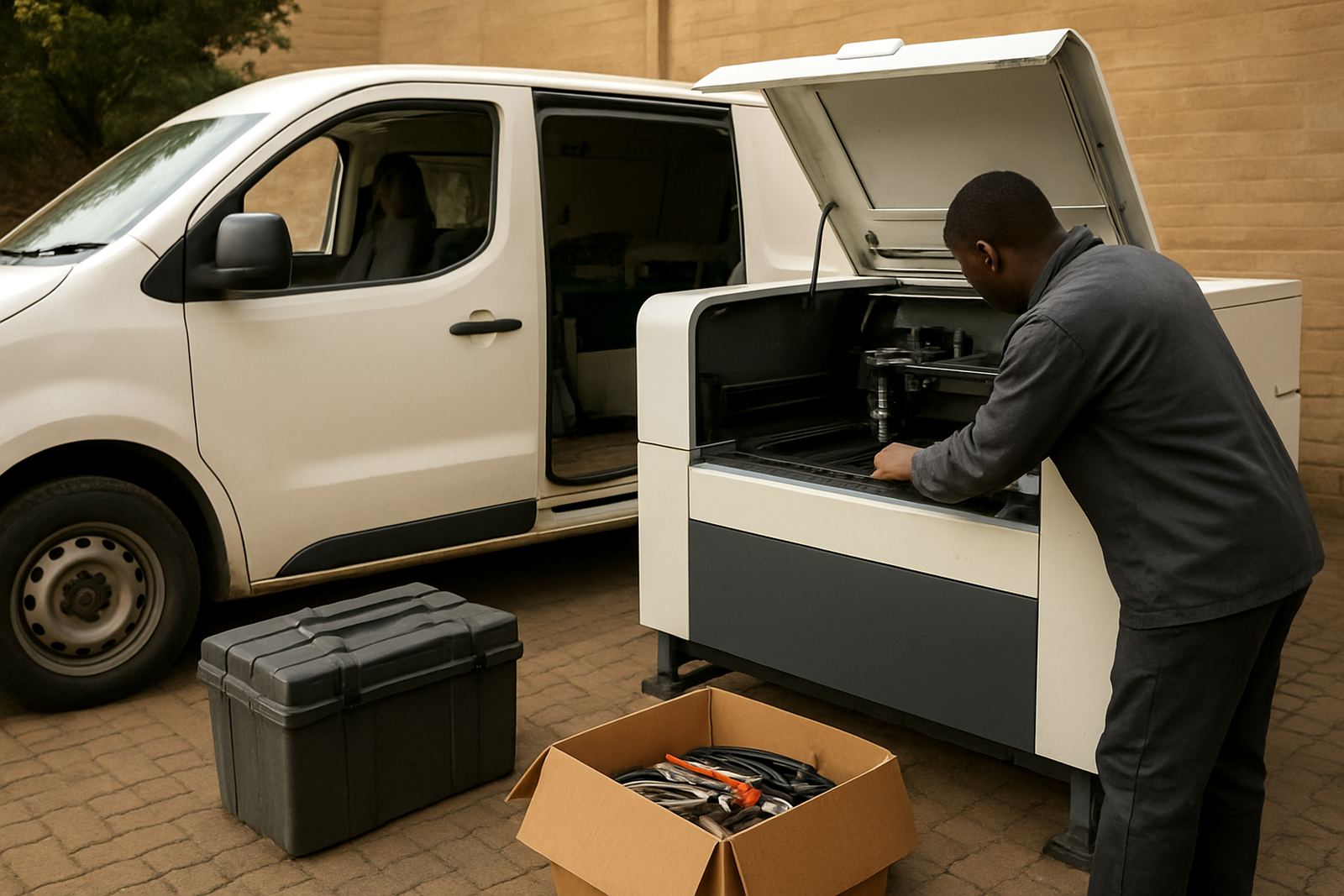
A sensible follow-up plan usually includes both workshop checks and site checks. If the head was repaired on the bench in Boksburg, confirm that it still performs once fitted back into the cutter. If the unit is going into regular production in Cape Town or Durban, ask for a fresh inspection after the first few shifts, especially where humidity, dust or operator turnover affects reliability.
- Set a date for the next inspection before the machine goes back into full use
- Keep spare nozzles, lenses and windows on hand
- Train operators to report rough edges, sputter or delayed piercing early
- Record every collision, even if the head seems to recover
Why a clear report matters more than a long one
The best service report is not the longest one. It is the one that helps you make the next decision quickly. You should be able to see whether the head needs another repair, whether the machine can keep running, and whether the problem came from normal wear or a bad event. That is practical support for workshops, signage plants and metal fabricators who need uptime more than theory.
When the report is written well, your team can plan labour, parts and machine time with less guesswork. That is the real meaning of the report: not paperwork for its own sake, but a working record that helps keep the cutter producing. If the next repair is needed in Johannesburg, Pretoria, Germiston or Kempton Park, the same rule applies, read the report carefully and act on the next step before the fault gets bigger.