Why the first fault check matters before parts leave the store
Most delays start when a machine is opened too late or the wrong part is ordered too early. A proper fault check gives the technician a clear picture of what failed, what can be saved and what must be changed straight away. That can be the difference between one visit and three, especially when a shop in Germiston or Kempton Park is trying to finish a week of cutting work before weekend overtime.
At Laser Ray Tools, parts dispatch begins with diagnosis. If the issue is a damaged protective window, worn nozzle seat or a head that took a knock during sheet movement, the repair plan is based on the actual condition of the unit, not guesswork. That helps avoid sending parts that do not fit, do not solve the problem, or arrive after the machine has already been down for too long.
- Confirm the laser type, head model and fault symptoms
- Check whether the damage is local or linked to deeper contamination
- List consumables and structural parts separately
- Decide if the repair can be done on site or must come to the bench
Parts supply that matches the repair, not just the machine
A laser machine may need one small item, or it may need a set of parts that work together. If a nozzle is cracked, the sensor ring may also need checking. If there has been a collision, the ceramic holder, nozzle seat and lens stack can all be affected. Dispatching the wrong item wastes time and often leaves the system still out of action. That is why the parts list is built around the repair method.
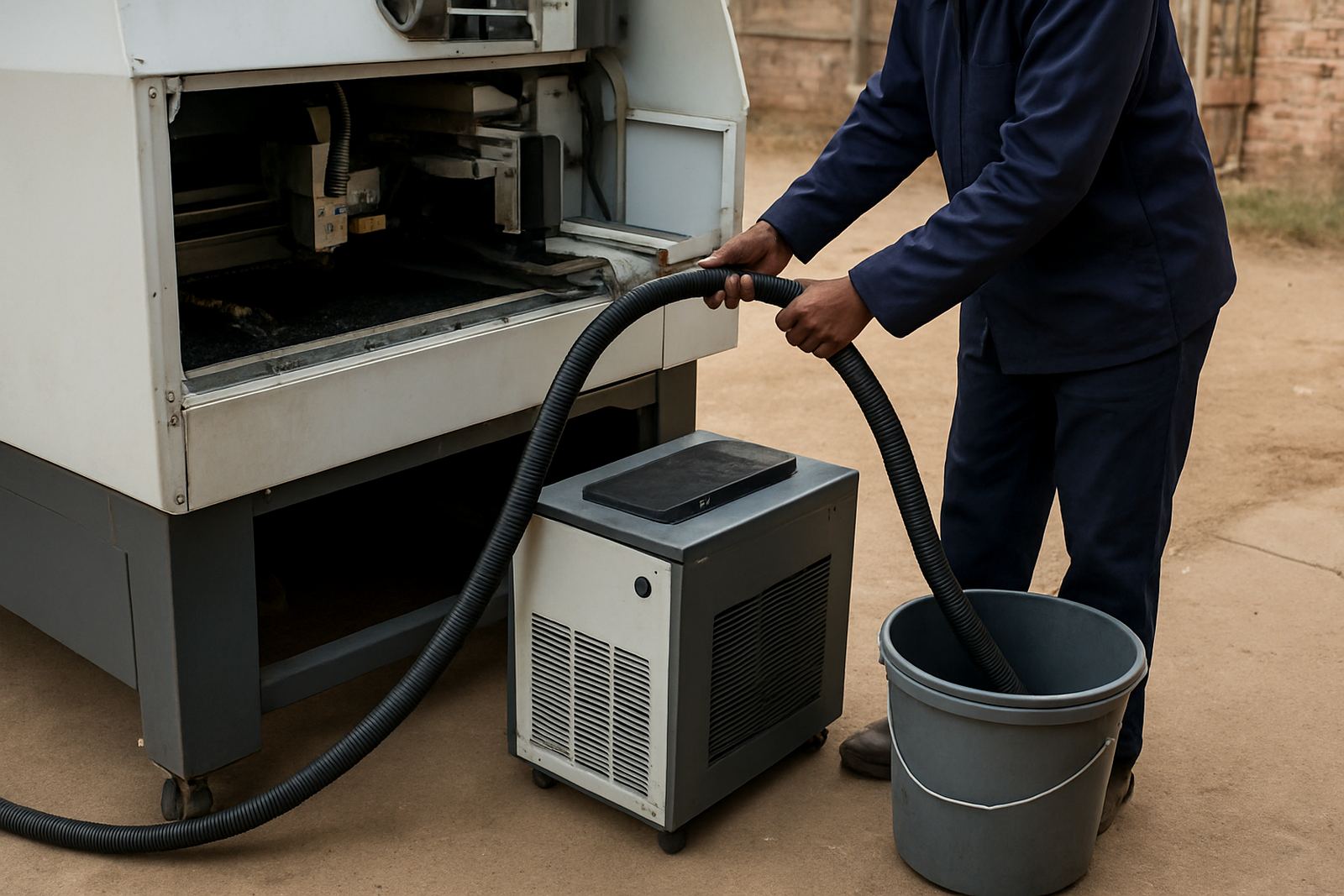
For fibre systems, the common items are nozzles, lenses, protective windows, ceramic holders and sensor components. On CO2 machines, the list may also include mirrors, lenses and cooling related items if contamination is found. The point is to send only what is needed, but to send it fast. In a busy signage plant in Pretoria, that can keep an afternoon shift from stopping completely.
- Nozzles for cut quality and gas flow control
- Lenses and protective windows for beam clarity
- Ceramic holders and sensor rings after impact damage
- Seals and fittings for gas path service
How bench work and field work change the dispatch plan
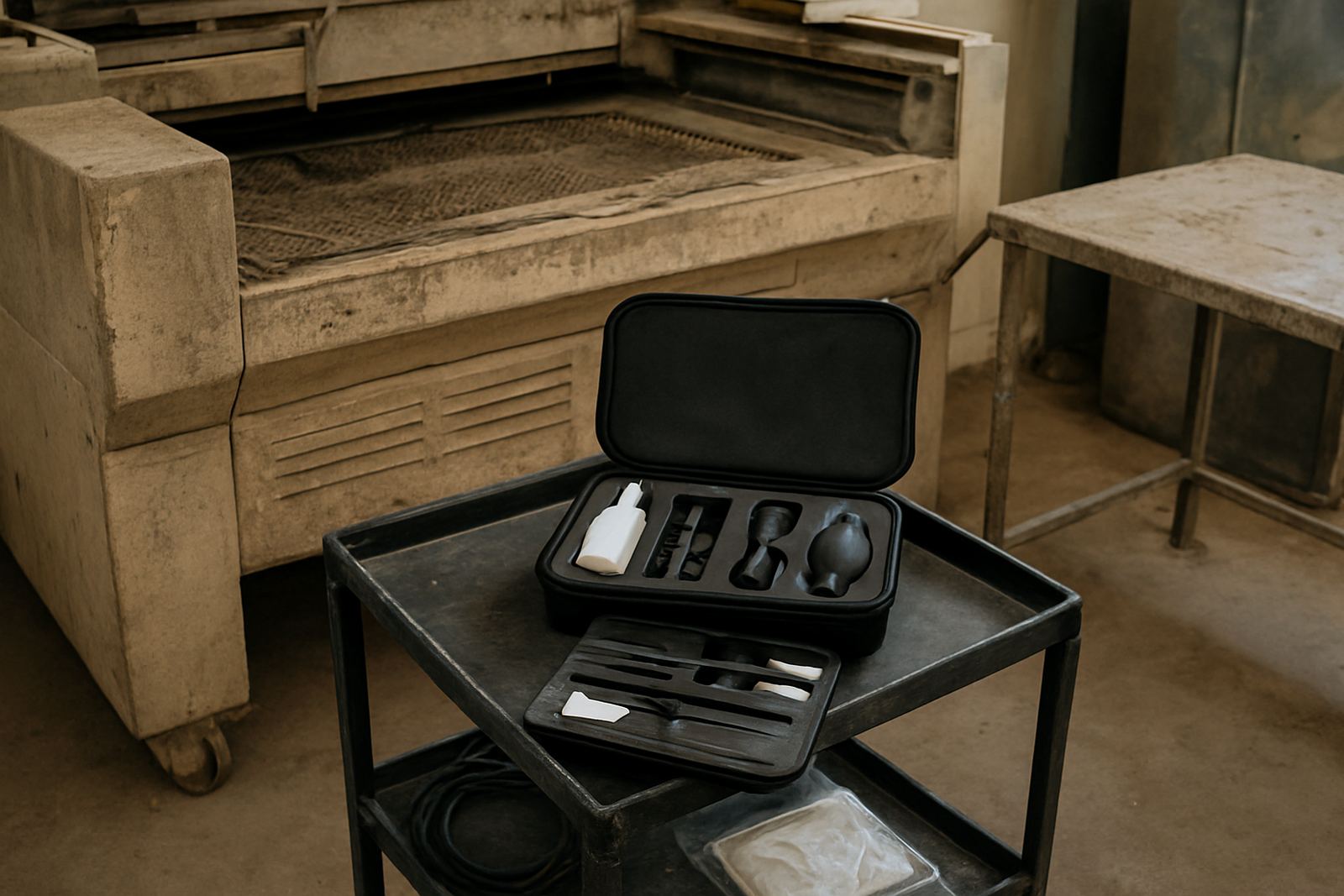
Some parts are best fitted in the workshop. Others can be taken to site if the fault is simple and access is safe. A bench repair allows closer inspection, pressure testing and alignment checks before the head goes back into service. That suits jobs where the machine has already suffered contamination, repeated nozzle wear, or a hard collision that shifted the internal geometry.
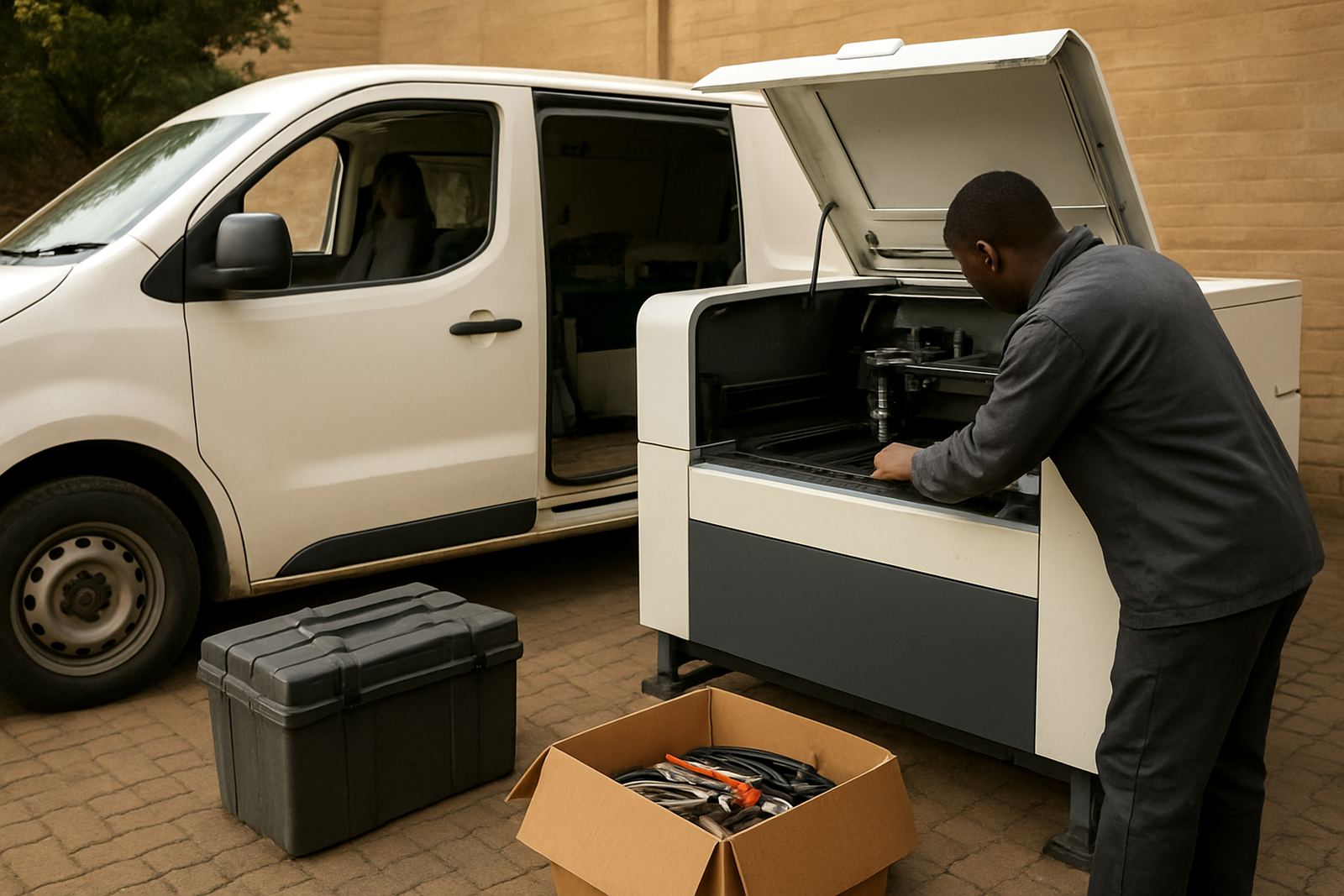
Field work is useful when production cannot wait and the repair is straightforward. A technician can remove damaged items, fit replacement parts, carry out internal cleaning and test the head before the crew restarts cutting. In summer, when humidity climbs along the coast, fast dispatch matters even more because moisture and dust can turn a small fault into a bigger one quickly.
For Boksburg base operations serving Durban and Cape Town customers, parts are packed according to the repair route. Bench work gets a fuller kit, while on-site call-outs carry the items needed to return the machine to work without unnecessary repeat trips.
The local example: one collision, one fast recovery plan
A metal fabricator in Vanderbijlpark called after a cutting head clipped raised plate on a nesting table. The machine still powered up, but cut quality dropped and the nozzle kept marking. Rather than waiting for a full teardown, the technician first checked the head alignment, the condition of the ceramic holder and whether the lens had been affected by spatter or dust. The fault was clear within a short time, which meant the right parts could be sent out the same day.
Because the damage was identified early, the workshop did not lose a whole day chasing the wrong fix. A replacement nozzle seat, protective window and sensor ring were prepared, then the head was tested again after fitting. The job was finished with a return to service test so the operator could see the beam was stable before production resumed. That kind of fast turnaround is practical, not fancy, and it saves money.
What happens before a part is released from the store
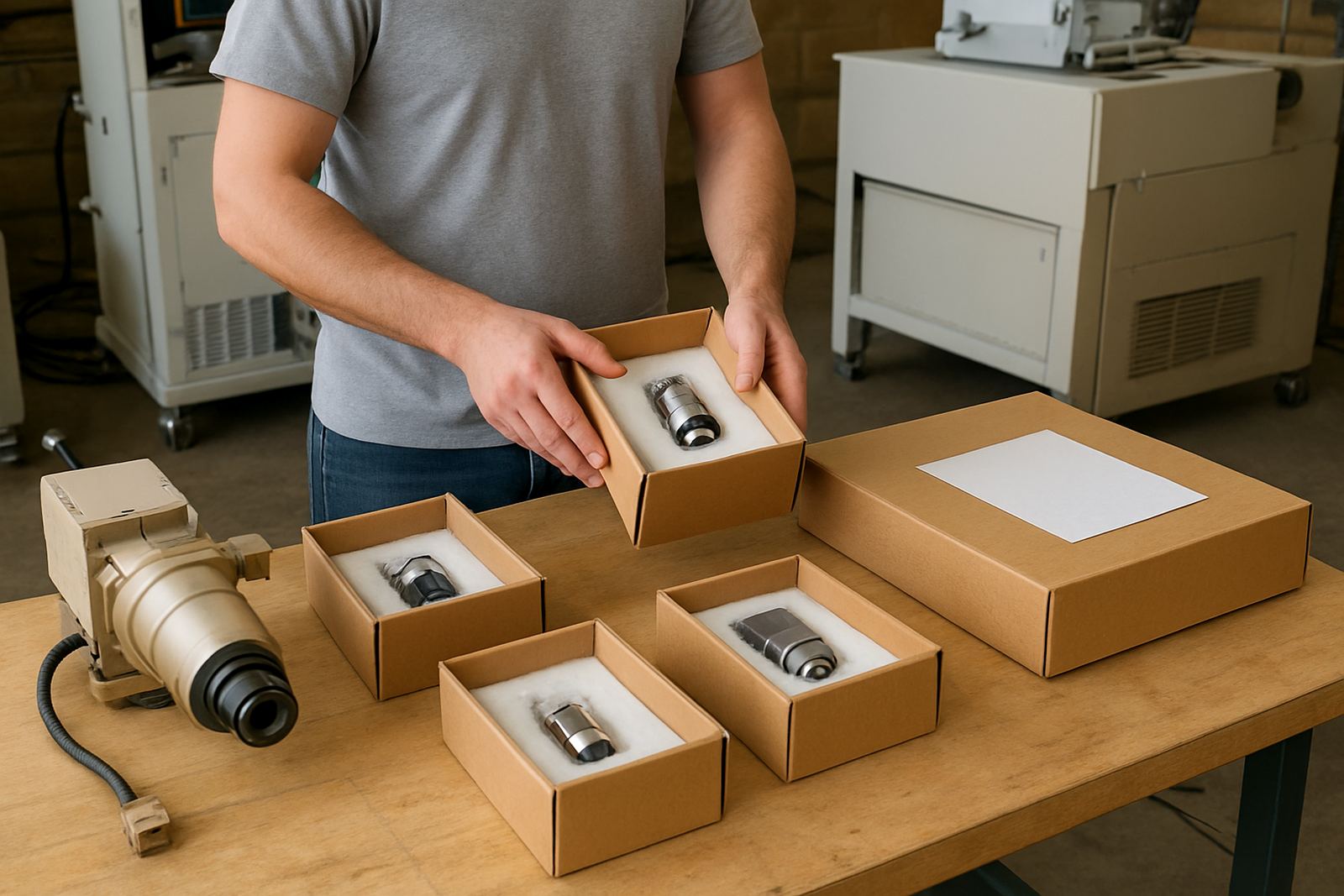
Good dispatch control is part paperwork, part experience. The stores team must confirm the item, check stock, and make sure the technician has the correct spec before release. If a part is going to Johannesburg Support or Pretoria Support, the packaging needs to prevent damage in transit and keep small fittings from going missing. Simple mistakes at this stage can add hours to a repair.
Every item is tracked against the job so the workshop knows what was used and what still needs attention. That helps with repeat faults too, because a machine that keeps losing nozzles may have a setup problem, not just a consumable issue. In a production environment, that kind of detail matters. It saves rework and avoids unnecessary downtime when orders are already tight.
- Check part number and machine type before release
- Pack fragile items for road transport and courier handling
- Match the part to the repair stage, not only the fault name
- Record what was fitted for follow up and maintenance planning
Keeping spares moving when load-shedding and deadlines hit
South African workshops know that a machine fault does not wait for a quiet day. Load-shedding, shift changes and municipal production deadlines can all squeeze the time available for repairs. That is why dispatching parts quickly is not just a warehouse task, it is part of keeping the whole cutting line working. When the issue is identified early, the right item can be moved without delay and the machine can return to cutting before the backlog grows.
Whether the call comes from Boksburg, Durban or Cape Town, the aim stays the same: keep the repair practical and keep the downtime short. If the fault is found quickly, the parts go out quickly, and the technician can focus on restoring performance instead of searching for another unknown. That is the kind of support fabricators can plan around, even when the week is already full.