
When the same fault keeps coming back
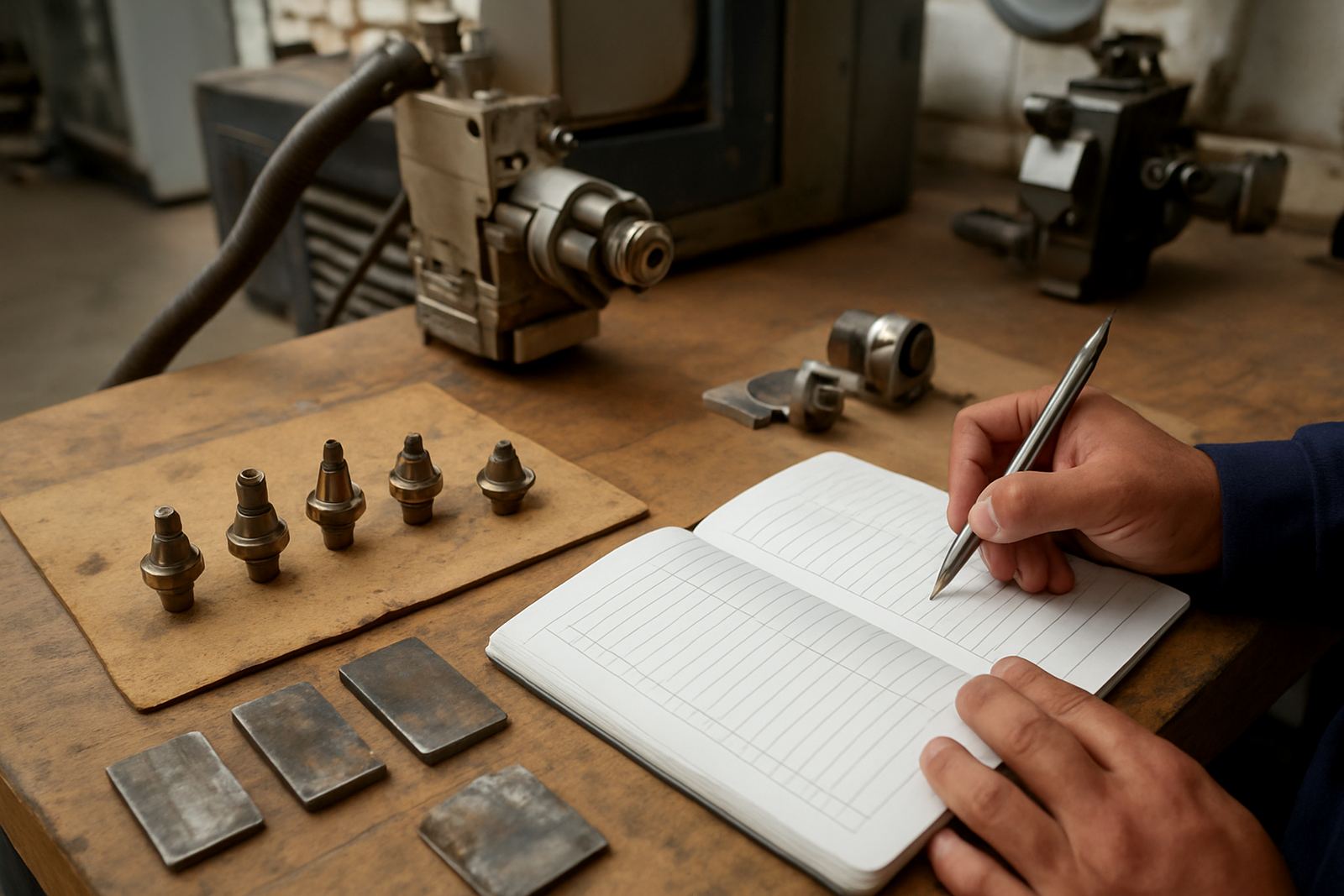
Most workshop managers know the pattern. A machine starts cutting a little rough, the operator cleans the nozzle, swaps a lens, then the same edge quality problem returns a week later. After that come the extra gas checks, another alignment tweak, and another stop in production. At that stage the issue is usually deeper than a single worn part.
A bench rebuild makes sense when the cutting head has repeated damage, contamination or alignment drift that keeps showing up after each small fix. Fibre and CO2 systems both suffer when the internal parts are not sitting correctly. If the sensor ring is loose, the ceramic holder is cracked, or the nozzle seat is no longer true, the machine can keep giving poor results even after fresh consumables are fitted.
- Frequent nozzle changes with no real improvement
- Burn marks or rough edges that move from one job to the next
- Intermittent fault alarms after a collision
- Protective windows failing too often
- Gas usage climbing without better cut quality
The true cost of patching instead of rebuilding
It is easy to think a few small parts will be cheaper than a rebuild. Sometimes they are. But once the head has been knocked, contaminated, or run with worn seals for too long, the little fixes start adding up. You pay for parts, callouts, labour and lost cutting time, and still the machine may not return to proper tolerance.
In a busy shop, a two hour stop can affect the rest of the shift. In Johannesburg or Pretoria, where job shops often run tight delivery dates, that lost time can push a sheet metal order into the next day. On the coast, humidity can also make internal cleaning and sealing more urgent because moisture and fine dust do not leave electronics or optical paths alone. A proper strip and bench test gives you a clearer picture of what is actually worn, what is reusable, and what must be replaced. That is usually better value than chasing faults one by one.
- Less repeat downtime over the next few weeks
- More accurate diagnosis of hidden wear
- Cleaner gas path and more stable cutting
- Better protection for lenses and windows
- Clearer plan for future service intervals
What a proper bench rebuild usually covers
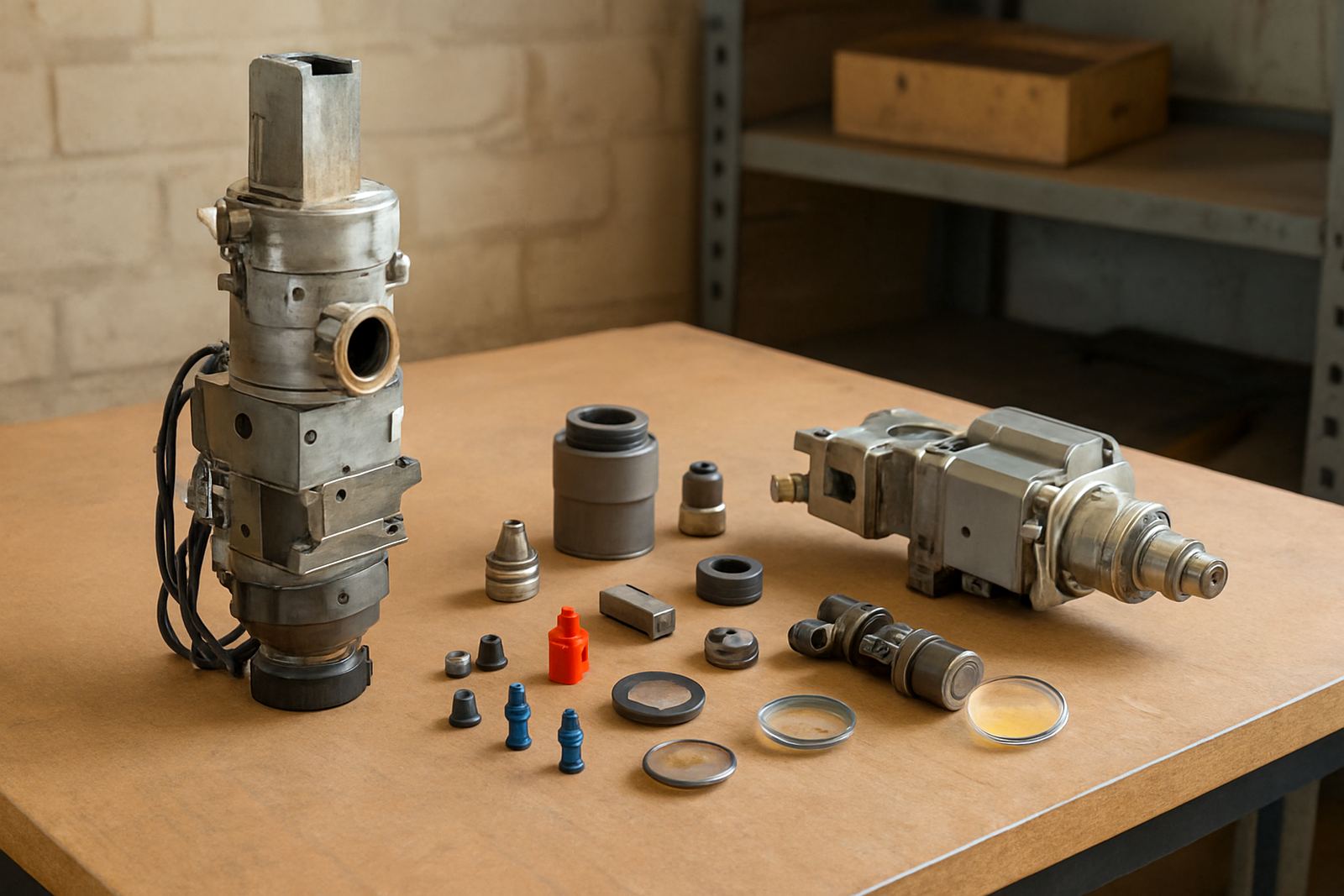
A bench rebuild is not just a quick clean. It starts with strip and inspection, so the technician can see the full condition of the head. From there the worn or damaged parts are replaced, the internal surfaces are cleaned, and the gas path is checked for leaks or blockage. If the unit took a knock, alignment and pressure testing follow before return to service.
For many South African workshops, this is the point where the machine moves from uncertain to predictable again. A good rebuild should leave you with a head that cuts to spec, holds alignment, and gives the operator fewer surprises on the floor. It also helps to catch damage that is easy to miss, such as a slightly out of true nozzle seat or a ceramic holder that has started to break down under heat.
- Strip and inspection
- Collision damage repair
- Nozzle seat restoration
- Lens replacement
- Window replacement
- Sensor ring service
- Ceramic holder change
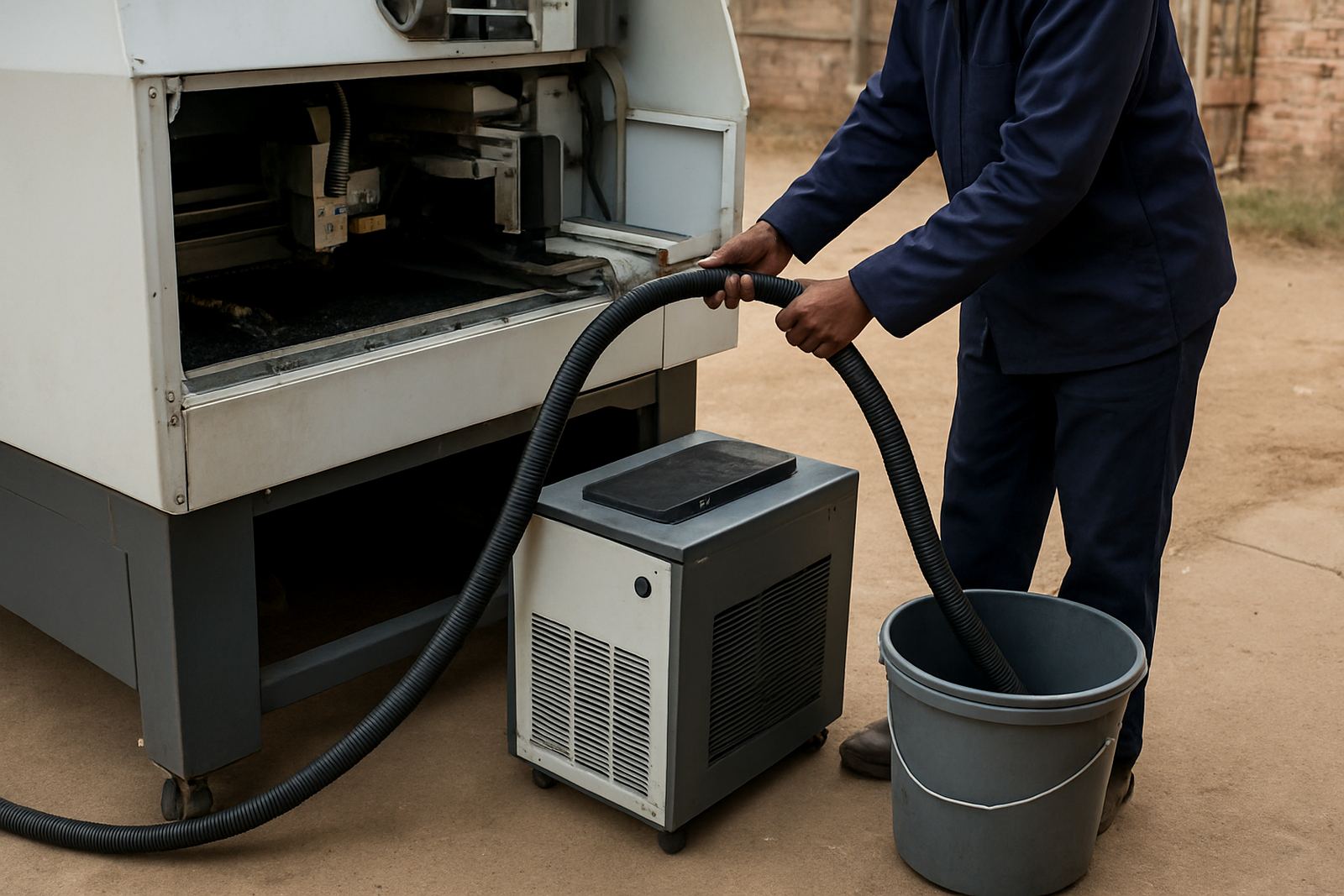
- Internal cleaning and gas path service
- Head alignment check
- Bench pressure test and return to service test
Signs your machine needs more than site-side tinkering
There are jobs that can be handled on site, especially when the issue is obvious and the head has only minor wear. But once the fault gets harder to trace, a bench environment is better. You get proper lighting, the right tools, and enough time to inspect each component carefully instead of working around production pressure.
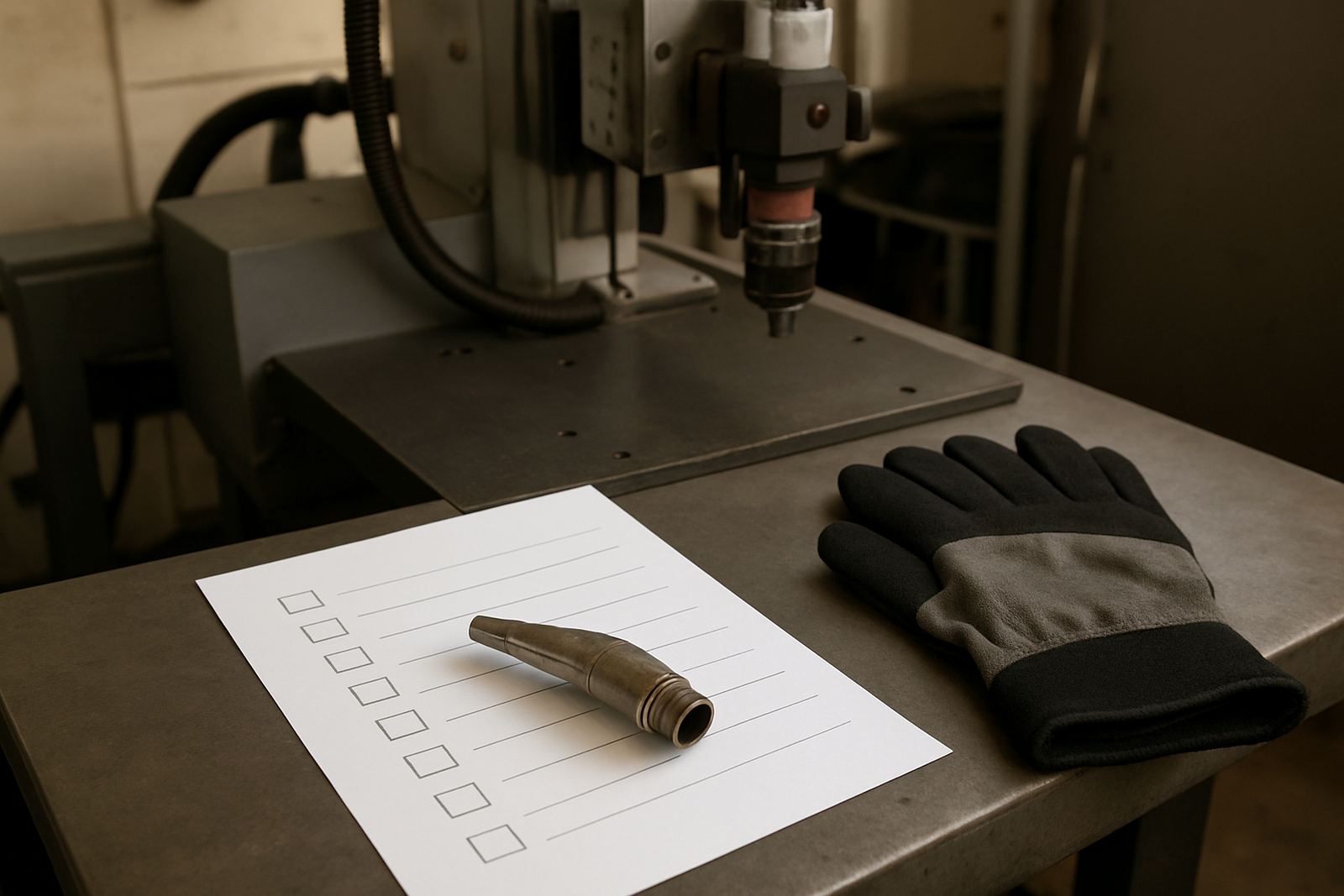
Look out for these warning signs. If more than one is happening at once, a rebuild is usually worth considering. In some cases the machine may still cut, but not well enough for repeatable work. That is when the hidden cost starts creeping in.
- Cut quality changes during the shift
- Frequent crash marks or signs of a previous collision
- Unstable focus height or inconsistent pierce performance
- Protective windows clouding too quickly
- Repeated pressure issues in the head
- Operators adjusting settings more than usual just to keep work going
A local example from Boksburg to Vanderbijlpark
A metal fabricator in Boksburg came to us after a fibre head had been giving trouble for several weeks. The team had already replaced a nozzle, then a window, then tried another lens, but the cut edges were still inconsistent. The machine was not fully down, which made the problem harder to justify, yet every day there was more rework and more material wasted.
After a bench strip, it turned out the head had hidden collision damage and a worn ceramic holder. The gas path was also dirty enough to affect flow. Once the parts were replaced, the head aligned correctly and the cut settled back into spec. The shop avoided another round of small fixes and got back to a steady production run. That kind of job is common across Ekurhuleni, and we see the same pattern in Vanderbijlpark too, especially where machines run hard on flat bar, plate and signage work.
The lesson is simple: if the same problem keeps returning, stop treating only the symptom. A proper rebuild often saves more than it costs because it removes the source of the fault instead of just masking it for another week or two.
How to decide between a quick repair and full rebuild
Not every fault needs a full bench job, so the best approach is to look at the history of the machine. If the issue is new, isolated and the parts are sound, a focused repair may be enough. If the machine has had repeated cut quality problems, a crash, or several part changes without a lasting fix, a rebuild is usually the better call.
For workshops in Johannesburg, Durban, Cape Town and Pretoria, the deciding factor is often downtime. If the machine is earning only when it cuts properly, then a short period off the floor for proper attention can be the cheaper route. It also helps your operators work with confidence instead of guessing at settings all day.
As a rule of thumb, ask these questions before choosing another patch job:
- Has the same fault returned more than once?
- Was there a collision or a drop in cut quality after a crash?
- Are multiple consumables wearing out too fast?
- Has the head already had several small repairs?
- Would another breakdown hurt the current production schedule?
If the answer is yes to most of those, the bench usually wins. It gives you a proper starting point again, and that can be the difference between chasing faults and getting through the week with fewer interruptions.