
Start with the machine basics, not just the symptom
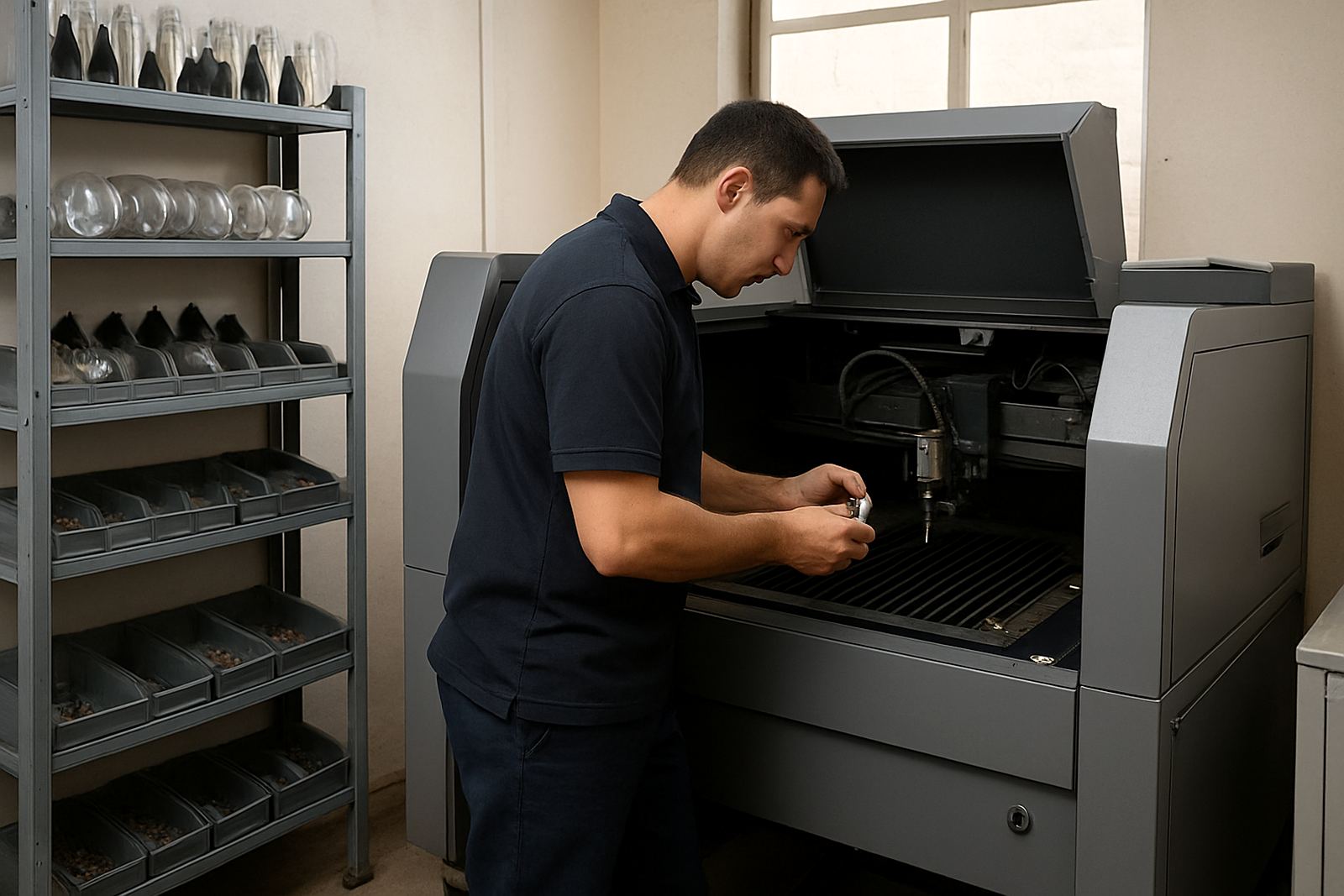
When you book a repair, begin with the machine details that matter most in the workshop. State whether it is a fibre or CO2 system, the cutting head type if known, the machine age, and whether the fault started after a collision, a lens change or a power interruption. That simple context helps the team separate wear from impact damage or electrical trouble.
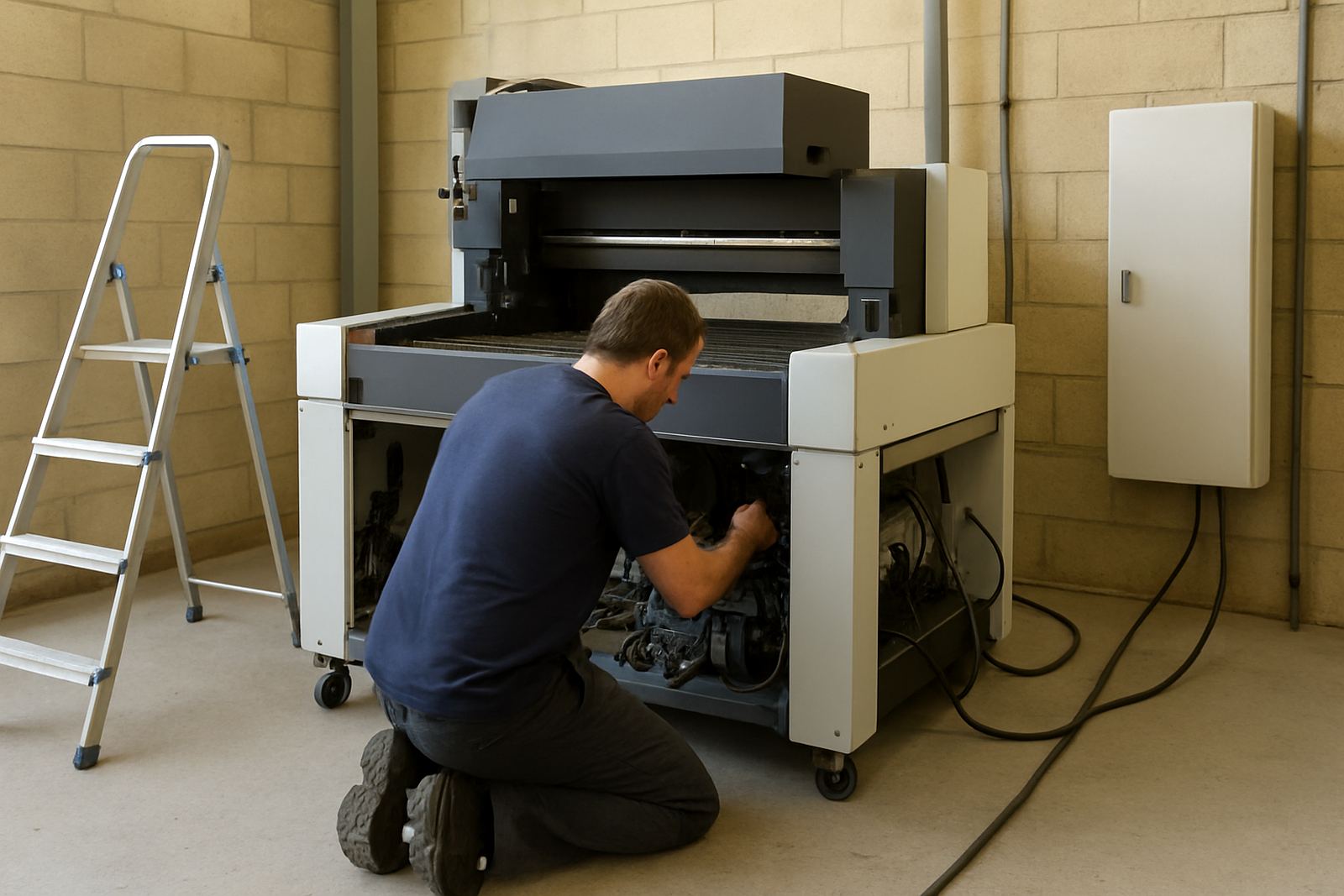
Also include where the machine sits and how it is used. A head that runs all day on mild steel in Boksburg will show different signs to one used for light signage work in Cape Town, especially where coastal humidity and dust can affect optics and moving parts. If the unit has been moved recently, say so. Transport damage can look like a head fault, a nozzle seat issue, or a bad alignment problem.
Describe the failure in plain workshop language
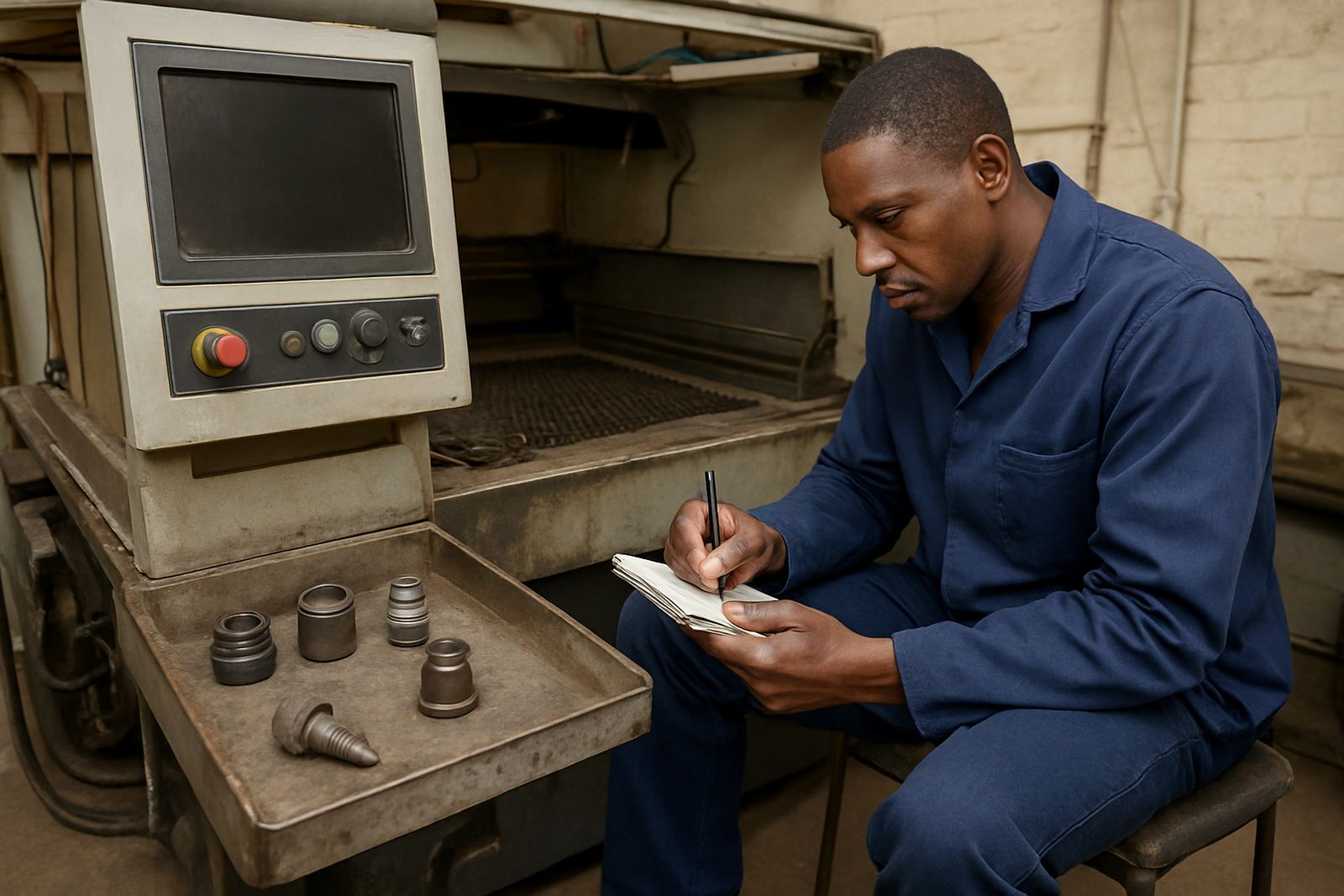
Operators do not need to write a technical report, but the fault must be described clearly. Say what the machine was doing when it failed, what it is doing now, and whether the problem is constant or comes and goes. A steady alarm is easier to trace than a fault that only shows up on thicker plate, during piercing, or after the machine has been running for two hours.
- Include the exact alarm text or fault code if there is one
- Note whether cutting quality dropped before the machine stopped
- Say if the head crashed into the sheet, slats or a lifted part
- Confirm whether gas flow, pressure or assist gas changed
- Record any strange noise, smoke, vibration or burning smell
If the operator noticed poor edge quality first, say whether the issue was dross, taper, rough corners or incomplete piercing. Those details can point to nozzle wear, lens damage, a dirty gas path, or a sensor ring problem.
List the parts already fitted and what was done on site
Many delays happen because the workshop leaves out what has already been tried. If a nozzle, lens or protective window was changed before the booking, say which part was fitted and whether the fault remained. If somebody cleaned the head, checked the gas path, or reset the machine after a power trip, mention that too. It saves time and stops the same test being repeated twice.
Where there was a crash, note whether the ceramic holder, nozzle seat, sensor ring or internal body was touched. Even a small knock can shift alignment or score the seat, and that often causes poor cutting long before the head fails completely. A quick note like “head bumped on Tuesday, machine still runs but pierces badly” is far more useful than “not cutting properly”.
- State if the fault appeared after load-shedding or a generator changeover
- Confirm whether the compressor, dryer and gas supply were stable
- List any parts swapped, including used spares from store
- Say if the machine was restarted after the problem happened
Photos and samples speed up diagnosis
Good photos often answer the first round of questions before the machine arrives at the bench. Send clear images of the cutting head, nozzle tip, lens stack if visible, protective window, burnt marks, sensor ring area and any damage to the ceramic holder. If possible, add a photo of the cut edge and the part that came off the machine. A clean image from a phone is usually enough, provided the light is good.
Operators should also keep a sample of the failed cut if it helps show the problem. A rough edge from a signage plant in Germiston may point to a different issue than a thick plate job from Vanderbijlpark, where piercing load and heat buildup are heavier. In both cases, the cut sample gives the technician a real starting point instead of a guess.
When a workshop sends photos and cut samples with the booking, the repair team can prepare the bench test, check pressure settings and pick up likely wear items before the machine reaches Boksburg.
Tell us what production pressure you are under
Not every repair has the same urgency. A job shop that has only one cutter will need a different response from a plant with a backup machine. If a customer collection is due today, say so. If the machine is part of a municipal contract, a fabrication run, or a high-volume signage order, the repair priority must match the workload.
It also helps to mention working hours and access. Some workshops only shut down late, while others can release a head for bench work in the morning and need it back the same afternoon. If the unit must stay on site because it is too large or the production line cannot stop, say that at the booking stage. That helps the service team plan whether a bench repair or an on-site visit is the better route.
- Advise if the machine must stay operational for part of the day
- Say whether the fault affects one machine or several
- Share any deadline tied to customer orders or site work
- Confirm if there is space for a technician to work safely on site
A clear handover saves time in Boksburg and beyond
At Laser Ray Tools, the best repairs usually begin with a complete handover from the operator, supervisor or production lead. That means the technician receives the fault history, photos, part changes and production pressure in one go. From there, the team can move straight into strip and inspection, collision damage repair, nozzle seat restoration, lens replacement, window replacement, sensor ring service, ceramic holder change, internal cleaning, gas path service, head alignment check, bench pressure test and return to service test as needed.
For example, a fabricator in Pretoria may report that a fibre head started cutting with heavy dross after a crash on thick mild steel. A clear note that the machine was still running after a restart, but the lens cover showed heat marks and the pierce failed on 8 mm plate, gives the technician a proper path. The same applies in Durban where humidity can add another layer to the fault picture, or in Cape Town where salty air can affect the optics housing. Good handover notes keep the repair practical and the downtime short, which is exactly what production teams need.
If your machine is down, send the facts first and the guesswork later. The right notes help the workshop move faster and keeps the cutter earning again.