Start with the right machine history, not just the symptom
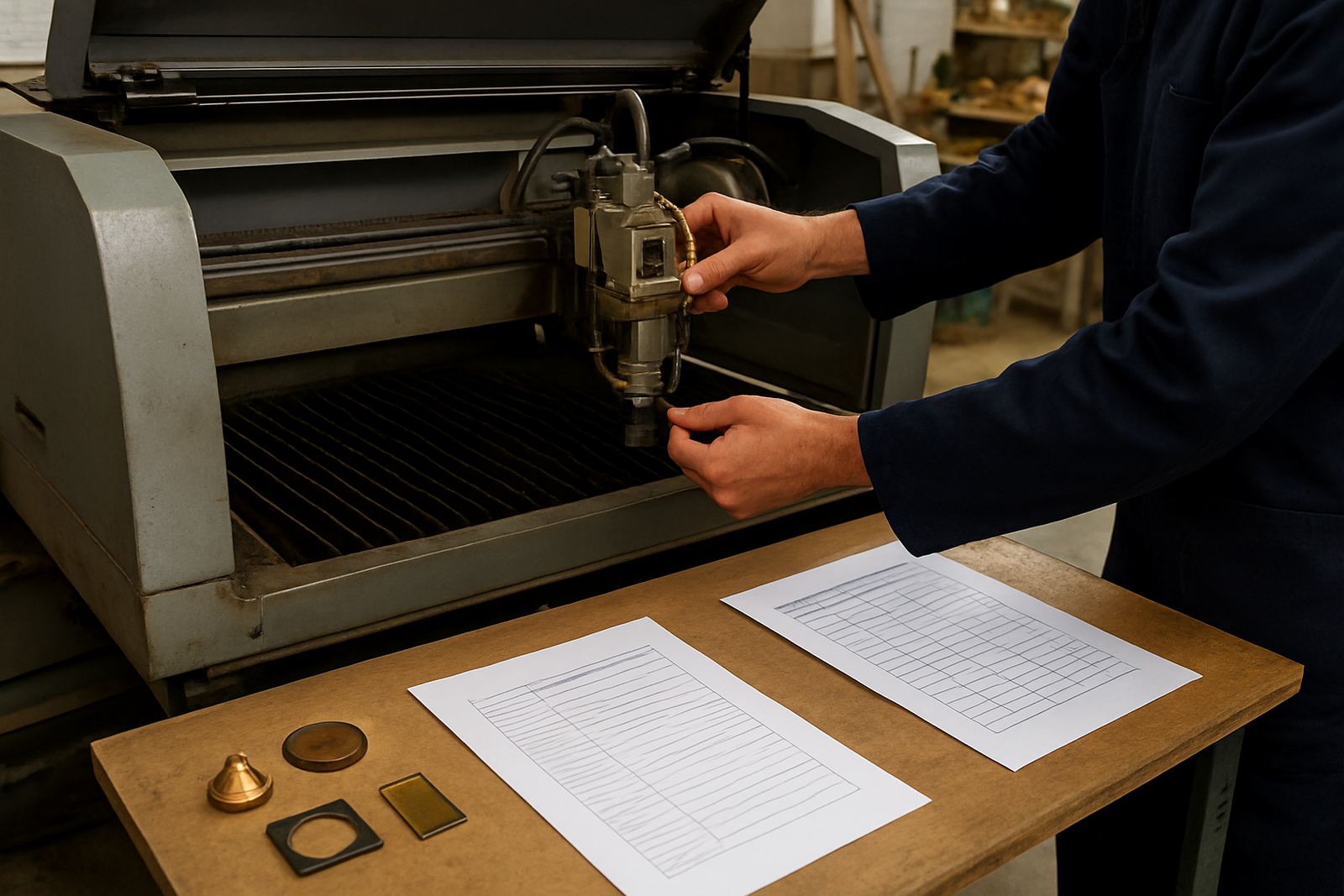
Before a field visit, gather the basics on the machine and the fault. A laser head that crashed on Tuesday may need a very different approach from one that has slowly lost cut quality over three weeks. The more exact the story, the quicker the fault can be traced and the less time is spent opening panels for guesswork.
Have the machine make, model, age, and recent service work ready. If the issue began after a nozzle change, lens replacement, power dip or gas bottle change, say so. In many workshops around Boksburg and Germiston, a quick note from the machine operator saves an hour of back and forth on site.
- Record the fault message exactly as it appears on the screen
- Note when the problem started and what was running at the time
- List any collisions, alarms, or loss of cut quality before the breakdown
- Confirm whether the issue is on one head or several heads
Clear access around the laser and the cutting path
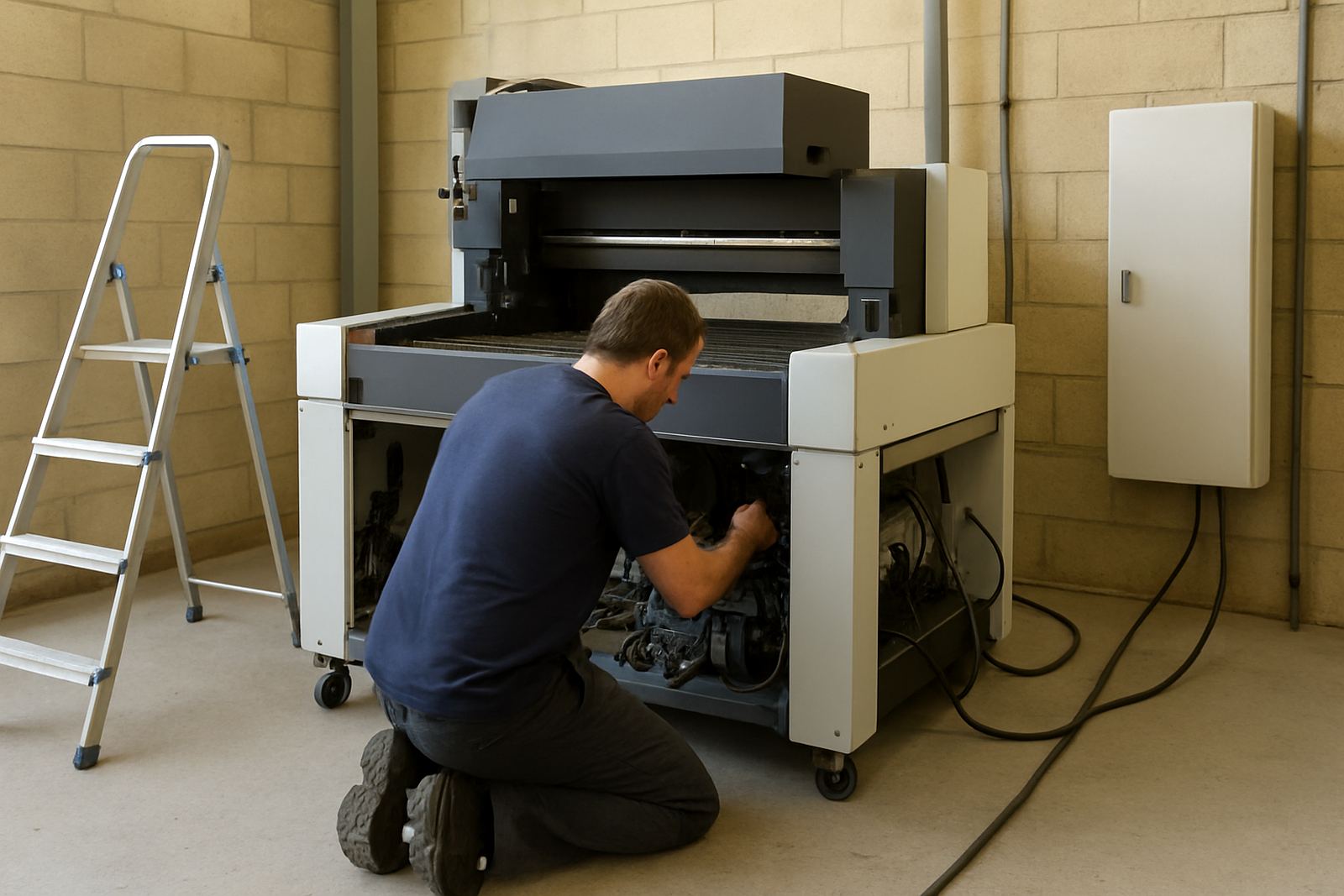
Technicians need safe access to the cutting head, rails, control cabinet and assist gas lines. If the machine sits tight against a wall, under stored sheet packs, or behind pallets of offcuts, the visit slows down before the first spanner comes out. Make space on all sides of the machine so a technician can move with tools, test gear and parts.
In many shops the operator area, scrap area and service area overlap. That is workable, but only if it is tidy on the day. Remove loose sheets, clamps, oil drums and boxes from the machine envelope. If the head needs inspection from above, make sure overhead guards or hanging stock will not get in the way.
- Leave at least 1 metre clear around the machine where possible
- Unlock access panels and keep the keys available
- Move heavy stock, offcuts and trolleys away from the work zone
- Make sure the technician can reach the head, cabinet and gas supply without climbing over anything
Check power quality and supply conditions before the visit
Laser machines are sensitive to poor power, loose terminations and unstable supply conditions. In South Africa, load-shedding, generator changeovers and voltage swings can cause faults that look like mechanical trouble but are actually electrical. If the machine has been running through a backup system, say so up front.
Have the machine on a stable supply by the time the technician arrives. If possible, confirm that breakers are not tripping and that the correct isolation points are known. A field visit is faster when the technician can test under normal conditions instead of chasing a power issue that comes and goes.
- Confirm whether the machine is on grid power, generator or inverter support
- Check for loose plugs, tripped breakers or scorched terminations
- Make sure the machine is safe to switch on and off for testing
- If there has been a recent outage, tell us what happened and how long the machine was down
Prepare the gas supply, consumables and basic spares
Gas delivery problems can mimic a head fault, especially when cut edge quality changes or the pierce becomes unstable. Before the visit, check that assist gas bottles or bulk supply are connected, open and delivering clean gas at the right pressure. If you use mixed gases, label them clearly and keep the changeover points visible.
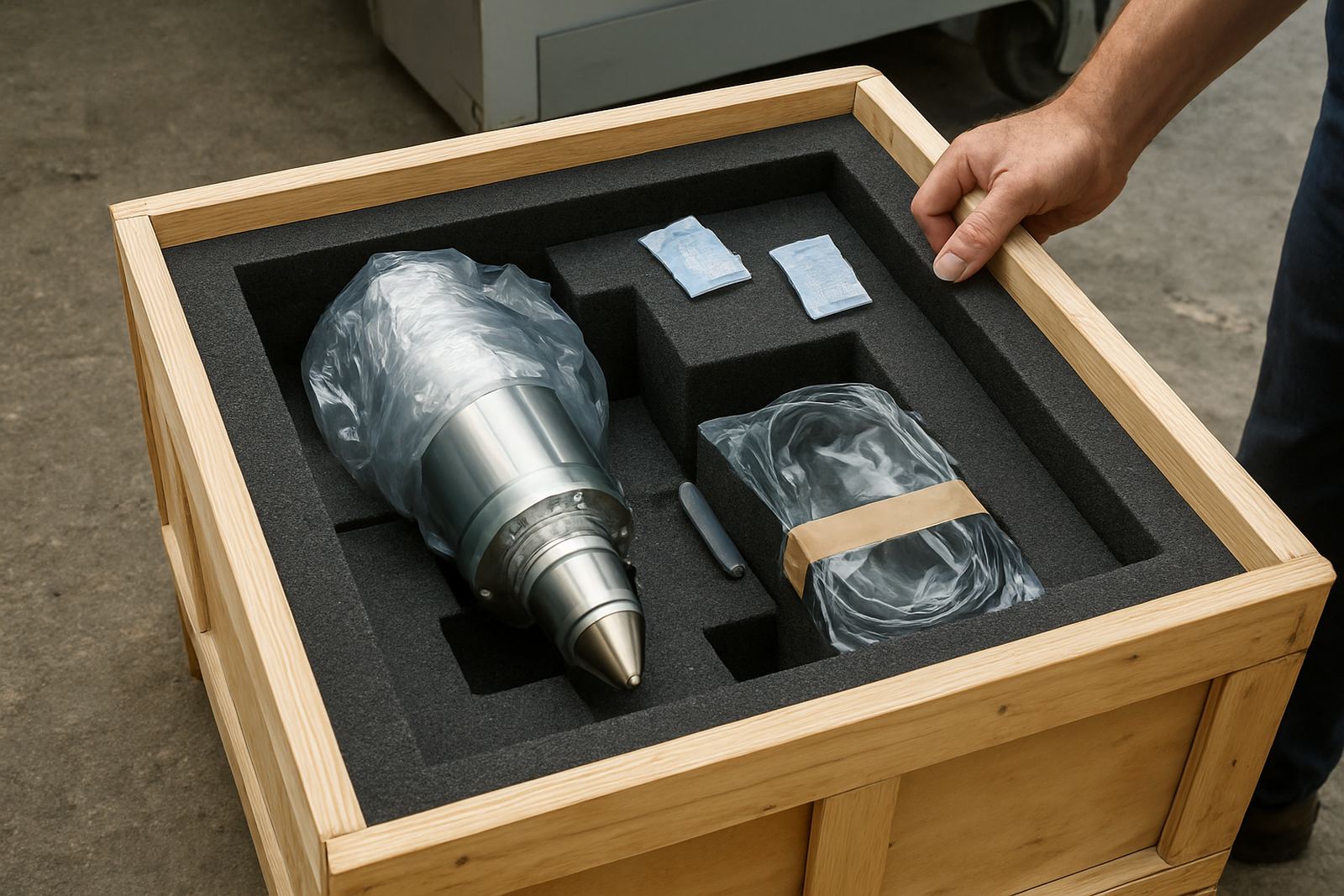
It also helps to have the consumables you normally use on hand. Nozzles, lenses, protective windows and ceramic holders are often the first items checked on site, and a missing part can turn a same-day repair into a return visit. If you already know the machine has a worn nozzle seat or a cracked window, mention it when booking the callout.
- Confirm gas cylinders or bulk supply are full enough for testing
- Keep spare nozzles, lenses and windows nearby if you stock them
- Label machine-specific consumables so there is no mix-up
- Have the part numbers or sizes ready if replacements may be needed
Give the technician a clean, safe working space
Site work is quicker and safer when the area is set up properly. The cutting head area should be clean, dry and well lit. Oil mist, grinding dust and coolant overspray make diagnosis harder and can hide damage around the nozzle seat, sensor ring or protective window. If the workshop has recently cut heavy plate, sweep the floor near the machine first.
Safety matters too. Make sure the machine is isolated where needed, that only the necessary people are nearby, and that operators know when not to restart the equipment. If the machine has a history of intermittent faults, tell the team not to cycle it repeatedly before inspection, as this can make the fault harder to trace.
A tidy site also helps with municipal and site rules. Some industrial parks in Ekurhuleni and beyond require visitor sign-in, PPE control and vehicle access details, so have those ready before the technician arrives. It saves time at the gate and gets the job underway sooner.
What a prepared visit looks like in practice
A signage shop in Johannesburg might call us after a fibre head collision on a Friday afternoon. The workshop can help by clearing the machine bay, keeping the damaged nozzle and window aside, and making sure the power feed and gas line are ready for inspection. When the technician arrives, the head can be stripped and checked without waiting for the area to be cleared or the operator to search for parts. That simple prep can mean the difference between a quick bench repair and a lost production day.
Good preparation is not about doing the technician’s job. It is about removing the small delays that add up. With access, power, gas and machine history in order, we can diagnose faster and decide whether the fix belongs on site or on the bench. That keeps the visit focused on restoring cut quality and getting the machine back to work.
A short pre-visit checklist for workshop managers
Use this quick list the day before the appointment. It helps the team stay organised and it avoids avoidable delays when the technician is already on the road from Boksburg to Pretoria, Vanderbijlpark, Durban or Cape Town.
- Clear the area around the machine and remove offcuts, stock and tools
- Confirm machine make, model, fault history and recent changes
- Check power, gas and air supply are stable and available
- Keep spare consumables and damaged parts ready for inspection
- Assign one person to meet the technician and show the fault
- Make sure safety rules, access control and PPE requirements are known
When these basics are handled, field service becomes much more efficient. The visit starts with facts, not chasing, and the machine gets a proper shot at same-day recovery.