
Start Planning Before the Fault Becomes a Shutdown
Most workshops only think about downtime after a head collision, a cracked lens or a cutting issue on thin material. That is when pressure rises and orders start slipping. A better approach is to build a simple repair plan before the machine stops, especially if you run one main cutter or a tight production line in Boksburg, Johannesburg or Pretoria.
Begin by listing the jobs that depend on the laser, the material thicknesses you cut most often, and which orders carry penalties if they go late. Keep this list near the machine control area and update it monthly. If you know which customers are critical, you can move work early instead of waiting for a failure to force the issue.
For South African workshops, the plan should also account for load-shedding, compressed air interruptions, and delays caused by municipal access rules or security procedures on site. Those delays can stretch a 2 hour repair into a full day if nobody is ready.
Know the Warning Signs That Need Immediate Attention
Some faults can wait until the next maintenance slot. Others should be acted on straight away before they damage the head, nozzle stack or optics. If cut quality changes suddenly, or you hear scraping, see burn marks, or get erratic pierce behaviour, stop and inspect. Running through the problem usually costs more in parts and lost production.
Common warning signs include:
- Strange cutting noise or vibration at the head
- Repeated collisions, even light ones
- Burning on the nozzle seat or ceramic holder
- Declining edge quality on clean material
- Intermittent alarms from the head sensors
- Moisture, dust or oily residue inside the head assembly
If your team keeps pushing through these symptoms, what could have been a nozzle seat restoration or window change can turn into a full strip and inspection, with more parts and more time out of service.
Build a Spare Parts Buffer for the Items That Fail Often
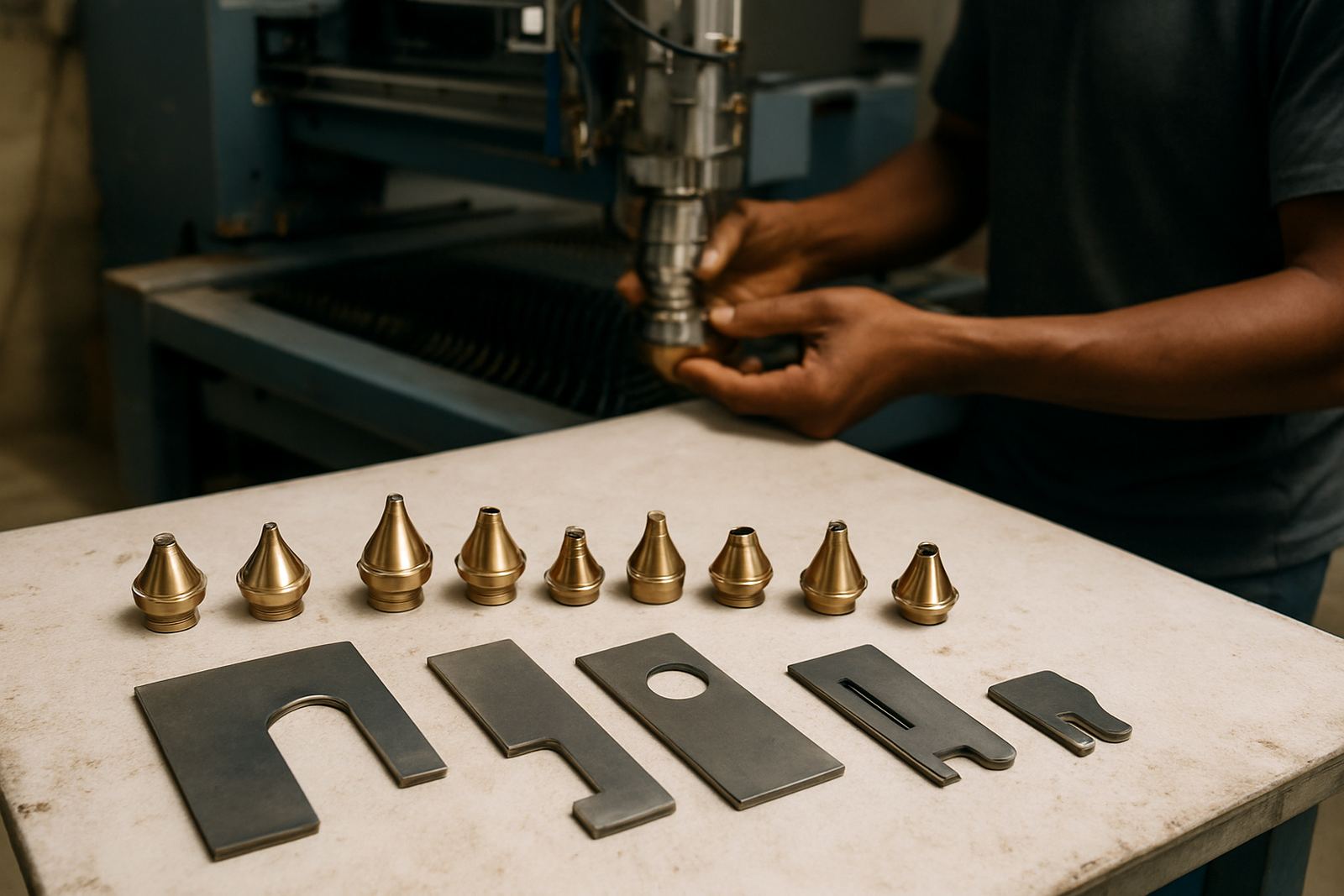
Not every part needs to sit on the shelf, but the fast moving items should be in stock. For many shops, that means nozzles, lenses, protective windows, sensor rings and ceramic holders. Keep the right sizes for the machines you actually run, not a mixed box of parts that nobody can identify when the pressure is on.
Store parts in a clean, dry area away from grinding dust and humidity. Along the coast, especially around Durban and Cape Town, poor storage can shorten the life of optics and seals. In a workshop with metal dust in the air, the wrong storage method can ruin good parts before they are used.
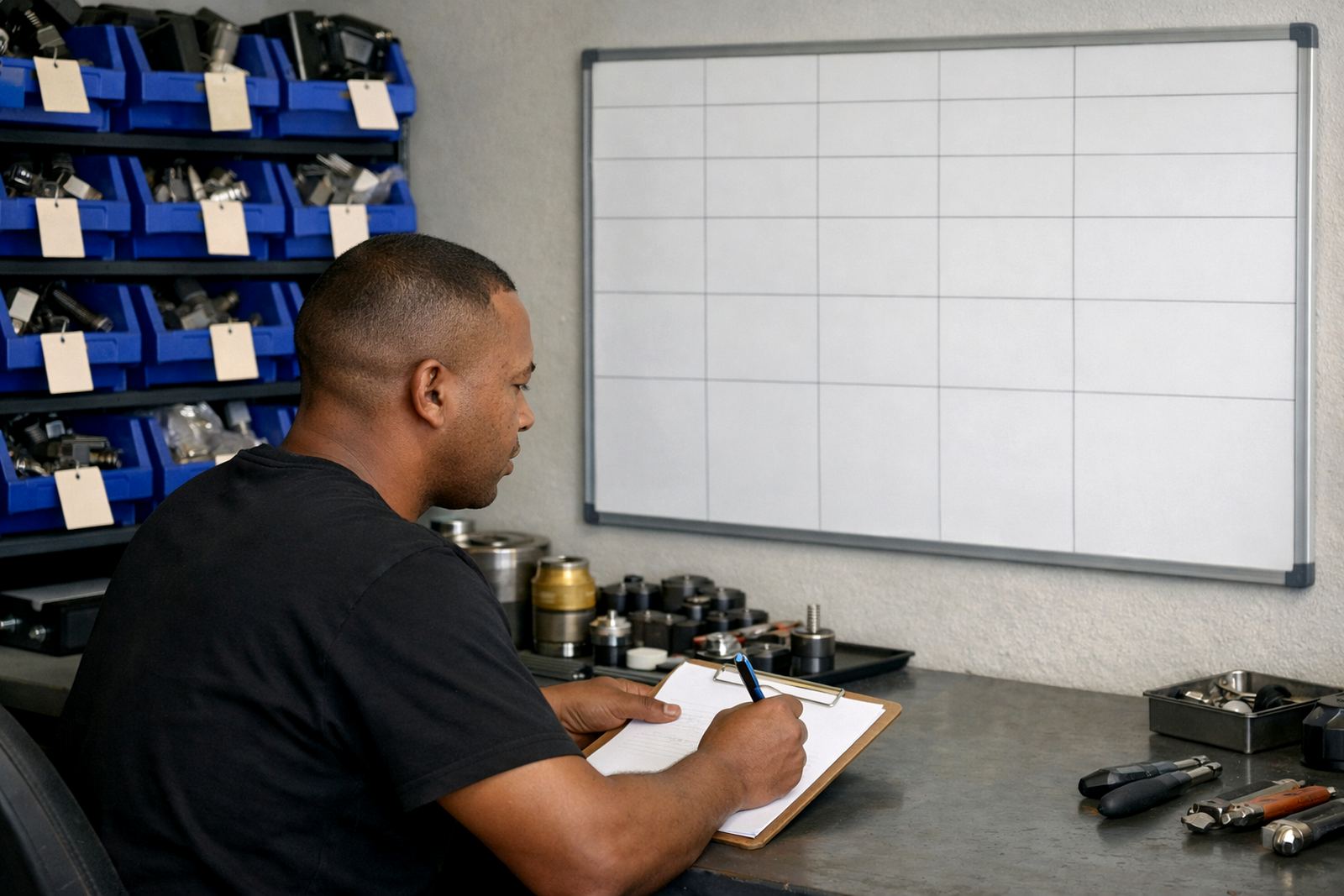
- Label each drawer by machine type and head model
- Record installation dates for lenses and windows
- Keep sealed spares in their packaging until needed
- Separate clean optics from general workshop consumables
- Check stock after every major repair job
Decide What Stays On Site and What Comes to the Bench
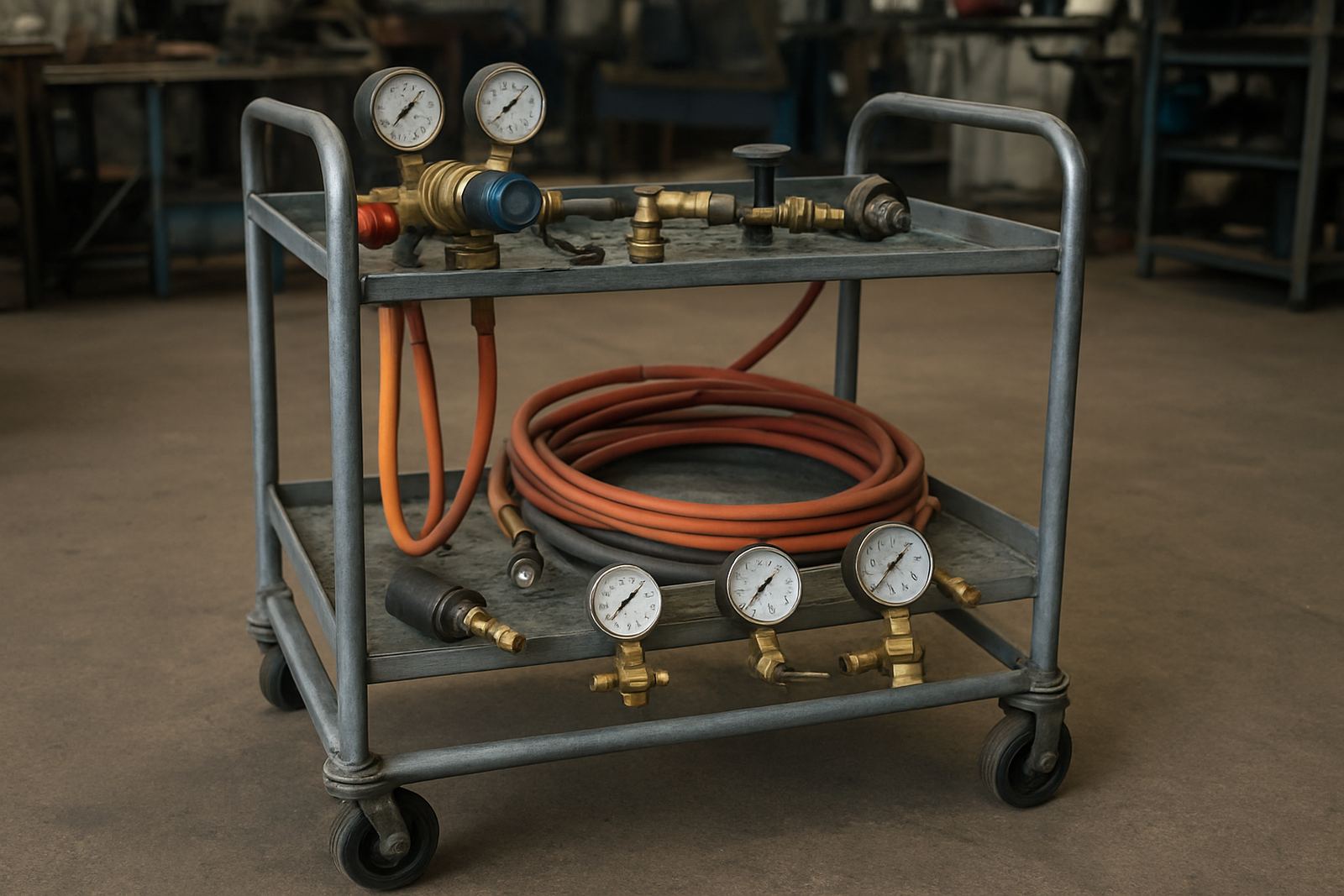
Not every repair should be done beside the machine. Small issues, such as a head alignment check or sensor ring service, may be handled on site if access is good and the fault is clear. More detailed work, including strip and inspection, collision damage repair, internal cleaning, gas path service and bench pressure testing, is often better done at the workshop bench where the head can be checked properly.
A practical rule is simple: if the fault involves contaminated optics, bent components, or repeated alarms after a collision, remove the head for bench work. If the issue is limited to setting checks or return to service testing, on site support may save time. The goal is not to choose the fastest route in theory, but the one that gets you back into production without repeat faults.
Laser Ray Tools supports both approaches from Boksburg, Ekurhuleni, with field service and bench repair for fibre and CO2 systems across South Africa. That matters when a job shop in Vanderbijlpark or a fabricator in Germiston needs help without waiting days for transport back and forth.
Set Up a Downtime Checklist Before the Machine Is Opened
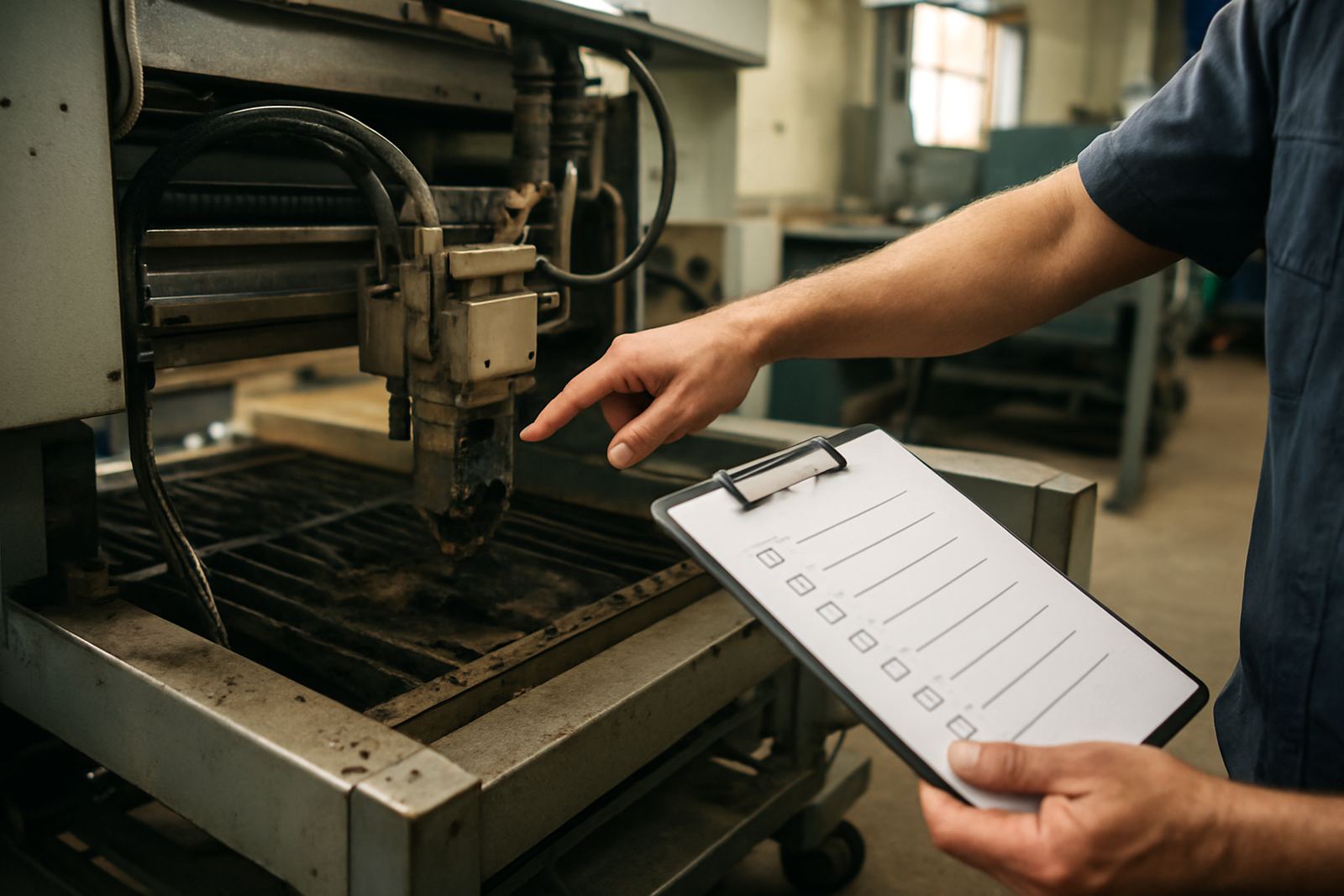
When the repair starts, the team on site should know exactly what to record. Good notes help the technician, the parts team and the supervisor keep the job moving. A clear record also helps if the same fault returns later.
- Machine make and serial details
- Head type, nozzle size and lens specification
- What failed, when it started and what was cut
- Any collision, alarm or pressure change noted
- Last cleaning, service and parts replacement date
- Photos of damage before stripping begins
Keep one person responsible for the job record. If five people add comments, the story gets muddled and the delay grows. Lerato Ndlovu and Megan Naidoo handle service coordination and admin support so the paperwork does not slow down the actual repair.
Keep Production Moving While the Laser Is Down
Once the repair is confirmed, move the work, not the panic. Reassign jobs to other machines if you have them. If you do not, call customers early and reschedule the most urgent orders first. In many cases, a small change in sequence can save a full day of lost output.
It also helps to prepare the operator team for the return to service stage. Make sure they know the machine must pass a return to service test before it goes back into normal work. A rushed restart after a repair can waste the sevice time you just spent on the machine.
- Move urgent jobs to alternate equipment where possible
- Inform customers before deadlines are missed
- Prioritise thin gauge and high value jobs first when the machine returns
- Schedule operator checks for the first shift back
- Review the fault cause and note any process changes
Treat Downtime as a Maintenance Lesson, Not Just a Repair Cost
A laser repair should leave the workshop smarter than it was before the fault. If the same head keeps taking knocks, review loading methods, nozzle handling and cutting parameter changes. If optics are failing early, check dust control, storage and cleaning routines. If alignment drifts after transport or vibration, look at mounting, cabling and service intervals.
That is where a practical support team makes a difference. Sibusiso Mthembu, Johan van Rensburg, Thabo Molefe, Ayesha Khan and the rest of the Laser Ray Tools team focus on keeping fibre and CO2 cutters running, not selling extras you do not need. For workshops in Johannesburg, Pretoria, Durban, Cape Town and across South Africa, the best downtime plan is one that shortens the next shutdown, not only this one.
When a fault is unavoidable, the right steps make it manageable. Clear records, spare parts, clean storage and a defined repair route will keep your production steadier even when the machine is off line for a while.