When a prototype job stops because the laser is out of line
Prototype fabricators work differently from high-volume production lines. One day you are cutting brackets for a test rig, the next you are making a short run of stainless nameplates, then you are back on mild steel frames, aluminium covers, or thin sheet samples for a client review. That makes laser uptime critical. If a head has been bumped, the nozzle seat is damaged, or the beam path is dirty, the whole development schedule slips and so does the sign off date.
In Boksburg and the wider Ekurhuleni area we see this often in small job shops and metal workshops that need one machine to do many tasks. A fibre system may be used for fast sheet work while a CO2 unit still handles certain materials and older drawings. When either one goes down, the team starts delaying samples, rewriting cut plans, and wasting material on test pieces that should not have been needed in the first place.
Typical machines and cutting heads we see in prototype shops
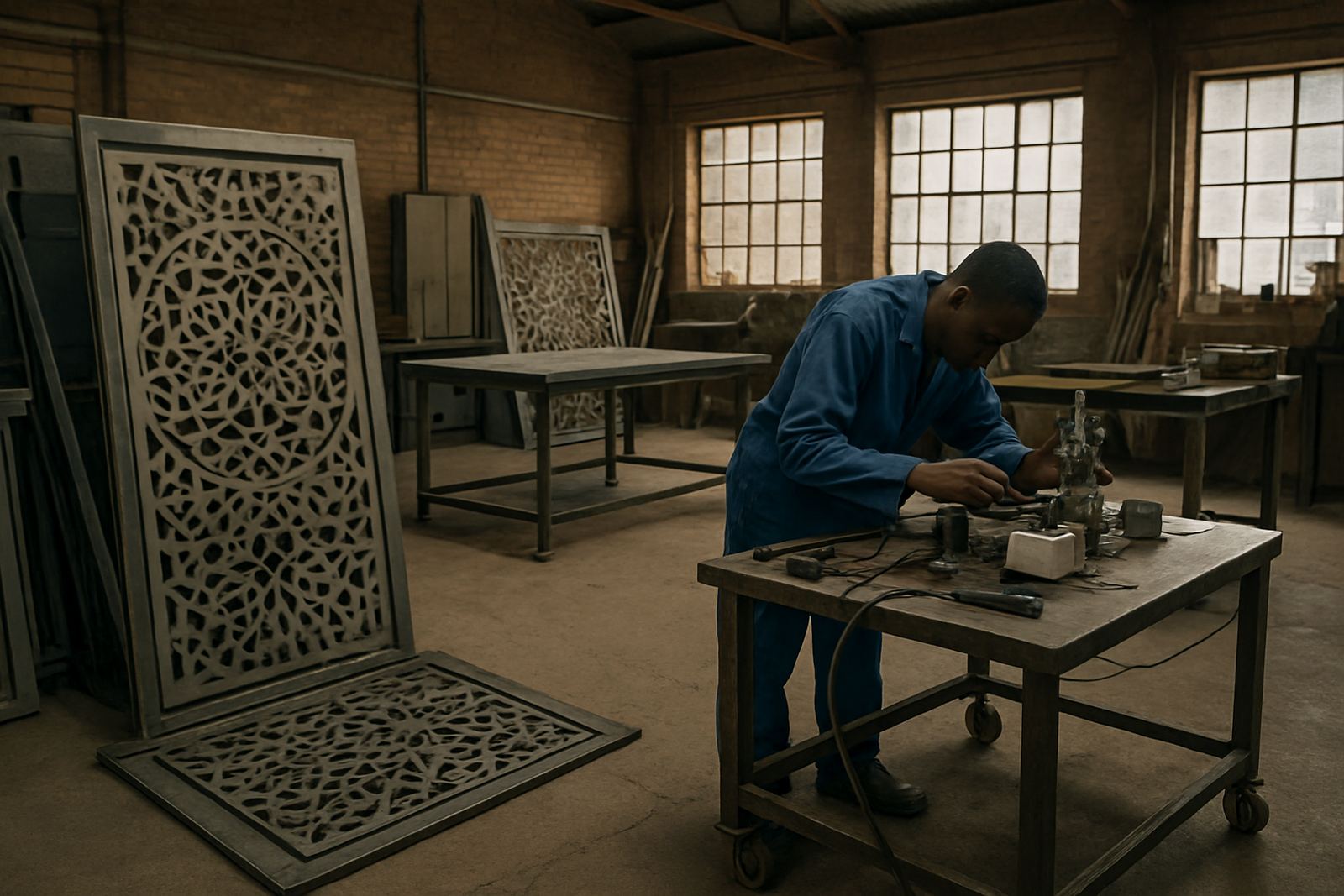
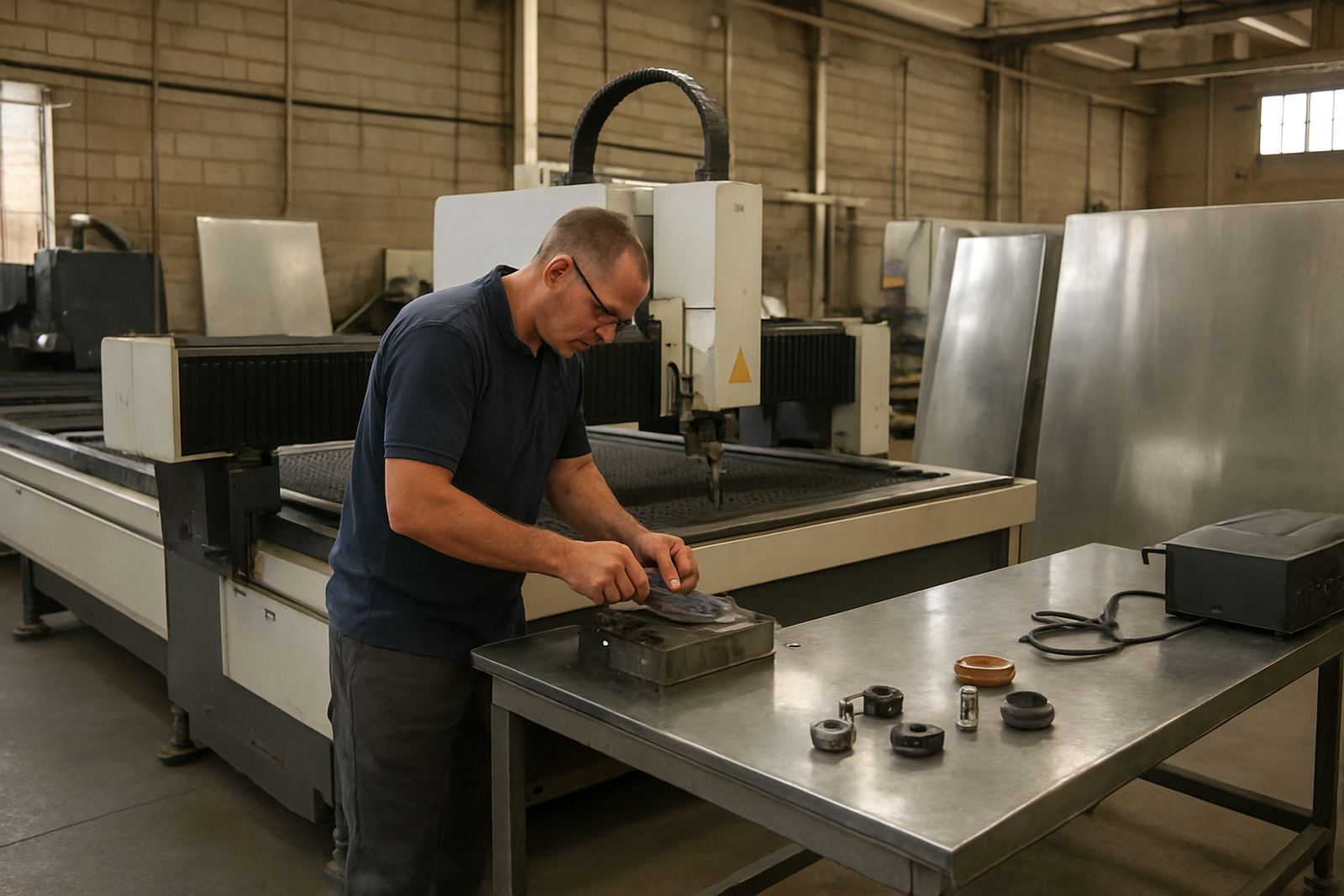
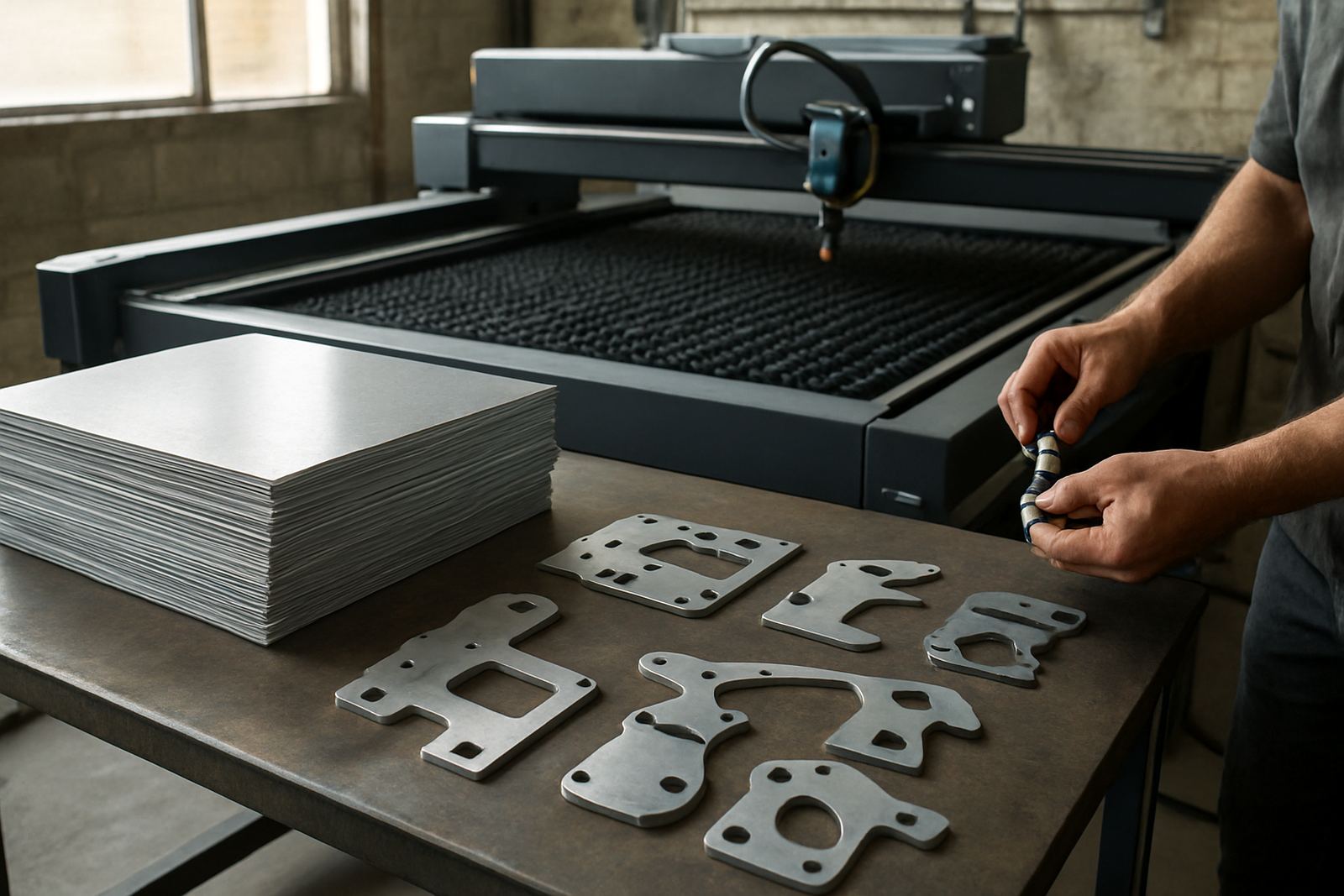
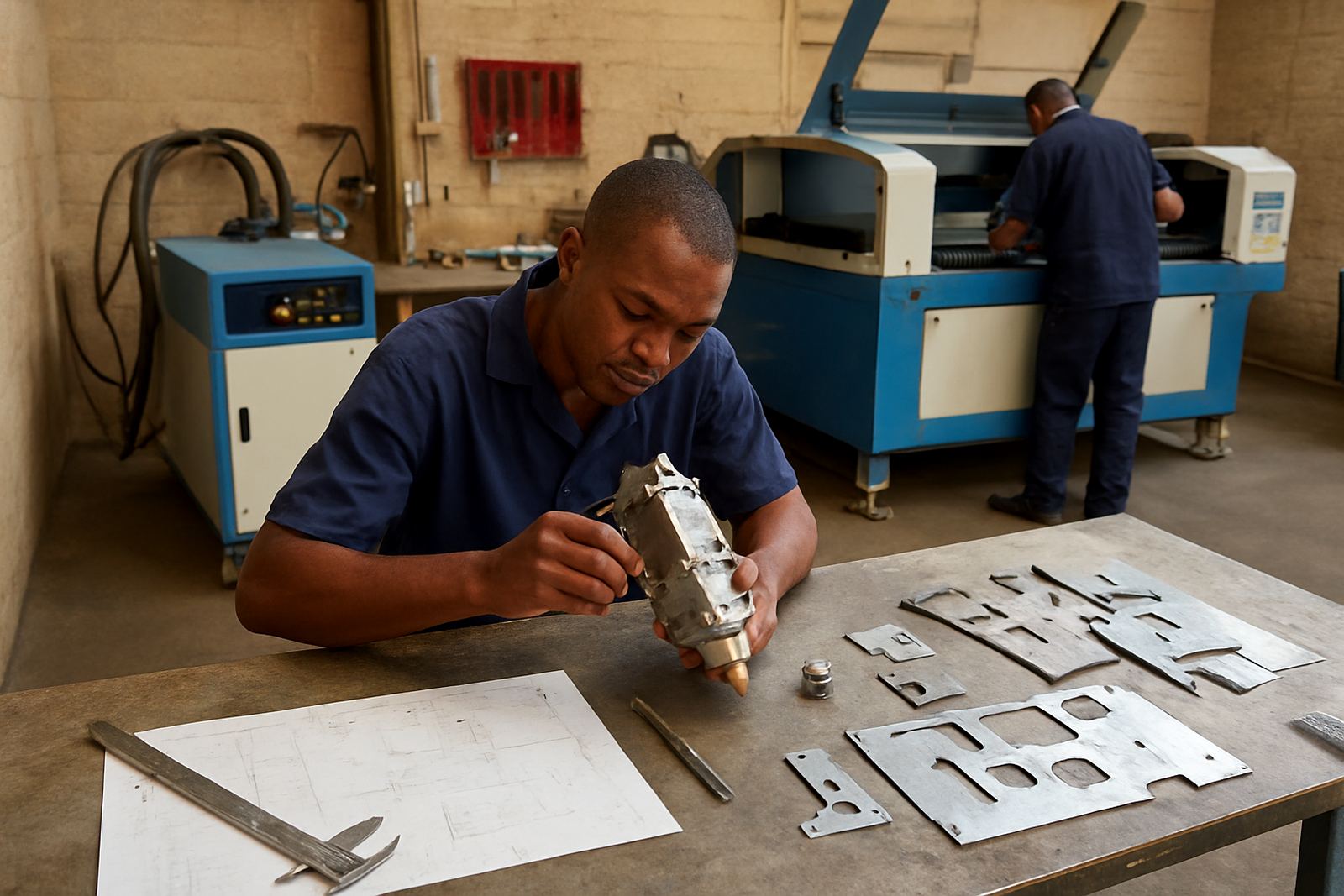
Prototype workshops usually run compact or mid-size laser systems rather than large production lines. The machine set often includes a fibre laser cutter for sheet metal, a CO2 machine for mixed workshop work, and one or two spare heads that get swapped when a fault is suspected. We also see tables used for very short runs, one-off sample sheets, and parts that need repeated revision before final approval.
- Fibre laser machines used for steel, stainless steel and aluminium sample work
- CO2 laser systems used for mixed workshop cutting and older prototype programs
- Laser cutting heads with nozzles, lenses, protective windows and sensor rings that need regular attention
- Compressed air or assist-gas lines that must stay clean and dry to avoid poor edge quality
- Worktables and fixtures that move between different part sizes during the same week
Because prototype work changes often, small faults show up quickly. A worn lens, a cracked window, or a head that is slightly off line can change the cut enough to fail a client sample. That is why strip and inspection work matters, not just part replacement.
Planning the workshop layout for quick repairs and fewer stoppages
For a prototype shop, the best layout is usually the one that lets you reach the cutting head fast, keep spare parts within arm’s reach, and move damaged components to the bench without blocking the rest of the workshop. If the machine room is cramped, repairs take longer and the team starts working around the fault instead of fixing it. That is where downtime grows.
We advise keeping a clean service area next to the machine, with enough space for a technician to remove the head, inspect the nozzle seat, and check the gas path without dust blowing into open parts. In coastal towns like Durban, humidity can create extra contamination on optics and electrical parts, so storage matters. In Gauteng, dust from fabrication work and transport traffic can settle into vents and sensors. Both conditions call for regular cleaning and sealed storage for lenses and windows.
- Leave clear access around the machine so the head can be removed without lifting past guards or cable trays
- Keep replacement nozzles, windows and lenses in clean containers, not loose on a shelf
- Use dry, filtered air for assist-gas and pneumatic lines where possible
- Mark repaired heads and test heads clearly so the team knows what has been checked
- Build in a small bench area for pressure testing and alignment checks
Common mistakes that cost prototype workshops time and Rand
The most common mistake is waiting until the head has failed completely before calling for help. By then the nozzle seat may be damaged, the ceramic holder may be chipped, and the lens can be contaminated as well. Another common issue is swapping parts without testing the full head assembly. That can hide the real fault and the same problem returns after the next run.
We also see shops underestimating how much a minor collision costs. A light bump on a fixture or scrap lift can bend a sensor ring, disturb alignment, or crack a protective window. The machine may still fire, but the cut quality slowly drifts and the team burns through material trying to compensate. It is cheaper to repair the head properly than to keep re-running trial parts.
Some workshops also skip cleaning during busy weeks. In practice that means slag, dust and gas residue collect in places that are hard to see. If the machine sits idle over a load-shedding period and then starts again without a check, the first job after power returns can expose a problem that was already waiting. That is why a return to service test is so useful after stoppages.
What our repair process looks like for prototype support
For low-volume work, the process needs to be simple and quick. Laser Ray Tools starts with diagnosis, then moves to strip and inspection where needed. We replace worn or damaged nozzles, lenses, protective windows, ceramic holders and sensor rings, clean the internal gas path, check alignment, and carry out bench pressure testing before the head goes back into service. If the job needs on site support, we arrange that where practical so the workshop can keep the rest of its schedule moving.
Prototype teams often need a decision fast: repair the existing head, swap a damaged component, or confirm that the machine can safely continue until a planned shutdown. We give straight answers based on the condition of the parts, not guesswork. That approach helps job shops in Johannesburg, Pretoria, Vanderbijlpark, Germiston, Kempton Park, Durban and Cape Town keep their sample work on track.
Support is handled from our Boksburg base with service across South Africa. The aim is always the same, keep the cutter running and get the next prototype out the door with less waste and less delay.
Budget ranges for prototype fabrication repair work
Prototype workshops usually need practical budgeting because cash flow can change from week to week. A simple nozzle or window change is a different spend from a full collision repair, and bench work is usually cheaper than a major downtime event. The figures below are broad working ranges in Rand and depend on machine type, head condition, parts needed, and whether on site support is required.
- Strip and inspection for a cutting head: about R850 to R2 500
- Nozzle seat restoration or ceramic holder change: about R1 200 to R3 800
- Lens replacement or protective window replacement: about R900 to R4 500
- Collision damage repair and alignment work: about R2 500 to R9 500
- Bench pressure test and return to service test: about R650 to R1 800
If the machine has suffered repeated faults, it may need a deeper assessment before anyone spends more on parts. That is often the point where a prototype shop saves money by fixing the root cause once, instead of buying three rounds of emergency spares.