When the laser becomes the bottleneck
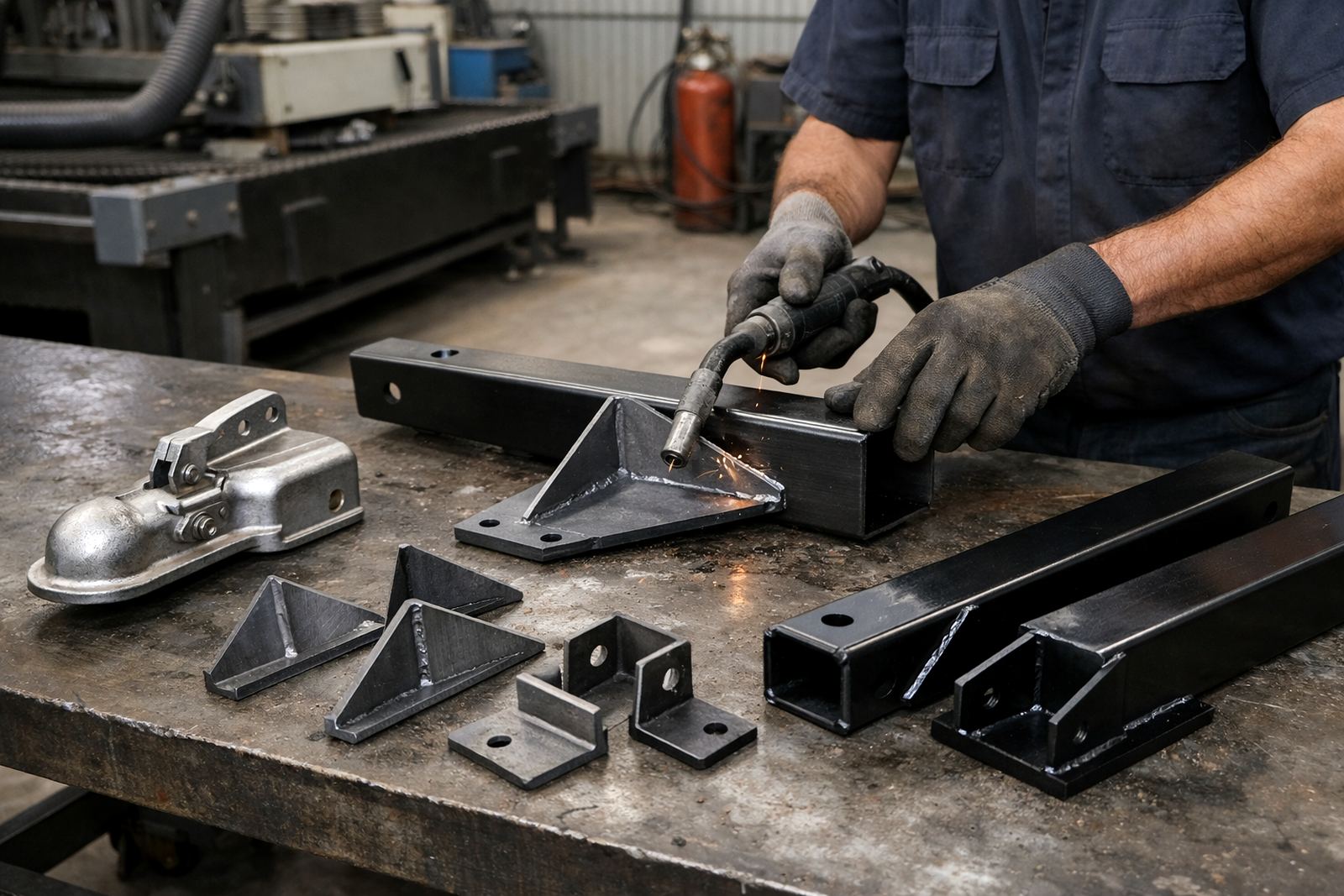
In an engineering workshop, the laser often sits between the drawing office, the cutting bay and the welders. When the head starts misreading height, throwing alarms, or leaving burrs and taper on parts, the job card queue builds fast. A damaged nozzle seat or dirty protective window can look small but it can hold up a full shift, especially when the team is working to tight delivery dates for local fabrication, maintenance and plant repair work.
We see this in Joburg, Germiston, Kempton Park and Vanderbijlpark where workshops run mixed equipment and cannot afford long shutdowns. Our service is aimed at the fault itself: diagnosis, strip and inspection, head repair, parts replacement and return to service testing. If the head was knocked during a crash, or wear has crept in over months, we check the full cutting path not just the obvious part.
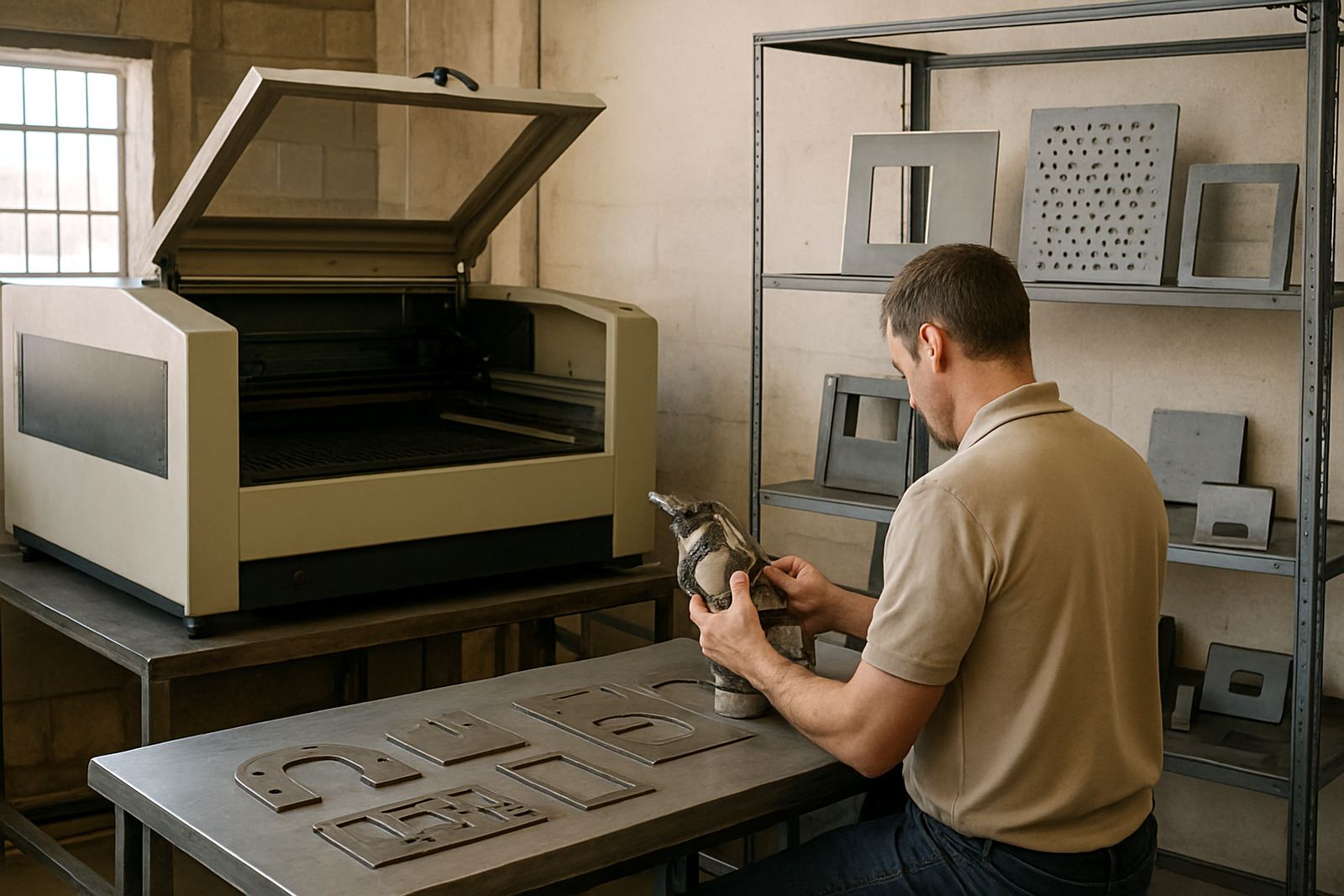
Typical laser set-up in an engineering workshop
Most engineering firms that call us run a fibre laser for sheet and plate work, sometimes with a CO2 machine still in service for specific materials or older jobs. The cutting head usually has a nozzle, ceramic holder, sensor ring, lens, protective window and internal gas passages that need to stay clean and aligned. On the shop floor, that equipment is often used next to press brakes, mills, lathes and welding bays, so dust, splash and vibration all play a part.
- Fibre laser cutting head with sensor ring and ceramic holder
- CO2 cutting head with lens stack and window set
- Nozzles, nozzle seats and consumables for daily use
- Gas path components, filters and internal seals
- Spare protective windows and lenses for quick turnaround
In coastal areas like Durban and Cape Town, humidity and salty air can speed up contamination and corrosion, so stored spares need proper sealing. In winter, load-shedding can also leave a machine sitting idle longer than planned, which gives dirt and moisture more time to settle inside the head.
Planning the repair around production and shift work
Engineering workshops usually want repairs done around the schedule, not the other way round. For that reason we plan bench work for heads that can be removed quickly, and on-site work for faults that need diagnosis on the machine frame, beam path or gas supply. In many cases the quickest route is a strip and inspection first, then a call on whether the head can be restored or needs parts replaced.
Good planning also means keeping one clean spare head or at least a set of critical consumables on site. A simple stock plan can save a day when a nozzle seat cracks or a protective window goes cloudy. We also advise keeping the machine area free of grinding dust and oil mist, because those particles get into the optics and gas path faster than most teams expect.
- Keep a basic spares box near the cutter, not in another building
- Schedule head checks before a busy order run starts
- Record the last collision, alarm code and cut quality change
- Use a dry, sealed cabinet for lenses and windows
- Leave access space for safe removal and refitting of the head
Common faults we see in engineering plants
The most common callouts are not dramatic failures. They are small shifts in performance that turn into scrap and rework if they are left alone. A nozzle may be worn oval, the lens may be hazed, or the head may have taken a light collision that has moved alignment just enough to affect pierce quality. We also see gas path blockage, dirty internals, sensor ring wear and ceramic holder damage after a tip touch or part crash.
Signs that the head needs attention include inconsistent cut height, rough edges, delayed piercing, alarms from the height control, or a change in cut finish between similar parts. If the machine suddenly needs more pressure or more time to hold cut quality, there is often a problem in the head or the optics path. Catching it early usually costs less than waiting for a full breakdown, and it avoids repeat faults on the same batch of parts.
What the repair work normally includes
Our process is practical and keeps the machine in mind as a whole. We start with strip and inspection, then move into the work the head actually needs. That may mean collision damage repair, nozzle seat restoration, lens replacement, window replacement, sensor ring service or ceramic holder change. If contamination has spread through the head, we carry out internal cleaning and gas path service before alignment checks and testing.
After the repair we carry out a head alignment check, bench pressure test and return to service test so the unit can go back into a production environment with less risk of repeat trouble. Some heads come in after a crash and only need a few parts, while others need deeper work because wear has been building for months. Either way, the aim is to get the machine cutting cleanly again and keep downtime short.
- Strip And Inspection
- Collision Damage Repair
- Nozzle Seat Restoration
- Lens Replacement
- Window Replacement
- Sensor Ring Service
- Ceramic Holder Change
- Internal Cleaning
- Gas Path Service
- Head Alignment Check
- Bench Pressure Test
- Return To Service Test
Budget ranges for workshop repair planning
Budgeting for laser repair is easier when you separate a small consumable issue from a full head restoration. A routine service on a dirty or worn head can sit at the lower end of the budget, while collision damage and optics replacement move the cost higher. For planning purposes, many workshops allow a few thousand Rand for inspection and minor corrective work, then budget more when lenses, windows, ceramic holders or sensor rings need replacing.
A light corrective repair may start around R2 500 to R6 500, depending on the fault and parts needed. Medium work with multiple consumables or alignment correction often sits in the R6 500 to R15 000 range. Heavier collision repairs, deeper contamination issues or more involved bench restoration can go beyond R15 000, especially if the head has suffered repeated knocks or the machine has been running with poor maintenance. The final figure depends on the machine condition, parts availability and whether on-site callout or bench work is the faster option. Planning a yearly service allowance helps, and it stops the finance team from being caught off guard by a sudden repair, which happens more often than people like to admit.
Support from Boksburg to the main industrial centres
Laser Ray Tools is based in Boksburg, Ekurhuleni and supports engineering workshops across Johannesburg, Pretoria, Vanderbijlpark, Durban and Cape Town, with local coverage through Boksburg Support, Johannesburg Support, Pretoria Support, Vanderbijlpark Support, Durban Support, Cape Town Support, Germiston Support and Kempton Park Support. Clients reach us through the enquiry form on our contact page, and we keep the process direct so the right technician and parts lead can respond without delay.
Sibusiso Mthembu leads the business, with support from Johan van Rensburg on technical work, Lerato Ndlovu on service coordination, Ayesha Khan on parts and stores, Thabo Molefe in the field, and Megan Naidoo in the workshop office. For engineering teams, that matters because a repair is not just a component swap, it is about getting the machine back into the day’s workload. If the cutter is down and welders are waiting on profiles or brackets, the repair has to be handled properly the first time.