Start With The Symptoms You Can See
The fastest way to get useful repair advice is to describe exactly what changed. Tell us whether the issue came on suddenly after a head knock, or slowly over a few shifts. Note if the fault affects one job only, or every cut across mild steel, stainless steel or aluminium. A clean description saves time and helps us decide if the problem is in the cutting head, optics, gas path, alignment or control signals.
In Boksburg and the wider Ekurhuleni area, many workshops run through load-shedding and busy shift changes, so faults often show up as intermittent cutting, rough edges, or a head that loses consistency after power returns. Those details matter. If you can, record the material thickness, assist gas used, nozzle size and whether the lens or protective window was recently changed.
Send Clear Photos That Show The Fault
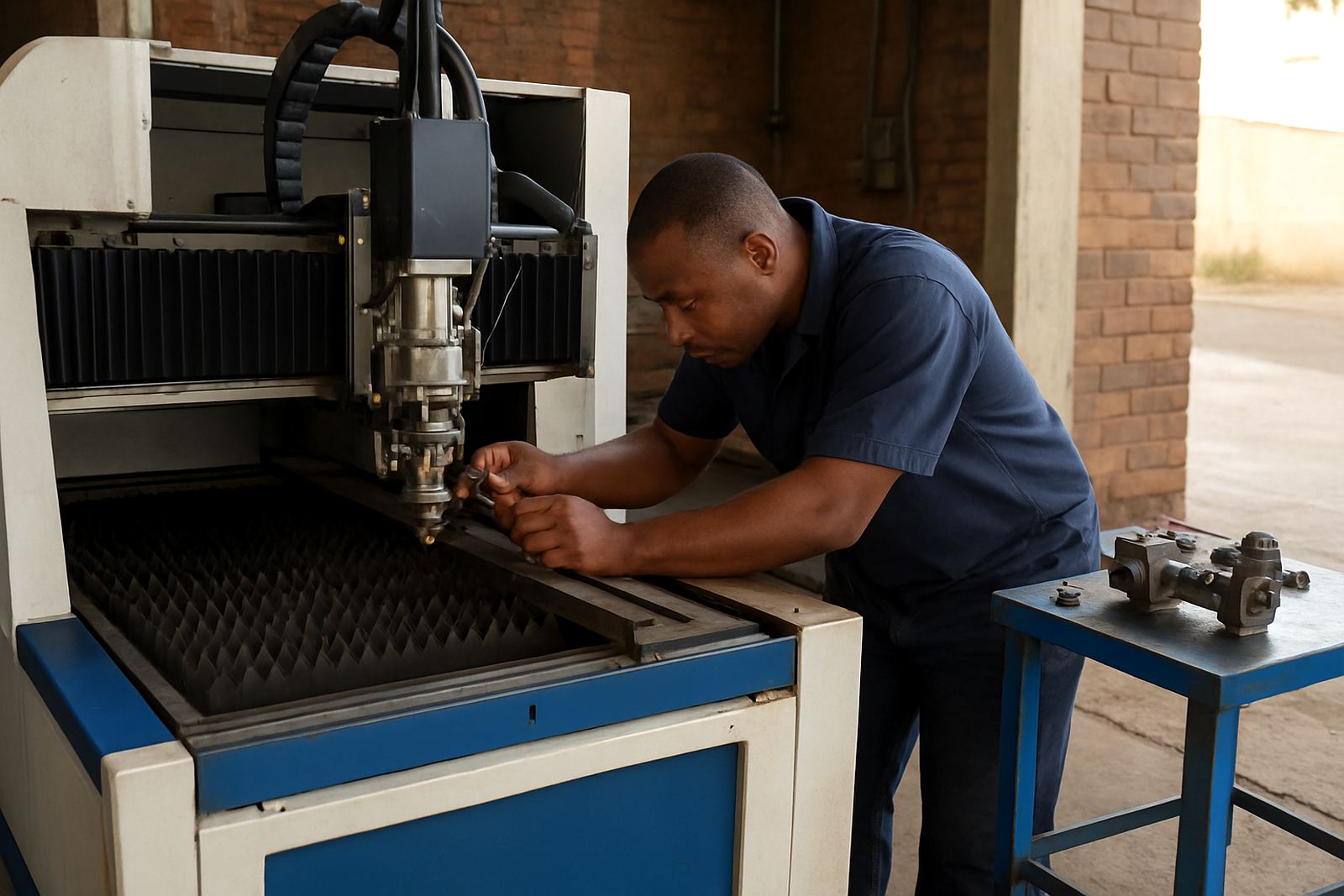
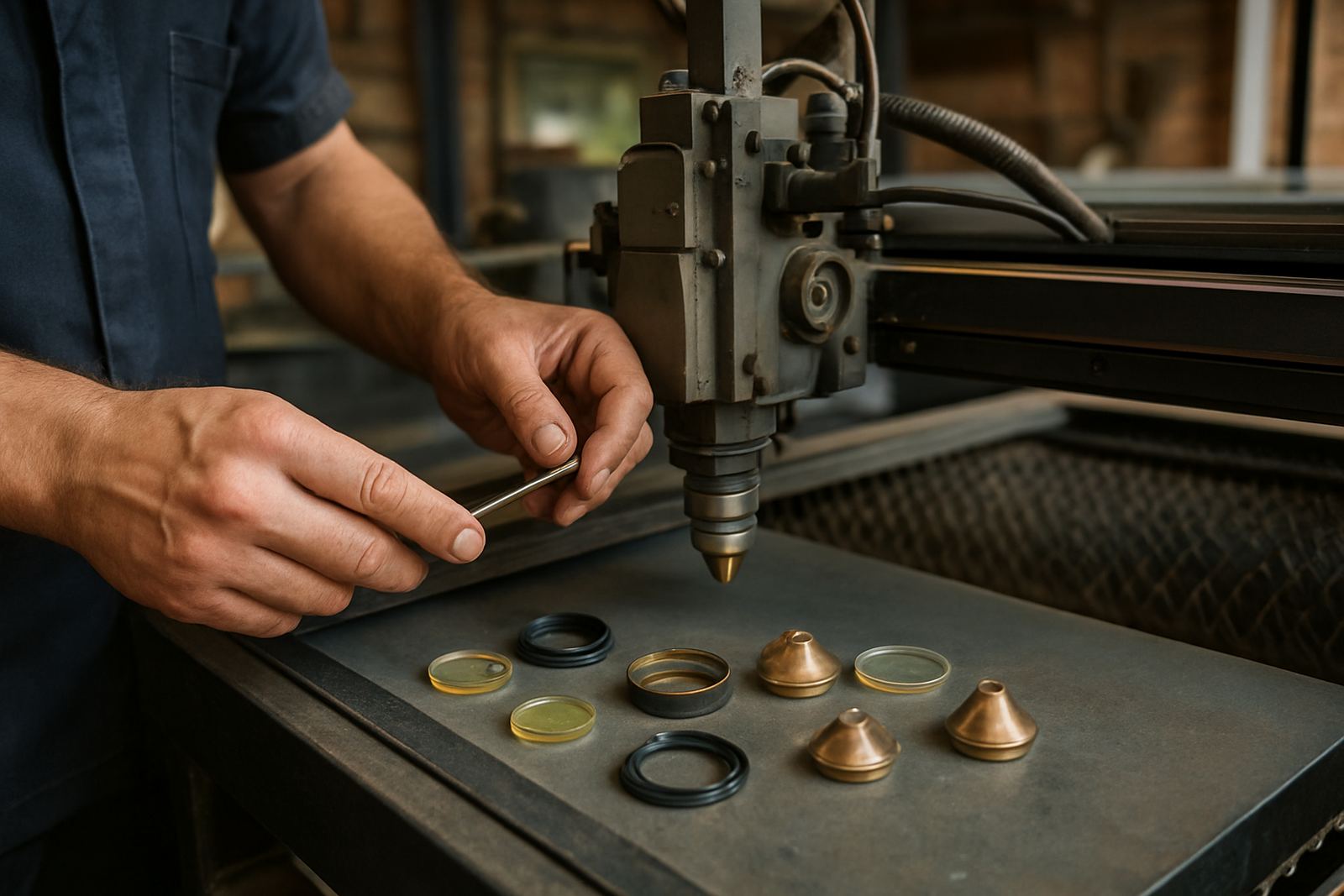
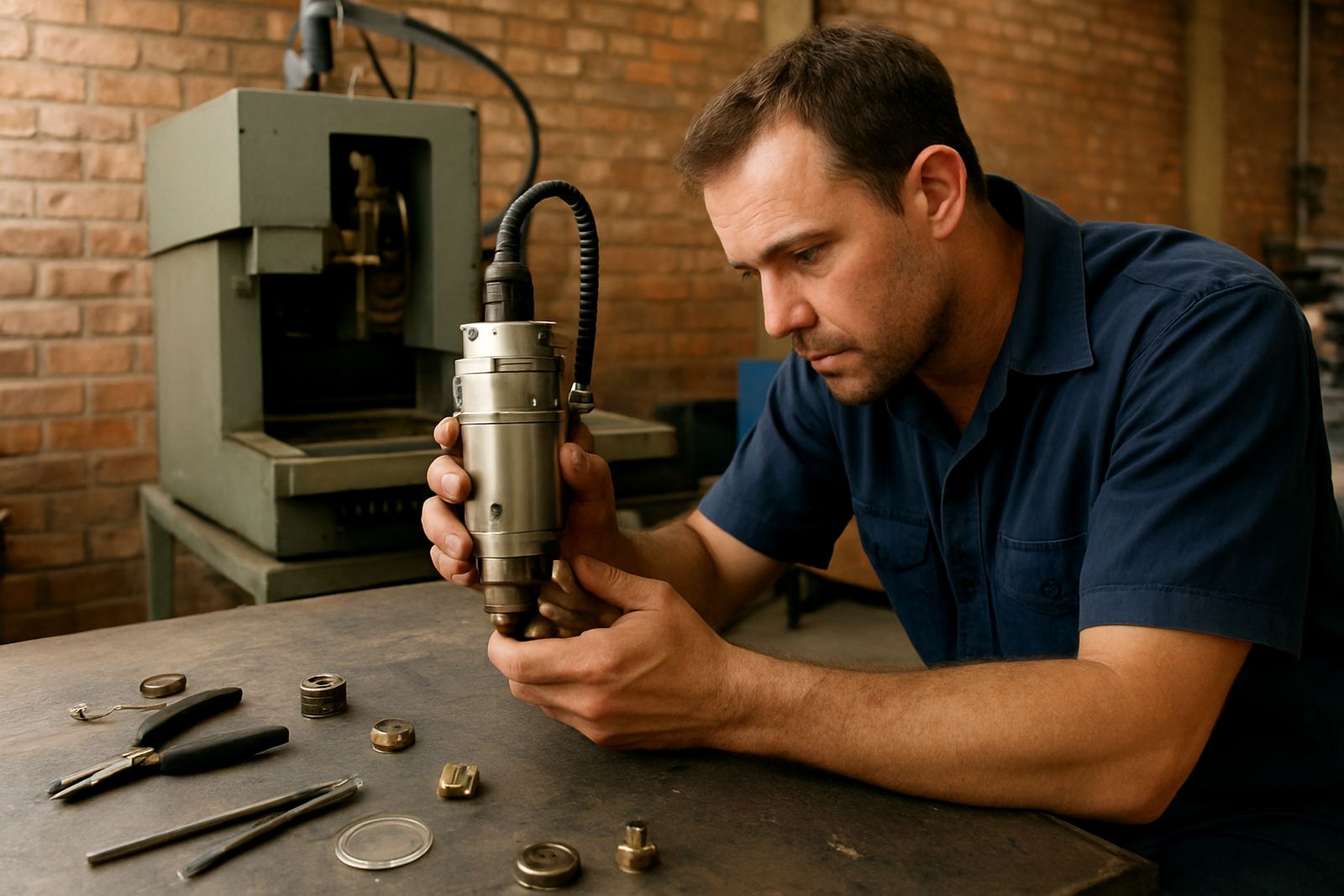
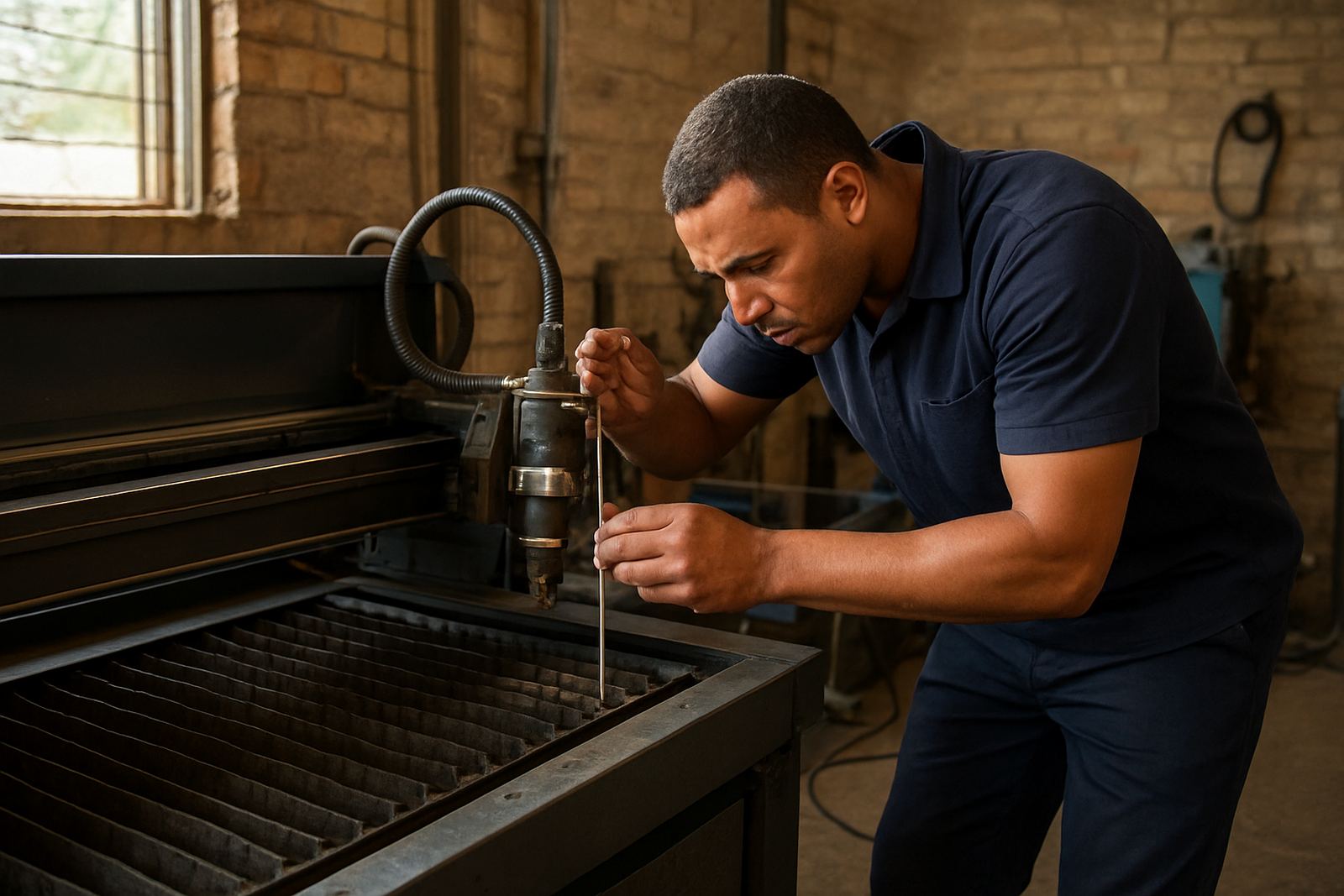
Photos help us spot wear, burn marks, dirt, cracked ceramics and collision damage. Take pictures in good light, with the head removed if possible and safe to do so. We often need a close view of the nozzle tip, sensor ring, lens housing and the lower part of the cutting head. A wider shot of the machine bay can also help if there is contamination from dust, oil mist or rust scale.
- One photo of the cutting head from the front
- One close-up of the nozzle and nozzle seat
- One photo showing the lens or protective window area
- One picture of any visible crash marks or bent parts
- One image of the cut edge or failed part on the material
Common Signs Point To Specific Faults
Different symptoms usually point to different repairs. A machine that cuts well on thin sheet but struggles on thicker plate may need nozzle checks, beam alignment or gas path cleaning. A sudden drop in cut quality after a bump often points to collision damage, head alignment issues or a damaged ceramic holder. If the machine still powers up but alarms on the head, sensors, cabling or internal contamination may be involved.
- Rough dross on the underside can point to nozzle wear, focus issues or low gas pressure
- Black marks around the head can point to a dirty lens or damaged window
- Repeated alarms after a crash often need strip and inspection
- Weak cutting across the full sheet may point to alignment or beam delivery faults
- Unexpected stoppages can be linked to sensor ring or internal head damage
It is common for one fault to hide another. A bent nozzle seat can look like a lens issue at first, so we check the full head condition before advising the next step.
What To Tell Us Before The Unit Comes In
Before you send the head or machine for bench repair, give us the machine type, model details if available, and whether it is fibre or CO2. Tell us if the fault started after a crash, a power dip, an air supply issue or routine cleaning. If the machine is used in a signage plant, job shop or metal fabrication line, mention the typical duty cycle as well. That helps us prepare the right parts and test gear.
Where possible, include the following:
- Material type and thickness being cut
- Assist gas used and typical pressure
- Any recent lens, nozzle or window replacement
- Alarm messages or error codes
- Whether the issue is constant or comes and goes
When On-Site Repair Makes More Sense
Some faults are better handled on site, especially when the machine is large or the downtime cost is high. If the head needs a quick alignment check, pressure test, internal cleaning or return to service test, on-site support can save transport time. For busy workshops in Johannesburg, Pretoria, Vanderbijlpark, Durban and Cape Town, we often advise on-site work when the rest of the line is ready but the cutting head is holding production back.
Bench repair is better when the head needs strip and inspection, collision damage repair, nozzle seat restoration, or replacement of worn optics and internal parts. If contamination has entered the gas path or the ceramic holder is cracked, a controlled workshop repair is usually the safer choice.
How We Decide The Next Repair Step
We look at the fault description, the photos and the wear pattern, then decide whether the machine needs a quick part replacement or a deeper strip down. Our team in Boksburg handles fibre and CO2 laser systems for workshops across South Africa, and we aim to keep the advice practical. If the fault is minor, we will say so. If the head needs bench pressure testing, head alignment or full internal cleaning, we will explain why before work starts.
That approach helps you plan downtime, order the right consumables and avoid replacing good parts needlessly. It also means your production team gets a clear answer instead of guesswork.
Get Practical Guidance Through The Enquiry Form
Use the enquiry form on our contact page and send your symptoms, photos and location. We support Boksburg, Johannesburg, Pretoria, Vanderbijlpark, Durban, Cape Town, Germiston and Kempton Park, as well as surrounding industrial areas. Once we have the details, we can guide you on the most likely fault and whether the machine should come in for bench repair or be attended on site.
If your cutter is already down, do not keep forcing cuts through a damaged head. That can turn a repair into a bigger job. Share the symptoms early and we will help you work out the next step, no fuss.