What a ceramic holder change covers
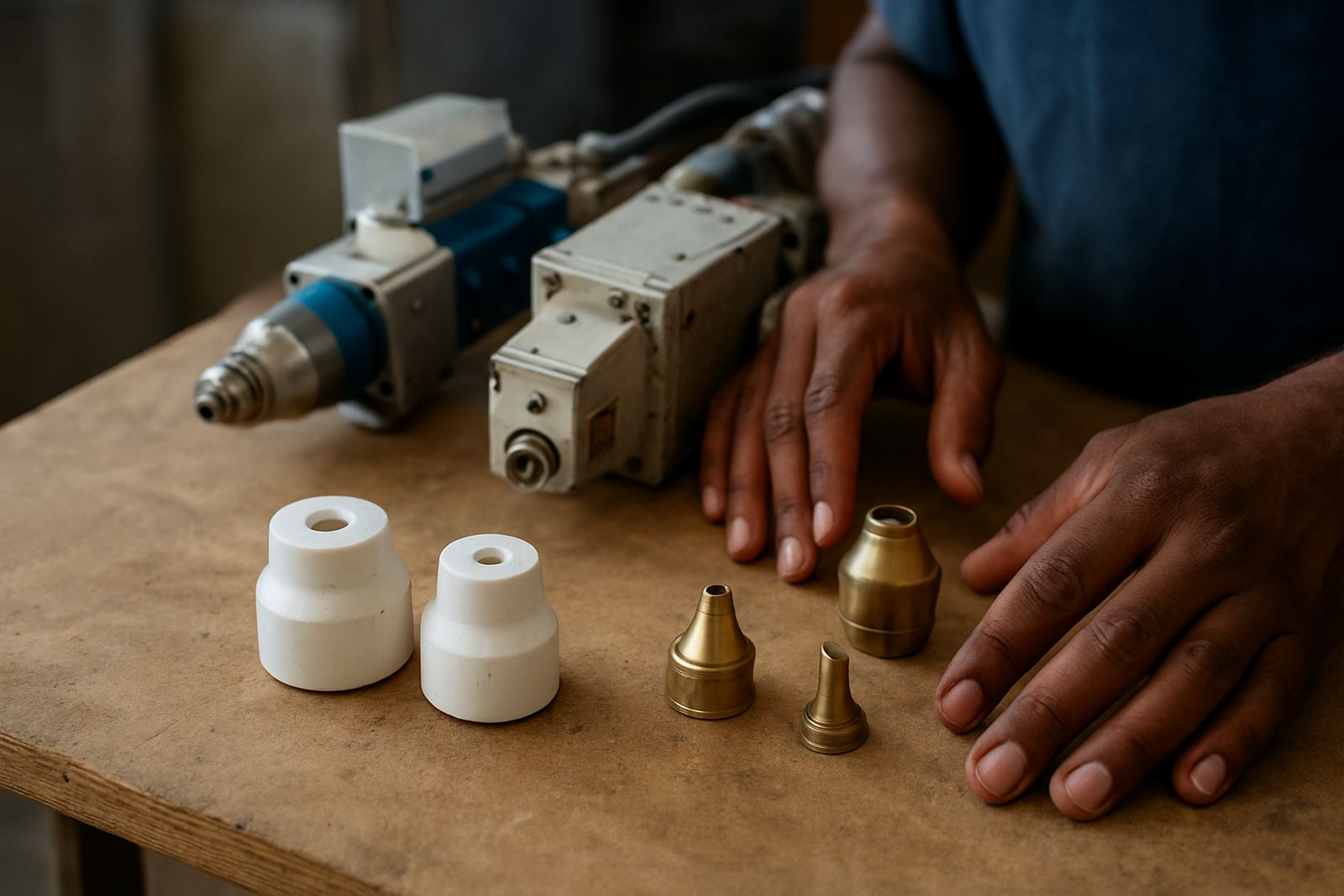
A ceramic holder sits between the cutting head and the consumable stack, keeping the assembly insulated and properly located during cutting. When it cracks from impact, thermal stress or repeated handling, you can start seeing poor nozzle seating, arc instability, rough edges and stray faults that keep stopping production. We replace cracked or damaged holders on fibre and CO2 laser heads used in workshops and fabrication shops across Boksburg, Johannesburg, Pretoria, Durban, Cape Town and surrounding areas.
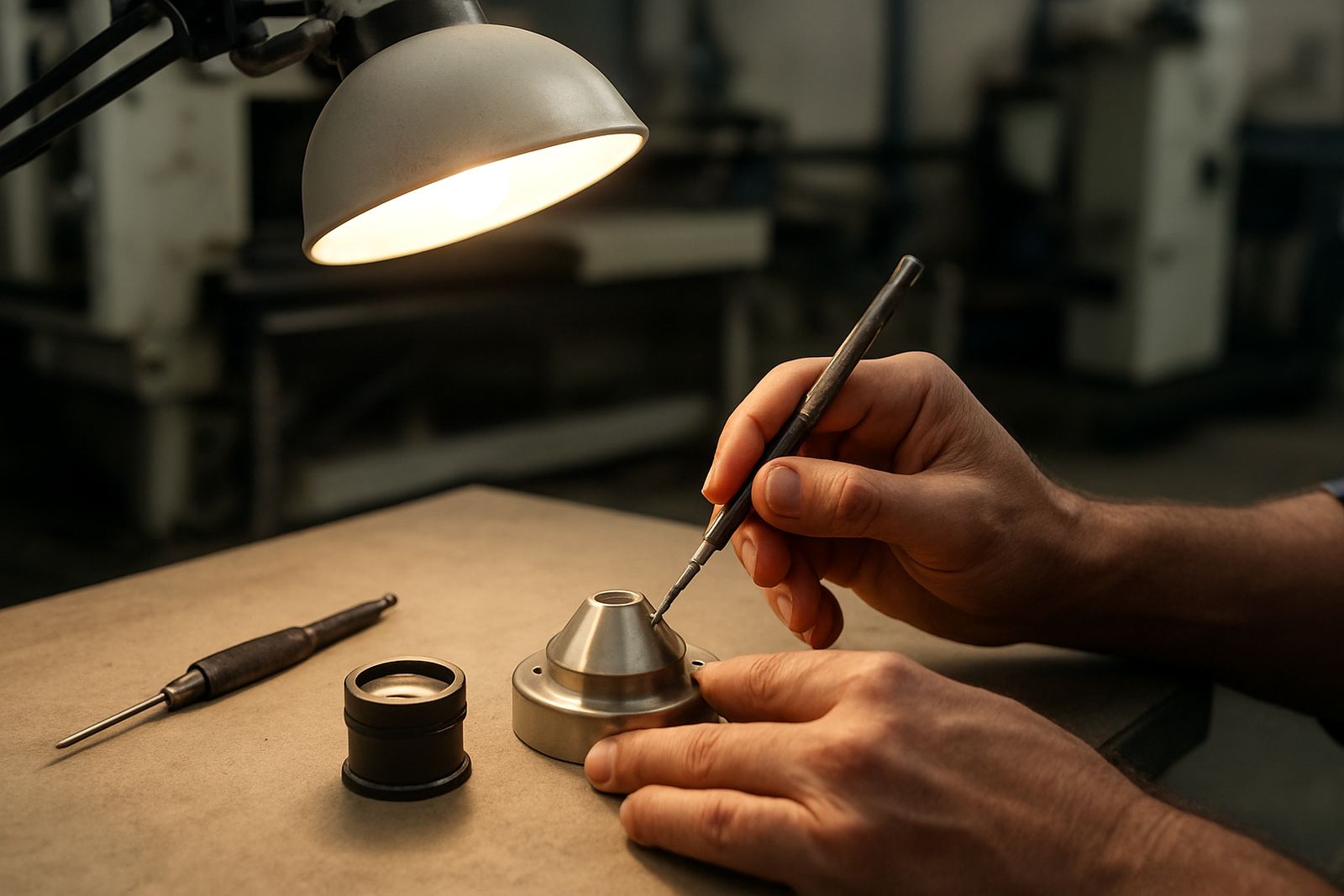
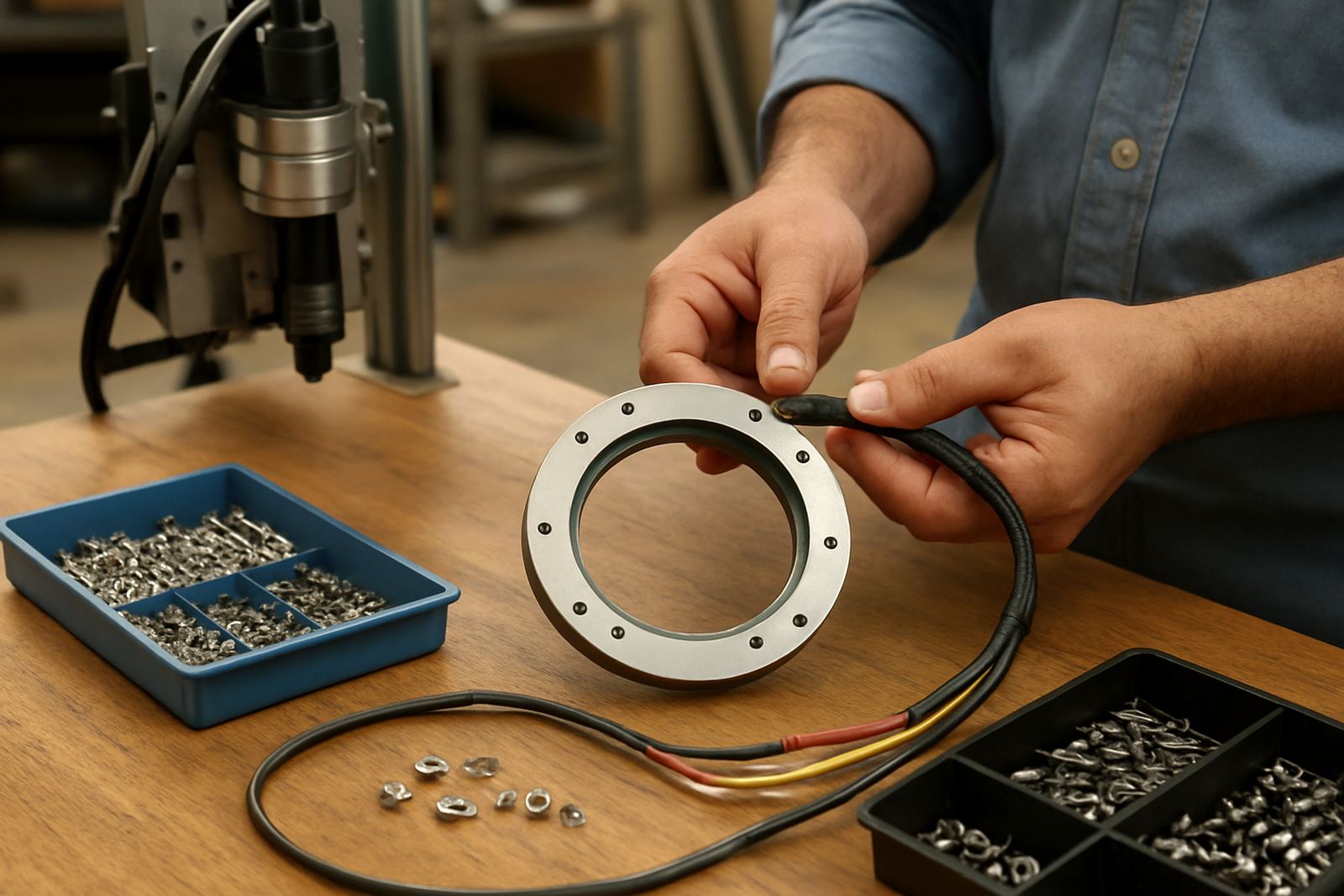
The service is practical and specific. We remove the worn holder, inspect the mating surfaces, check the nozzle seat and confirm that no heat damage has spread into the head body or sensor ring area. If the holder failed after a collision, we look for related damage to the nozzle seat, protective window area and internal alignment points so you do not fit one new part and leave another problem behind.
- Replacement of cracked, chipped or heat warped ceramic holders
- Inspection of nozzle seat, ring contact points and head body surfaces
- Assessment for collision damage and hidden misalignment
- Suitability checks for fibre and CO2 laser cutting heads
How we handle the repair from intake to return
Each job starts with diagnosis. We record the fault, inspect the head condition and confirm whether the holder failure is isolated or linked to a bigger problem in the cutting head. If the machine has been running with repeated faults, we check for signs of poor grounding, contaminated air, worn consumables or loose mounting that may have shortened the holder life. That saves time later, because a ceramic holder rarely fails all by itself.
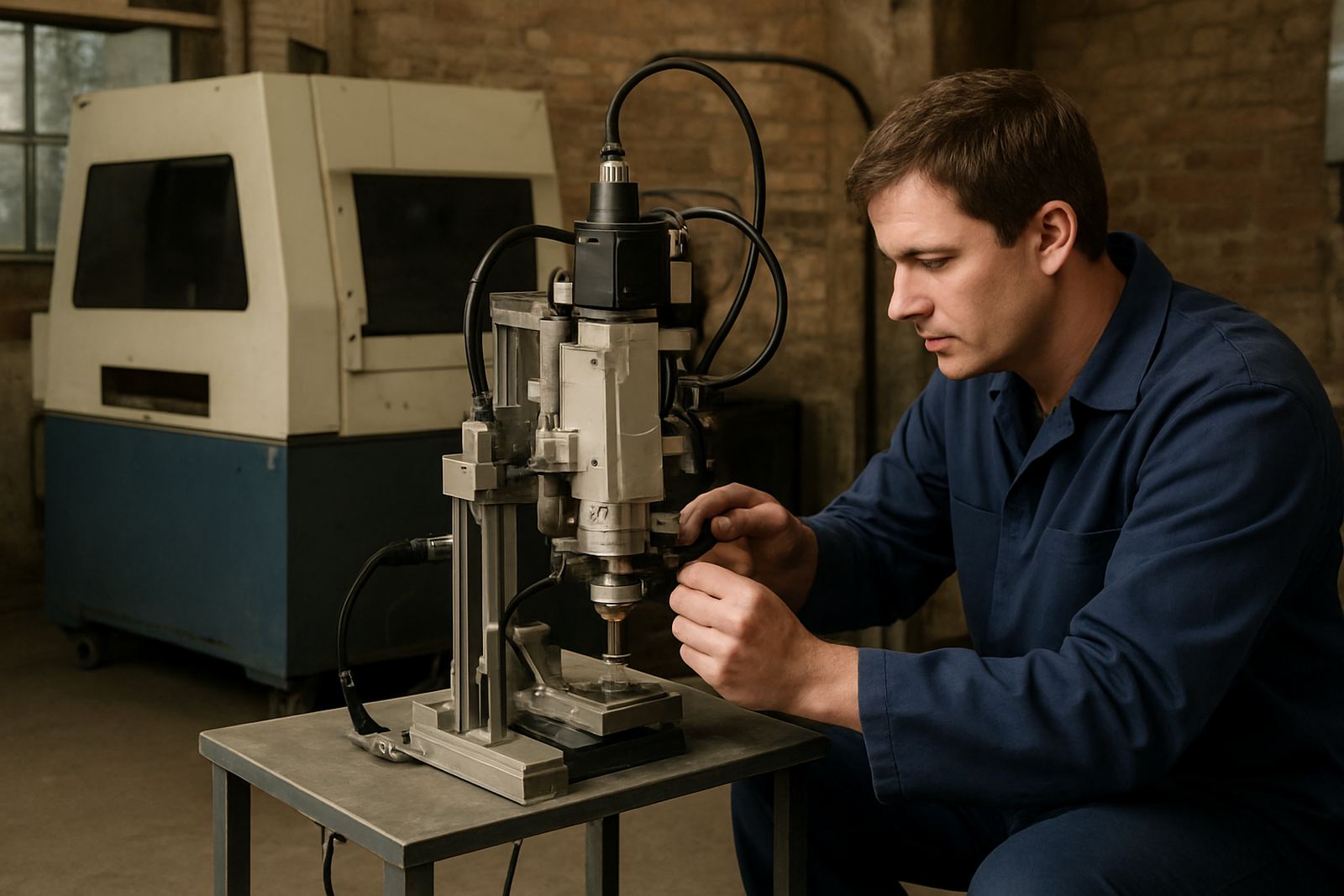
Once the inspection is done, we remove the damaged part, clean the surrounding area and fit the correct replacement. The head is then checked for seating, fitment and consistency under pressure. If the unit is being repaired on the bench, we carry out a pressure test and return to service test before it leaves our workshop in Boksburg. For site work in Gauteng, the Vaal and other supported regions, our field technician will verify the fit and carry out a basic functional check on site where practical.
- Intake diagnosis and fault confirmation
- Strip down, cleaning and damaged part removal
- Correct replacement fitment and seating check
- Bench pressure test or on-site functional test
Specs that matter on a ceramic holder change
Laser heads are not all the same, so the replacement has to match the head type and the machine setup. We work to the physical dimensions, mounting style and consumable interface used on the unit. In plain terms, the part must sit square, hold the nozzle properly and withstand heat without introducing wobble or leakage. A good fit protects cut quality, sensor stability and the service life of the rest of the head.
For fibre systems, we check the holder profile against the nozzle stack, protective window position and head body clearance. For CO2 systems, we check the insulating geometry and the relationship between the holder, nozzle and internal path. Small differences matter. A holder that is even slightly off can cause uneven cutting, extra spatter and repeated nozzle wear, especially in long production runs. On some jobs we also note the head serial details and component layout for future maintenance records, so the next repair can be handled faster.
- Compatible with fibre and CO2 cutting heads
- Measured fit to the nozzle seat and head body
- Heat resistance checked against operating conditions
- Pressure integrity confirmed after fitment
- Alignment checked before return to production
- Suitable for bench repair or on site service
Turnaround times for workshops under pressure
Most workshops ask for ceramic holder changes because the machine cannot stay down long. Turnaround depends on the head condition, parts availability and whether the unit needs only a straight replacement or extra repair work after a collision. Simple holder changes can often be handled quickly on the bench once the part is confirmed. If there is hidden damage, the repair takes longer because we would rather return the head right than rush it back into service too soon.
For busy job shops and metal fabricators, we keep the process practical. If the head is brought in early in the day and the fault is limited to the holder, the repair can often move through diagnosis, fitment and testing without unnecessary delay. For site support in areas such as Germiston, Kempton Park and central Johannesburg, time on site depends on access, machine shutdown windows and the condition of the surrounding components. We will always say what is needed before work continues, so you can plan your cutting schedule properly.
- Fast jobs when the holder is the only failed part
- Longer turnaround if collision damage is found
- Bench work suits heads removed from the machine
- Site work suits urgent uptime needs and access limits
How pricing is worked out
Pricing is based on the real condition of the head, the type of ceramic holder required and the amount of labour needed to return it to safe working order. A straightforward replacement costs less than a job that includes cleaning, seat restoration, alignment checks or extra parts after impact. We keep the pricing approach clear so you know whether you are looking at a single-part replacement or a broader repair on the same head.
Quotes are normally built from diagnosis, the correct replacement component and the testing needed after fitment. If the head is already showing wear on the nozzle seat or window area, we flag that before proceeding. That helps you decide whether to repair now or bundle the work into one visit. For regular clients in Boksburg and the wider Ekurhuleni area, this also helps with maintenance planning and stock holding, especially when load-shedding or production peaks leave very little spare time.
- Cost depends on head type and damage level
- Labour changes if cleaning or alignment is also needed
- Parts are quoted according to the correct fitment spec
- Extra damage is reported before more work is done
Keeping ceramic holders in service for longer
Ceramic holders should be checked as part of regular laser maintenance, especially on shops running long shifts or rough material through the machine. We suggest inspections whenever a head has a collision, when cutting quality changes without a clear cause, or when the machine has been running in a dusty bay or humid coastal conditions. In Durban and Cape Town, moisture and airborne grime can build up faster than many teams expect, so a visual check should never be skipped.
As a practical interval, many workshops inspect the holder at the same time as nozzles and lenses, and replace it when cracking, discolouration or poor seating appears. If the machine runs hard every day, add a quick check during planned shutdowns and after any crash, even a small one. It is also worth confirming clean air supply and proper handling by operators, because dropped heads and rough nozzle changes are common causes of early failure. A few minutes of prevention can save a full stop later on.
- Inspect after any head collision or crash event
- Check during regular consumable change cycles
- Replace when heat marks, cracks or poor seating appear
- Review more often in dusty or humid operating conditions
Key facts
| Service type | Ceramic holder change for laser cutting heads |
|---|---|
| Machine types | Fibre laser and CO2 laser systems |
| Repair format | Bench repair and on site service |
| Checks included | Seating, alignment, pressure and related damage inspection |
| Typical use | Cracked or heat damaged holders in daily cutting work |
| Base area | Boksburg, Ekurhuleni with support across South Africa |