What Nozzle Seat Restoration Fixes
The nozzle seat is a small surface, but it carries a lot of pressure and heat. Once the seat wears, gets marked after a collision, or the threads start to go, the nozzle can sit off-centre and the assist gas will not flow as it should. That shows up as dross, flare-ups, poor pierce consistency and extra scrap on sheet that should have cut clean first time.
Our nozzle seat restoration service repairs the seating face and thread condition on laser cutting heads used in workshops, job shops and production plants across Gauteng, KZN and the Western Cape. We work on fibre and CO2 systems, with attention to head type, nozzle size, gas path condition and the wear pattern inside the cutting head. The aim is simple: restore a proper seal and keep the nozzle aligned to the beam path.
- Worn or damaged nozzle seating face
- Cross-threaded or loose nozzle engagement
- Gas leakage around the nozzle interface
- Frequent nozzle changes with poor repeatability
- Cut quality loss after a light collision or scraping event
How We Restore the Seat and Threads
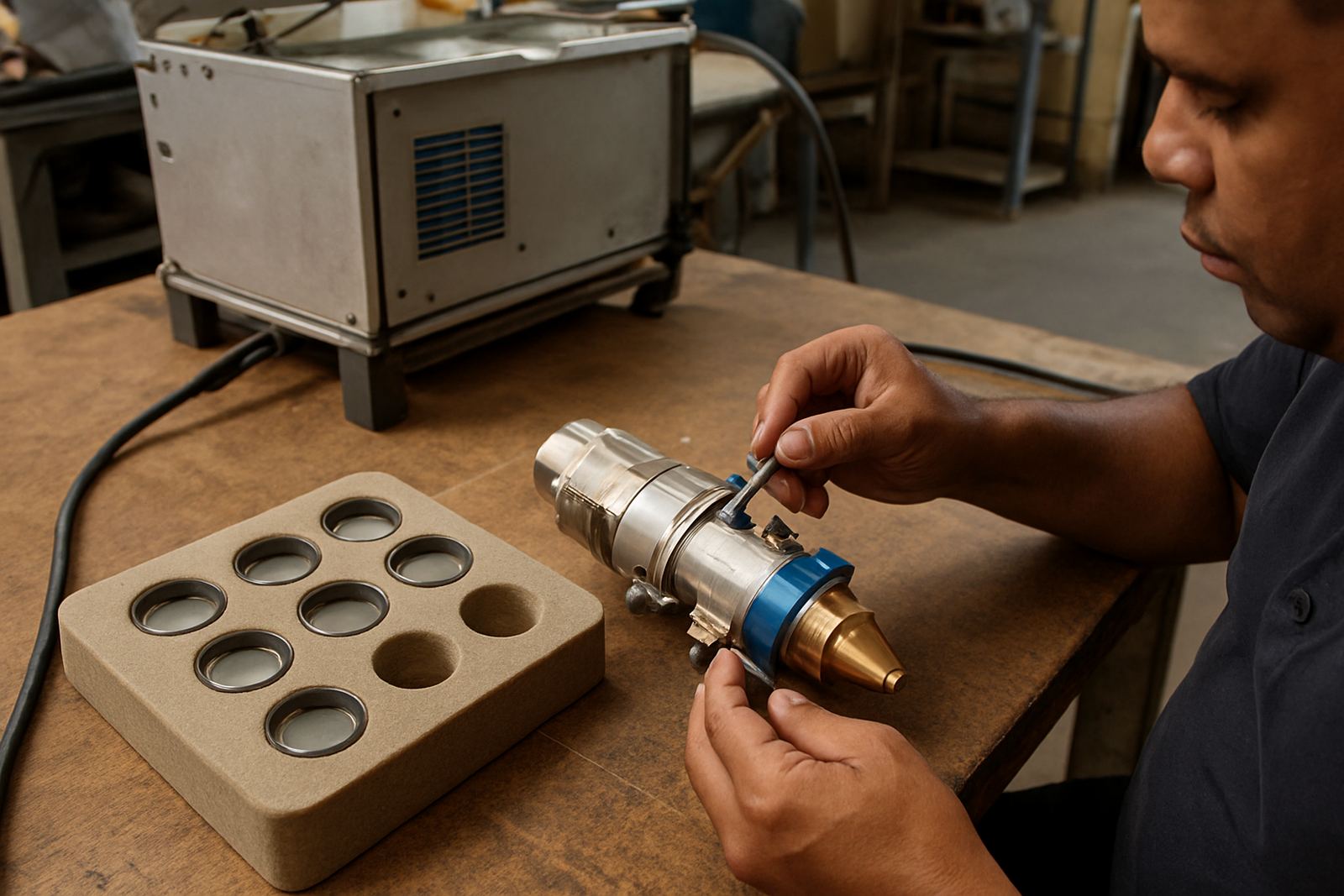
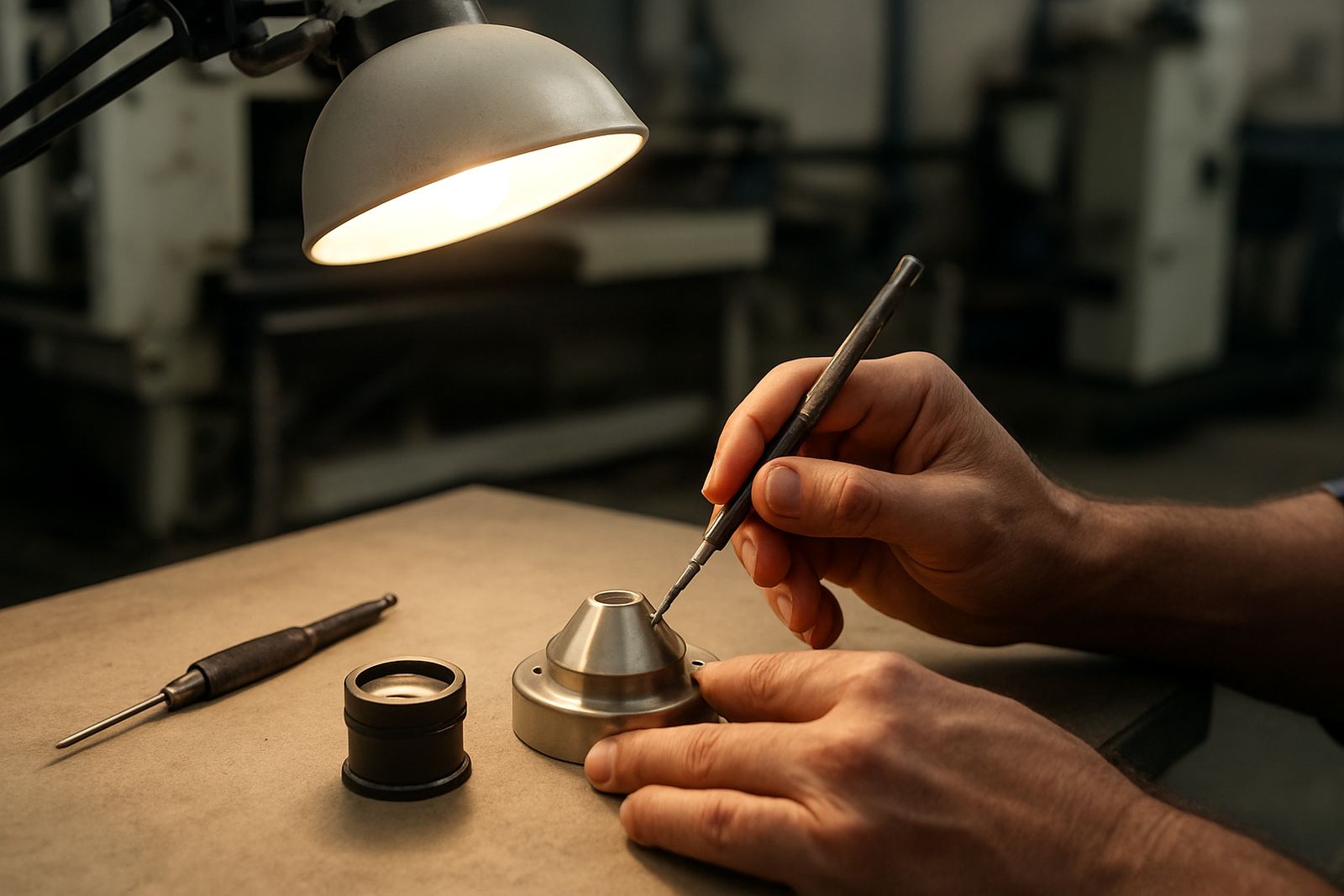
Every head starts with strip and inspection so we can see whether the wear is limited to the seat or if the ceramic holder, sensor ring, window area or internal passages have also taken a knock. If the damage is localised, we restore the seat and thread geometry, clean out residue and confirm the parts still hold correct alignment. If the damage extends further in, we will advise before any extra work is done.
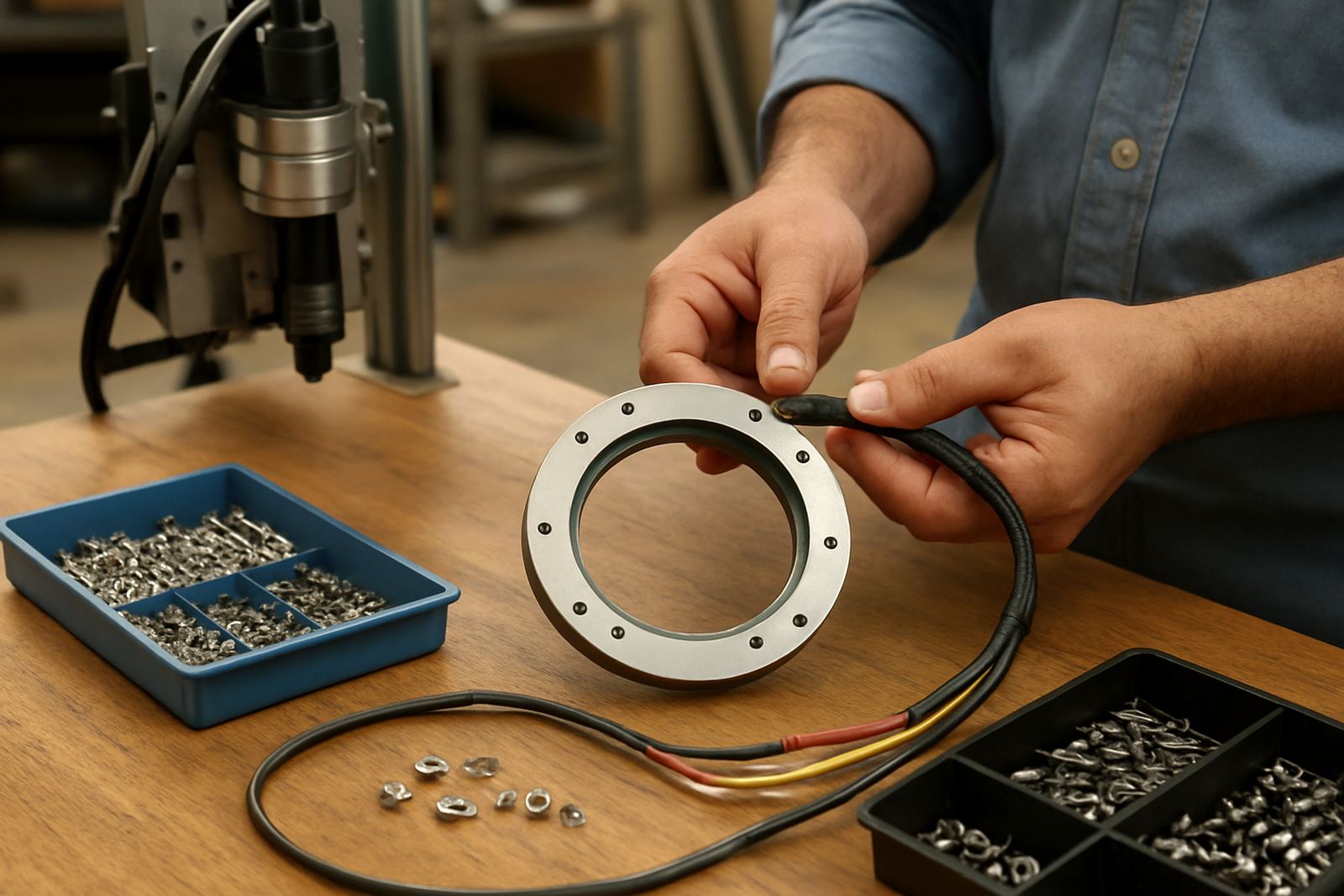
We use measured inspection, not guesswork. That includes checking thread condition, runout where applicable, contact face condition and how the nozzle sits once assembled. On many heads, the difference between a good repair and a short-lived one is only a few hundredths of a millimetre, so the focus is on consistency and proper fit rather than a cosmetic finish.
- Initial visual and magnified inspection
- Thread condition check and seat measurement
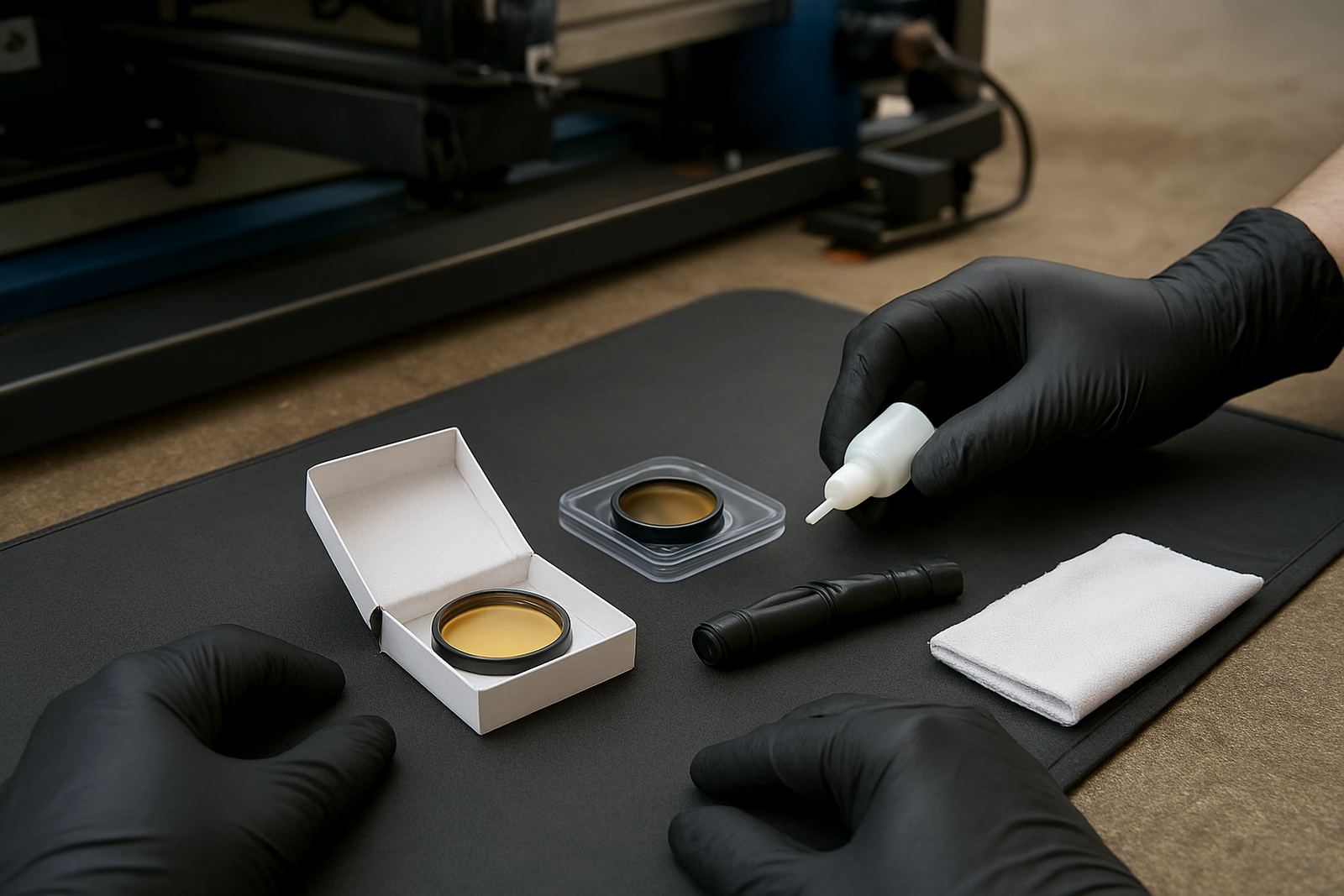
- Clean-up of residue, spatter and dust build-up
- Seat restoration and thread correction where suitable
- Reassembly and fit check with correct nozzle engagement
Bench Work, On Site Support and Testing
Some nozzle seat jobs can be handled on the bench in Boksburg, which is the best option when the head needs careful measuring or when more than one part of the assembly must be checked. For smaller production interruptions we also support on-site assessments in Johannesburg, Pretoria, Vanderbijlpark, Durban and Cape Town, subject to the fault and access to the machine.
After the repair, we carry out a pressure and function check where the setup allows it. This helps confirm that the gas path is holding pressure and that the nozzle is seating correctly before the head goes back into production. If the machine was running with a bad seal for some time, we also look at related wear such as the nozzle tip, protective window and internal contamination because those often go together.
For shops working near the coast, humidity and fine airborne dust can speed up residue build-up inside the head. In inland plants, cutting on scale-heavy plate or stainless with poor extraction can do the same. Either way, a seat repair should be paired with a proper clean and a quick look at the rest of the head, not just the one damaged surface.
Typical Turnaround and Downtime Planning
Turnaround depends on the extent of wear, the head model and whether other parts need replacement. A straightforward nozzle seat restoration is often turned around quickly on the bench, while heads with collision damage, stripped threads or sensor-related faults will take longer. We try to keep downtime short because a stopped laser can affect the whole day’s production, especially in signing, fabrication and small batch work.
If you can remove and send only the cutting head, that usually saves time. When the full machine must be checked, we schedule site work around production windows and load-shedding where possible. For many customers, the practical approach is to have the head repaired before the seat gets so bad that it starts to damage the nozzle every shift.
- Simple seat repair: often same day or next working day on receipt
- Head with added inspection or parts replacement: allow 2 to 5 working days
- On-site assessment: scheduled by route and plant access
- Urgent jobs: handled where parts and machine condition allow
Pricing Approach and What Affects the Cost
We quote based on the actual condition of the head, not a flat price that ignores damage. The main cost factors are the level of wear, whether the threads can be recovered, the need for cleaning or additional parts, and whether the work is done on the bench or on site. That way you only pay for the repair that is needed.
Before work starts, we explain what is included and whether there is any risk of hidden wear once the head is stripped. If the nozzle seat has been running badly for a while, it may have also affected the protective window, ceramic holder or alignment surfaces. In that case we will flag it before continuing, so there are no surprises after the head is opened up.
- Inspection first, then a repair quote based on actual wear
- Separate pricing for parts, labour and site call-out where needed
- Better value when the seat can be recovered instead of replacing the whole head
- Clear advice if a repair is no longer economical
Keeping the Seat in Good Condition
Most nozzle seat wear is preventable with regular cleaning, correct nozzle handling and early attention after a collision or bad cut event. A head that is checked before the seat is badly damaged lasts longer and keeps cut quality steadier. For general production, we recommend a visual check whenever you change nozzles or notice a shift in gas use, cut height or pierce behaviour.
As a practical guide, have the head inspected after any visible collision, after a run of poor edge quality, or every few months in heavy-use plants. In dusty or high-volume shops, shorter inspection intervals are better. If your machine is cutting daily and the nozzle changes often, the seat should be part of routine maintenance rather than an emergency repair.
- Inspect after any collision or rough nozzle change
- Check monthly in high-duty production environments
- Include the seat in scheduled head servicing every 3 to 6 months
- Replace damaged nozzles early to avoid marking the seat
Key facts
| Service type | Nozzle Seat Restoration for laser cutting heads |
|---|---|
| Compatible systems | Fibre and CO2 laser machines |
| Repair focus | Seat face recovery, thread correction and alignment fit |
| Typical head checks | Nozzle seat, protective window area, ceramic holder, gas path and sensor ring |
| Work mode | Bench repair in Boksburg or on-site support where suitable |
| Service areas | Johannesburg, Pretoria, Vanderbijlpark, Durban, Cape Town, Germiston and Kempton Park |