What Window Replacement Covers
Protective windows sit in front of the focusing lens and take the first hit from spatter, dust and fumes. Once they start to cloud, pit or crack, cut quality drops and the lens below can be exposed to damage. We replace worn windows on fibre and CO2 laser heads for workshops in Boksburg, Johannesburg, Pretoria, Vanderbijlpark, Durban and Cape Town.
The service is practical and focused on machine uptime. We remove the damaged window, inspect the seat and retaining parts, fit the correct replacement, then check the optical path for contamination or heat marks. If needed, we also flag issues with nozzle condition, ceramic holders or head alignment before the machine goes back into production.
- Protective window removal and replacement
- Inspection of window seat, seals and retainers
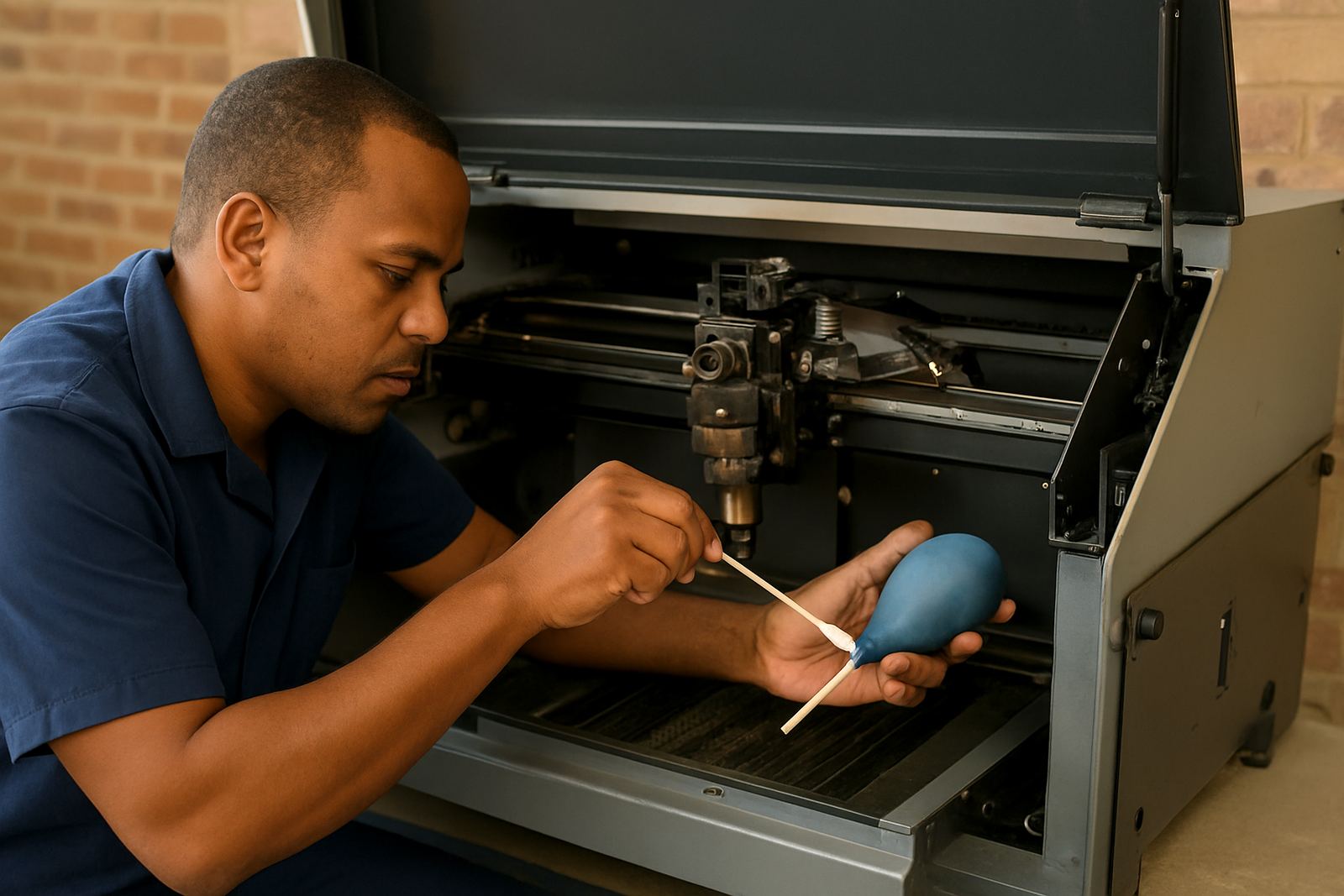
- Cleaning of nearby optics and internal areas
- Check for spatter damage, cracks and heat haze
- Basic head condition report after service
When A Window Must Be Changed
A window should be changed as soon as it shows clouding, burn marks, pitting or a visible chip on the edge. If you are seeing inconsistent pierce results, more dross than usual, or higher frequency alarms from the head, the window may already be affecting transmission. In humid coastal areas like Durban and Cape Town, contamination can build faster, especially where extraction is not pulling fumes away properly.
Do not wait until the lens is also affected. A tired window can scatter energy and cause poor cuts on mild steel, stainless steel and aluminium, even when the rest of the machine is still in decent condition. On some heads, a small nick is enough to shorten the life of the next window too.
- Clouded or hazy optic surface
- Spatter marks or burn spots
- Edge chips or fine cracks
- Heat haze, rainbow marks or delamination
- Cut quality drops after a collision or long run
Our Replacement Process On The Bench Or At Your Site
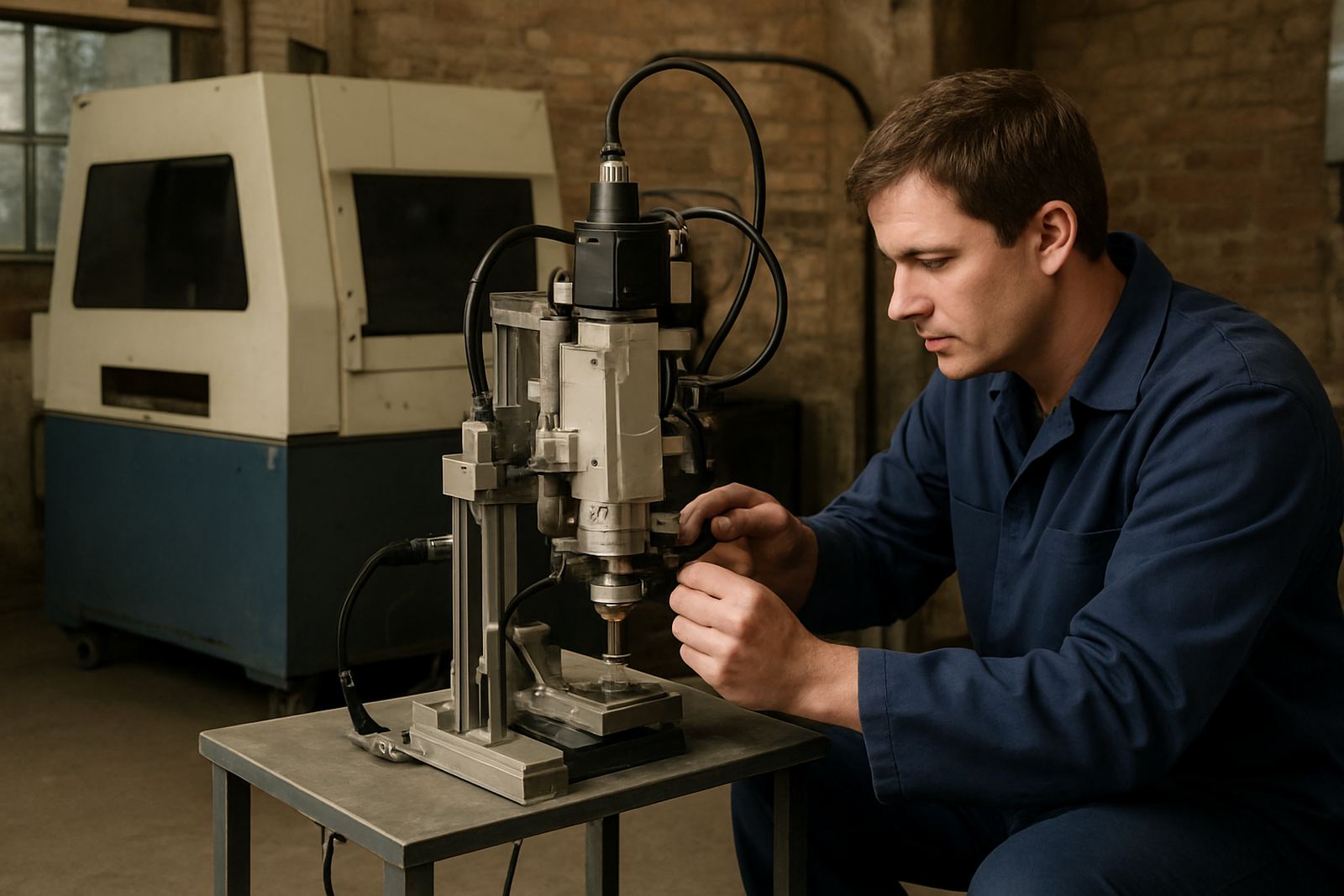
We start with diagnosis so the window change is not just a parts swap. If the head can be removed safely, we take it to the bench in Boksburg for a closer inspection. For certain breakdowns on production lines, we can attend on site and handle the replacement where access and safety allow.
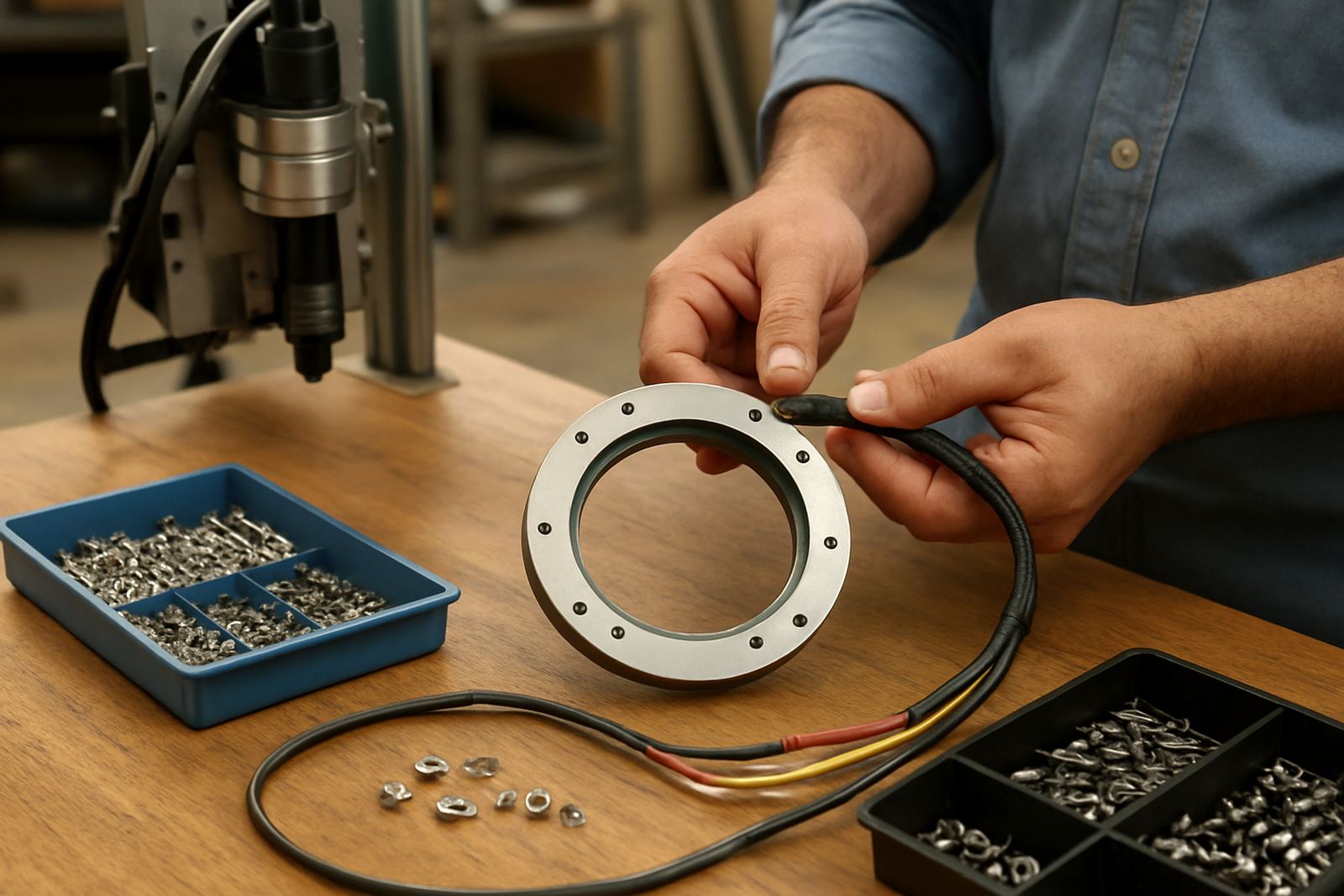
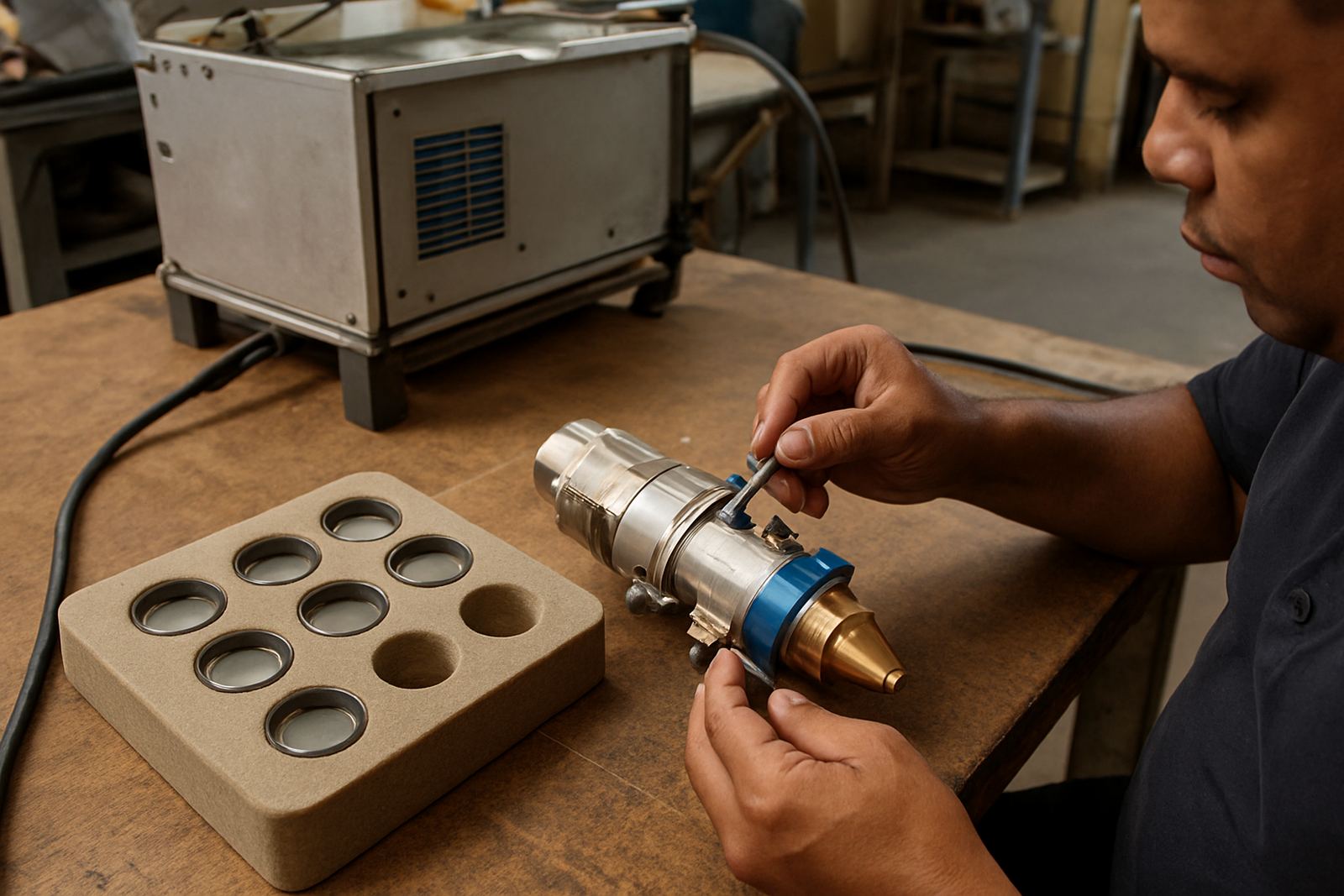
Typical steps are straightforward: isolate the machine, open the head, remove the damaged window, clean the housing, fit the new window, then confirm correct seating and optical cleanliness. After that, we check the nozzle area, ceramic holder and sensor ring if the head design includes one. Finally, we run a return to service test to confirm the machine is cutting cleanly again.
- Diagnosis and strip inspection before replacement
- Controlled removal of the damaged window
- Cleaning of the cavity and mating surfaces
- Fitment of the correct window type and size
- Bench pressure test or operating test after installation
Specs And Fitment Details We Confirm
Laser heads are not all the same, so we confirm the exact window specification before fitting. That includes diameter, thickness, material grade, coating type and mounting style. Getting this wrong can affect beam transmission, sealing and head pressure, especially on higher power fibre machines running long shifts.
For workshops that cut all day, we also check whether the window is suited to the current gas mix and operating conditions. Heat, vibration and poor extraction can shorten service life, so we match the replacement to the application rather than fitting a part that only works on paper.
- Window diameter and thickness
- Coated or uncoated optic type
- Fibre or CO2 head compatibility
- Seal and retaining ring condition
- Beam path cleanliness and contamination level
Turnaround And Downtime Planning
Most window replacements are handled quickly once the correct part is confirmed. Simple swaps on a bench job can often be turned around the same day or within 24 hours, while damaged heads with extra wear may take longer if seats, nozzles or internal parts need attention. For plants in Gauteng and the coastal metros, we try to schedule work around production shifts so you are not losing an entire day unnecessarily.
If the machine is down hard and the window is the obvious failure point, we prioritise diagnosis first so there is no guesswork. Our aim is to keep downtime short, but we will not rush a head back into service if the seating is not right or the optics still show contamination.
- Same-day turnaround possible for simple bench replacements
- 24 to 48 hours for more involved head checks
- On site response arranged where access allows
- Priority handling for urgent production stoppages
Pricing Approach And Maintenance Intervals
Pricing depends on the head type, window size, coating, condition of the housing and whether the job is bench based or on site. We quote after diagnosis so you only pay for the work and parts the head actually needs. If the window failed because of a collision or heavy contamination, we will say so clearly and list any additional items that should be addressed before the next shift starts.
For maintenance, most busy workshops should inspect the window during planned service intervals and replace it before visible damage affects cutting. In high dust or high spatter environments, that may be monthly or even more often. Lower duty cycles may stretch longer, but a quick check during routine cleaning is still worth it. Regular inspection is cheaper than replacing a lens later.
- Quoted after inspection and fault confirmation
- Costs vary by head model and optic spec
- Best done during scheduled maintenance stops
- More frequent checks in dusty or high spatter work
Key facts
| Service type | Protective window replacement for fibre and CO2 laser cutting heads |
|---|---|
| Base | Boksburg, Ekurhuleni |
| Coverage | Johannesburg, Pretoria, Vanderbijlpark, Durban, Cape Town and surrounding areas |
| Typical turnaround | Same day to 48 hours, depending on head condition and parts |
| Fitment scope | Bench service and on site support where access and safety allow |
| Related checks | Seat inspection, optical cleaning, nozzle area check and return to service test |