Why Internal Cleaning Matters For Laser Cutting Heads
Inside a laser head, even a light build-up of dust or smoke residue can affect beam path, cooling air flow and sensor reading. On fibre and CO2 systems this often shows up as slag on the edge, erratic piercing, more frequent nozzle changes or a head that starts to run hot after long shifts.
We see this often in sheet metal shops, signage plants and fabrication bays where cutting runs for 8 to 16 hours a day. In dusty areas, or where compressed air is not as dry as it should be, contamination can creep into the head body, lens chamber and sensor ring area. A proper internal clean is not just cosmetic, it helps protect expensive parts and keeps the machine in tolerance.
- Removes dust, soot and fine metal particles from internal cavities
- Clears residue around the lens seat, sensor ring and ceramic holder
- Improves air flow through the head assembly
- Supports more stable cutting on mild steel, stainless steel and aluminium
What We Clean During The Service
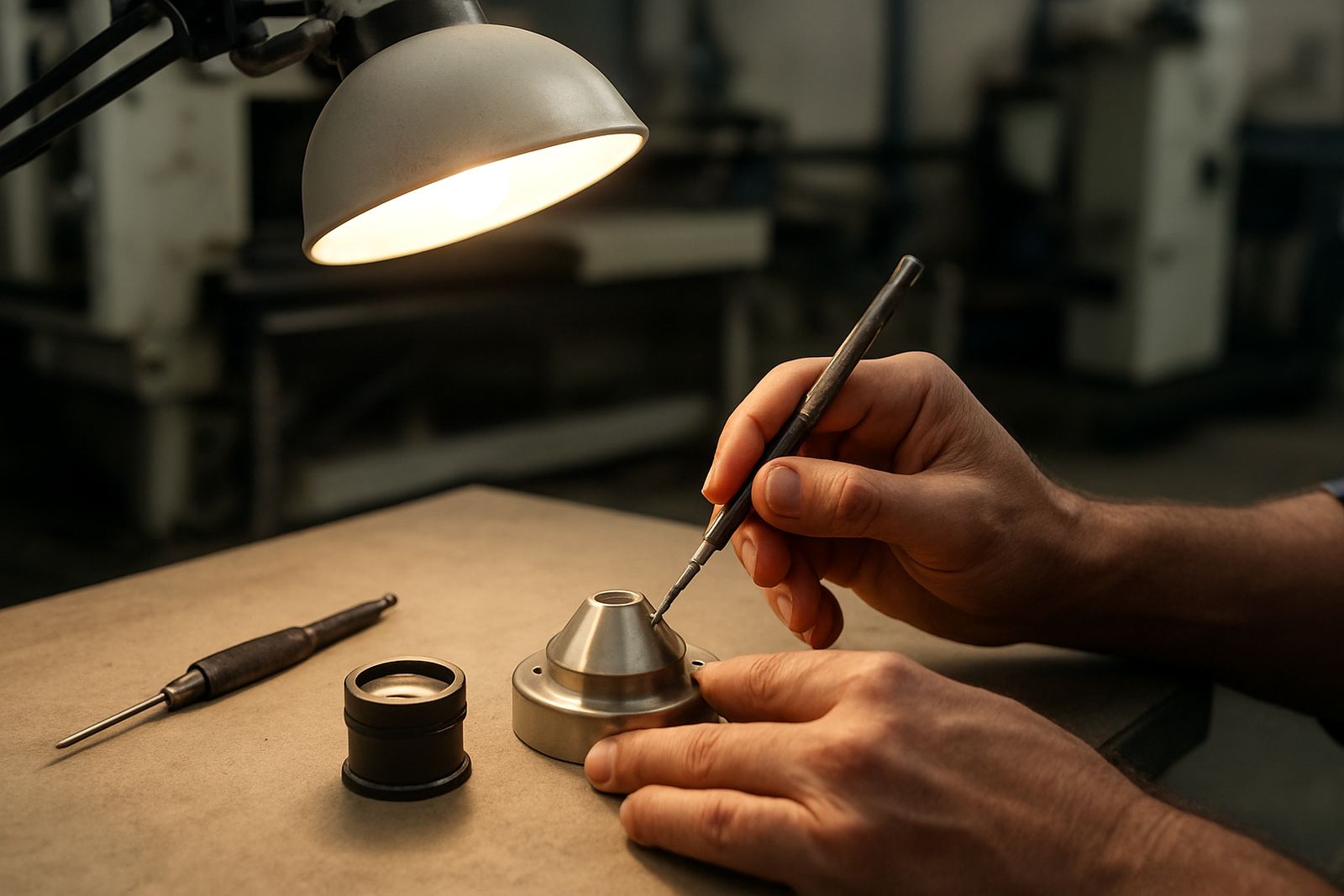
Internal cleaning is carried out on the head assembly after safe strip down and inspection. We work carefully around optical parts, seals and alignment surfaces so the head can go back into service without unnecessary wear. If we find a damaged window, scored seat or loose sensor connection, we flag it before reassembly and can quote the extra repair separately.
- Internal housing and cover sections
- Lens chamber and surrounding retaining surfaces
- Nozzle seat area and lower head cavity
- Sensor ring region and wiring entry points
- Ceramic holder area where applicable
- Air passages and dust pockets inside the body
We do not force parts apart or scrape delicate surfaces. The aim is to remove contamination properly, not just wipe the outside and call it done. Where required, we also check for signs of heat staining, moisture marks or residue from poor compressed air treatment.
Our Cleaning Process Step By Step
Each head is handled with a consistent process so the result is repeatable. On-site work is limited to systems where access, safety and working conditions allow a proper strip and clean. If the unit needs a fuller bench service, we remove it, mark the condition and complete the work in the workshop in Boksburg.
- Initial inspection and fault notes from the operator or maintenance team
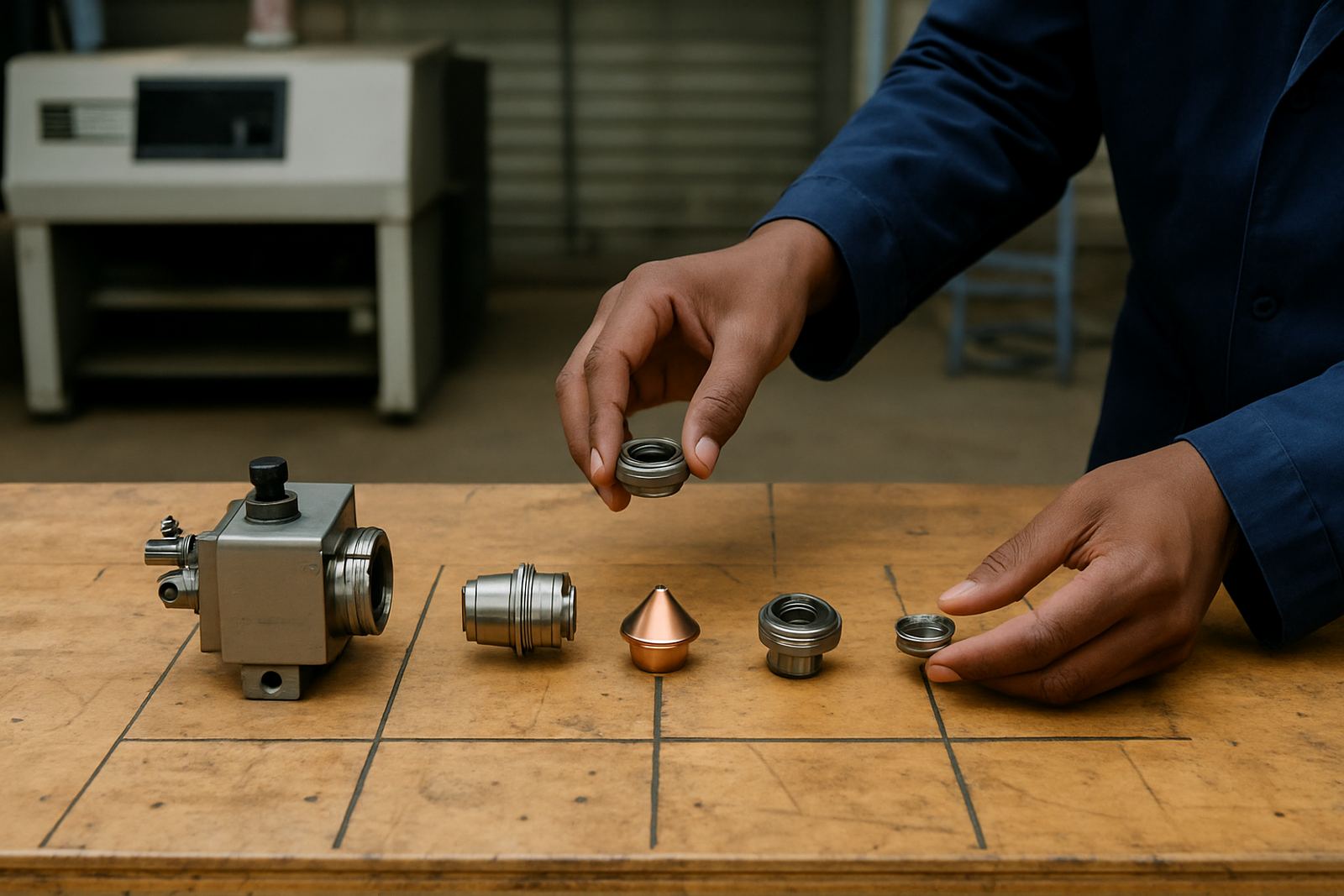
- Safe isolation of the head and controlled strip down
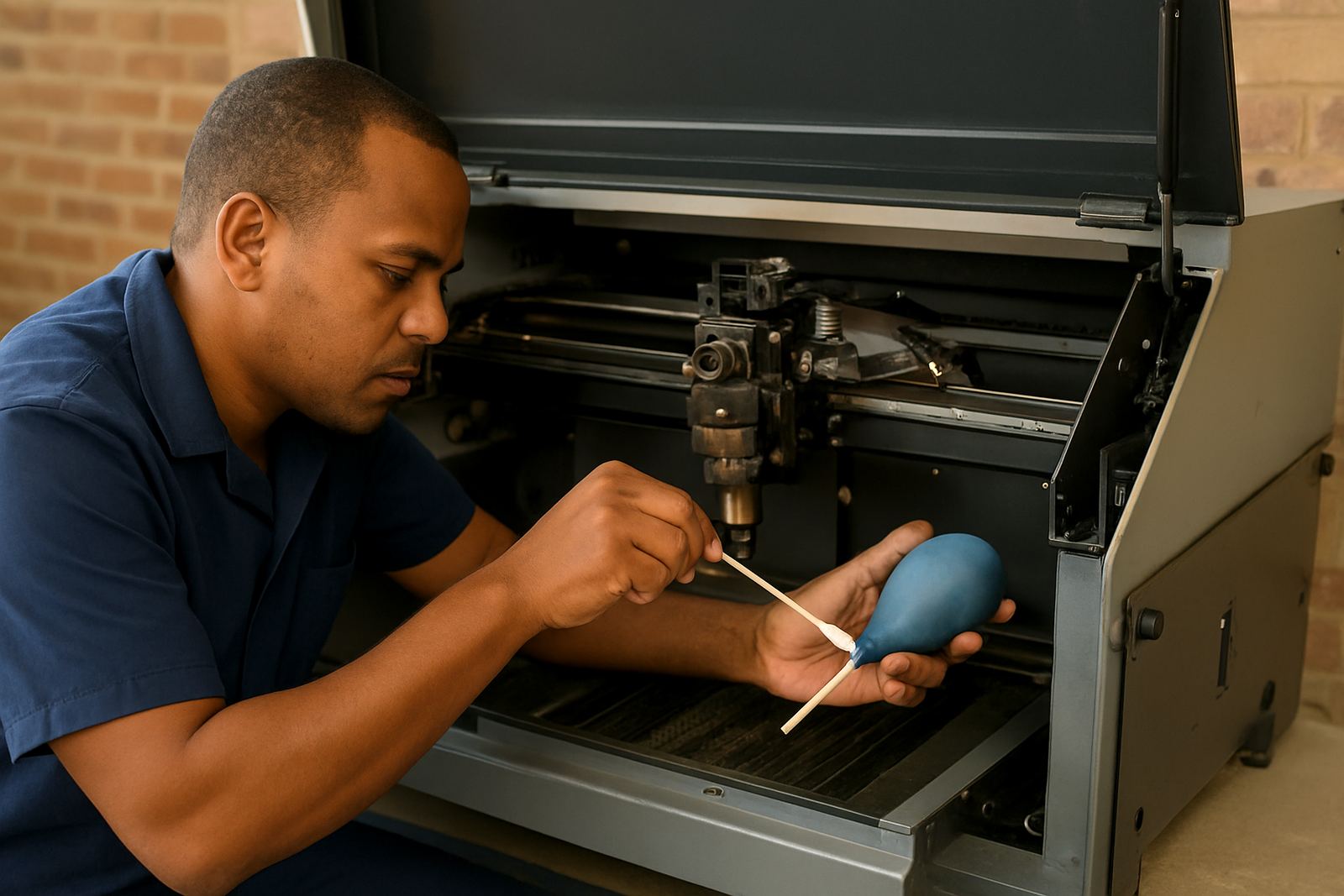
- Dry cleaning, vacuum extraction and solvent cleaning where suitable
- Inspection of seals, seats, sensors and internal surfaces
- Reassembly with correct fitment and torque
- Return to service test and cutting check where the machine is available
We work with production teams that need the machine back quickly, but we do not rush the job. A head that goes back in dirty can fail again within days. A proper clean helps avoid repeat stoppages and can reduce strain on other wearing parts too.
Turnaround Times And Support Areas
For straightforward internal cleaning, turnaround is often same day to 2 working days depending on access, parts condition and how much contamination is present. If the head has collision marks, damaged seats or a failed lens holder, the repair will take longer because we will first confirm what can be reused and what must be replaced.
We support workshops and fabricators from Boksburg, Germiston and Kempton Park through to Johannesburg, Pretoria, Vanderbijlpark, Durban and Cape Town. On-site support is arranged when the machine cannot be removed easily, or when production downtime needs to be kept to the minimum. For larger plants, we can schedule the work around shift changes and planned maintenance windows.
- Bench cleaning at our Boksburg base for the most thorough strip and clean
- On-site support for reachable heads and serviceable installations
- Emergency attendance where contamination is causing repeated cutting faults
Pricing Approach And What Affects The Cost
Pricing for internal cleaning depends on the head type, the amount of contamination, whether the unit needs bench work and whether extra parts are required. We price after inspection so you know what is included before work continues. That keeps the cost fair for small job shops and larger production houses alike.
Factors that affect the final price include access to the head, the presence of collision damage, contamination from oil or coolant, and whether there are signs of moisture inside the body. If the protective window or lens is damaged, we quote that separately rather than folding it into a vague flat fee.
We are often asked if a quick external wipe is enough. In most cases it is not. Dust and residue settle deeper inside the assembly, especially in environments with grinding dust, compressed air moisture or heavy smoke extraction loads. A proper clean saves money by stopping repeat faults and can be cheaper than replacing a head later.
When To Book Cleaning And What To Watch For
Internal cleaning should be part of planned maintenance, not only a reaction after failure. For many South African workshops, an interval of every 3 to 6 months works well on busy machines, while high-dust or high-shift environments may need a check every 4 to 8 weeks. If the machine is cutting around the clock, or if load-shedding and generator running is pushing the air system harder, it may need closer attention.
Book a cleaning service if you notice any of the signs below:
- Cut quality has become uneven across the sheet
- The head is showing more alarms or sensor faults
- There is visible dust inside the lower assembly
- Nozzles and windows are wearing faster than usual
- Cutting starts well then degrades after the machine warms up
We also recommend a check after a collision, after long periods in a very dusty workshop, or whenever the machine has been standing in a humid coastal area. Early cleaning is usually quicker and cheaper than waiting until the head starts failing under pressure.
What You Get Back After The Service
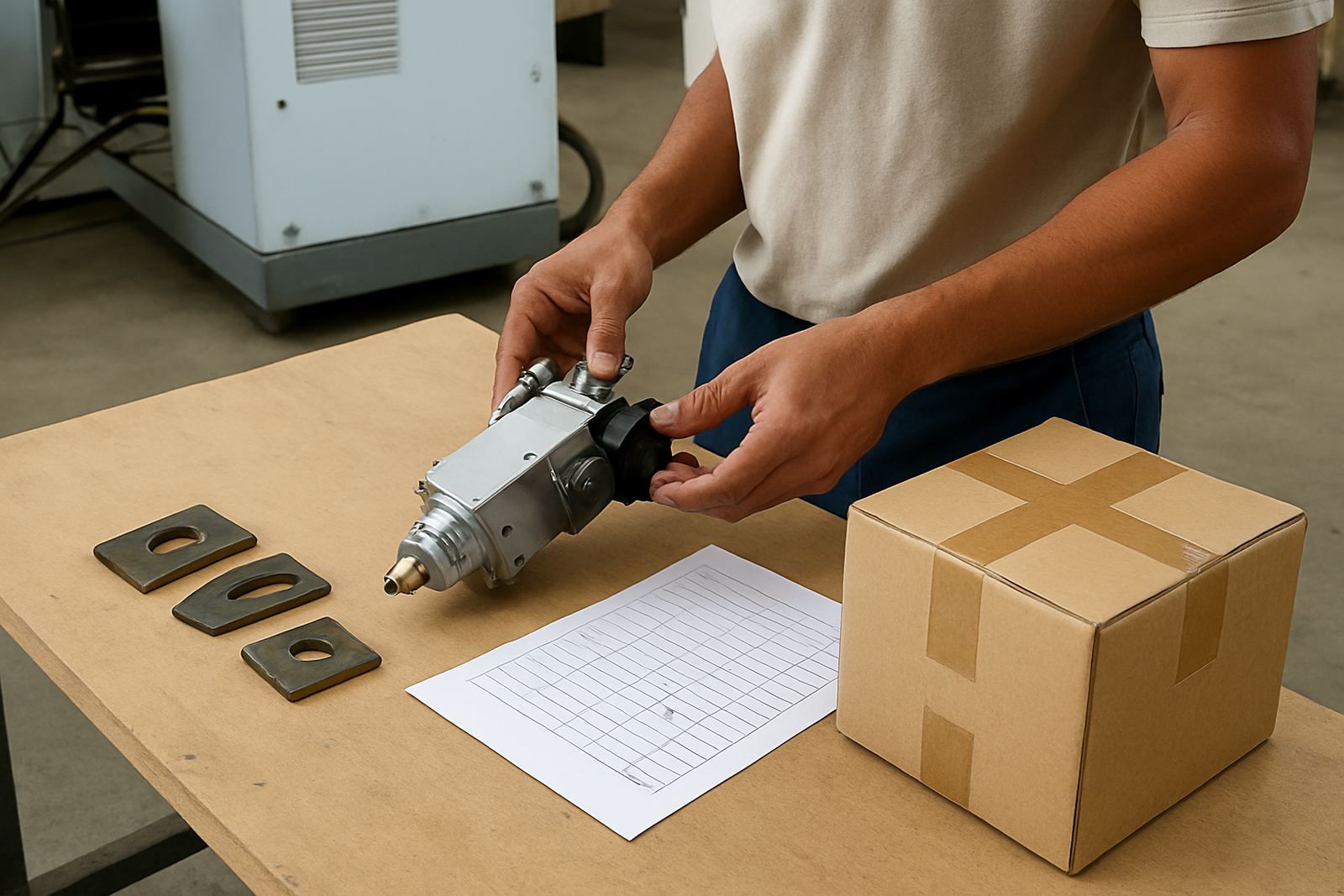
After internal cleaning, the head is reassembled, checked for correct fit and prepared for return to service. Where the machine is available, we complete a practical test so the operator can see that the head is ready to run. If the job is bench only, we provide clear handover notes on anything that needs watching over the next shift.
- Cleaned internal head assembly with contamination removed
- Condition notes on seals, seats and optical areas
- Feedback on any worn parts that should be replaced soon
- Practical advice on air quality, dust control and service intervals
Laser Ray Tools focuses on keeping cutters running. That means straight answers, careful work and support that fits real workshop conditions, not fancy talk. If the head is worth saving, we clean it properly and get it back to work.
Key facts
| Service Type | Internal cleaning for fibre and CO2 laser cutting heads |
|---|---|
| Work Area | Bench service in Boksburg and on-site support where suitable |
| Typical Turnaround | Same day to 2 working days for standard cleaning |
| Supported Head Areas | Lens chamber, nozzle seat, sensor ring area, ceramic holder region and air passages |
| Recommended Interval | Every 3 to 6 months, or 4 to 8 weeks in heavy dust conditions |
| Coverage | Boksburg, Johannesburg, Pretoria, Vanderbijlpark, Durban, Cape Town and nearby areas |