What strip and inspection covers on a laser cutting head
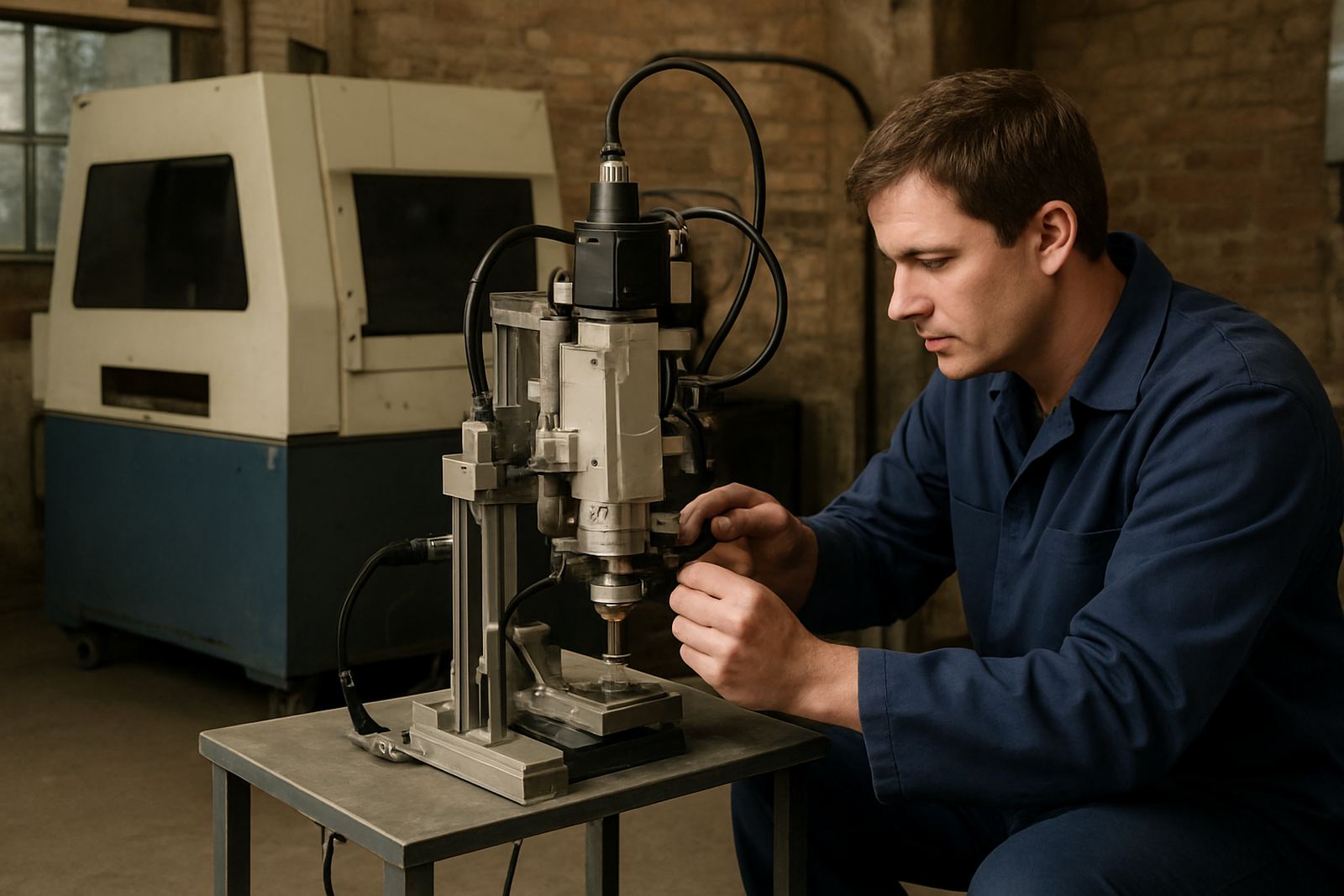
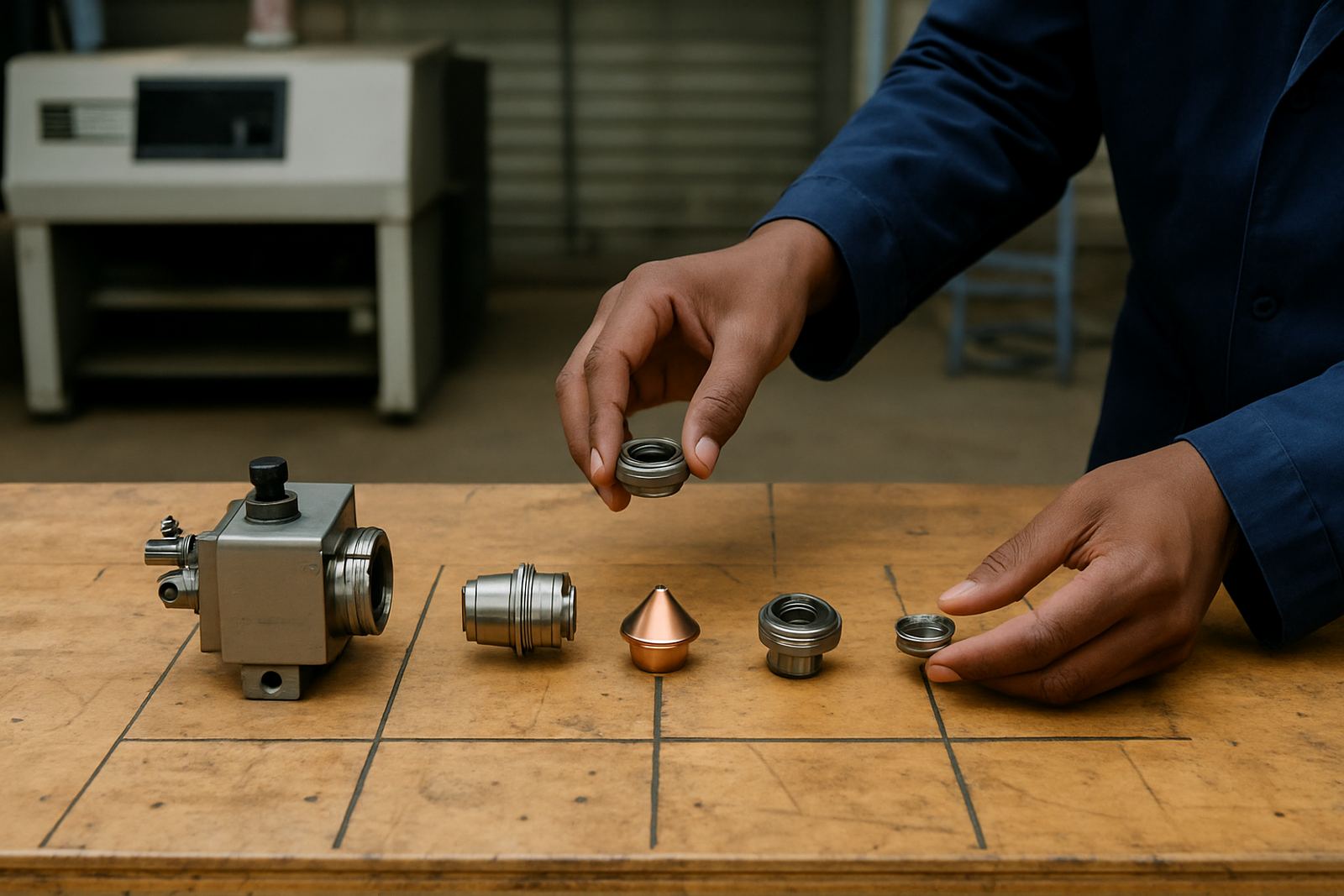
Strip and inspection is a full dismantling and condition assessment service for fibre and CO2 laser cutting heads. We remove the head from service, open it section by section and inspect the internal parts that affect beam delivery, gas flow and focus stability. This is the right start when a machine has suffered a collision, poor cut quality, repeated alarms or unexplained wear.
Our technicians handle heads used on sheet metal work, sign work and general fabrication. We check the body, nozzle seat, lens pocket, ceramic holder, sensor ring, protective window, seals and internal passages. If the unit shows heat marking, contamination, a bent section or cracked ceramic, we note it straight away and advise on the next step. No guesswork, just a proper condition report based on what is actually inside the head.
- Complete strip down of the cutting head
- Visual and dimensional inspection of wear parts
- Check for collision damage, contamination and alignment drift
- Assessment for repair, part replacement or return to service
How our inspection process works in the workshop or on site
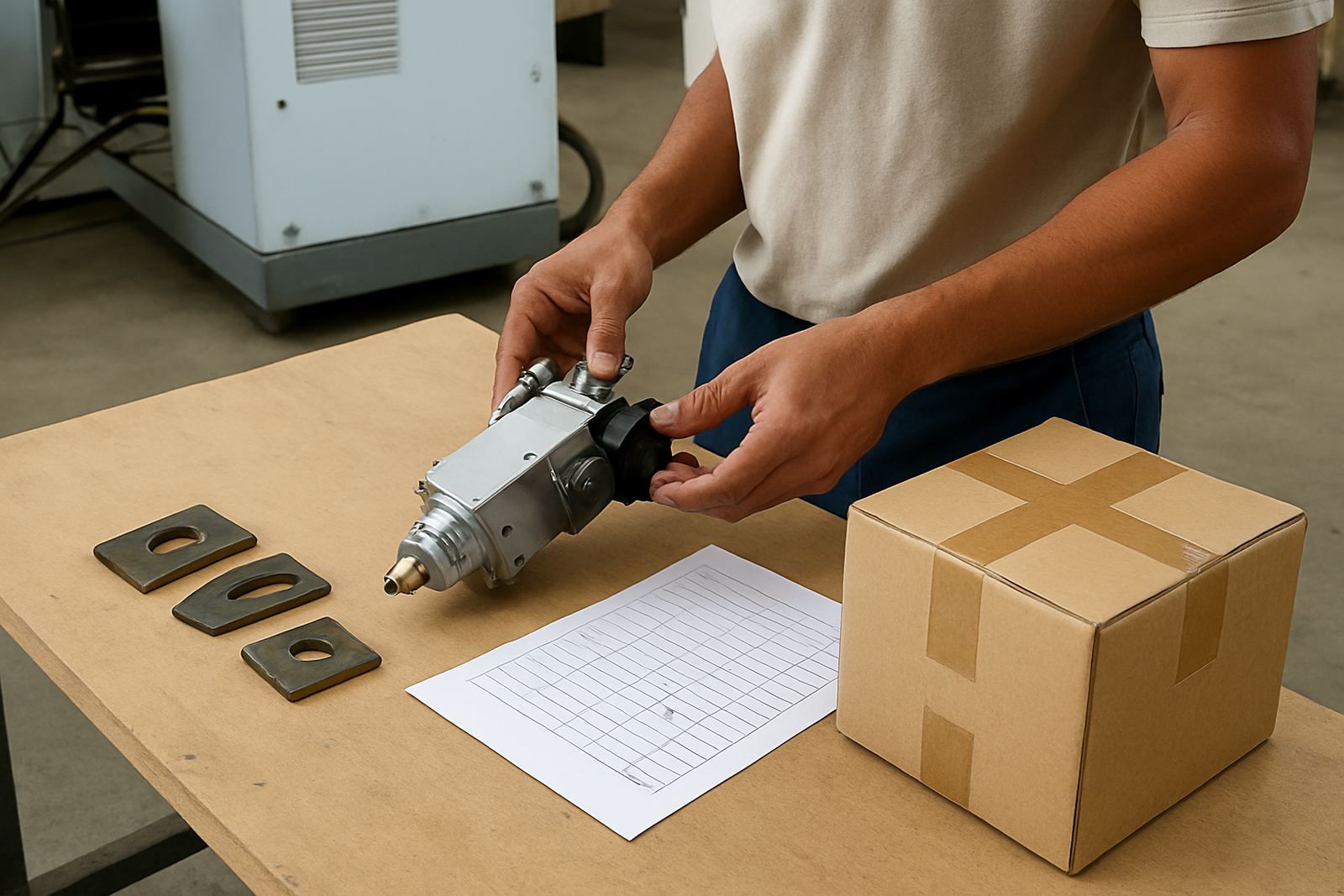
We start by confirming the machine type, head model and fault history. If the unit can be removed safely, it is taken to the Boksburg workshop for bench inspection. For some urgent breakdowns, a field technician can collect the issue on site in Johannesburg, Pretoria, Vanderbijlpark, Durban, Cape Town and nearby industrial areas. The aim is to reduce downtime and keep your production moving.
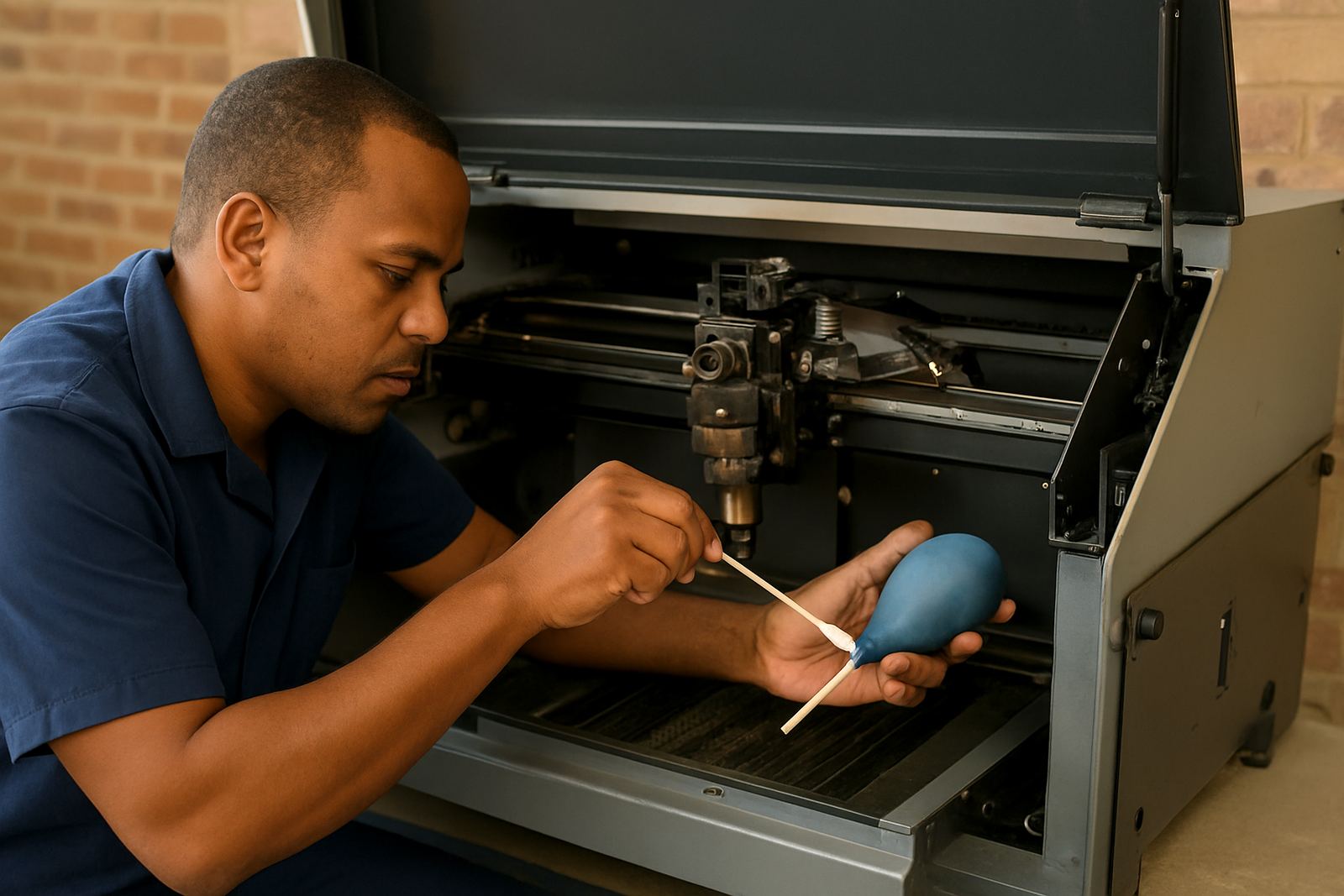
Once the head is received, it is marked, opened and cleaned in stages. We record the condition of each part as it comes out, then compare wear against normal service limits. If a nozzle seat is pitted, a lens window is cloudy or the internal seal has failed, we log it. If the damage is more serious, we identify whether the head needs collision repair, alignment correction or a full rebuild. That report helps your team decide quickly and with confidence.
- Intake and fault confirmation
- Safe strip down and cleaning of internal sections
- Inspection of optics, holders, rings and seals
- Written repair recommendation and parts list
Typical faults found during inspection
Most cutting-head problems begin small and get worse under load. Dust ingress, oil mist, poor gas quality and daily vibration can all affect the head. We often find nozzles that have worn oval, protective windows that are etched, sensor rings that have shifted and ceramic holders that have hairline cracks from a light knock. In some cases the issue is not a single broken part, but a combination of wear points that has changed the beam path.
We also see damage after crash events where the head has struck a warped sheet or a lifted clamp. Even if the head still moves, the internal stack can be out of true. That is why a strip and inspection is useful before ordering random parts. It tells you what is serviceable, what must be replaced and what can wait until the next planned shutdown.
- Nozzle wear and seat damage
- Lens haze, chips or contamination
- Window marking and heat stress
- Sensor ring movement or electrical contact problems
Turnaround, pricing and parts supply
Turnaround depends on the condition of the head and whether parts are needed from stock. Simple strip and inspection work can often be completed quickly, while heavily damaged units may need more time for alignment checks and part replacement. We keep the process practical, because a workshop sitting idle for two days can cost far more than a careful inspection done once.
Pricing is based on the head type, the extent of dismantling and any follow-up work required. If replacement lenses, windows, ceramic holders or nozzles are needed, we quote that separately so you can see exactly where the cost sits. Where possible, we source the parts and carry out the repair in the same cycle. If the head should not be returned to service yet, we will say so plainly. That honesty matters when a machine is expected to run a shift.
- Inspection-only pricing for diagnostic work
- Separate quoting for parts and repair labour
- Fast parts supply for common wear items
- Clear approval before any extra work starts
Recommended service intervals for busy workshops
There is no single interval that fits every shop, because the duty cycle, dust levels and gas quality all change the wear pattern. As a working guide, cutting heads in high-output fabrication shops should be inspected at regular planned maintenance intervals, and sooner after any collision, smoke event or repeated edge quality problem. Coastal humidity in places like Durban and Cape Town can also increase contamination risk if optics are not checked often enough.
For smaller job shops, an inspection schedule tied to machine service hours usually works best. If the machine is running extended shifts or handling reflective material, the head should be checked more often. Waiting until the cut fails completely usually means more parts and more lost production. A routine strip and inspection helps catch issues while they are still cheap to sort out.
- After any head collision or crash
- When cut quality drops without a clear cause
- During planned service downtime
- At shorter intervals in dusty or humid conditions
Why workshops call Laser Ray Tools for head inspection
Our work is focused on keeping laser cutters running, not on selling extras that a workshop does not need. The team handles fibre and CO2 heads every day, both on the bench and on site, which means the inspection is grounded in real machine faults rather than theory. Sibusiso Mthembu leads the business from Boksburg with a practical approach that fits South African production pressures.
Whether you are in Germiston, Kempton Park, Johannesburg, Pretoria or further afield in Durban and Cape Town, the process stays the same. We strip the head, assess the condition, report what matters and help you return the machine to service with the least possible delay. If the problem is small, we will say so. If the head needs more work, you will know before it goes back in the machine.
That is the value of a proper strip and inspection. It gives you facts, not assumptions, and it keeps your repair decisions tied to the actual condition of the head.
Key facts
| Service type | Full strip and inspection of fibre and CO2 laser cutting heads |
|---|---|
| Location | Boksburg, Ekurhuleni with support across South Africa |
| Typical head faults | Collision damage, nozzle wear, window haze, lens contamination, alignment drift |
| Inspection method | Bench teardown, cleaning, measurement and condition reporting |
| Turnaround | Depends on head condition and parts availability, with urgent jobs prioritised |
| Maintenance interval | Planned checks based on machine hours, duty cycle and site conditions |