What a Sensor Ring Does on a Cutting Head
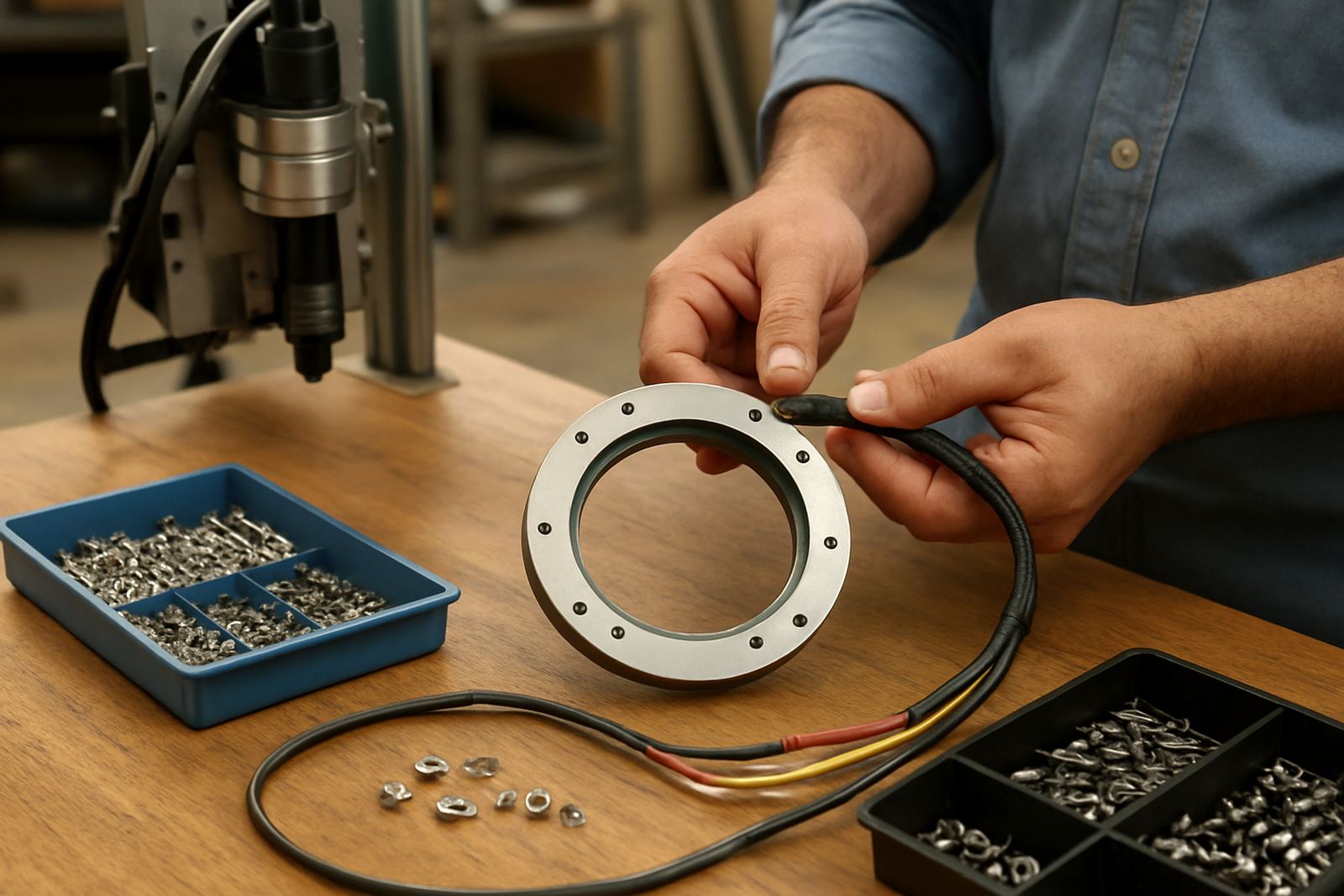
The sensor ring is a small part, but it has a direct job in keeping the cutting head at the correct distance from the sheet. When it wears, bends, cracks, or loses contact after a collision, the head can sit too high or too low, and that affects pierce control, edge quality and pierce consistency. On thin stainless, mild steel and aluminium, the signs often show up as blown starts, uneven piercing, or a nozzle that begins to mark the plate.
We service sensor rings on fibre and CO2 systems used in job shops, signage plants and metal fabricators. In many cases the ring is not the only issue, so we check the surrounding components at the same time, including the nozzle seat, ceramic holder, protective window and internal body condition. That way the repair does not stop at one obvious fault while the rest of the head still gives trouble.
- Worn, bent or heat affected sensor rings
- Intermittent contact and height sensing faults
- Collision damage after sheet lift, tip strike, or a bad pierce
- Sensor ring replacement for unstable stand-off height
What We Include in a Sensor Ring Service
Our service covers diagnosis, repair and replacement where needed, plus a practical check of the cutting head before it goes back into production. If the sensor ring can be restored, we do that. If it is beyond service life, we fit a suitable replacement and verify the head response under test conditions. The goal is simple: get the machine cutting correctly again without dragging out downtime.
We also check related items that affect the same fault path. A damaged ring often sits alongside dust build-up, worn seals, a cracked window or a loose nozzle seat. If those are ignored, the machine may come back with the same problem in a day or two. That is poor value for any workshop, especially when production is waiting and the rest of the line is standing still.
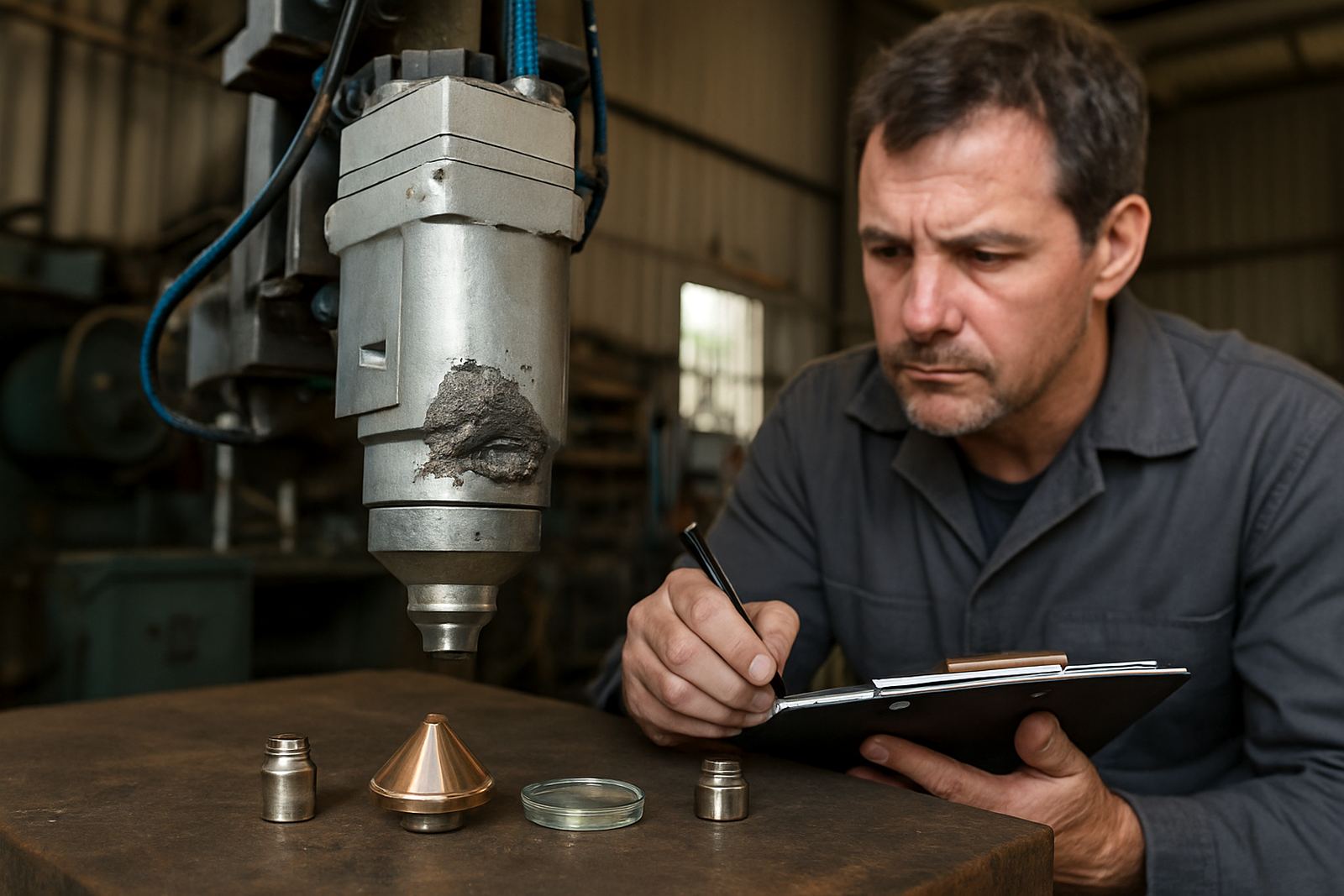
- Strip down and inspection of the head section
- Sensor ring condition check and electrical contact check
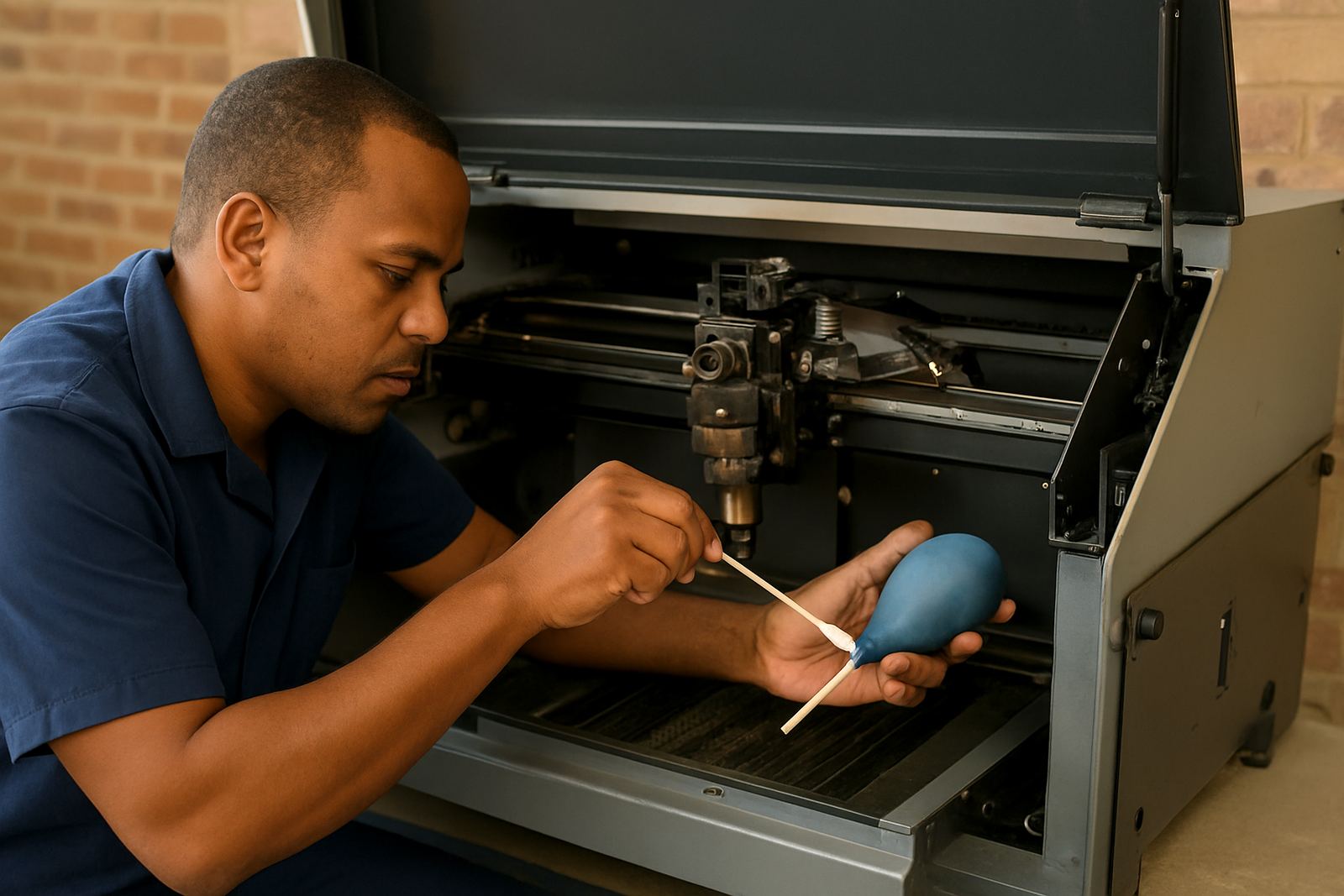
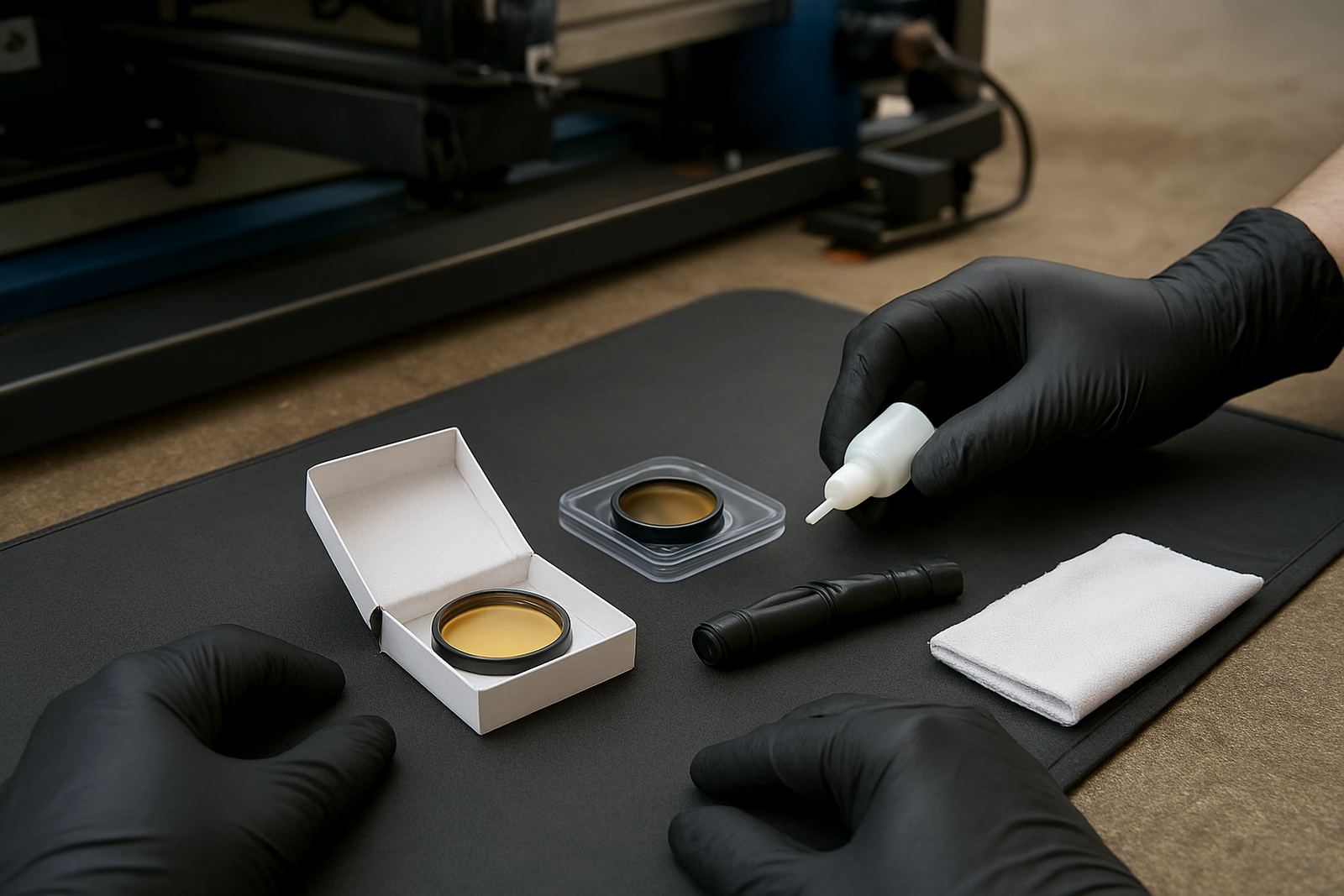
- Cleaning of contact surfaces and mating points
- Replacement where the ring is worn, cracked or heat damaged
- Alignment check after refit
- Bench pressure test and return to service test
How the Repair Process Works
For Boksburg, Johannesburg, Pretoria, Vanderbijlpark, Durban and Cape Town clients, the process starts with a fault description and a clear look at what the machine is doing on the floor. If the head is missing height, misreading stand-off, or giving poor pierce control, we arrange the next step based on urgency and access. Some heads come in for bench work, while others are handled on site when the machine cannot be lifted out quickly.
Once the head is in hand, our technicians carry out a strip and inspection, confirm whether the ring is repairable, and check the surrounding parts for hidden wear. After the repair or replacement, we run test checks and confirm the head is returning sensible readings. If any other issue shows up during the inspection, such as a dirty gas path or a worn ceramic holder, we flag it before the unit goes back on the machine.
- Fault report and collection or on-site booking
- Strip, inspect and confirm the cause of failure
- Repair, replace or clean the sensor ring assembly
- Bench testing and response check
- Return to service and final handover
Turnaround for Urgent Workshop Downtime
Most customers ask the same thing first: how soon can the machine run again. Turnaround depends on the condition of the head, parts availability, and whether the unit needs bench repair or on-site intervention. A straightforward sensor ring replacement with no extra damage can move quickly, while collision damage, contamination or multiple worn parts will add time. We keep the work practical so you are not waiting on unnecessary steps.
For regular users in Gauteng, access to the base in Boksburg helps reduce delay on common repairs. For out of town work, we plan around courier times and site access. Load-shedding and plant shutdown windows are also part of the planning, because a test that misses production hours can waste a whole shift. If your line is running on tight schedule, we will say upfront what can be done now and what needs a follow up visit.
- Simple ring replacement: often same day or next working day, depending on load
- Bench repair with test runs: usually within a short service window once parts are in hand
- Collision related repairs: longer if extra components need attention
- On-site work: scheduled around machine access and production timing
Pricing Based on the Fault, Not a Guess
We price sensor ring work according to the actual condition of the head, the parts needed, and whether the job can be handled on the bench or on site. That means you do not pay for a full rebuild if only the ring needs attention, and you do not get a cheap quick fix if the fault is bigger than it looks. Our approach suits workshops that want straight answers and predictable spend.
Typical cost factors include the type of laser system, the amount of wear, the need for replacement parts, the level of cleaning required, and whether related items such as the nozzle seat or protective window need to be replaced at the same time. If we find extra damage during inspection, we explain it before work continues. That keeps the invoice tied to real labour and parts, not vague estimates that change later.
- Assessment first, then a clear repair plan
- Part replacement only where needed
- Bench and on-site pricing separated by job type
- Quoted work based on the condition of the cutting head
Keeping Sensor Rings in Service Longer
Sensor rings do not fail in isolation. They suffer when the head is bumped, when dust gets into the assembly, or when the machine is run with poor cleaning routines. In South African workshops, especially where steel dust, humidity or long shifts are normal, regular inspection pays for itself. A short check every few months can catch a loose contact or early wear before it turns into a full stoppage.
We normally recommend inspection intervals based on workload, material thickness, and how often the machine sees pierce-heavy cutting. Busy fabricators may need checks at tighter intervals, while lighter signage work can go longer between services. If your site has repeated head strikes or poor height sensing after a nozzle change, it is worth checking the ring before the next batch goes in. Small faults become expensive quickly when a cutter is asked to keep going without attention.
- Inspect after any collision or abnormal pierce behaviour
- Check during routine head cleaning and nozzle changes
- Review more often on high-volume shifts or coastal sites
- Replace before failure if wear is visible or contact is unstable
Key facts
| Service type | Sensor ring repair and replacement for fibre and CO2 laser cutting heads |
|---|---|
| What it affects | Stand-off height, pierce control and cut consistency |
| Work methods | Bench service and on-site support |
| Common faults | Wear, cracking, poor contact, heat damage, collision damage |
| Testing | Bench pressure test and return to service test |
| Coverage | Boksburg, Johannesburg, Pretoria, Vanderbijlpark, Durban, Cape Town and surrounding areas |