What a gas path service covers
A gas path service is a focused clean-up and sealing job inside the cutting head and related gas passages. When assist gas is restricted, you start seeing rough edges, dross, flare-ups, inconsistent pierces and cut quality that changes from sheet to sheet. In many cases the head itself is not badly worn, it just needs the internal passages opened up and sealed again properly.
We service fibre and CO2 laser machines used in job shops, signage plants and metal fabrication yards. Work is done on the bench or on site, depending on the machine layout and how quickly the machine must go back into production. We deal with nozzles, seals, sensor points and the internal channels that carry oxygen, nitrogen or compressed air to the cutting zone.
- Internal cleaning of gas passages and fittings
- Seal inspection and replacement where required
- Leak checks and pressure holding checks
- Flow verification for assist gas delivery
- Head condition check for contamination or wear
Signs the gas path needs attention
Most customers call after they have already changed nozzles, lenses or parameters and the problem still remains. That is often the point where the gas path needs to be checked. A blocked passage, damaged seal or loose fitting can hide inside the head and waste time on every shift.
Watch for poor cut quality on thicker plate, excessive burr, uneven edge colour, repeated pierce failures and higher gas use than normal. If the machine is running longer to finish the same job, the fault may be in the head not the cutting table. We also see this after a crash, after a hurried nozzle change, or after fine dust and oil mist have entered the head over time.
- Cut edges turning rough even with correct settings
- Assist gas pressure dropping at the head
- Frequent nozzle contamination or spatter backflow
- Inconsistent results between identical parts
- Unusual hissing, leakage or pressure drift
Our service process from strip down to test cut
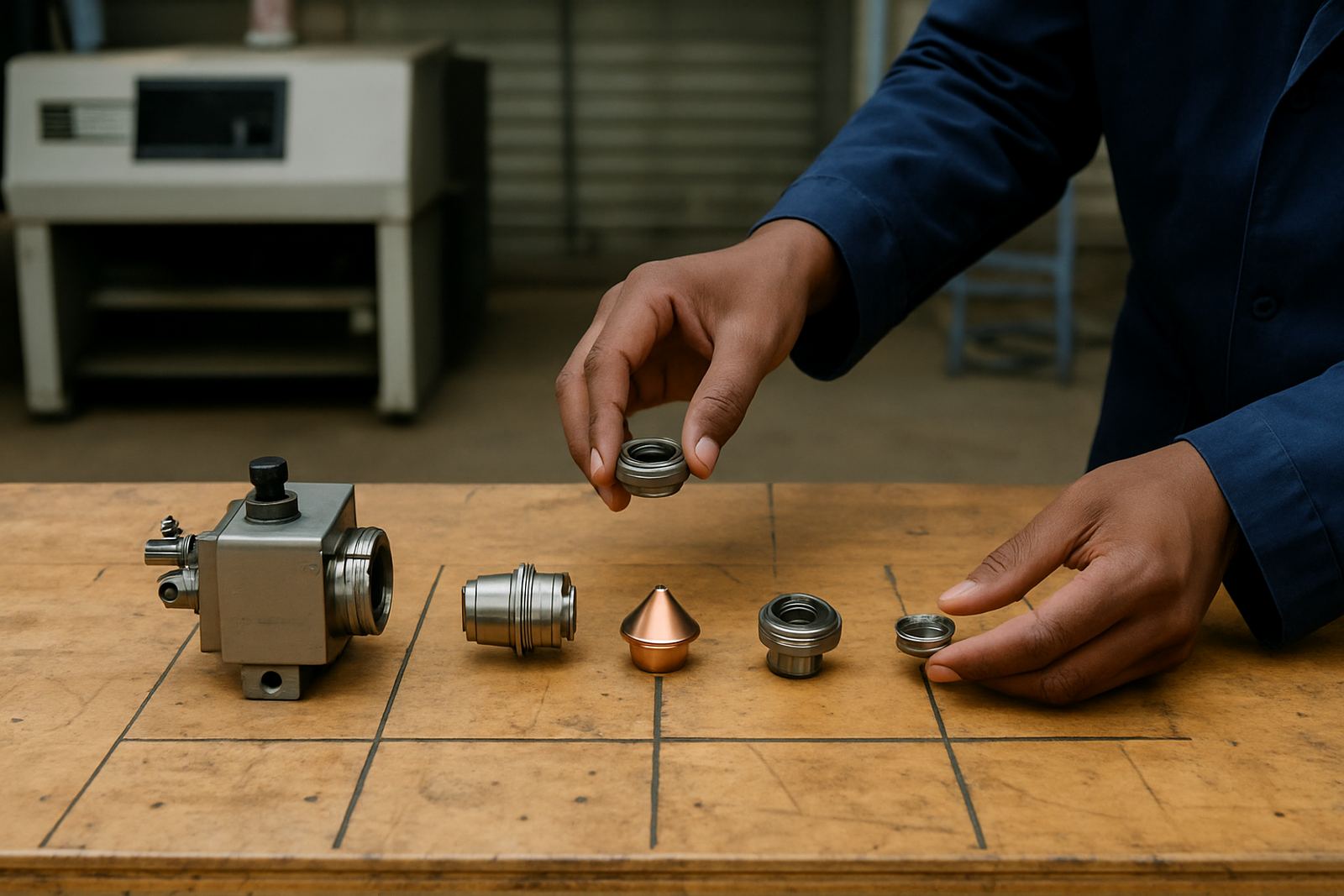
We start with a strip and inspection so we can see where the restriction is coming from. The technician checks the gas passages, seals, ceramic holder area, nozzle seat and any internal contamination. If the head needs parts, we replace only what is required and keep the rest in service when safe to do so.
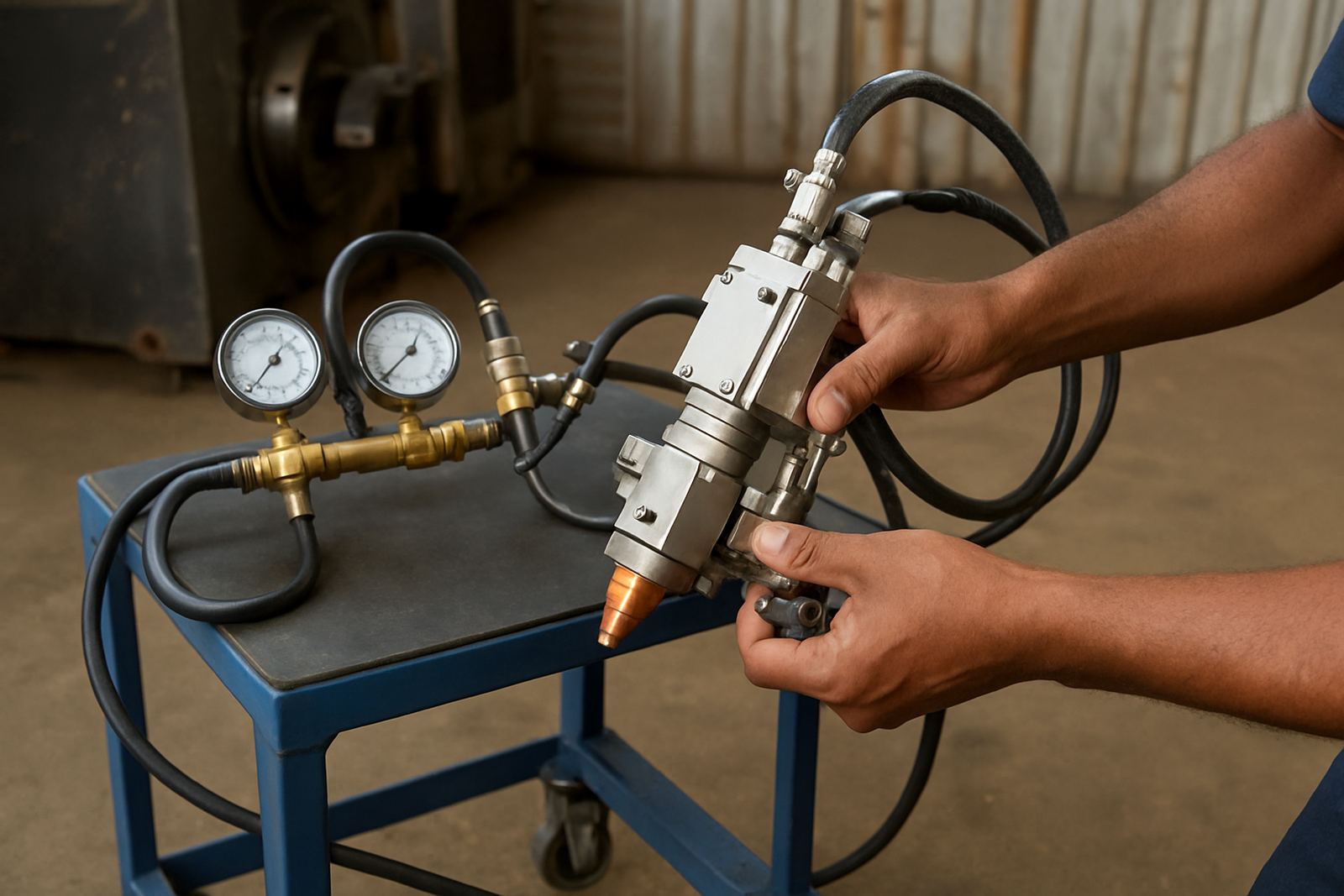
After cleaning, sealing and reassembly, we carry out a pressure check and confirm that gas delivery is stable. Where the machine and job allow it, we finish with a return to service test on material similar to what you normally cut. That gives you a practical result, not just a theory based check.
- Strip and inspect the cutting head and gas route
- Clean internal passages and remove contamination
- Replace worn seals, fittings or damaged consumables
- Reassemble and torque correctly
- Bench pressure test and leak check
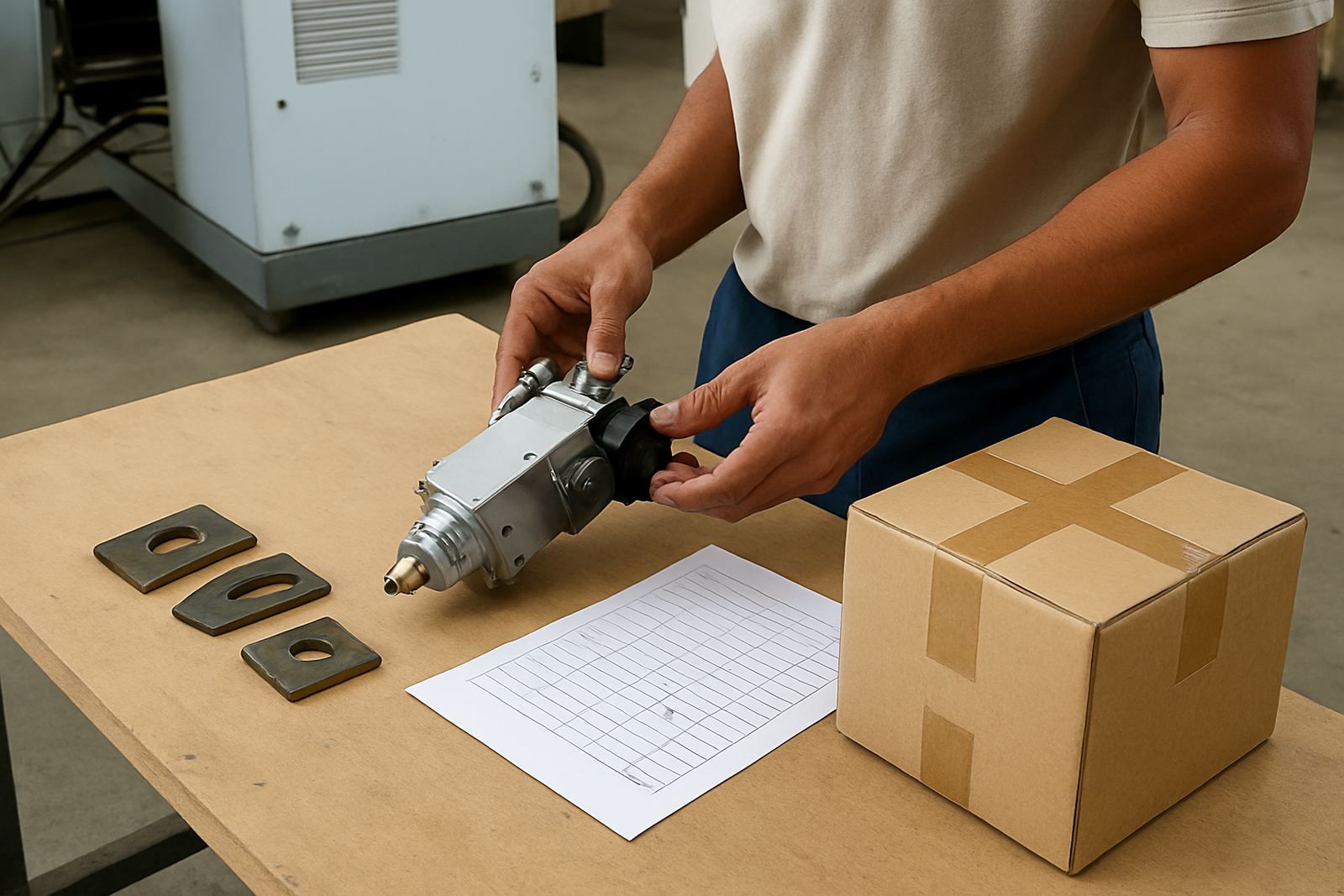
- Return to service test if the machine is on site or in the workshop
Turnaround for workshops under production pressure
We understand that a laser stoppage can affect an entire shift, especially in Ekurhuleni, Johannesburg and the industrial areas around Pretoria and Vanderbijlpark. Turnaround depends on machine access, the condition of the head and whether parts are needed, but the aim is always to get the cutter back in use without dragging the job out.
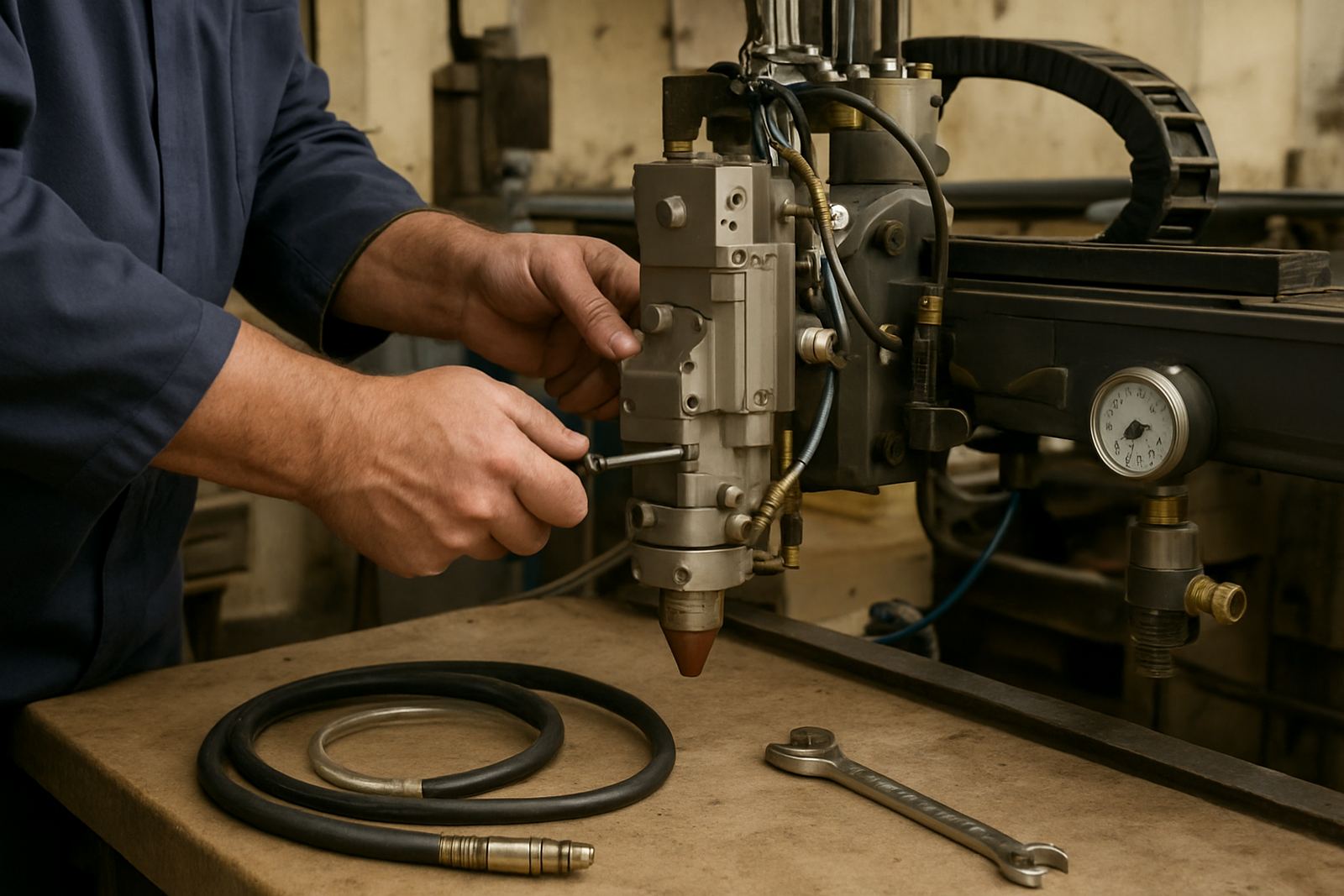
For many gas path jobs, the service is completed the same day or within 24 to 48 hours if the head can be collected or brought in for bench work. On-site work is useful when the machine is difficult to move or when your team needs the line running again before the next load-shedding window. If there is a deeper issue, we will tell you straight away so you can plan the downtime properly.
Pricing approach and what changes the cost
We price gas path service according to the machine type, access to the head, the amount of contamination, and whether seals or other parts must be replaced. A simple clean and reseal is priced differently from a case where the head has taken impact damage or the internal passages are badly worn. We do not pad the job with extras you do not need.
Before work starts, we confirm the likely scope and explain what is included. That gives you a clear line of sight on the cost before the machine is stripped. If replacement parts are required, they are added only after we have checked the old parts and confirmed they are actually the cause. No guesswork, and no unnecessary swapping of good components.
- Inspection and diagnosis before parts are fitted
- Clear scope based on the actual fault
- Parts charged only when required
- Bench or site work quoted according to access and urgency
How often the gas path should be serviced
Maintenance intervals depend on hours run, material type and the environment. A workshop cutting mild steel every day in dusty conditions will need more frequent attention than a lighter user with controlled storage and filtered air. Coastal humidity in Durban or salt-heavy air near the coast can also speed up contamination and corrosion, so those heads need closer monitoring.
As a guide, many customers plan a gas path inspection every 3 to 6 months, or sooner if cut quality starts drifting. If you are running long shifts, changing materials often, or seeing repeated nozzle issues, the interval should be shortened. Regular service is cheaper than repeated downtime, and it helps keep the assist gas doing its job properly.
- High-use workshops: every 3 months
- Moderate use: every 4 to 6 months
- Coastal or dusty sites: more frequent checks recommended
- After a collision: inspect before the next production run
Supporting fibre and CO2 systems across South Africa
Laser Ray Tools is based in Boksburg, Ekurhuleni and supports workshops in Johannesburg, Pretoria, Germiston, Kempton Park, Vanderbijlpark, Durban and Cape Town. We work with fabricators who need a practical repair partner that understands real production pressure and the cost of stopped machines.
Our gas path service is part of a wider laser maintenance offering that includes strip and inspection, collision damage repair, nozzle seat restoration, lens and window replacement, sensor ring service, ceramic holder change, internal cleaning, head alignment checks, bench pressure testing and return to service testing. If the assist gas is not moving cleanly through the head, we will find the issue and sort it properly.
Key facts
| Service type | Gas path service for fibre and CO2 laser cutting heads |
|---|---|
| Work method | Bench repair or on-site service |
| Typical turnaround | Same day to 48 hours, scope dependent |
| Common faults | Restricted flow, leaks, contamination, pressure drift |
| Assist gases | Oxygen, nitrogen and compressed air systems |
| Coverage | Boksburg, Johannesburg, Pretoria, Vanderbijlpark, Durban and Cape Town |
| Maintenance interval | Every 3 to 6 months, or after a head collision |