
What the Vanderbijlpark workshop was seeing on the line
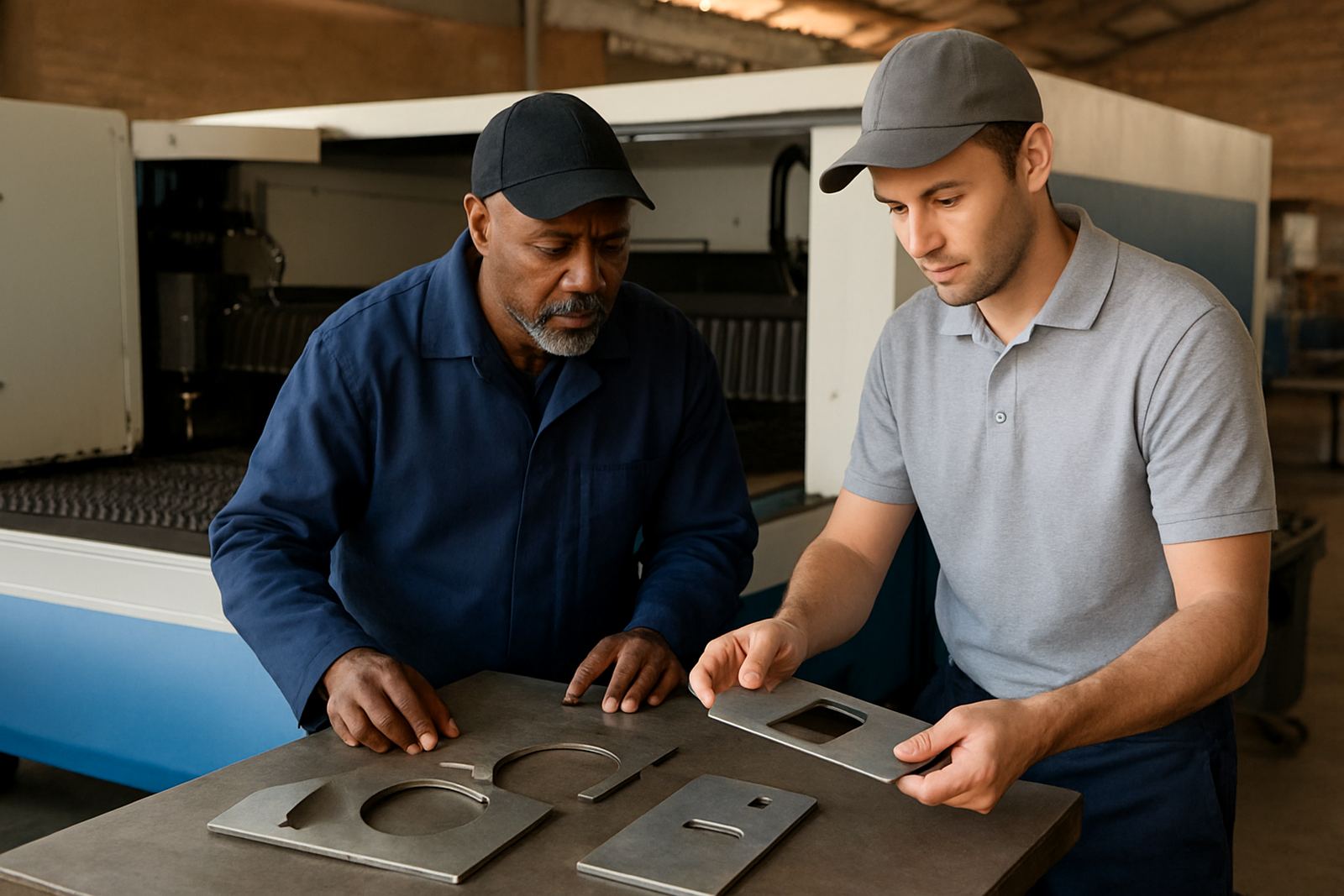
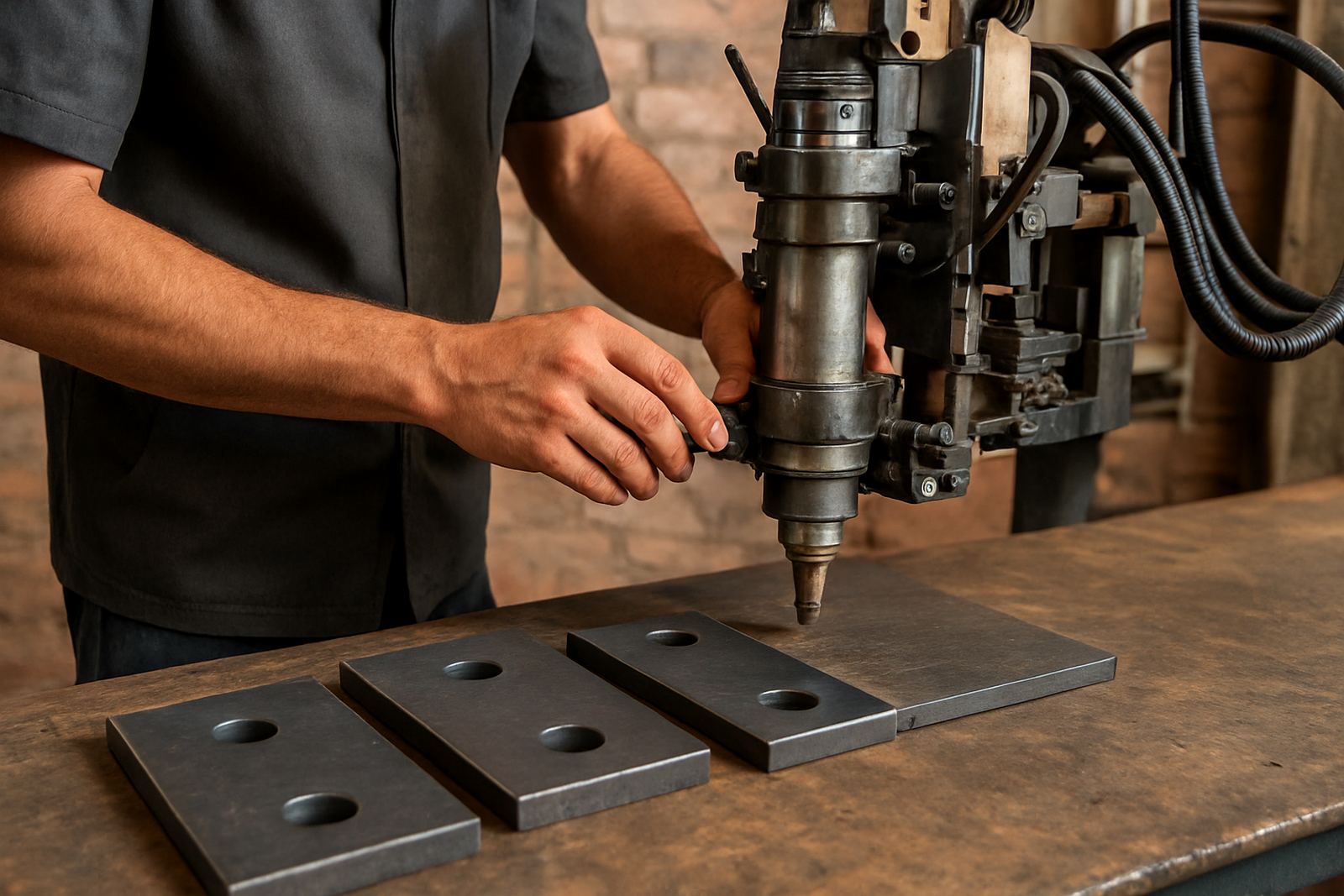
This project came from a busy steel shop in Vanderbijlpark that cuts plate for local fabrication jobs, repair work and production orders. The team was running a fibre laser on a mix of mild steel plate and sheet, with the worst problems showing up on thicker material where pierce quality matters most. The cuts were still going through, but the pierce marks were inconsistent, the entry point was wider than normal and some parts needed extra grinding before they could move to the next step.
The workshop needed a proper diagnosis, not guesswork. They wanted to know whether the issue was coming from worn consumables, a misaligned head, contaminated internal parts or a gas delivery problem. The machine had to stay productive because they were already balancing urgent order changes and shift work, plus the usual pressure from load-shedding and compressed air management on site.
- Town: Vanderbijlpark, Gauteng
- Machine type: fibre laser cutting system with a cutting head fault
- Main issue: poor pierce quality on thicker plate
- Material range: thin sheet through to thicker plate sections
Initial inspection and fault finding on the cutting head
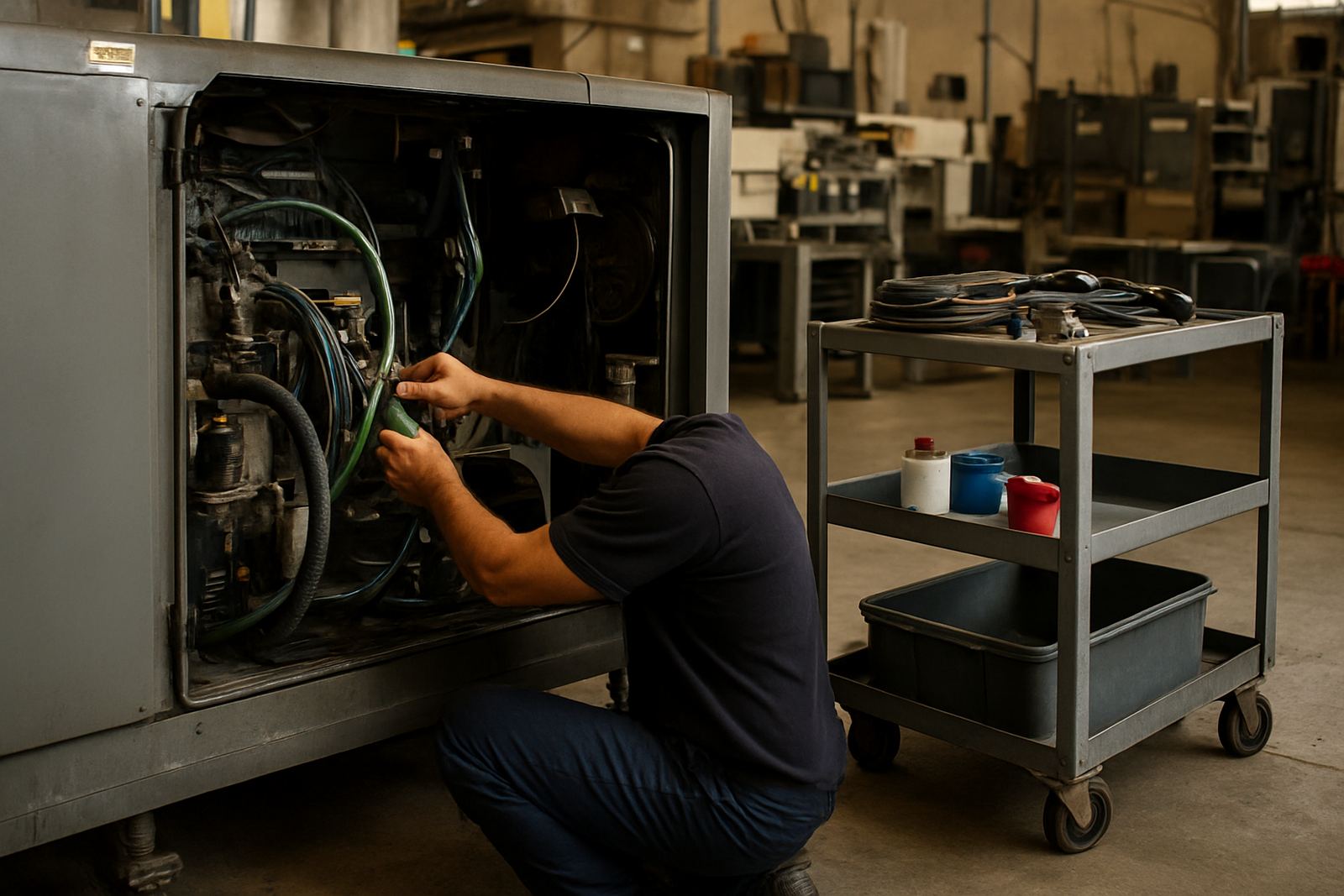
We started with strip and inspection on the cutting head, followed by a bench review of the wear points that usually affect pierce consistency. The head showed signs of internal contamination and wear around the nozzle seat area, while the gas path was not delivering as cleanly as it should. In plain terms, the beam and assist gas were not working together properly, so the machine was fighting itself on the first part of the cut.
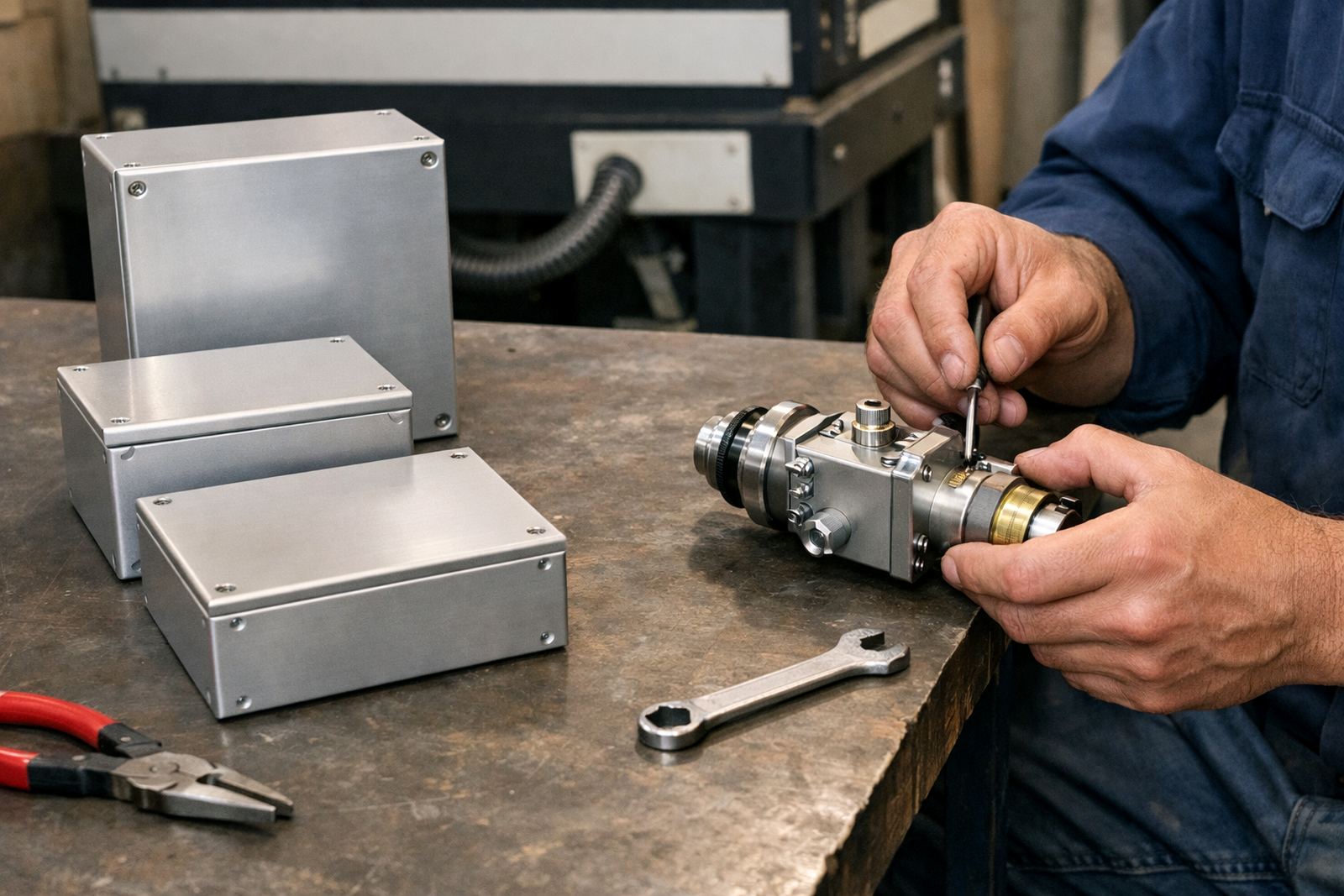
Our technician checked the lens stack, protective window condition, sensor ring function, ceramic holder fitment and alignment points. The nozzle seat was out of spec and the gas path had build-up that was affecting flow. That kind of issue often gets missed if a shop only changes nozzles and keeps running. We also checked for damage that could have come from a minor collision earlier in the job run, because even a small knock can shift the head enough to affect thick plate pierces.
- Strip and inspection completed on the bench
- Protective window and lens condition checked
- Sensor ring and ceramic holder inspected
- Head alignment checked before any reassembly
Repairs carried out to restore cut quality
Once the fault was confirmed, we carried out nozzle seat restoration, internal cleaning and a full gas path service. The nozzle seat was corrected so the nozzle could sit properly again, and the internal passages were cleaned to remove anything that could disturb assist gas flow. We also replaced worn consumables where needed, including the nozzle and the protective window, and completed a lens replacement because the original set showed enough wear to affect consistency under load.
After the physical repair work, we reassembled the head and carried out a bench pressure test to confirm gas delivery and response. The beam path was then checked with a return to service test so the unit could go back into production with confidence. The job was done carefully because on a laser head, one loose fitting or a dirty interface can undo the rest of the work. The workshop needed something that would hold up over a full shift, not just a quick patch.
- Nozzle seat restoration completed
- Gas path cleaned and tested for flow stability
- Lens replacement and window replacement carried out
- Bench pressure test and return to service test completed
Timeline, access and site constraints
The repair was completed over two weeks from first contact to return to production. The first stage was diagnosis and parts confirmation, then we split the work between bench repair and on site support so the shop could keep other machines moving. In Vanderbijlpark, access and timing matter because many shops are running around crane lifts, shift handovers and material movement, so we planned the work to avoid unnecessary stoppages.
We also had to work around the realities of a steel shop environment: dust, vibration and heat. Those conditions are hard on optics and head components, especially when the machine is running long hours. We kept the process practical and direct, and made sure the unit went back with the correct alignment and verified pressure readings. The client did not need a fancy report, they needed a cutter that would pierce cleanly and stay in tolerance through the day.
- Project duration: 2 weeks
- Support method: bench repair plus on site assistance
- Environment: steel fabrication shop with dust and vibration exposure
- Operational focus: minimum downtime and quick return to cutting
Results on thicker plate after the repair
After the repair, pierce quality on thicker plate improved immediately. The entry point became cleaner, the assist gas behaviour was steadier and the head stopped showing the inconsistent performance that had been causing extra finishing work. The shop could put parts through with less rework, which helped them keep jobs moving without slowing the cutter down for repeated checks.
From a production point of view, the biggest win was consistency. On thicker plate, even a small gas path problem or a worn nozzle seat can show up fast, especially when the machine is expected to cut several batches in a row. The repaired head delivered better cut starts and less edge cleanup, which is exactly what the team needed. Their operators could trust the machine again instead of watching every pierce like a hawk.
- Cleaner pierce quality on thicker plate
- Less edge cleanup after cutting
- More stable assist gas delivery
- Improved confidence for the operator team
What we would repeat on the next similar job
If we were called back to the same type of job, we would do the same sequence again: strip and inspect first, confirm the gas path and nozzle seat condition, then replace worn optics before the head goes back into service. That order matters because it prevents a surface fix from hiding a deeper fault. It also keeps the repair cost focused on the real problem rather than spreading money across parts that were still serviceable.
For workshops in Vanderbijlpark, Johannesburg or Pretoria that cut mild steel plate day after day, the best prevention is regular head checks before the fault grows. A small alignment shift or a dirty internal passage can become a full production stoppage if it is left too long. We would also recommend keeping a spare nozzle set, protective windows and a known-good lens on hand for machines that run hard. It saves time when load-shedding or a rush order cuts the day short.
- Start with inspection, not parts replacement
- Check nozzle seat, gas path and optics together
- Keep critical spares ready for fast turnaround
- Book a pressure test after any collision or cut quality drop
Key facts
| Project location | Vanderbijlpark, Gauteng |
|---|---|
| Client type | Steel shop and fabricator |
| Machine type | Fibre laser cutting system |
| Main fault | Poor pierce quality on thicker plate |
| Repair time | 2 weeks |
| Work carried out | Strip and inspection, nozzle seat restoration, gas path service, lens and window replacement, alignment check, bench pressure test |