Vereeniging workshop callout and fault symptom
The client was a busy trailer fabrication workshop in Vereeniging, serving local fitment work, repair jobs and light production on steel components. Their laser machine had gone dead during a normal start-up cycle and would not progress past the cabinet check. In a workshop that runs to deadlines and often works around power interruptions, a machine that will not start can hold up cutting, fitting and welding prep for the whole day.
The brief was direct: find the reason for the no start condition, repair only what was necessary, and get the machine back into service without drawing out the downtime. The client needed a practical repair that matched the pace of a working shop, not a long strip-down that would leave the machine open for days.
- Client type: trailer workshop and fabricator
- Town: Vereeniging, Sedibeng
- Machine state: would not start
- Primary concern: production downtime and repeat fault risk
What we found in the cabinet fault tracing
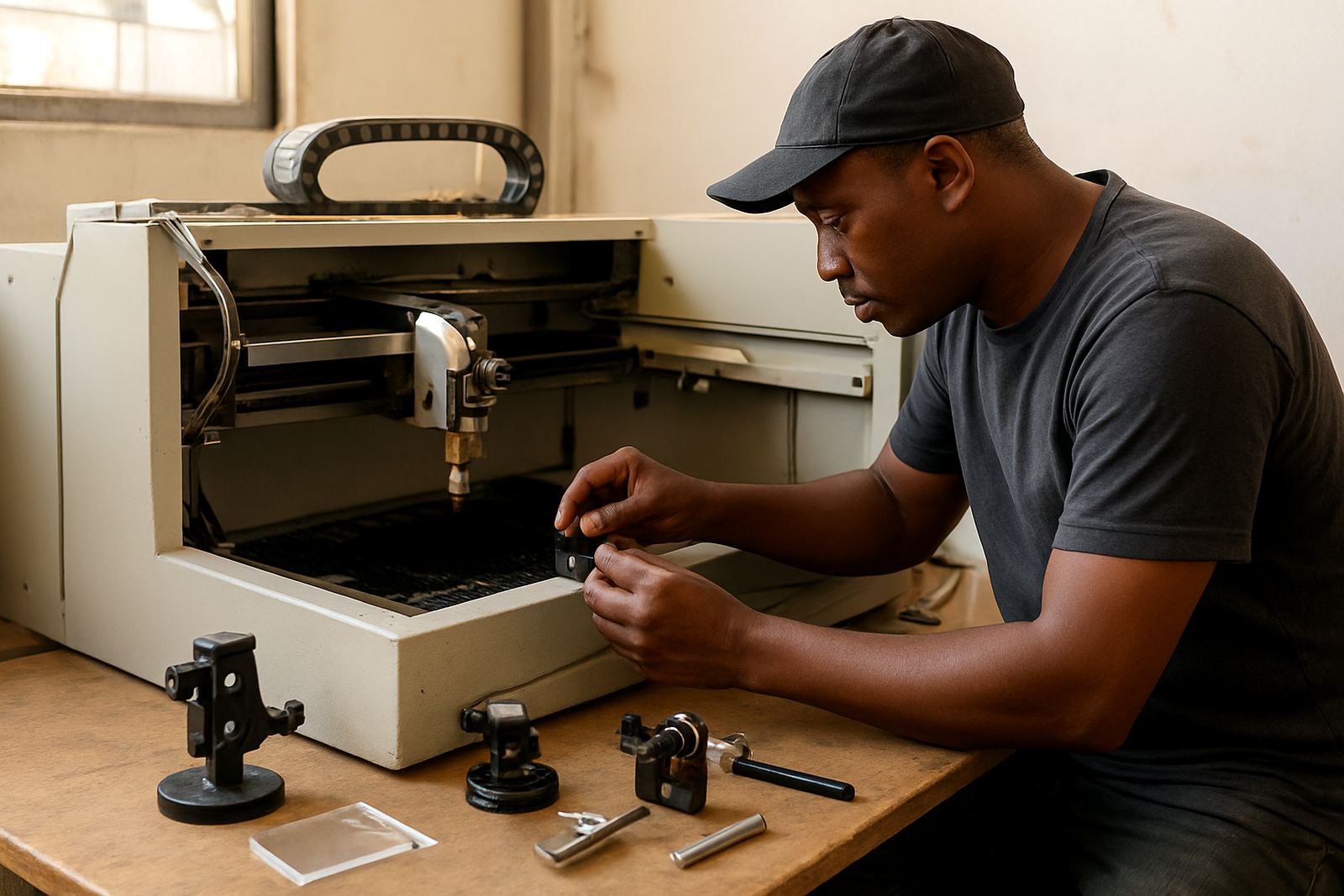
We started with cabinet fault tracing because the symptom pointed to a control-side issue rather than a cutting head problem. The machine showed signs of an electrical interruption in the start sequence, with the cabinet not allowing the system to complete its normal checks. On older or heavily used laser equipment, a no start fault can come from loose terminations, contaminated connectors, damaged sensor lines or a failing component inside the control cabinet.
We carried out a step by step diagnosis and separated the machine into its main sections so the fault could be narrowed down cleanly. That approach matters when a customer wants the real cause, not guesswork. It also helps avoid replacing parts that are still serviceable. In this case the repair was focused on the cabinet side, with checks to confirm that the rest of the machine was still mechanically sound and safe to return.
- Cabinet fault tracing and isolation of the control fault
- Connection checks on key signal and power points
- Review of start sequence logic and fault indicators
- Safety inspection before any restart attempt
Repair work completed on site and on the bench
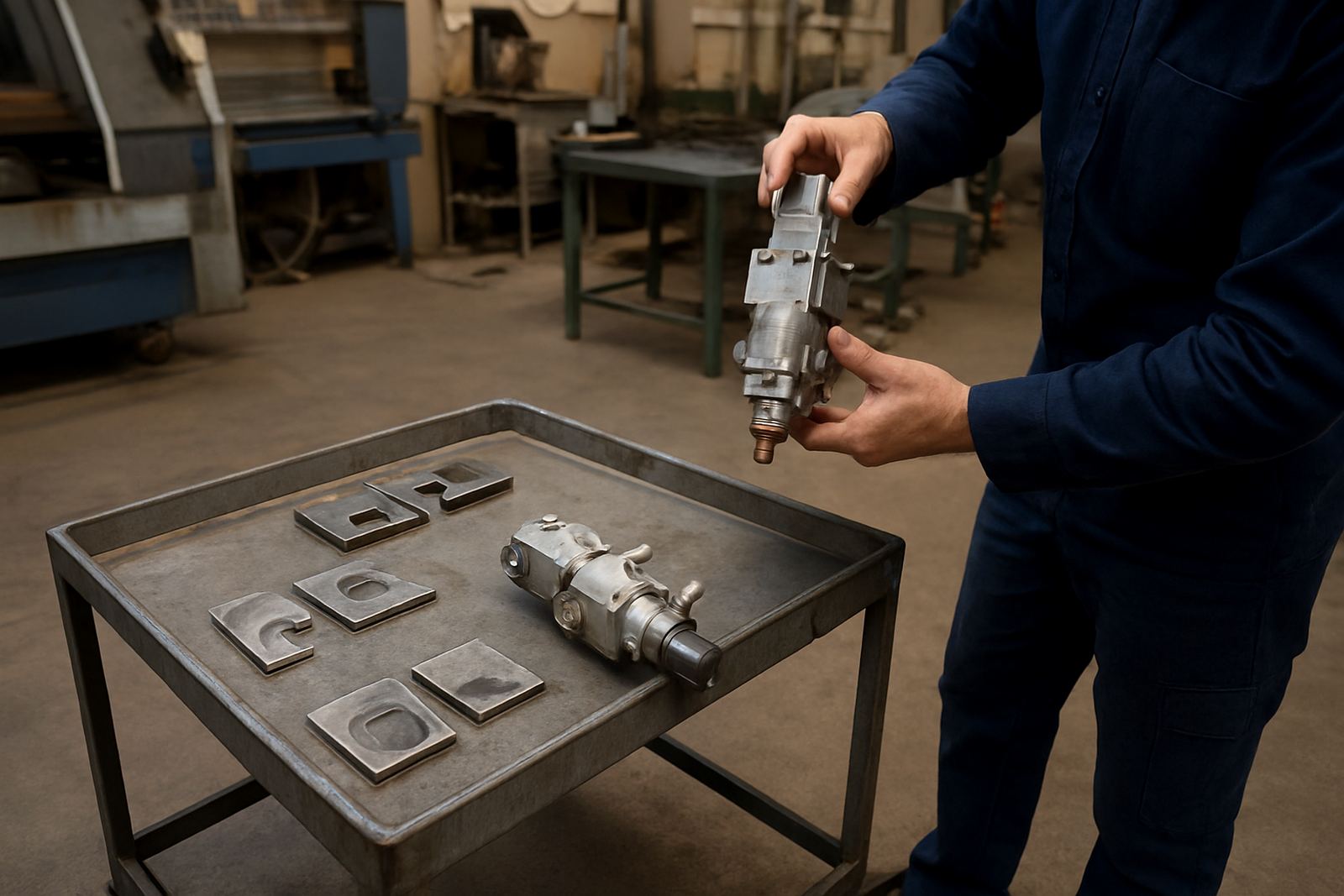
Once the fault had been identified, we completed the repair using a mix of bench work and on site checks. Where a machine has been standing, it is common to find a combination of heat stress, vibration and dust build-up in the cabinet. That is especially true in workshop environments where mild steel cutting, grinding and general fabrication create fine dirt that gets into panels and cable routes. We cleaned the affected areas, corrected the faulty section and confirmed that the start sequence could be completed properly again.
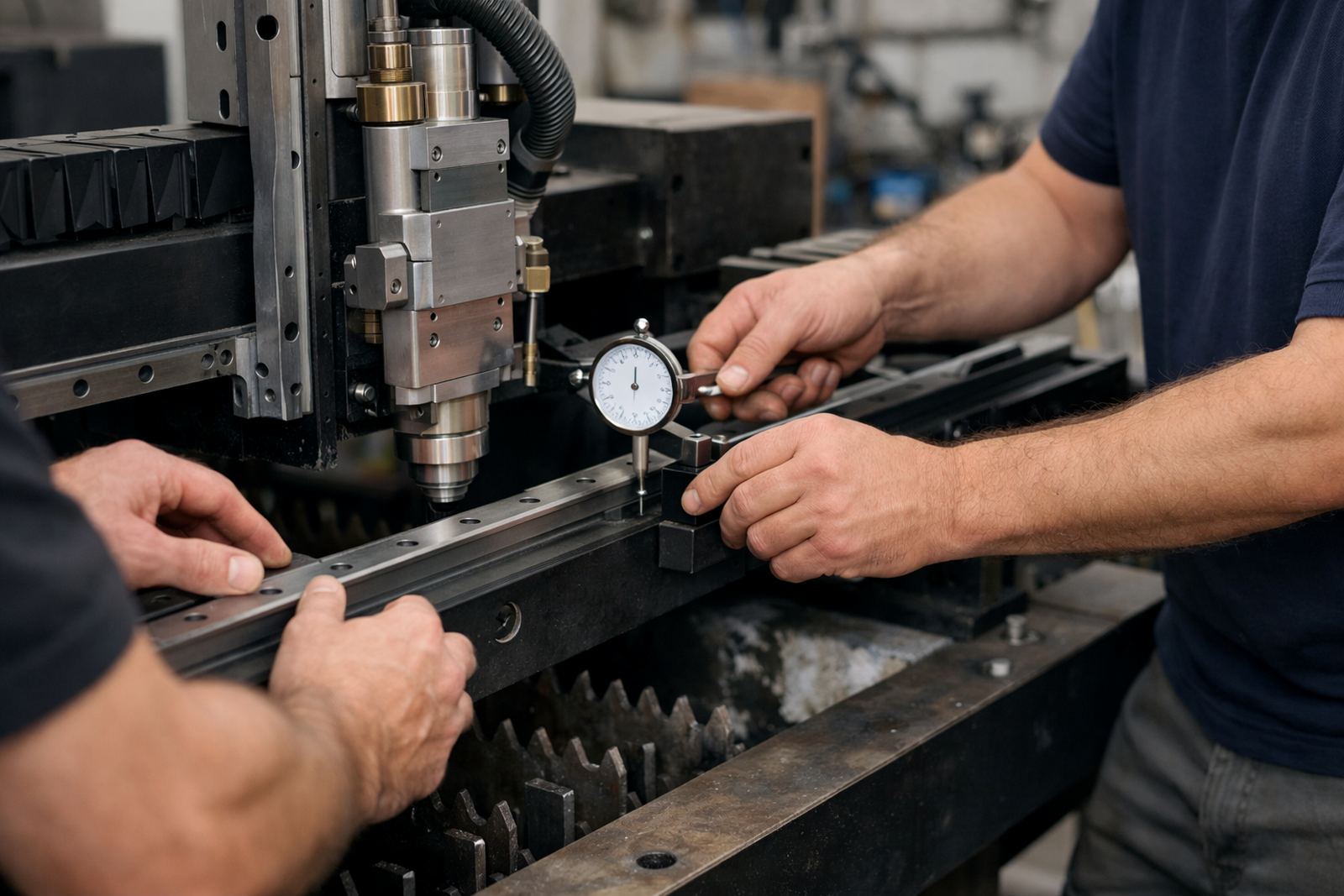
We also inspected the machine for any signs of related wear that could cause another stoppage soon after the repair. In a trailer shop, production often runs in bursts, so the machine has to tolerate repeated starts, stops and normal loading. After the repair, we ran the unit through checks that verified the cabinet response, start-up flow and stable operation under normal conditions. The workshop wanted the machine back quickly, and that is exactly how the job was handled.
- Fault repair to the cabinet side of the machine
- Internal cleaning and contamination removal
- Functional checks after reassembly
- Return-to-service checks before handover
Timeline, constraints and turnaround in weeks
The project was completed over one week from first assessment to return to service. The main constraint was the fact that the machine had to be handled carefully so the fault could be traced properly without creating extra damage or unnecessary replacement work. There was also the normal pressure of keeping a fabrication shop moving while one key machine was down. For Vereeniging workshops, that means keeping the repair practical, keeping the communication clear and avoiding delays in the middle of a production run.
Because the fault was cabinet related, we did not need a full mechanical rebuild. That kept the job focused and shortened the downtime. We were able to test, repair and confirm the machine’s recovery within a tight window, which is often the difference between a manageable interruption and a week of lost output.
- Assessment and fault isolation: 1 visit
- Repair and clean-up: same week
- Return to service testing: completed after repair
- Total timeline: 1 week
Results for the trailer workshop
The machine was returned to service and accepted back into the shop’s normal workflow. The main result was simple: a unit that would not start was made operational again after proper cabinet fault tracing and repair. That meant the client could resume cutting and supporting trailer work without having to delay orders or move jobs off-site. For a workshop that depends on planned labour and material timing, that matters as much as the repair itself.
We also left the client with a clearer picture of how to treat the machine going forward. Keep the cabinet clean, watch for loose fittings after transport or heavy vibration, and report start faults early instead of pushing repeated restarts. In our experience, that habit saves time and protects the same components that were just repaired. The unit is now back in use and the workshop can plan around it again.
- Machine started and returned to service
- Production downtime reduced
- Fault cause identified instead of guessed
- Future fault spotting made easier for the client
What we would do again on a similar job
If we were called back to a similar Vereeniging workshop fault, we would follow the same method. Start with cabinet tracing, isolate the fault before touching major assemblies, then confirm the machine under real working conditions before handover. That approach suits local fabrication shops because it respects time, reduces repeat call-outs and keeps repair costs tied to the actual problem.
We would also recommend the same checks for workshops in Johannesburg, Pretoria, Vanderbijlpark, Durban and Cape Town when a laser machine will not start after a stop, transport move or power issue. Early inspection, careful cleaning and proper fault tracing are usually the quickest way back to production. It is practical work, and that is what keeps a shop moving.
Key facts
| Project | Vereeniging Trailer Workshop |
|---|---|
| Town | Vereeniging, Sedibeng |
| Machine issue | No start condition |
| Repair focus | Cabinet fault tracing and return to service |
| Timeline | 1 week |
| Service mode | On site and bench support |