
What a ball screw service covers
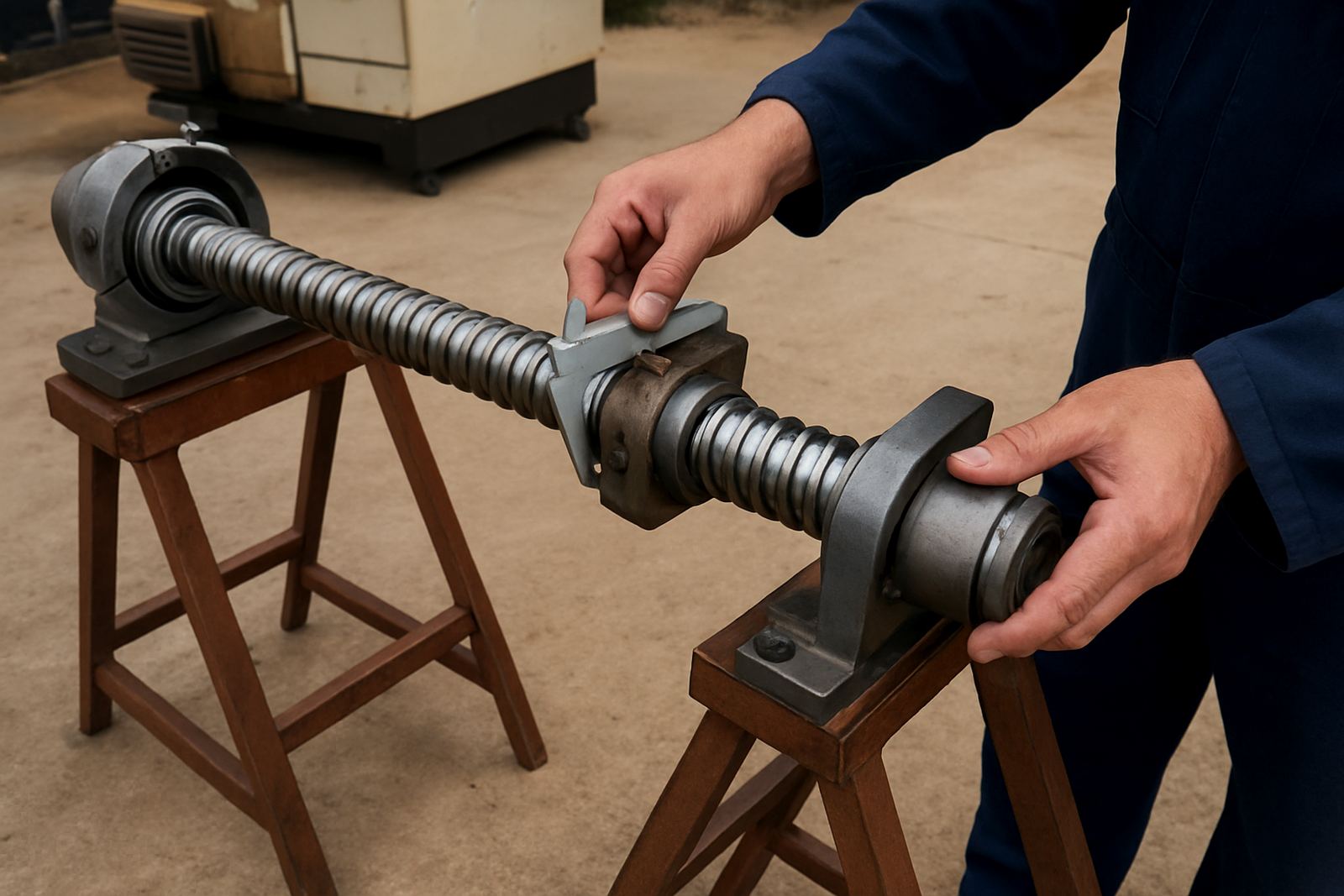
A ball screw turns rotary motion into precise linear movement for an axis, most often on older gantry systems, Z axes and heavy cutting tables. When the screw, nut or support bearings pick up dirt, dry out, or wear unevenly, the machine starts to miss position, chatter, or leave a poor edge because the head is no longer moving as it should.
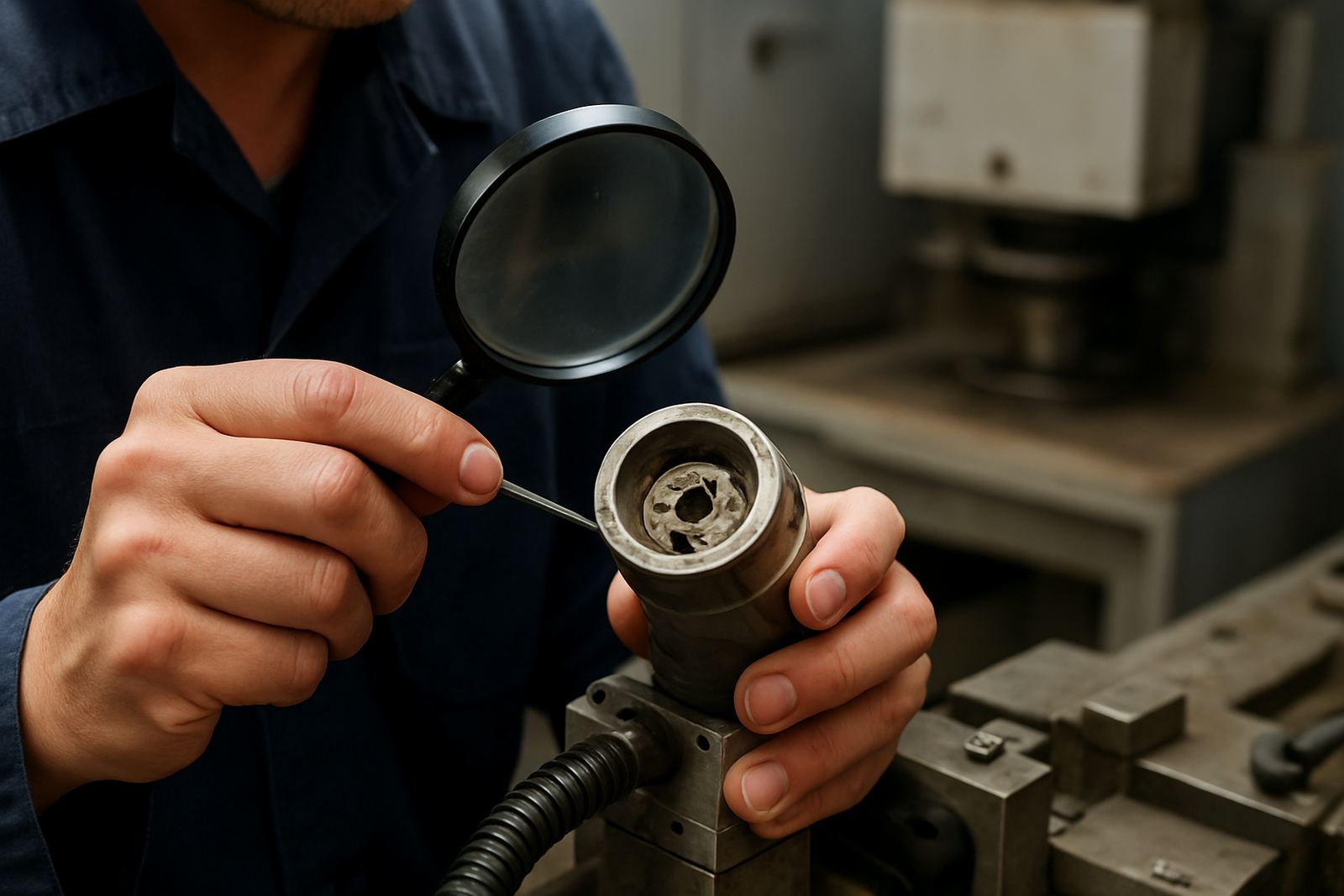
Our ball screw service is aimed at the practical faults that affect cutting work in South African workshops. We inspect the screw, nut, end supports, coupling, mounting points and contamination sources, then decide whether the assembly can be cleaned, adjusted, refurbished or needs replacement parts. Where possible we repair rather than replace, which helps keep the machine back in service without waiting on a full rebuild.
- Backlash checking and movement assessment
- Contamination removal and re-greasing
- End bearing and support inspection
- Coupling and mount condition check
- Axis travel test after service
Sizes, travel lengths and common machine setups
Ball screws are fitted in different diameters, pitches and lengths, depending on the machine frame and the axis load. We see small machine axes on lighter cutters, and longer, heavier assemblies on larger fabrication tables. The correct part is not just about length, it also has to match the pitch, end machining and bearing arrangement so the axis tracks properly under load.
For service work we handle a range of common motion setups used in workshops around Boksburg, Johannesburg, Pretoria, Vanderbijlpark, Durban and Cape Town. Older systems often need a careful check because someone may have swapped a screw, altered a bracket, or fitted a bearing block that is close but not quite right. That usually shows up as noise, tight spots, or step loss when the machine runs fast.
- Small and medium axis screws for compact cutting machines
- Long travel screws for large format table machines
- Single axis repair and matched axis sets
- Metric pitch assemblies used on industrial motion systems
- Replacement of worn nuts, bearings and couplings where required
Where this service suits best
This service suits job shops and metal fabricators that depend on repeatable axis movement for daily cutting work. If the machine is still mechanically sound but the axis feels rough, noisy or inconsistent, a ball screw service can often bring the motion back into tolerances without a full machine change. It is especially useful on older equipment that still has good structure and electronics, but needs attention on the moving parts.
It also suits workshops dealing with dust, mild steel swarf and humidity, especially on the coast where contamination builds up faster than many owners expect. In inland plants, the issue is often dry wear and poor lubrication, while on coastal sites we see moisture, surface corrosion and thickened grease. If load-shedding has caused interrupted running or poor maintenance routines, the axis can be left in a worse state than before.
- Older fibre laser machines with worn motion assemblies
- CO2 systems with heavy or intermittent axis travel
- Signs of backlash, binding or uneven movement
- Machines cutting out of square because the head is not tracking properly
- Sites where dust, moisture or poor lubrication are common
Installation, power and site conditions
Ball screw service does not usually need special power or gas supply on its own, but the machine it supports does need the right conditions for proper operation. During bench work we check the axis assembly separately, then confirm that the drive motor, coupler and end supports are aligned before the machine goes back into production. On site, we work around the machine's normal isolation procedures and make sure the axis can be tested safely before handover.
For installations and repairs, the important part is the surrounding condition. The table should be level, the rail surfaces clean, and the bellows or covers intact where fitted. If the machine is near grinding dust, compressed air lines, or coolant mist, those conditions must be controlled or the same problem returns quickly. Where a workshop has unstable power, we also check that repeated stop-start cycles have not added strain to the drive system.
- Needs a clean, level machine base for accurate alignment
- No special gas supply required for the service itself
- Requires proper lockout and safe access for removal or testing
- Works best where dust and moisture are controlled
- Best checked after any crash, jam or repeated axis fault
Care, lubrication and servicing intervals
A ball screw lasts longer when it is kept clean, correctly lubricated and protected from chip build-up. Many faults start small, with a slight noise or a bit of play, then develop into poor cuts because the axis is no longer moving smoothly. We recommend checking the screw condition during planned machine maintenance rather than waiting for a serious loss of accuracy.
After service, operators should keep the covers in place, wipe down exposed areas, and avoid blasting the assembly with air that pushes dust into the nut. If the machine is on a hot shop floor or in a coastal area, the lubrication interval may need to be shorter. Once wear has started, the nut can also start to carry grit and that accelerates damage to the screw surface. Catch it early and the repair is usually simpler.
- Inspect for play, rough spots and unusual noise monthly
- Keep swarf and abrasive dust away from exposed threads
- Use the correct grease or lubricant for the machine type
- Check covers, seals and wipers after every major service
- Do not ignore a new vibration or a change in axis sound
What to check when ordering ball screw service
When you send through an enquiry, include the machine make and model if available, the axis involved, and the symptoms you are seeing. A short video of the movement fault helps a lot, especially if the issue only appears under load or at a certain speed. If the machine has already had a collision, mention which side of the gantry or which axis took the hit.
The more exact the details, the faster we can plan the repair, identify whether the screw is salvageable and confirm any parts that may be needed. On older machines, previous repairs sometimes change the bracket sizes or motor fitment, so a quick photo of the complete axis, end bearings and coupler area is useful. That saves time in the workshop and helps keep downtime short.
- Machine type, axis and approximate age
- Symptoms such as backlash, noise, binding or lost position
- Photos of the full axis, mounts and coupler area
- Any crash history, contamination or lubrication issues
- Whether you need bench repair or on-site support
Key facts
| Service type | Ball screw wear, backlash and contamination service |
|---|---|
| Typical fault signs | Lost accuracy, rough travel, noise, tight spots and repeat position errors |
| Common machine fitment | Older fibre and CO2 laser motion assemblies |
| Work options | Bench assessment, on-site inspection, repair and return to service testing |
| Support areas | Boksburg, Johannesburg, Pretoria, Vanderbijlpark, Durban, Cape Town and nearby industrial areas |
| What can be serviced | Screw, nut, end supports, couplings, mounts, alignment and lubrication condition |