What Nozzle Thread Repair Actually Fixes
Nozzle thread repair is used when the threaded section or seating face inside a laser cutting head has been damaged by overtightening, a collision, dirty gas, or repeated nozzle changes. Once the thread is worn or the seat is nicked, the nozzle can sit crooked or loose, which leads to gas leakage, poor jet focus and uneven cutting on mild steel, stainless or aluminium.
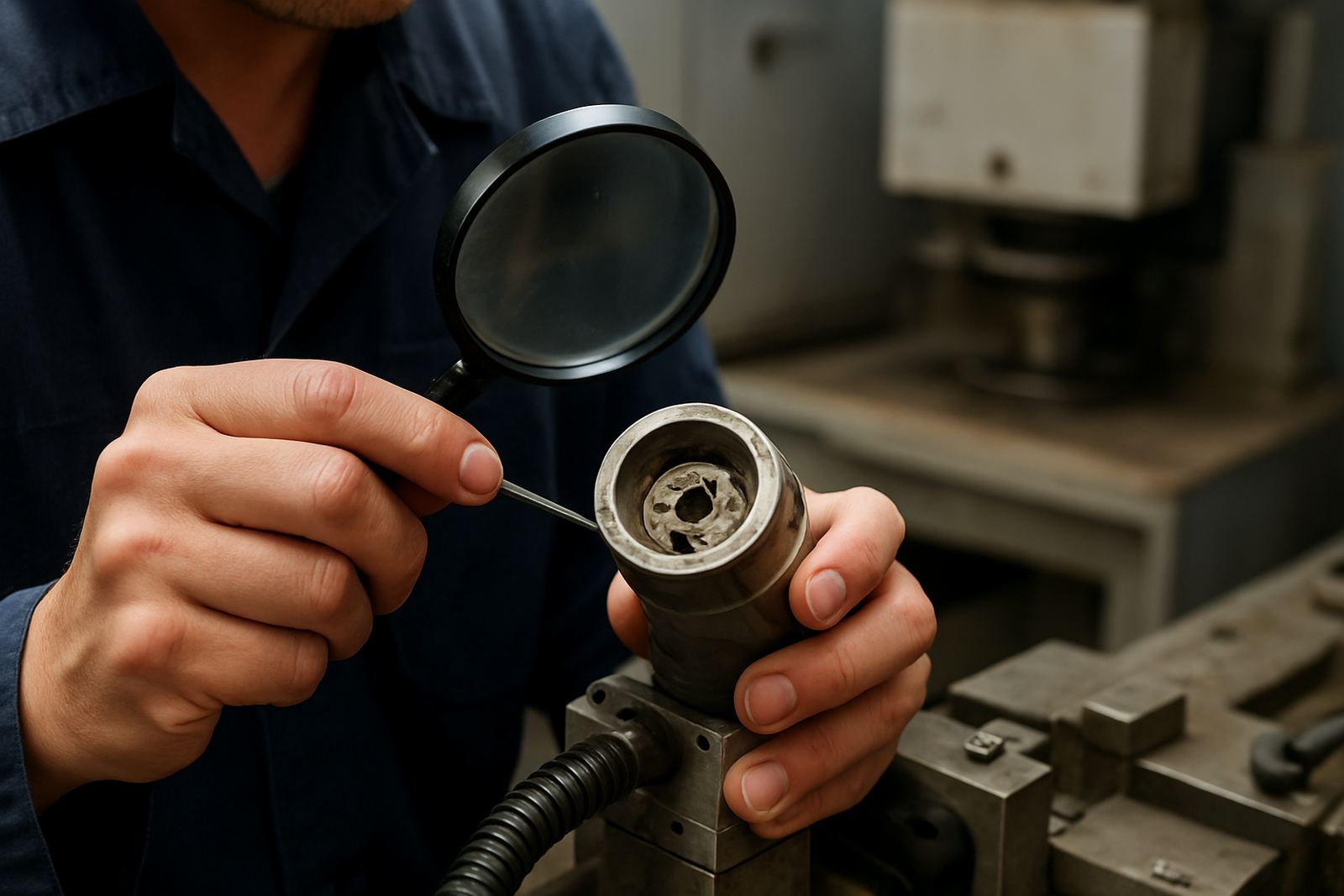
Our repair work focuses on the part that matters most at the cutting point. We inspect the nozzle seat, thread condition and surrounding copper or brass body, then restore the area so the nozzle can clamp up properly again. That helps keep the gas stream straight and the cut edge more consistent, especially on thin material where even a small fault shows up fast.
- Damaged internal nozzle threads
- Worn or scored nozzle seating faces
- Minor collision damage around the nozzle pocket
- Loose fit that causes gas escape or chatter
Sizes, Head Types and Repair Options
We handle nozzle thread repair on common fibre and CO2 laser heads used in South African workshops, signage plants and job shops. The exact repair method depends on the head design, the amount of damage, and whether the body still has enough material to hold a reliable thread after machining or insert work.
Where possible we repair the original component rather than replacing the full head. That keeps downtime down and can save a fair bit on parts, especially when the rest of the cutting head is still in good condition. If the damage is too deep, we will tell you straight and advise on the next practical step.
- Standard metric nozzle thread repairs
- Fine thread and precision seat restoration
- Single head repair or batch repair for multiple machines
- Repair with matching nozzle fit-up checks
Where It Suits Best On The Shop Floor
This service suits sites that run daily shifts and cannot afford a head fault dragging production behind. It is a good fit for laser cutting rooms in Boksburg, Johannesburg, Pretoria, Germiston, Kempton Park, Vanderbijlpark, Durban and Cape Town, plus outlying towns where machine uptime is tight and parts lead times can be awkward.
It is especially useful for fabricators that see frequent nozzle changes, hard shifts, or material mix changes through the day. If your operators are replacing nozzles often, or if a head has already had a minor crash, the thread area can wear faster than expected. Once that happens the cut starts to drift and the gas pressure may not hold steady.
- Job shops running mixed material orders
- Metal fabricators with high nozzle change frequency
- Signage plants cutting thin sheet and detail work
- Plants where load-shedding starts and stops put extra strain on equipment
Installation, Bench Work and Power Or Gas Requirements
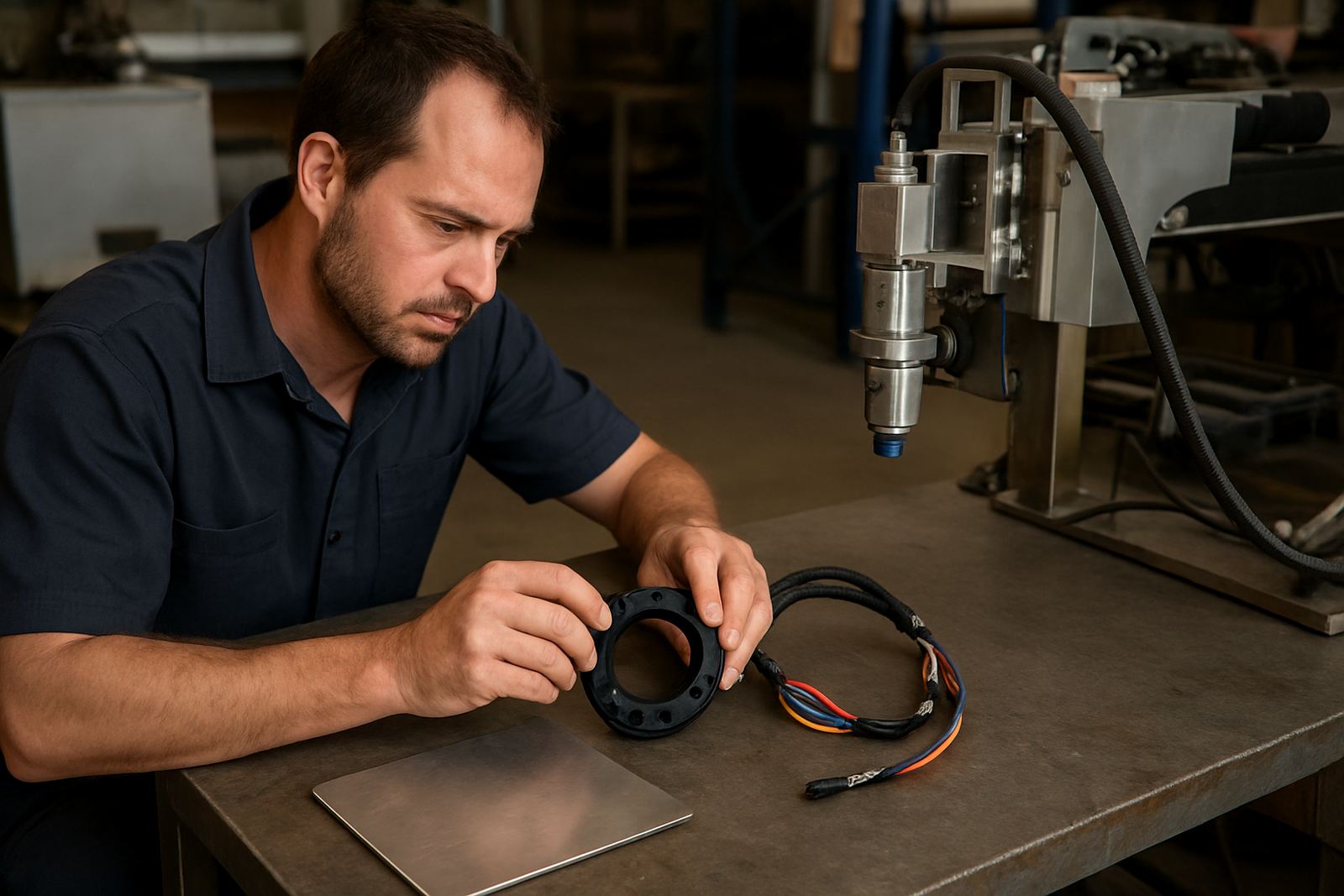
Nozzle thread repair is normally carried out on the bench at our Boksburg base, with on-site support available where the machine and setup allow it. Bench work is better when the head needs careful strip down, measurement, cleaning and reassembly. On-site attendance is more suited to checking the fault, removing the head if needed and getting the machine back into service without a long wait.
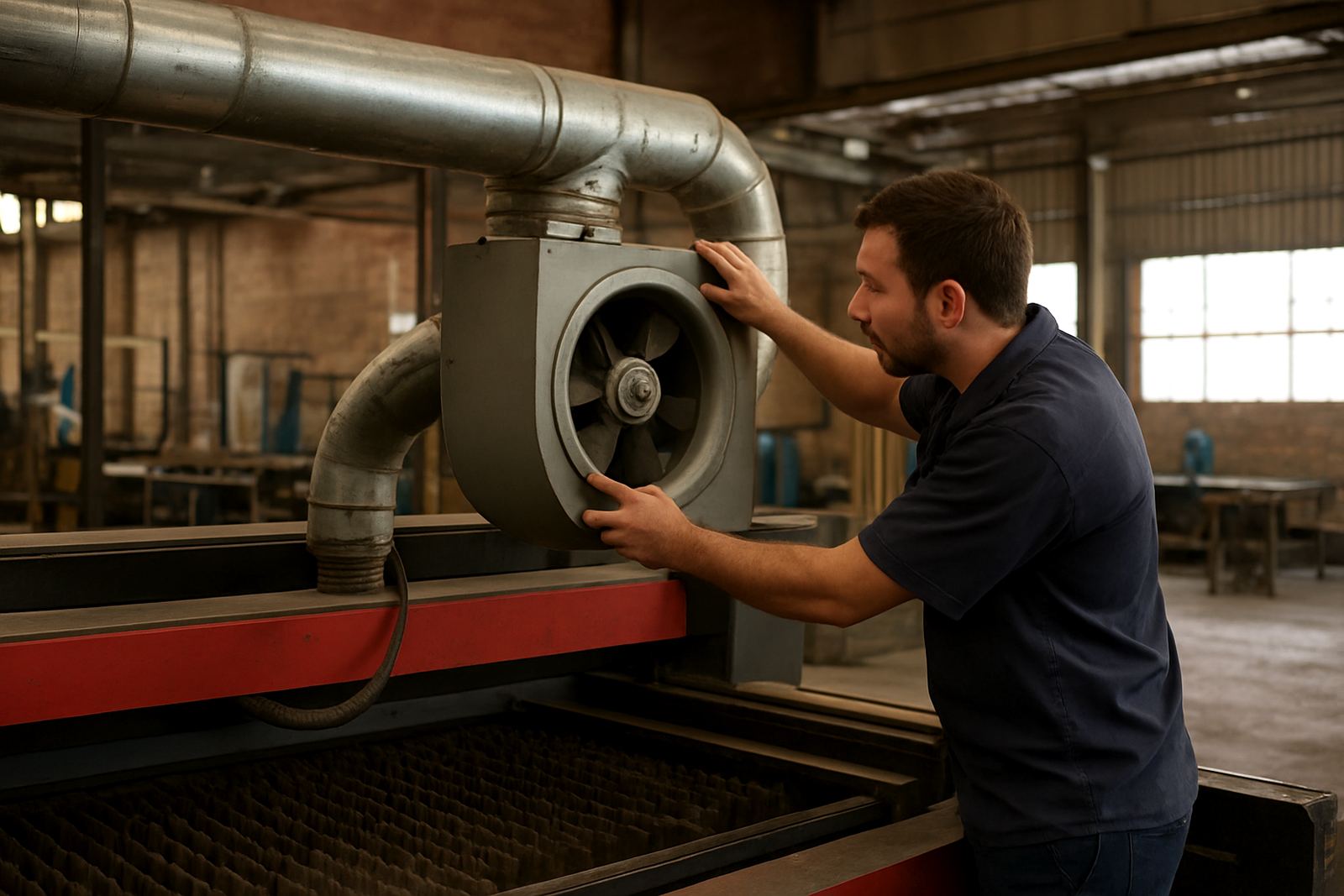
The repair itself does not need a special power supply once the head is removed, but the full laser system still has to be isolated correctly before any work starts. We also check assist gas pressure, cleanliness and delivery stability because thread faults often show up alongside gas problems. If pressure is unstable, the repaired nozzle will not perform properly even if the thread itself is perfect.
For most heads, clean compressed gas lines and dry air are important. Moisture, oil and dirt can shorten the life of the seat and thread, especially in humid coastal conditions around Durban and Cape Town.
Care, Servicing and What To Watch After Repair
After repair, the nozzle should be fitted hand-tight first and then seated to the correct torque if the head design allows it. Over-tightening is one of the fastest ways to damage the new thread or the seating face again. Operators should keep nozzles clean, avoid forcing cross-threaded parts, and stop the machine if the cut starts throwing excessive dross or the pierce becomes erratic.
We also recommend regular head checks as part of planned servicing. Small issues like a loose nozzle, dirty seat or worn ceramic holder can cause the head to run off-centre and the thread repair will only last well if the rest of the assembly stays in good condition. That is why we look at the full cutting head, not only the thread itself.
- Inspect nozzle fit during every shift change on busy lines
- Keep the seat free of swarf, dust and spatter
- Replace worn protective windows before they overheat
- Check alignment after any collision or hard stop
What To Check When Ordering A Repair
When you send in a cutting head or ask for an on-site assessment, we need the head model details, the machine type, and a short description of what happened. If you have a photo of the damaged seat or thread, that helps us judge whether the part can be repaired or if the damage is too severe. If there has been a collision, let us know whether the nozzle was bent, stripped or jammed in place.
Please also confirm the material you are cutting most often, your assist gas type and whether the fault is affecting all jobs or only certain thicknesses. Those details help us match the repair to the way your workshop actually runs. In some cases the head may be repairable but other worn parts need attention as well, so it saves time to quote the full fault list upfront.
- Laser type: fibre or CO2
- Cutting head model and nozzle thread size
- Nature of damage: wear, crash or stripped thread
- Current gas type and cutting thickness range
Bench Checks Before We Release The Head
Before a repaired head goes back into service, we carry out inspection and fit checks so the nozzle seats properly and the gas path holds as expected. Where needed, we test for leakage, verify alignment and confirm that the thread engages smoothly without binding. If the head has suffered more than just thread wear, we will pick up related faults during strip and inspection rather than sending it back half sorted.
That final check matters because a repaired thread that still leaks even a little can waste gas, damage the cut edge and make the machine harder to run. Our aim is simple: put the head back in a condition that lets your operators get on with the work and keep the line moving.
Key facts
| Service type | Nozzle thread and seat repair for laser cutting heads |
|---|---|
| Machine compatibility | Fibre and CO2 laser cutting systems |
| Repair scope | Thread restoration, seating face correction and fit checks |
| Work location | Bench repair in Boksburg or on-site where suitable |
| Typical result | Reduced gas leakage and steadier cutting performance |
| Coverage area | South Africa-wide, including Johannesburg, Pretoria, Durban, Cape Town and Vanderbijlpark |