What linear guide repair covers on a laser cutter
Linear guides carry the cutting bridge or gantry in a straight line, so if they are dry, scored, misaligned, or packed with dust the machine starts to chatter, bind, or leave marks in the cut. On laser machines this shows up as rough motion, odd kerf width, poor cornering, and extra wear on the cutting head. Our linear guide repair service focuses on cleaning, inspection, replacement and alignment so the travel returns to smooth and even.
We work on fibre and CO2 laser machines used by sign shops, sheet metal fabricators, motor body repairers and general job shops. In many cases the problem is not only one worn bearing block. A bent rail, contaminated carriage, loose mounting or shock damage after a collision can all create the same symptoms. We check the full travel path, not just the obvious noisy spot, so the fix lasts longer.
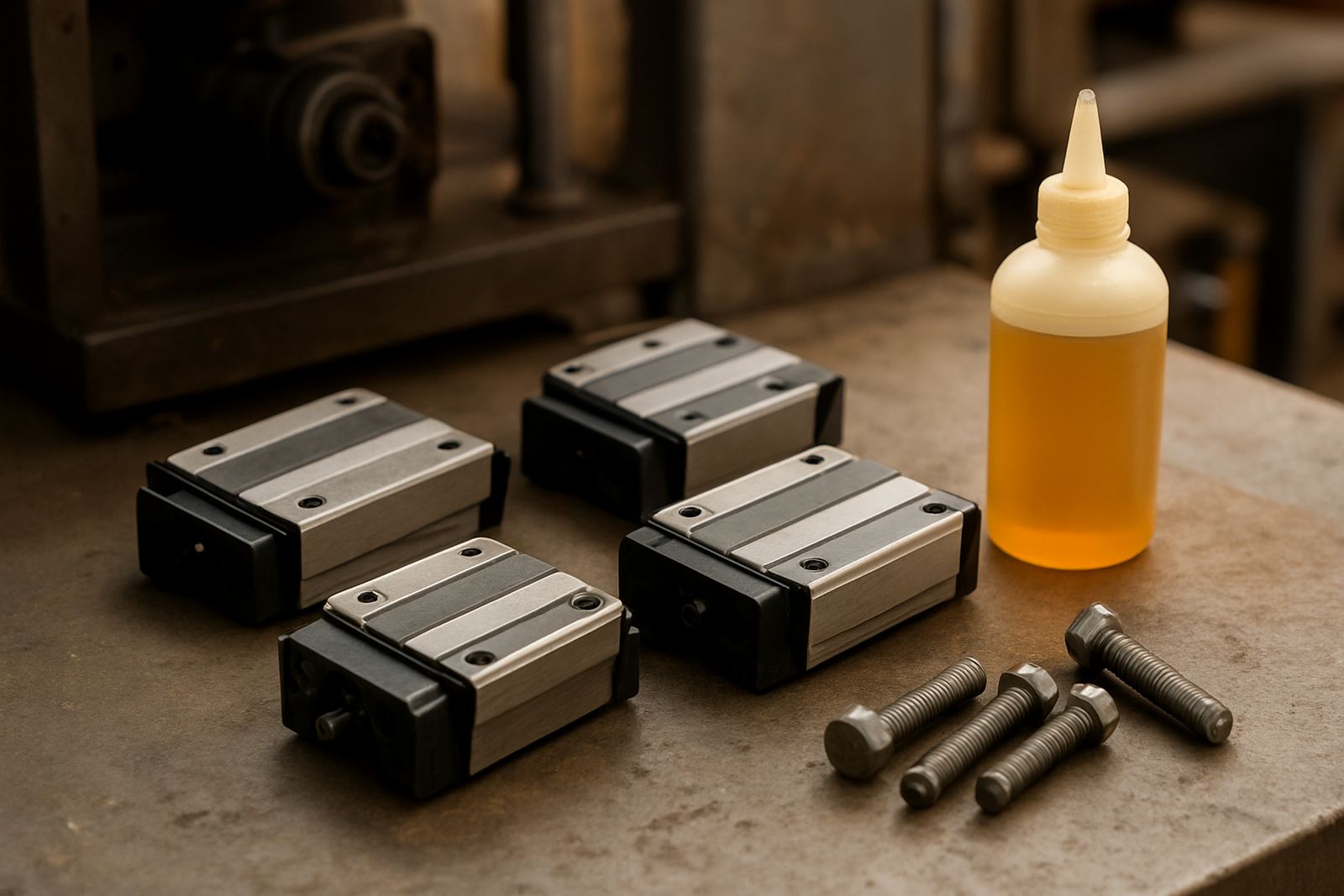
Typical repair work includes rail cleaning, bearing block replacement, rail replacement, alignment checks, fastener inspection and return to service testing. If the machine has been running with extra drag for some time, we also look for secondary damage on the head mounts and cable support path, because one issue often leads to another if it is ignored.
Sizes, rail types and machine layouts we handle
Laser machine guide systems come in a few common sizes and rail styles, depending on the table size and the weight carried by the moving axis. We repair compact systems used on smaller workshop cutters as well as longer rails fitted to larger format industrial machines. Whether the machine is running a single bridge axis or a heavier gantry setup, the repair approach is based on measured wear and actual travel condition.
We commonly see issues on short travel machines in signage plants as well as long-bed cutters used for plate work. The main difference is the load and the length of the rail, which changes how precise the alignment must be. On bigger machines, a small error over several metres can turn into a noticeable bind at one end of the bed and a loose feel at the other.
- Compact rail assemblies for smaller sheet cutters and workshop machines
- Mid-size rails for mixed production, often around 1.5 m to 3 m travel lengths
- Large format rails for long-bed cutting machines and plate handling systems
- Single-axis and dual-rail gantry layouts
- High-load systems with heavier cutting bridges and tighter alignment tolerance
If you are unsure of the exact rail size, send the machine model details and clear photos of the rail ends, carriage blocks and mounting points. That usually gives enough information to confirm the likely parts and repair method before the unit comes in.
Where this repair suits best in South African workshops
Linear guide repair suits any workshop that needs clean repeatable motion and cannot afford downtime. It is especially useful where the machine runs every day, or where dust, scale, oil mist and vibration build up faster than expected. In places like Johannesburg, Pretoria, Vanderbijlpark, Durban and Cape Town, we also see the effects of local conditions such as coastal humidity, fine dust and power interruptions that can leave machines sitting mid-cycle.
This service is a strong fit for job shops, signage producers, light fabrication plants and maintenance teams that need practical repair rather than a full machine replacement. If a rail has been damaged after a crash, or the carriage is running rough after months of heavy use, a bench inspection can often save time compared with stripping the whole machine in production.
We repair on the bench in Boksburg, and for certain cases we can assist on site where access, machine size and downtime allow it. In a busy plant that runs shifts, the goal is simple: keep the axis moving correctly and get the cutter back into production without wasting days on guesswork.
Installation and setup requirements before the repair starts
Linear guide work does not need process gas, but it does need proper isolation, safe access and a clean working area. Before the machine is opened, power should be fully isolated and locked out. For units tied into compressed air or assist gas lines, those lines must be depressurised before any strip down begins. If the machine has water cooling or auxiliary services, we confirm those lines too.
We normally check the following before starting:
- Power isolation and lockout status
- Rail mounting access along the full travel path
- Condition of cable tracks, covers and end stops
- Available workspace for lifting and safe handling
- Any recent collision, alarm or abnormal noise history
Good access matters. If a guide rail is buried under swarf, guards or loose cable runs, the job takes longer and the chance of missing a small fault goes up. A clean strip down area saves hours, especially on machines that have been running through load-shedding starts and stops, when small faults can get worse quickly.
How we diagnose noise, binding and poor travel
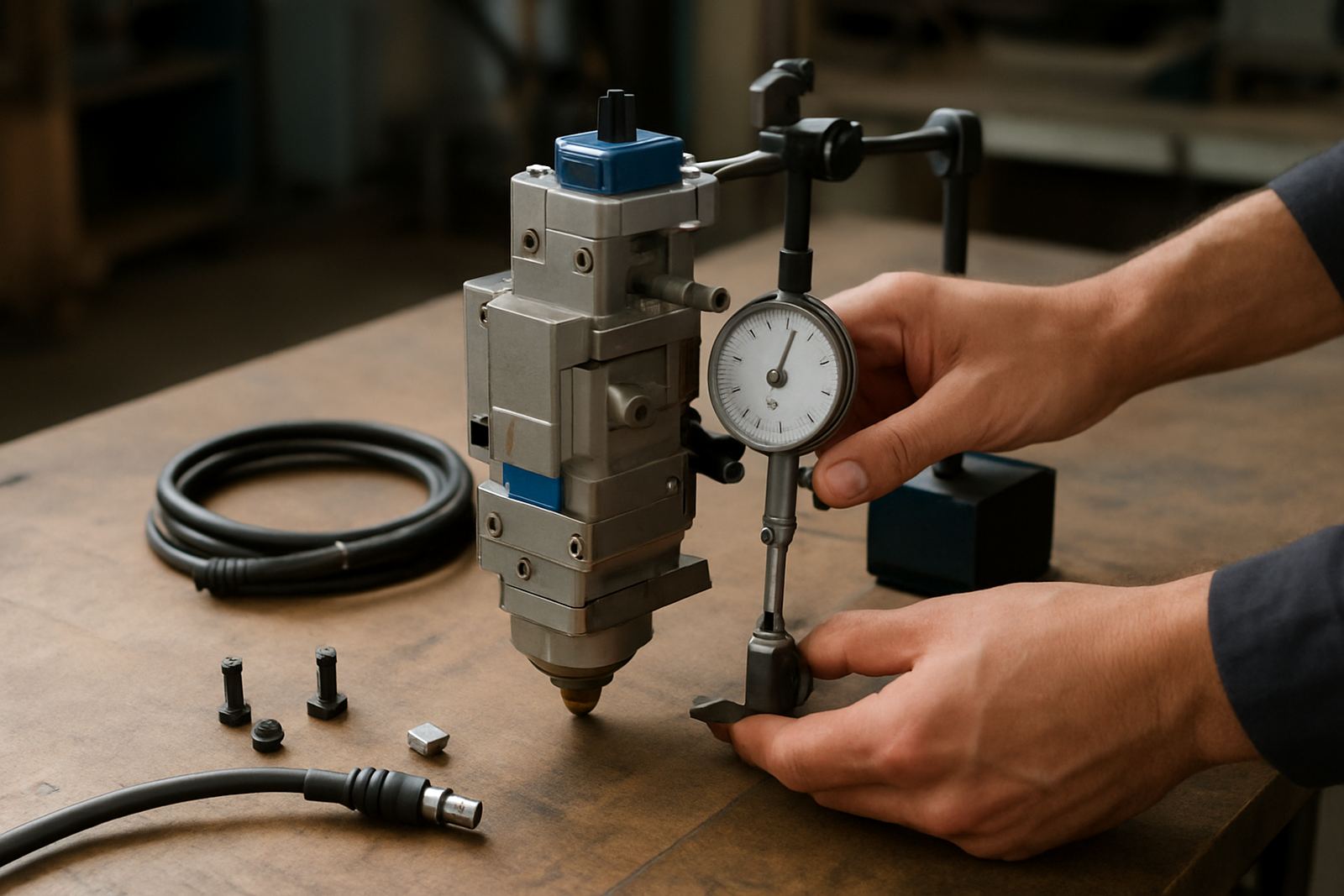
Most linear guide faults show themselves in a few ways: grinding noise, flat spots, resistance at one end of travel, uneven cutting marks, or a head that seems to lag behind the programmed path. We inspect the rail surface, carriage movement, mounting face condition and the straightness of the travel path. If needed, we remove the axis components for a closer bench inspection.
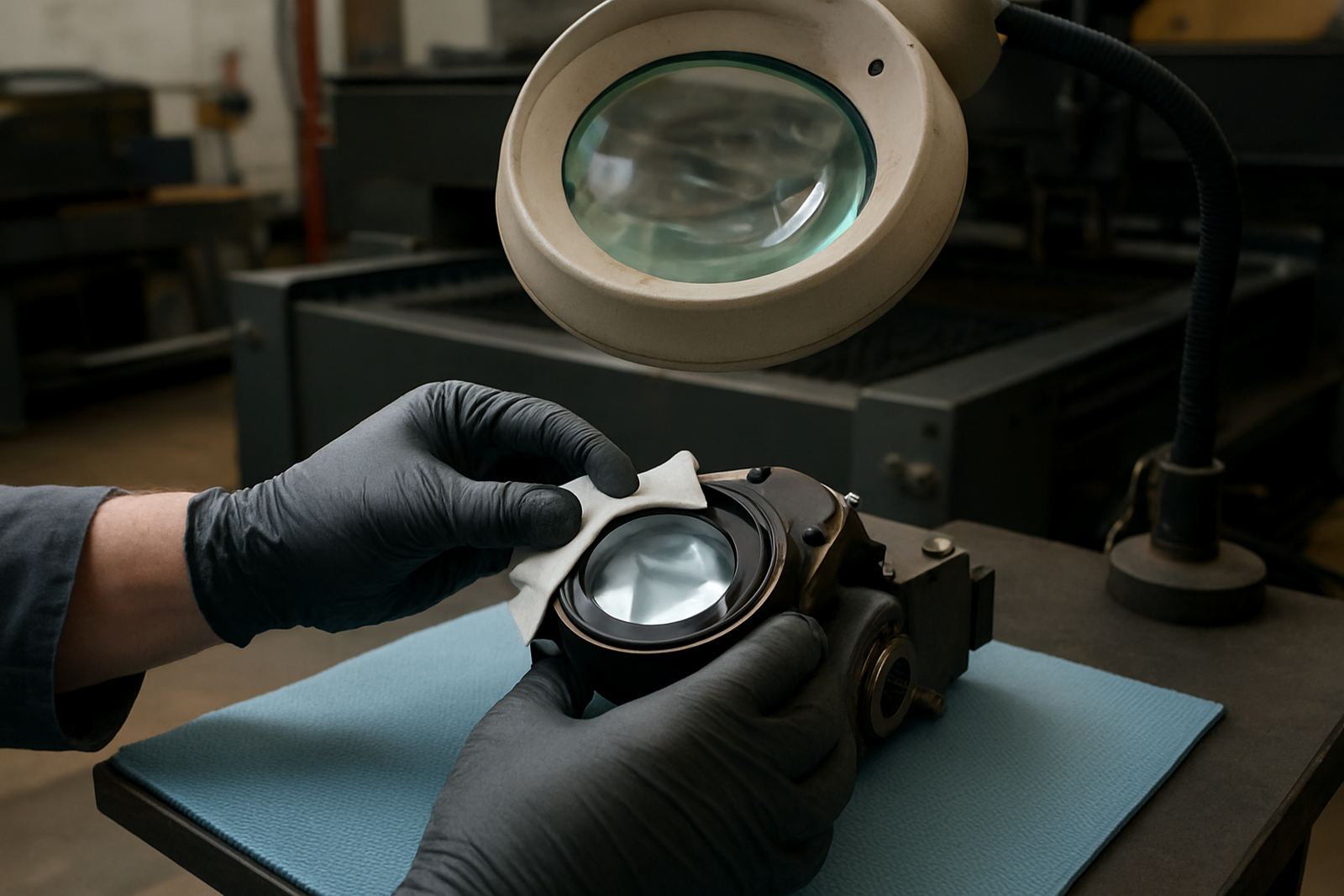
Where the rail is still serviceable, cleaning and re-alignment may be enough. Where the rail or bearing blocks are worn, replacement is the better option. We also look for evidence of contamination from dust, grease breakdown or coolant mist, because a clean looking rail can still carry hidden damage inside the bearing blocks. Sometimes a machine sounds fine at low speed but starts to complain when the bridge accelerates, that is a clue the guide system is already under strain.
After repair, we run the axis through a pressure and movement check, then confirm return to service with a practical travel test. That gives the customer a clearer answer than a simple visual check and helps avoid repeat downtime.
Care, servicing and ordering checks that save time
Regular care is the best way to keep linear guides alive. Keep the rail path clean, wipe away dust and metal fines, and avoid over-greasing because excess grease traps grit. On machines near the coast or in humid workshops, extra attention is needed because moisture can work into exposed parts and start corrosion. It is also worth checking the rail after any collision, even a light bump, because damage can start small and then grow under load.
When ordering a repair or replacement, have these details ready:
- Machine make and model, if available
- Axis affected and length of travel
- Symptoms such as noise, binding or position error
- Photos of the rail, carriage and mounting points
- Any recent collision or part replacement history
We also advise customers to note whether the machine uses a fibre or CO2 cutting setup, and whether the fault appears on one axis only or on several. That helps us prepare the correct tools and parts before the machine arrives, which keeps the turnaround shorter.
Key facts
| Service type | Linear guide cleaning, repair, replacement and alignment |
|---|---|
| Machine compatibility | Fibre and CO2 laser cutters |
| Common rail lengths | Short travel to long-bed industrial systems |
| Repair modes | Bench repair and selected on-site support |
| Typical faults | Noise, binding, poor tracking, wear, collision damage |
| Service area | Boksburg, Gauteng and nationwide across South Africa |