What Height Sensor Repair Covers
Height sensor repair deals with the part of the cutting head that keeps the nozzle at the right distance from the sheet. When the sensing signal drifts, the machine can strike the plate, hover too high, or chase the surface up and down. That gives poor pierce consistency, rough edges and missed cuts, especially on reflective material, thin mild steel and parts with slight sheet bow. We diagnose the sensing fault, inspect the head internals and restore the system so the machine can hold a steady cutting height again.
This service suits fibre and CO2 systems used in production bays where downtime costs real money. It can include electrical checks, cleaning of contamination, sensor calibration, component replacement and a full return to service test. In many cases the fault is not the sensor alone, but worn windows, damaged ceramics, poor earthing or a collision that upset the head, so we check the full assembly not just one part.
Common Signs The Sensor Needs Attention
If the machine pierces but then loses height control, the sensor may be struggling to read the sheet correctly. A head that faults on start-up, hunts up and down, or trips on clean material often needs diagnosis. Sometimes the cut still runs, but the pierce height is wrong and the nozzle starts leaving spatters or dross that should not be there.
- Unstable pierce height on thin or thick sheet
- Random alarms from the cutting head
- Cut quality changes from one corner of the sheet to the next
- Nozzle strikes after a collision or warped material
- Sensor readings that drift after warm-up
- Repeated resets needed before the head will home properly
In workshop terms, these faults often show up after a rough shift, a sudden stop, or poor maintenance. If the machine is running in a dusty cutting bay with compressed air that has moisture in it, the problem can come back quickly if the head is not properly serviced.
Sizes, Head Types And Options We Work On
Height sensing systems differ by cutting head design, but the repair approach stays practical: inspect, test, clean and replace the worn parts. We work on fibre and CO2 heads used on flatbed machines, and on heads fitted to both small format and large format cutters. Whether the machine runs light sheet at 1 mm or heavier plate up to 20 mm and more, the sensor must react quickly and hold a stable gap. That is the point of the repair.
Options can include bench repair, on-site inspection, or a mixed service where the head is stripped in the workshop and refitted at your premises. In some cases we repair only the height sensing section, in others we service the full cutting head because the damage spread further than expected. If the ceramic holder is cracked, the nozzle seat is worn, or the window is burnt, those parts are dealt with as part of the job so the sensor does not fail again in a week or two.
- Fibre laser cutting heads
- CO2 laser cutting heads
- Single machine workshops and production lines
- Small format and large format cutting tables
- Heads with manual or auto height sensing functions
Installation, Power And Gas Needs
Height sensor work does not normally need a separate power supply beyond the machine’s own head control and signal circuit, but the installation must be clean and correctly grounded. Any loose connectors, poor shielding or damaged cable runs can create false readings. On some machines the fault is traced back to dirty power, and in South Africa that can be made worse by load-shedding events and unstable restart conditions. A proper check saves time later.
The assist gas system also matters. If the air or gas supply contains moisture, oil or pressure swings, the cutting head can run erratically and the sensor gets blamed for a problem elsewhere. We check the gas path, nozzle condition and pressure stability so the repaired sensor is not fighting bad supply conditions. For coastal sites like Durban or workshops near the sea air, corrosion and humidity can speed up contamination inside the head if filters are neglected.
- Stable machine earth and clean signal wiring
- Dry, filtered assist gas at the correct pressure
- Clean optics and a sound nozzle seat
- Correct head mounting and alignment
- Steady compressed air supply with no water carryover
How We Repair The Sensor And Head
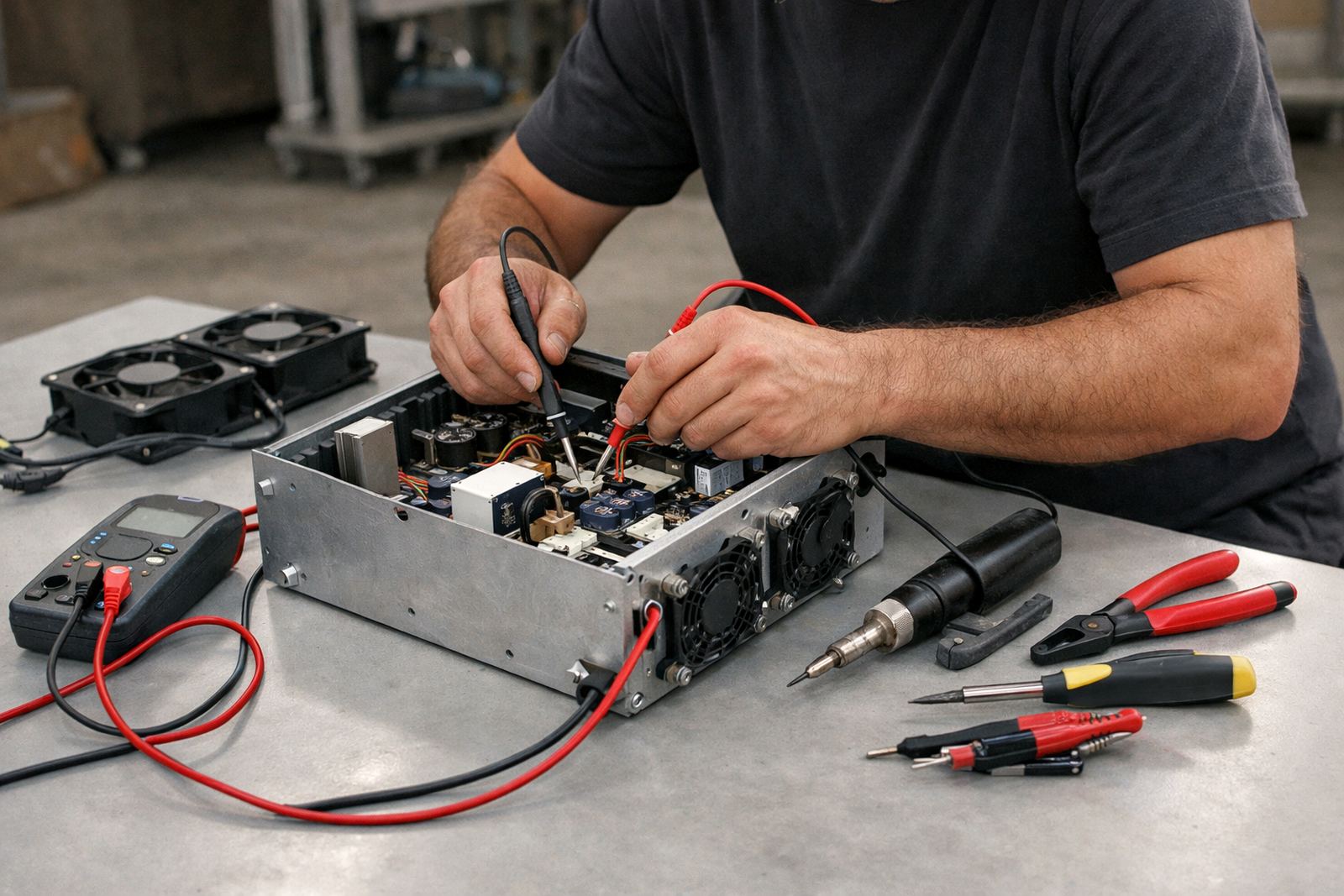
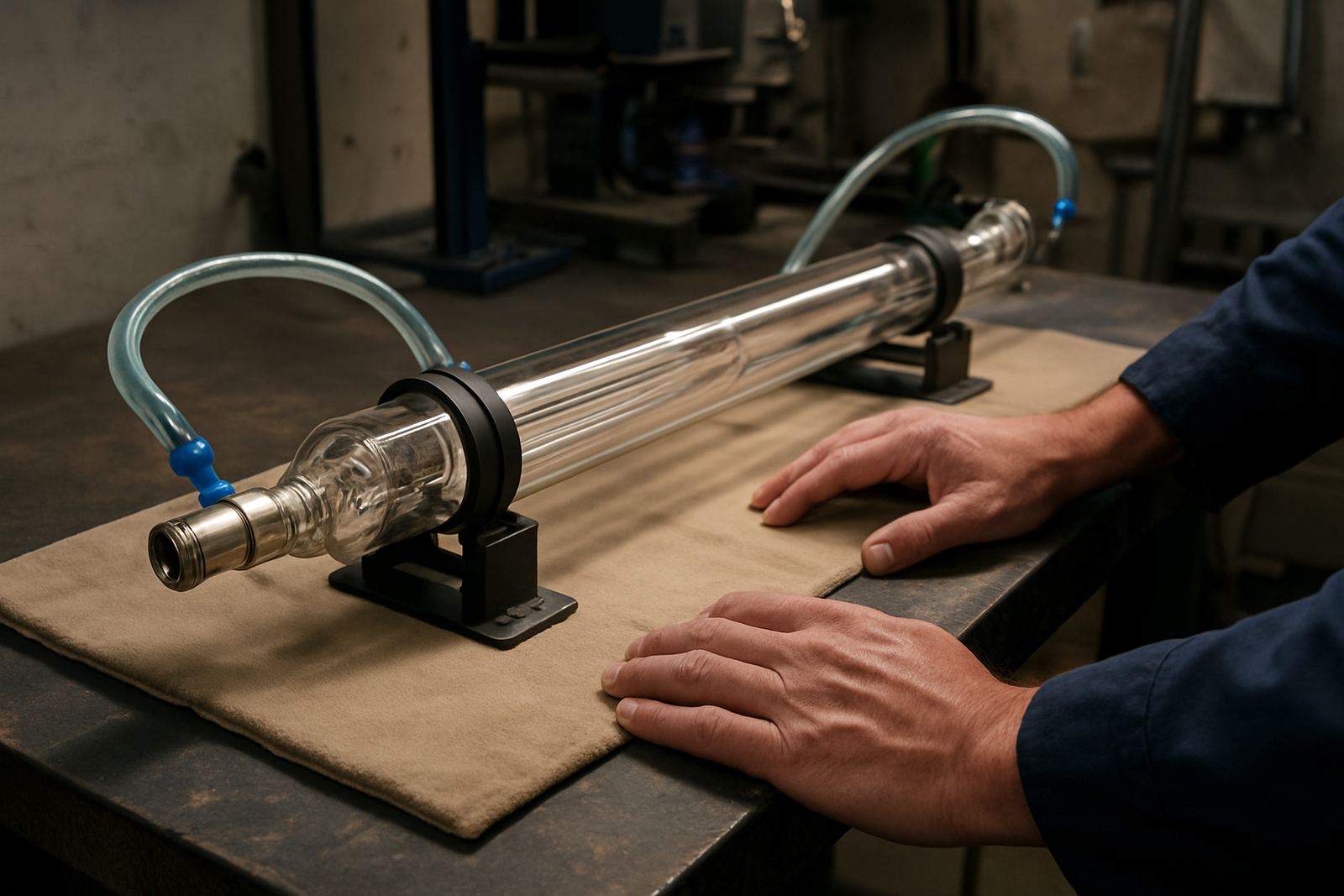
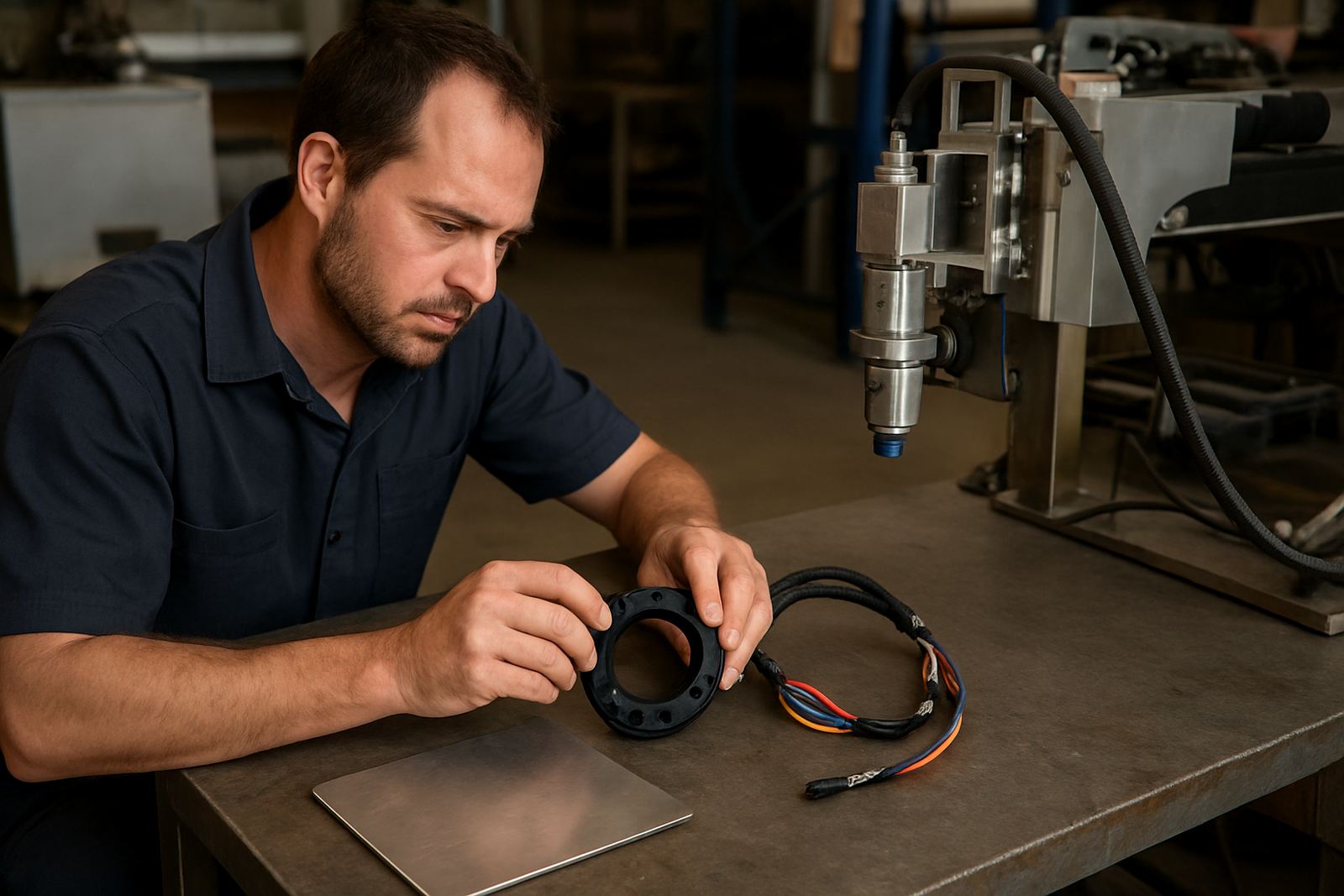
We start with strip and inspection, then test the fault under controlled conditions. The head is checked for collision damage, contamination, worn seals, cracked ceramics and damaged sensor parts. If the sensor ring, internal wiring or related electronics are at fault, we replace the damaged items and confirm the signal response before reassembly. The lens and protective window are inspected too, because poor optics can make a healthy sensor look unreliable.
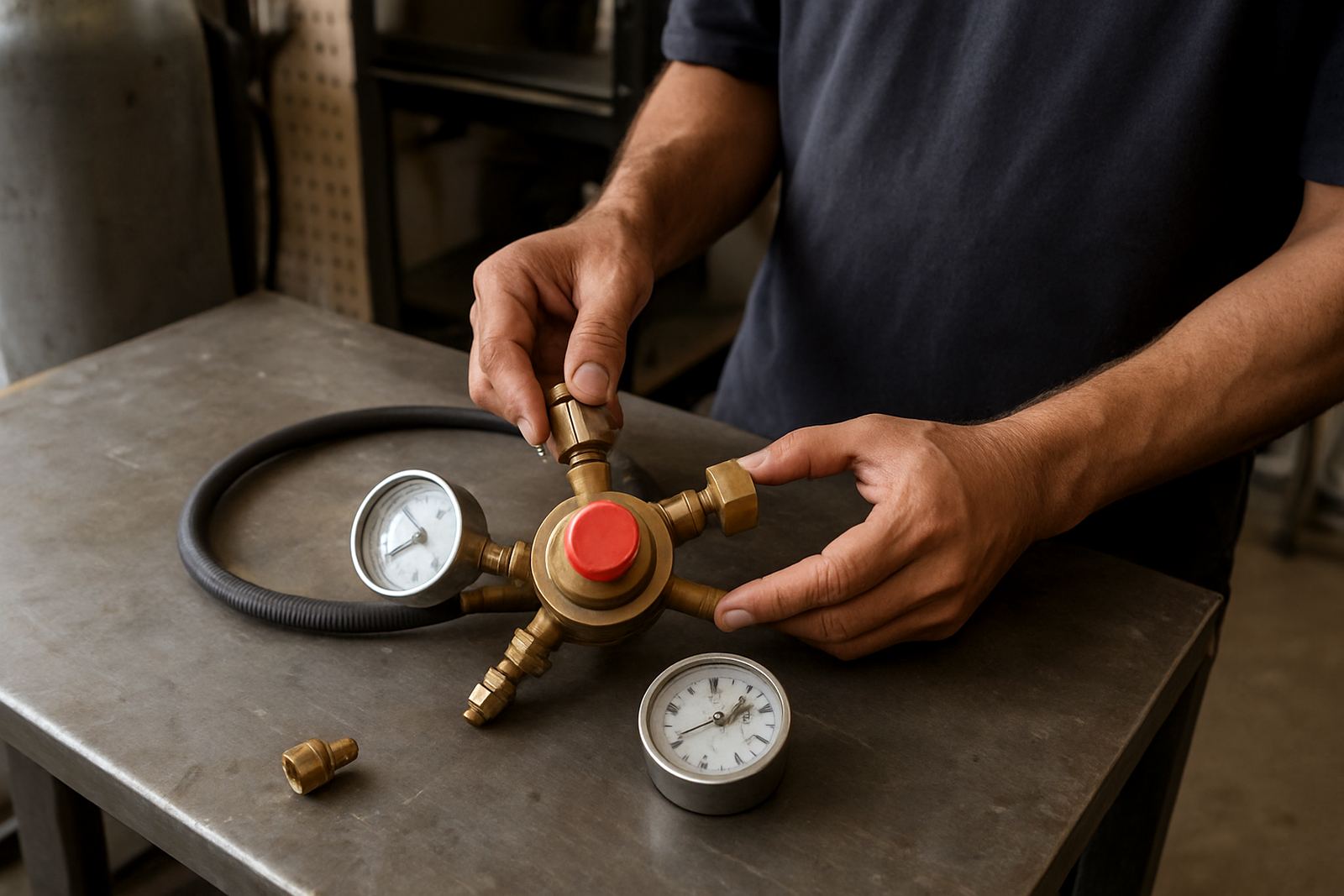
When the repair is complete, we carry out head alignment checks, bench pressure tests and a return to service test so the unit can go back into production with confidence. If the machine is on site in Boksburg, Johannesburg, Pretoria, Vanderbijlpark, Durban, Cape Town, Germiston or Kempton Park, we can handle the work where practical. For more serious damage, the head is brought to the bench for a cleaner and more controlled repair. That usually gives the best result, no nonsense.
Care And Servicing After Repair
A repaired height sensor lasts longer when the rest of the head is kept clean and dry. That means regular nozzle checks, timely window replacement and proper filter maintenance on the air line. If the machine is cutting dusty material, or working long shifts in a hot bay, the head needs closer inspection. Small contamination can build up fast and interfere with the sensing signal.
We recommend routine checks after any collision, after a long shutdown, and whenever cut quality changes without an obvious reason. Keep the cutting table level, remove spatter from the nozzle area and make sure the assist gas pressure stays within the machine setting. If the head has already been repaired once, do not wait for a second failure before calling for another inspection, because the wear may have moved to another part of the assembly.
What To Check When Ordering This Repair
Before you send in the head or book an on-site visit, gather the machine model, head type and the fault history. If you can describe when the problem started, whether there was a collision, and whether the alarm appears at power-up or during cutting, it helps us narrow the fault quickly. A clear sample cut or photo of the bad edge can also point us in the right direction.
- Machine make and model
- Fibre or CO2 head type
- What the alarm or fault message says
- Whether the issue started after a collision
- The material thickness being cut
- Any recent nozzle, lens or window changes
Clients in South Africa reach us through the enquiry form on our contact page, and we can route the job to the right support area including Boksburg Support, Johannesburg Support, Pretoria Support, Vanderbijlpark Support, Durban Support, Cape Town Support, Germiston Support and Kempton Park Support.
Key facts
| Service type | Height sensor repair for fibre and CO2 laser cutting heads |
|---|---|
| Faults covered | Pierce inconsistency, unstable cut height, sensor drift, alarm faults |
| Repair methods | Bench diagnosis, on-site inspection, parts replacement, calibration |
| Related parts | Nozzles, lenses, protective windows, sensor ring, ceramic holder |
| Typical response | Strip and inspection, pressure test, return to service test |
| Coverage | Boksburg base with support across South Africa |