What our CO2 tube service covers
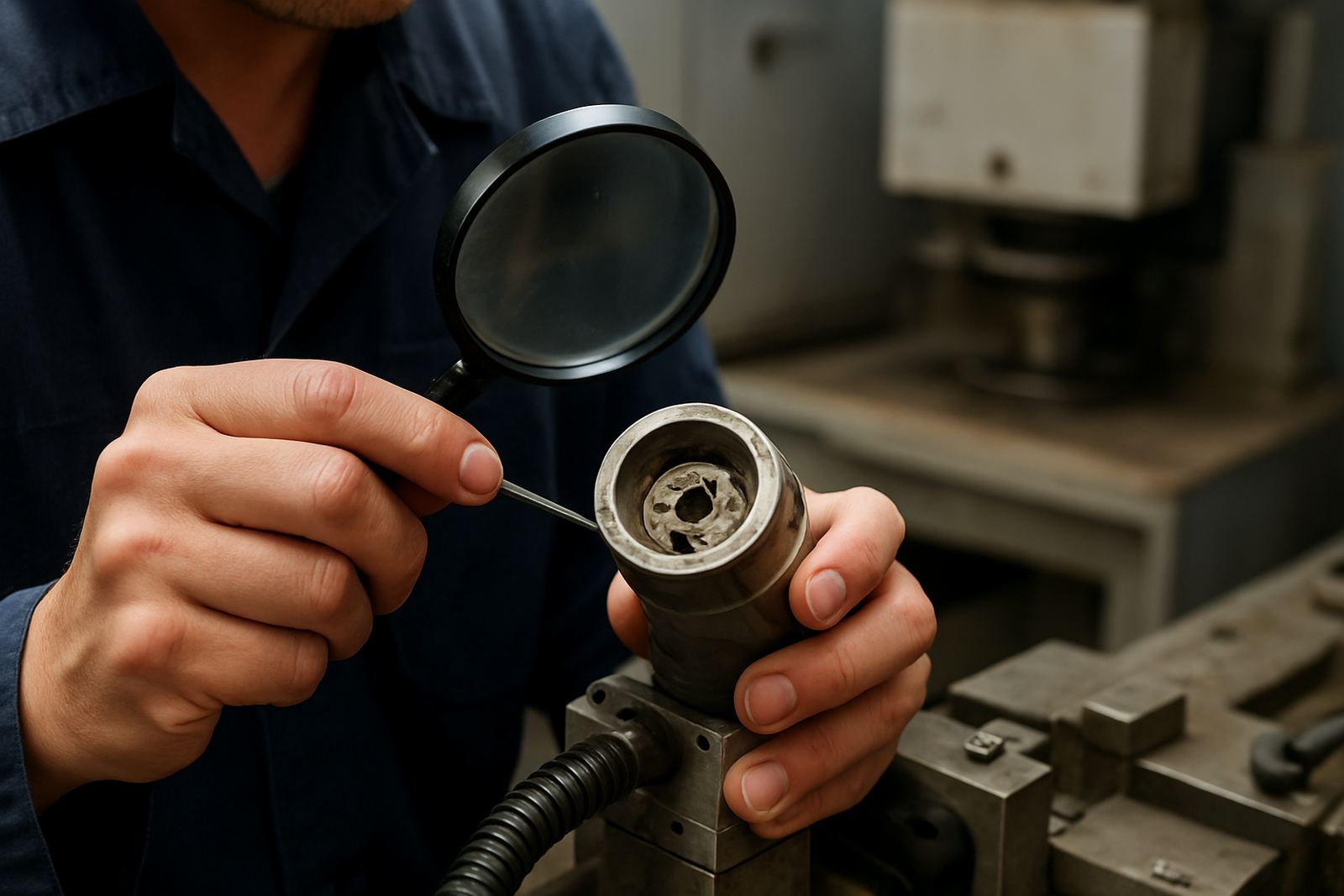
CO2 tube service is for machines that have started cutting slower, engraving weakly, or tripping out under load. In many cases the tube itself is near the end of its service life, but we also find problems in the cooling system, high-voltage supply, water flow and beam alignment that make the machine look worse than it is.
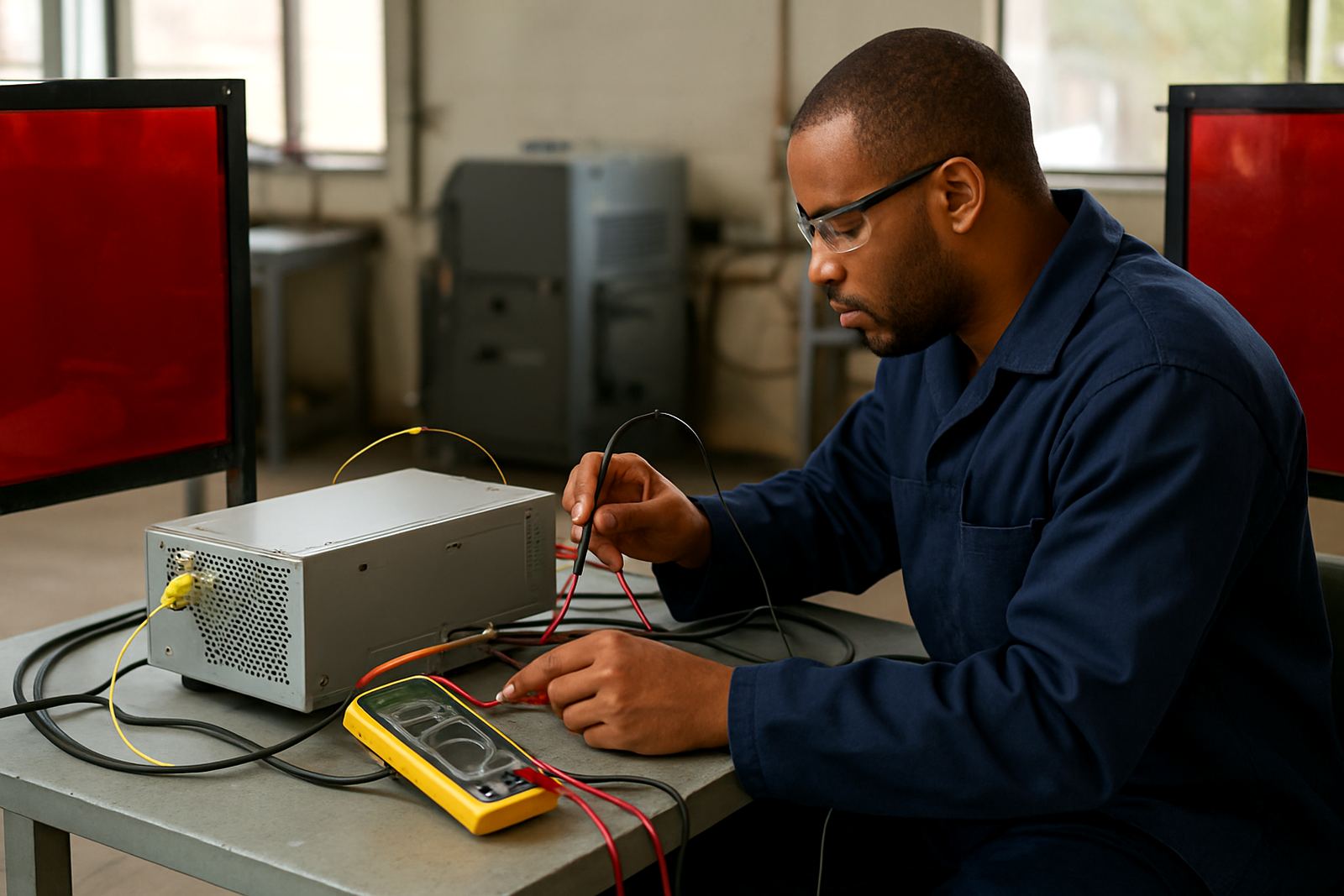
We bench check the tube and related parts, then advise whether repair, replacement or a full service makes more sense. That keeps the job practical for sign shops, small fabrication bays and production rooms in Boksburg, Johannesburg, Pretoria and further afield where downtime costs money. If a machine is still worth saving, we will say so. If the tube is beyond repair, we will say that too, plain and simple.
- Weak cutting on thicker acrylic, MDF or thin sheet
- Uneven engraving depth across the bed
- Tube arcing, overheating or water alarm faults
- Intermittent firing after long shifts or load shedding changeovers
Tube sizes and common options we work with
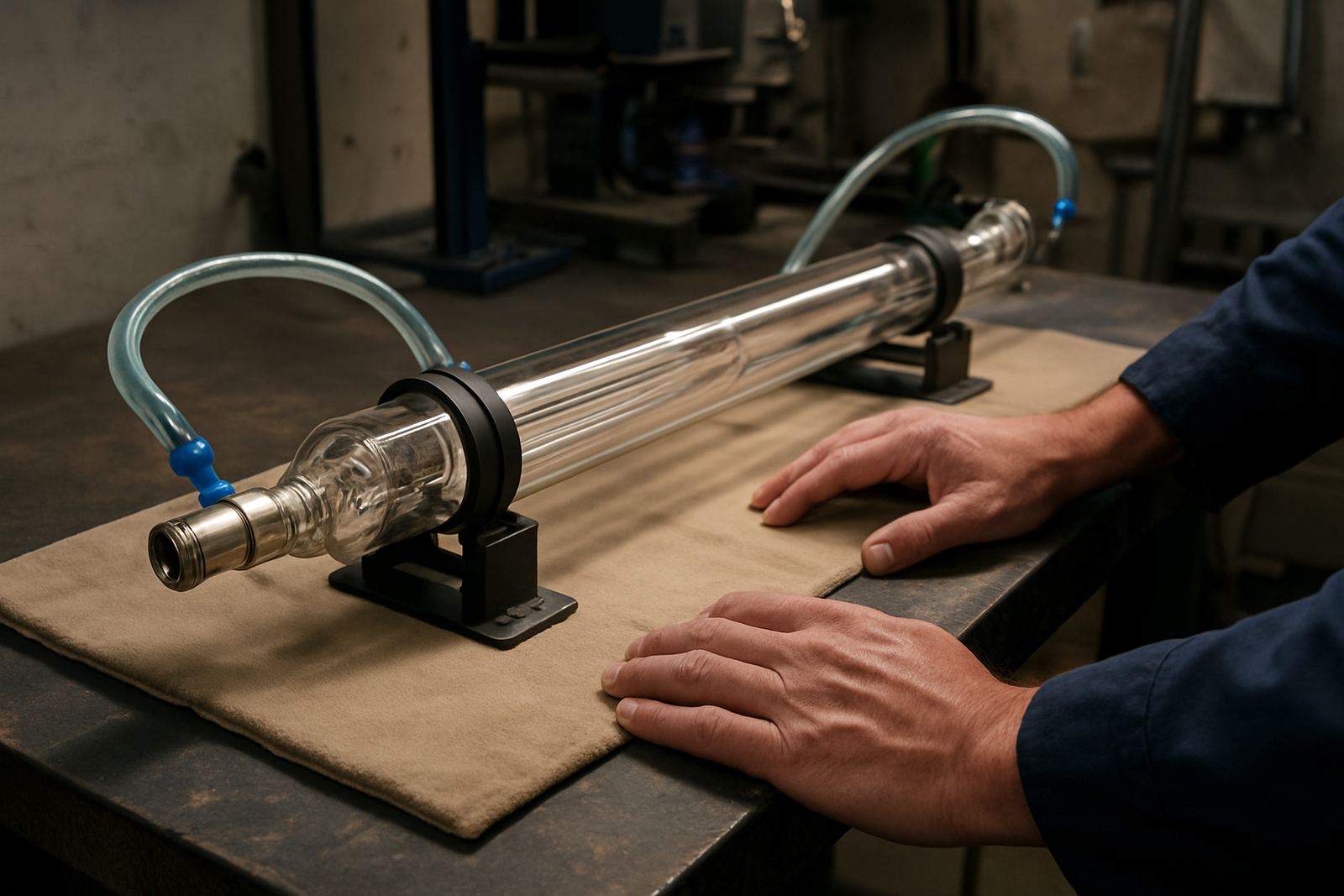
We service a range of sealed CO2 glass tubes commonly used in laser cutters and engravers, from compact workshop units through to larger-format machines. The right replacement is not just about length. It must match the wattage, mount spacing, cooling arrangement and beam height so the machine can be set up correctly after fitting.
On some machines the tube is a direct replacement item. On others, especially older imported units, the brackets, water fittings or beam path may need adjustment. That is where a bench check helps because the fault can show up as poor beam strength even when the tube is not the only issue. We keep the process tidy, and we check the surrounding parts at the same time.
- Common wattage ranges: 40 W, 60 W, 80 W, 100 W and higher on selected machines
- Tube lengths vary by machine frame size and mount spacing
- Cooling may be water-cooled only, with flow and temperature monitored during test
- Some systems need alignment after tube installation and before return to service
Where CO2 tube service suits best
This service suits workshops that run daily production and cannot afford a machine sitting idle while someone guesses at the fault. We see a lot of jobs from signage plants, packaging cutters, garment sample rooms and local fabricators who need clean edges and repeatable output. If the machine is in a humid coastal area like Durban or near dusty fabrication floors in Gauteng, the cooling and optics can suffer quicker than expected.
It also suits sites where the machine has had a collision, a water pump failure, or a power interruption during a cut. After load shedding, poor restart conditions can reveal a weak tube or a cooling fault that was already there. A proper check helps separate electrical trouble from a tube that has simply worn out.
- Job shops with daily start-stop production
- Signage and display workshops using acrylic and board
- Fabricators cutting non-metal materials on CO2 systems
- Sites with ageing cooling pumps or inconsistent water quality
Installation, power and gas needs to check first
Before we fit or replace a tube, we check the machine power supply, trigger circuit, cooling pump and water condition. A fresh tube will not perform well if the chiller is under-sized, the water is dirty or the current setting is wrong. The same applies if the mirrors are out of line or the nozzle path is blocked.
Most CO2 systems also need stable mains power and clean earth connections. In South Africa, voltage dips and generator switchover can shorten tube life if the machine is not protected properly. For systems using assist gas, the gas path and pressure settings must also be correct, otherwise the tube gets blamed for a cut quality issue it did not cause, and that wastes time.
- Check mains supply, earthing and surge protection
- Confirm chiller flow, temperature and water cleanliness
- Verify alignment before final power-up
- Set cutting parameters to suit the new tube output
Care and servicing that keeps the tube going longer
Good care makes a real difference to tube life. Keep the cooling water clean, use the correct level of coolant if required by the machine, and make sure the pump is running before the laser fires. A blocked water line or hot day in a non-air-conditioned shop can shorten life quickly. We have seen tubes fail early simply because the water bottle was topped up but the flow was poor.
Routine service should also include checking mirrors, lenses, protective windows and the beam path. If the optics are dirty, the machine works harder for the same result. That adds heat, cuts output and can lead to a replacement tube sooner than expected. A scheduled inspection is cheaper than a full stop on the floor.
- Change or flush coolant at sensible intervals
- Keep the machine area free of dust and offcut build-up
- Watch for early warning signs like slow cutting or unstable firing
- Book bench testing before a complete failure stops production
What to confirm when ordering CO2 tube service
When you send an enquiry through our contact form, include the machine model, tube size if known, the fault symptoms and any recent changes such as a pump replacement or power issue. If you can share photos of the tube mounts, fittings and control panel faults, that helps us prepare the right parts and avoid delays.
It is also useful to tell us whether the machine is at a workshop in Boksburg, a site in Germiston, or a factory in another city so we can advise on bench or on-site support. For some jobs, the tube can be tested and replaced on the bench. For others, especially larger installed machines, an on-site visit makes more sense. We keep the steps practical so the machine gets back to work, not sitting half-stripped for days.
- Machine make, model and working area size
- Tube length, wattage or a clear photo of the label
- Cooling setup, pump type and water condition
- Symptoms, error codes and any recent collisions or power cuts
Key facts
| Service type | Bench checks and replacement support for CO2 tubes and related cooling faults |
|---|---|
| Tube ranges | Common workshop sizes from 40 W to 100 W and selected higher-output systems |
| Support modes | Bench service and on-site service where machine size or urgency requires it |
| Related checks | Cooling flow, power supply, alignment, optics and gas path |
| Typical faults | Weak output, arcing, overheating, unstable firing and poor cut quality |
| Coverage | Boksburg, Johannesburg, Pretoria, Vanderbijlpark, Durban, Cape Town and surrounding areas |