What fibre source repair covers
Fibre source repair deals with the part of the laser system that creates and delivers the beam to the cutting head. When a source starts tripping, dropping power or giving uneven output, the machine can still look fine at the control screen while production quality slips. That usually shows up as slow cut speed, poor edge finish, incomplete cuts on thicker plate, or a machine that will not hold output through a full shift.
Our work focuses on fault finding and practical restoration, not guesswork. We check the source condition, power stability, cooling setup, fibre delivery path and related connections before deciding whether the unit can be repaired on the bench or needs on site attention. In many cases a source fault is linked to heat, dust, loose fittings or poor maintenance, so the inspection has to be thorough.
- Power drop and unstable output
- Intermittent alarms and start-up faults
- Poor cut quality on mild steel, stainless steel or aluminium
- Cooling related shutdowns and overheat trips
- Damage after surge events or load-shedding changeovers
Where this service suits your workshop
This service suits job shops, signage plants and metal fabricators that run fibre laser cutting equipment daily and cannot afford long stoppages. It is useful for workshops in Boksburg, Germiston and Kempton Park, as well as larger production sites in Johannesburg, Pretoria, Vanderbijlpark, Durban and Cape Town. If your machine is used for sheet cutting, signage parts, cabinet work or general fabrication, source reliability has a direct effect on delivery dates and scrap levels.
It also helps where power quality is a problem. South African sites often deal with voltage dips, generator changeovers and load-shedding recovery, and those events can expose weak source components or poor cooling practices. Coastal humidity in Durban and dusty shop floors inland can also shorten the life of filters, connectors and cooling parts if routine care slips. We repair on the bench where possible and attend site when removal or downtime risk makes that the better choice.
- High volume cutting shops with daily production targets
- Fabricators running mixed thickness material
- Sites with repeated fault alarms after power interruptions
- Workshops needing short turnaround and clear fault reporting
- Operations that want repair before full source replacement is considered
How we diagnose the fault
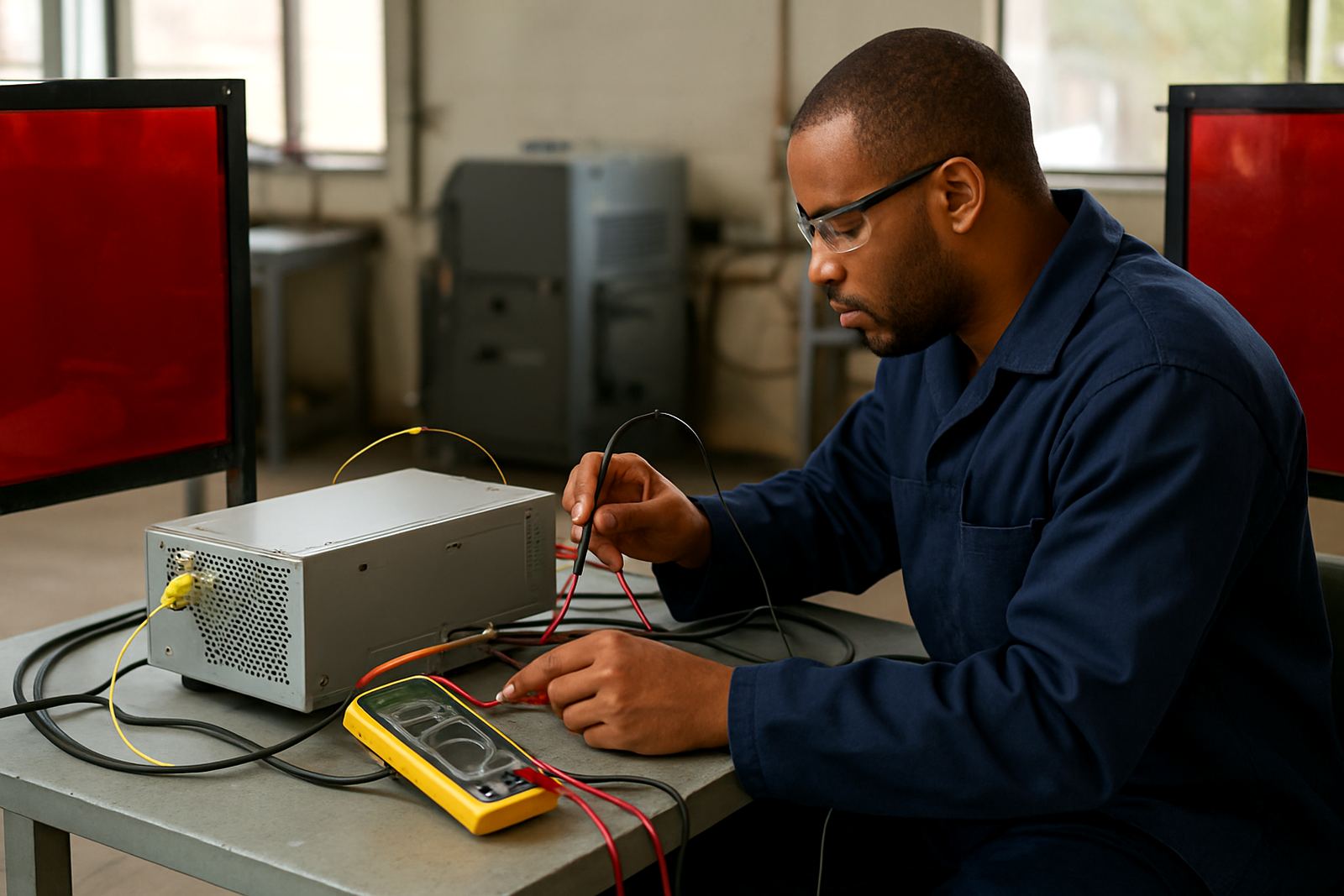
Every repair starts with diagnosis. We look at the symptoms, the machine history and any changes made before the fault started. A fibre source problem can come from several places, so a proper test saves money and avoids replacing parts that are still serviceable. If the fault is external, we say so plainly. If the source itself needs bench work, we isolate the issue and report the likely fix before any repair proceeds.
The inspection normally includes electrical checks, cooling flow review, signal verification and output stability testing where the setup allows it. We also inspect the condition of surrounding consumables and related head parts, because a damaged nozzle or window can sometimes be mistaken for a source problem. Good diagnosis is what keeps the downtime short, and it helps your team decide whether to continue cutting, pause production or move urgent work to another machine.
- Source alarm history and fault code review
- Cooling circuit and temperature check
- Connection and fibre path inspection
- Output stability assessment
- Related cutting head component review
Repair options, bench work and on site support
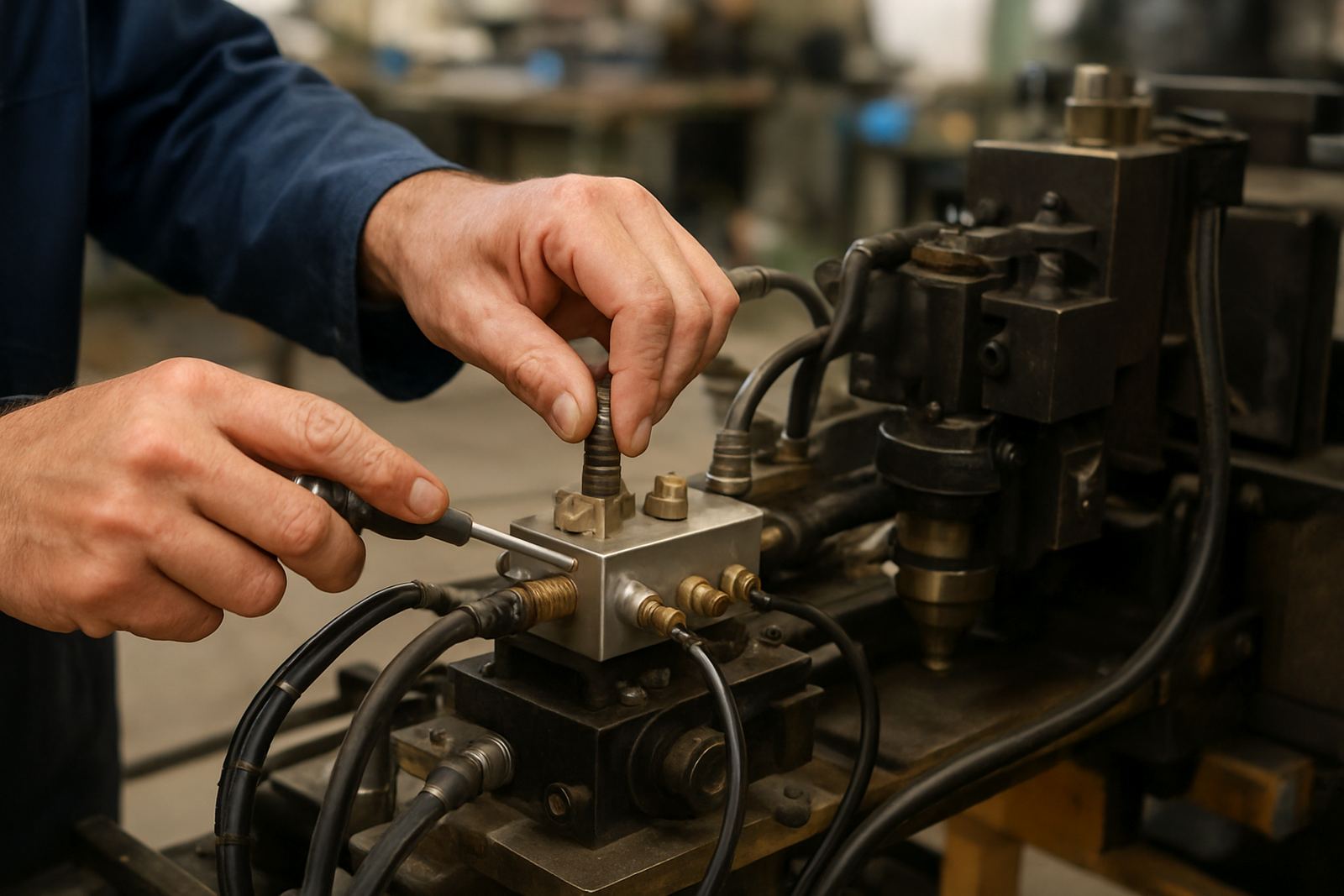
Some fibre source faults can be handled on site, while others are better taken to the workshop for controlled testing. On site support is useful when the issue is linked to cooling, connections, commissioning, alignment checks or a machine that needs to be brought back into service quickly. Bench repair is better for internal faults, repeated tripping or any case where detailed strip down and testing is needed.
Our team includes Sibusiso Mthembu, Johan van Rensburg and Thabo Molefe for technical work, with Lerato Ndlovu, Ayesha Khan and Megan Naidoo supporting the process from booking through to parts and administration. That means the repair is handled in a practical way, with clear updates and the right parts identified before a return visit is booked. Where replacement items are required, we supply the consumables and service parts needed for the job, then confirm the source is ready for use again.
- Bench diagnosis and strip inspection
- On site fault isolation and return to service checks
- Cooling and connection repairs
- Parts supply for serviceable source components
- Final test before handover
Installation conditions, power and cooling needs
Fibre sources are sensitive to heat, dust and unstable power. The installation area needs clean airflow, enough clearance around the machine and a stable electrical supply with proper surge protection. In workshops where outages are common, the restart procedure after load-shedding should be controlled and consistent. Quick cycling power on and off can damage electronics or trigger repeated faults.
Cooling is just as important. Water quality, flow rate and temperature must stay within the machine maker’s limits. If the source runs hot, cutting output will drift and the machine may shut down early in a shift. We often find that the source is blamed when the real problem is a blocked filter, weak chiller performance or restricted flow through the system. That is why we check the full setup, not only the fault on the screen.
- Stable mains supply with surge protection
- Correct cooling flow and clean water circuit
- Dry, dust controlled environment
- Safe access for service and inspection
- Proper shutdown and restart procedure after outages
Care, servicing and what to check when ordering
Regular care keeps the source working longer and helps avoid unplanned stoppages. Keep the machine area clean, inspect cooling lines, watch for repeated alarms and make a note of any change in cut quality. If the machine starts requiring higher power settings to achieve the same result, that is often the first sign that the source or a related part needs attention.
When you enquire about fibre source repair, please have the machine model, source type if known, fault code, a short description of the symptom and whether the machine is still cutting. If the source has already been removed, mention whether it was boxed and protected for transport. That information helps us prepare the right test setup and reduces delays at intake. If you are in Boksburg, Johannesburg, Pretoria, Vanderbijlpark, Durban or Cape Town, use the enquiry form on our contact page and we will advise the next step.
- Machine model and serial details
- Fault code or alarm message
- Symptom description and when it started
- Recent power interruptions or cooling issues
- Whether you need bench repair or on site support
Specs and service notes
We handle fibre source repair for production machines used in light to heavy fabrication, with support arranged around the fault and the site conditions. The aim is to get you back to cutting with the least possible disruption, whether the job needs workshop testing or a field visit.
Key facts
| Service type | Diagnosis and repair of fibre laser source faults |
|---|---|
| Faults covered | Power instability, tripping, start-up failure, overheating, poor cutting output |
| Support format | Bench repair, on site diagnosis, parts supply and return to service testing |
| Typical machine use | Sheet cutting, signage work, job shop production and general fabrication |
| Site requirement | Stable power, correct cooling, clean environment and safe access for technicians |
| Coverage area | Boksburg, Johannesburg, Pretoria, Vanderbijlpark, Durban, Cape Town and surrounding areas |