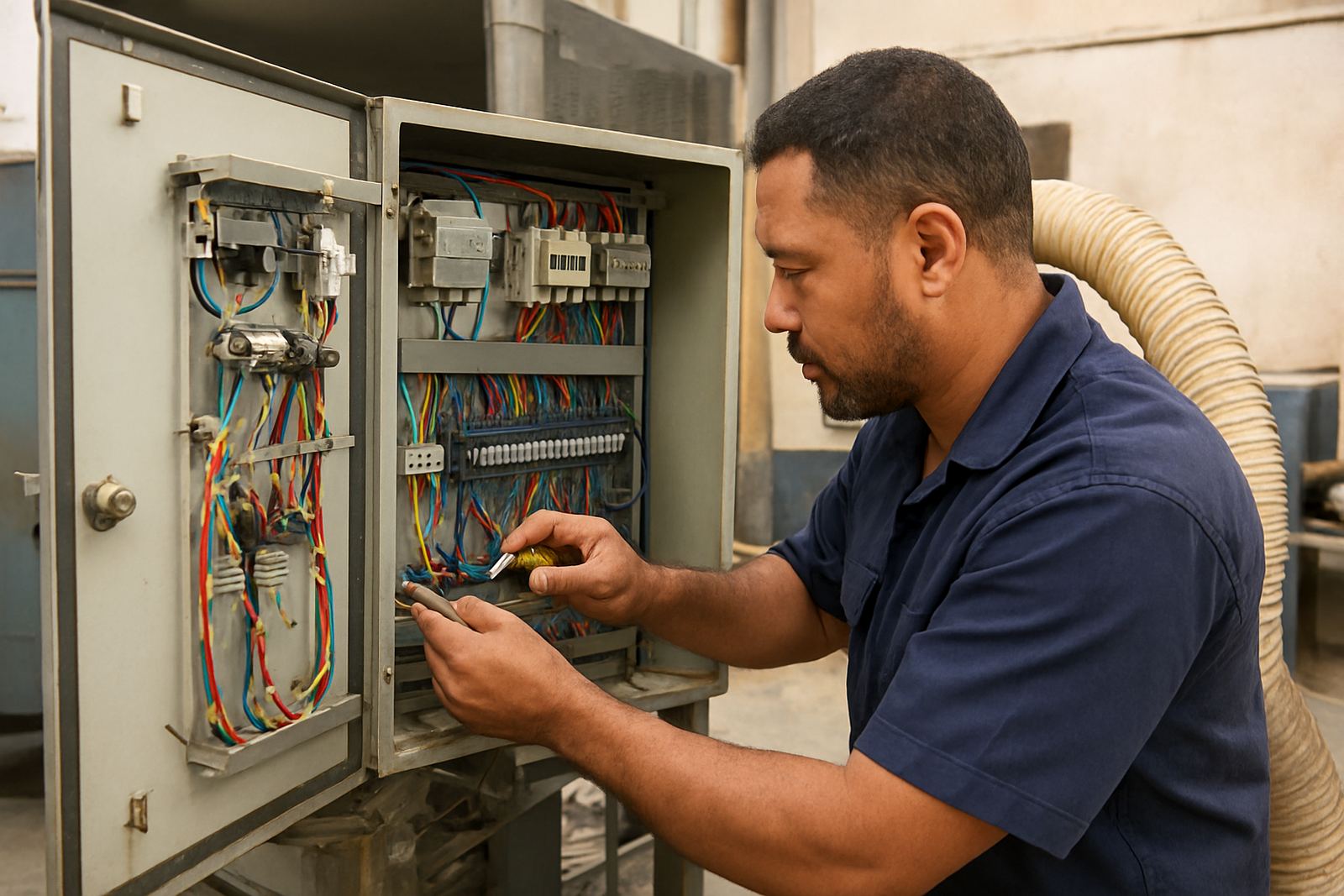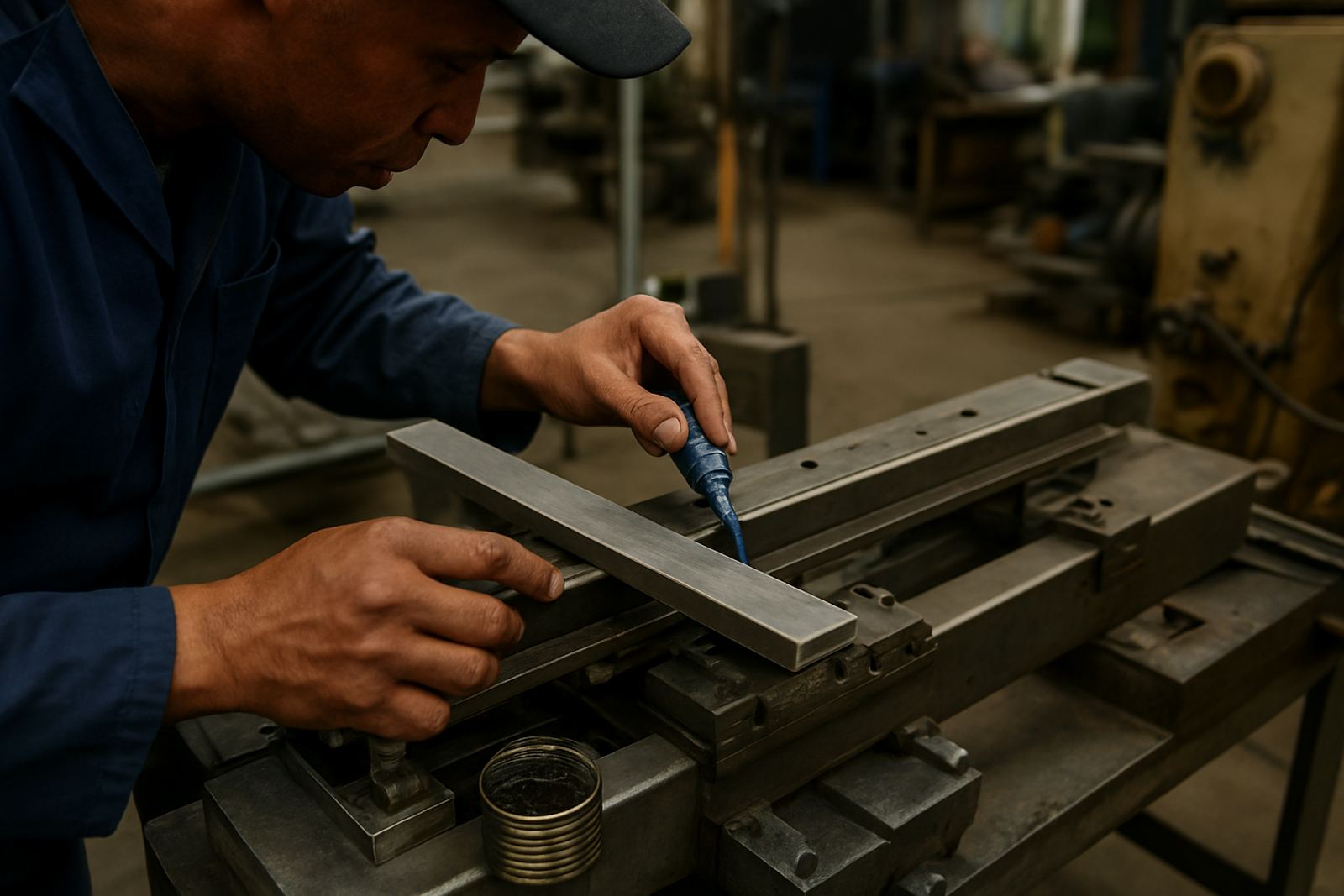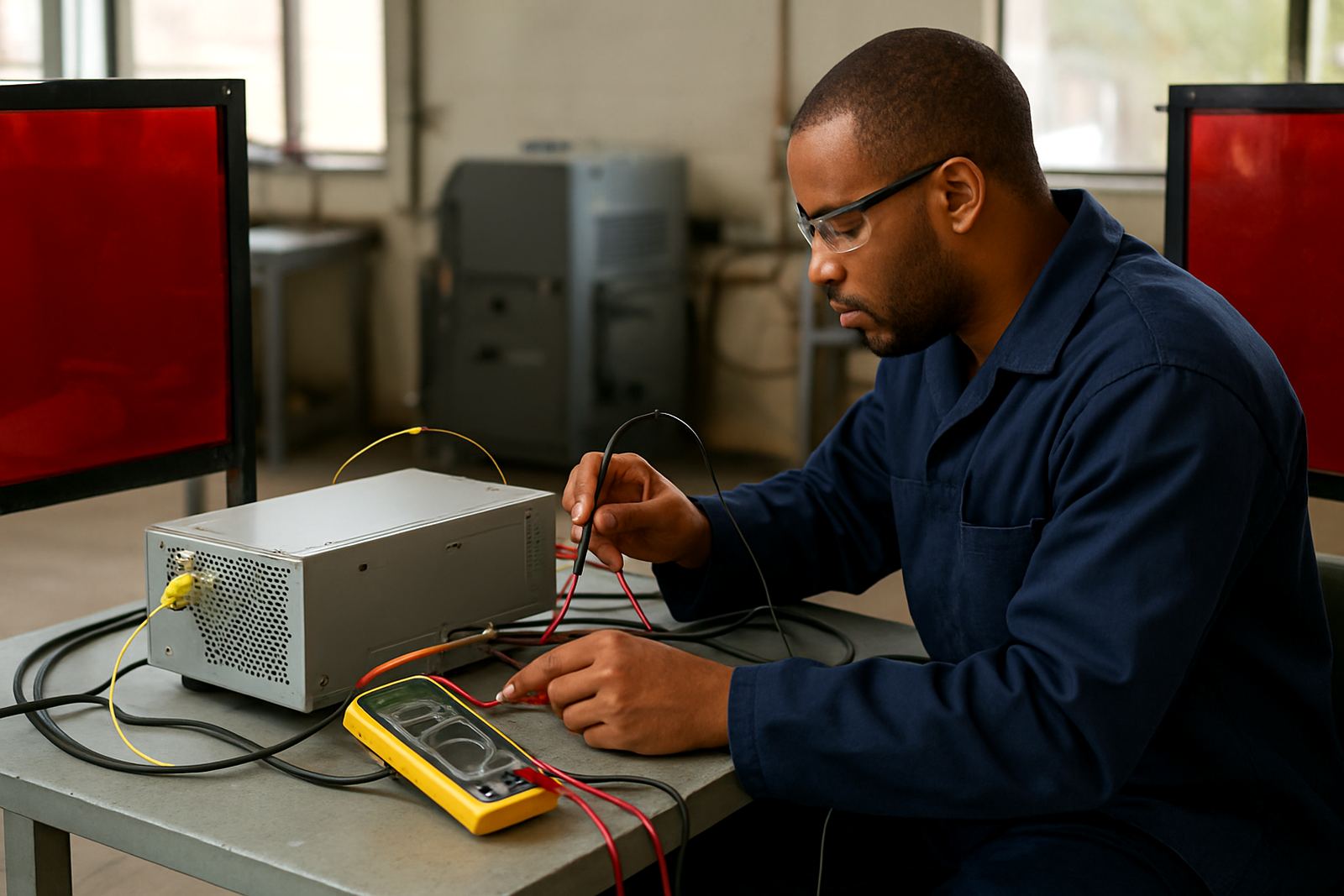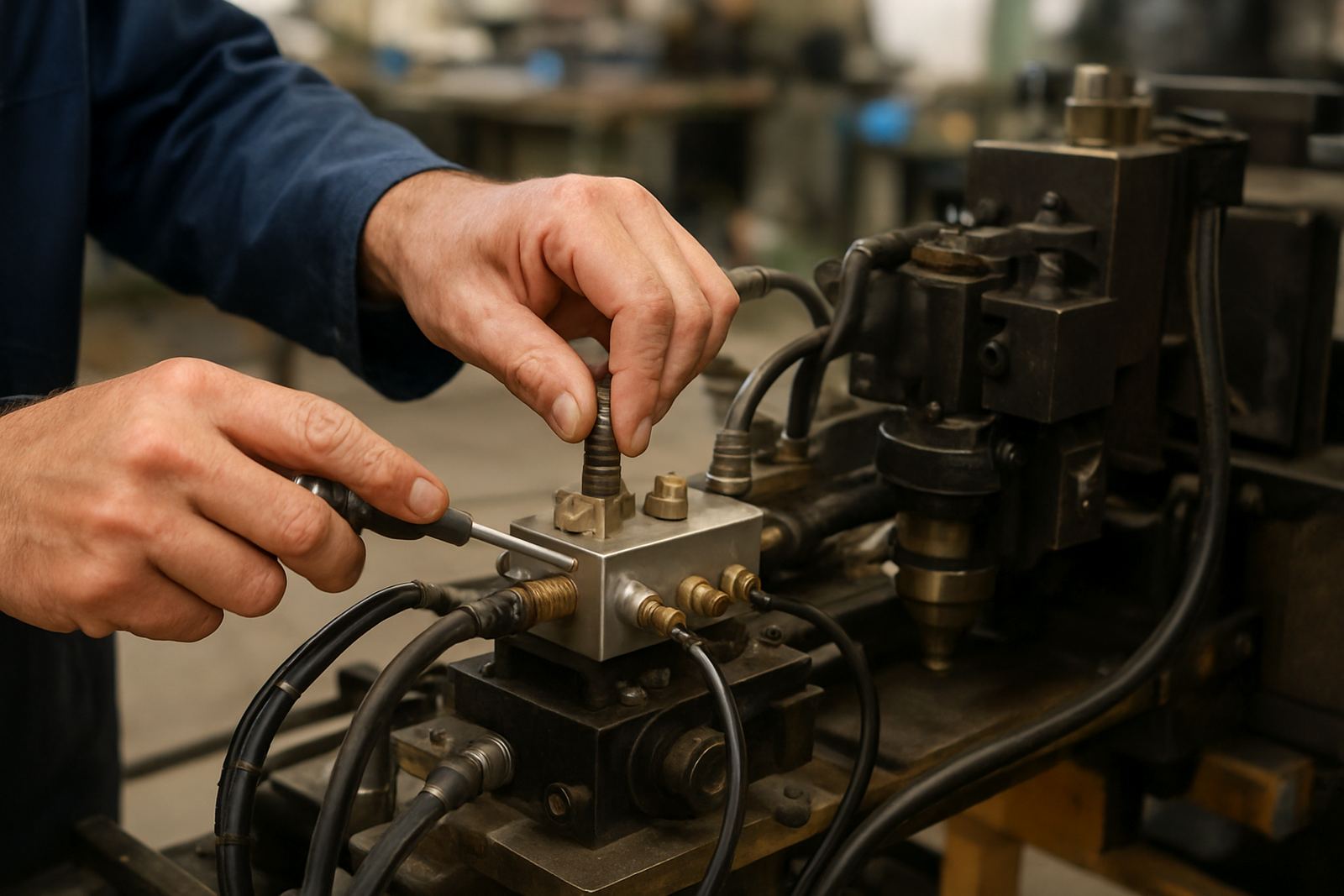
What the gas manifold does inside the cutting head
The gas manifold routes assist gas through the cutting head and into the nozzle at the right pressure and flow. When the manifold is healthy, the beam gets a steady gas stream that clears molten material, protects the cut zone and helps keep dross down. If the manifold is worn, cracked or blocked, the machine may still run but the cut quality slips and the operator spends more time chasing settings.
We repair internal gas delivery faults on fibre and CO2 systems used by job shops, signage plants and metal fabricators. A faulty manifold can cause pressure loss, uneven gas delivery, leaks around seals or a poor edge finish even when the nozzle and lens are in good condition.
Common signs that point to manifold trouble
Some faults look like a power issue or a bad lens at first. Before replacing costly parts, it is worth checking the gas manifold and related seals. We often see the following:
- Pressure drops during cutting or when the head moves fast
- Leaking gas around the head body or fittings
- Rough lower edge, heavy dross or a wide heat affected zone
- Unstable pierce and inconsistent cut start on mild steel, stainless steel or aluminium
- Gas warning alarms even when supply pressure at the machine is correct
- Burn marks or poor finish after a collision, contamination or internal wear
If the machine has had a nozzle strike or the head has been stripped for another repair, the manifold should be inspected before return to service. A small leak can waste gas and cost time on every shift, so it is better to sort it early.
Repair options for bench work and site callouts
We handle gas manifold repair on the bench in Boksburg and on site where access and uptime matter. The choice depends on the condition of the head, how much contamination is inside, and whether the machine can be taken out of production. For some units a strip, clean and seal replacement is enough. Others need precision reassembly, pressure testing and alignment checks after a collision or wear.
Our service can include strip and inspection, internal cleaning, nozzle seat restoration, sensor ring service, ceramic holder change and head alignment check where needed. If the fault sits deeper in the gas path, we trace it step by step rather than swapping parts blindly. That saves money and helps avoid repeat failures.
- Bench repair for detailed inspection and pressure testing
- On site attendance for time-sensitive production faults
- Repair after collision, leak or poor finish complaints
- Return to service testing before the head goes back into work
Sizes, formats and compatibility notes
Gas manifold assemblies differ by head type, gas path layout and the way the seals, ports and sensor ring are arranged. We work on fibre and CO2 laser cutting heads used for sheet metal work in a range of formats, from lighter job shop machines to heavier production systems. There is no one-size-fits-all manifold, so the exact head model and serial details matter when ordering repair support or replacement parts.
In practical terms, we match the repair to the head body, nozzle seat, internal gas passages and mounting arrangement. If the manifold has suffered a collision, the issue may involve more than one part. We can advise whether the unit is suitable for repair, whether it needs a pressure test first, or whether further stripdown is needed to find the leak source.
- Suitable for fibre laser cutting heads and CO2 laser cutting heads
- Handled as complete head assemblies or internal manifold sections
- Common on 1.5 mm to 25 mm sheet work depending on machine setup
- Used on manual and automated sheet cutting systems
Installation, supply needs and working conditions
Gas manifold repair itself does not need special site power, but the machine must have stable utilities and clean air supply when the head goes back into use. Assist gas quality matters. Contaminated gas, wet lines or poor filtration can damage seals and cause repeat leaks. On many sites the real issue is not the manifold alone but the full supply chain from cylinder or bulk gas, regulator, lines and head fittings.
For correct installation and testing we need the machine isolated, the head accessible and the supply safely depressurised. Where a bench repair is done, we will pressure test the repaired manifold and check for leaks before fitment. On site, the area should be clean and dry because dust and metallic fines can get inside the head during open work. If the site is affected by load-shedding, let us know the standby plan so the test sequence can be completed without interruption.
Care, servicing and what to check when ordering
A repaired manifold lasts longer when the head is kept clean and the assist gas system is checked regularly. Operators should watch for changes in sound, pressure, edge quality and gas alarms. After a nozzle collision, do not keep running the head and hoping it settles down. A small internal leak can turn into a bigger repair very quickly, especially on busy shifts.
When ordering, please have the head details ready so we can identify the correct repair path. The more accurate the information, the faster the job moves through strip, inspection and testing.
- Head make or model and machine type
- Serial number if visible on the head body
- Nature of the fault, leak, alarm or cut quality issue
- Whether the head was struck, cleaned, stripped or adjusted before
- Gas type used on site and normal working pressure
- Whether you need bench repair only or an on-site callout
We support customers in Johannesburg, Pretoria, Vanderbijlpark, Durban, Cape Town and surrounding industrial areas from our Boksburg base. If the machine has to stay running, we can plan the repair around production where possible.
Why workshops choose Laser Ray Tools
Laser Ray Tools focuses on keeping laser cutters in service, not on shifting unrelated equipment. Our team repairs gas delivery faults, cutting head wear and collision damage with a practical approach that suits South African workshops. You deal with people who understand production pressure, spare part lead times and the cost of downtime.
Sibusiso Mthembu leads the business, with Johan van Rensburg handling senior technical work, Thabo Molefe on field service, and Lerato Ndlovu, Ayesha Khan and Megan Naidoo supporting scheduling, parts and workshop administration. If you need help with a gas manifold fault, reach out through the enquiry form on our contact page and we will advise on the next step.
Key facts
| Service type | Gas manifold repair for fibre and CO2 laser cutting heads |
|---|---|
| Faults handled | Leaks, pressure loss, poor edge finish, sensor faults and internal wear |
| Repair formats | Bench repair, on site repair, strip and inspection, pressure test |
| Typical applications | Sheet metal cutting, signage work, job shops and fabricators |
| Area covered | Boksburg, Ekurhuleni and major South African industrial centres |
| Service outcome | Restored gas delivery with return to service testing where required |