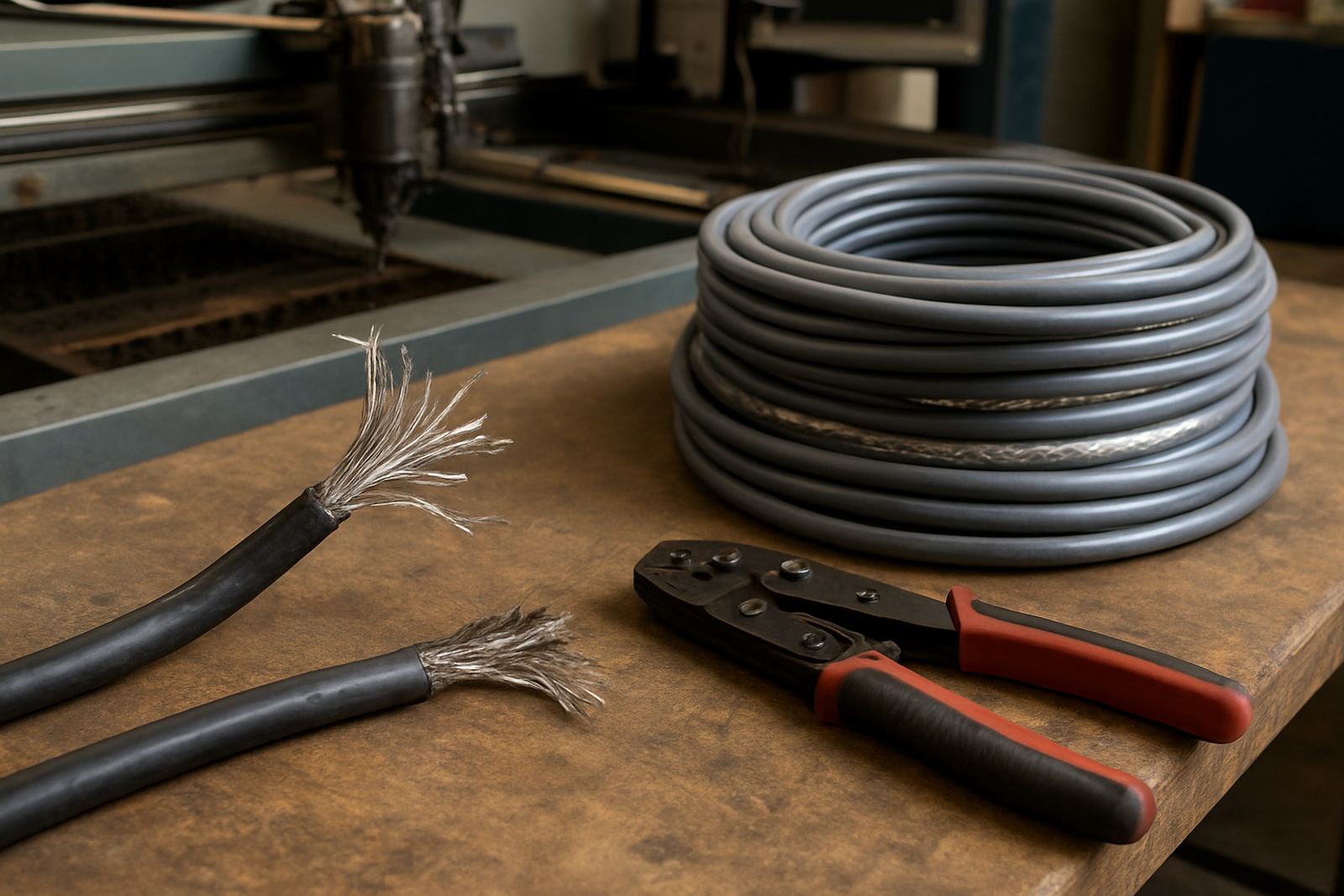
What Encoder Cable Repair Covers
Encoder cables carry the position signal between the drive system and the control side of the machine. When that cable is pinched, flexed too sharply, contaminated or damaged after a collision the machine can lose count, drift off position or stop with an intermittent fault that comes and goes. We repair and replace encoder cables for workshops in Boksburg, Johannesburg, Pretoria, Vanderbijlpark, Durban, Cape Town and nearby industrial areas where production cannot wait for guesswork.
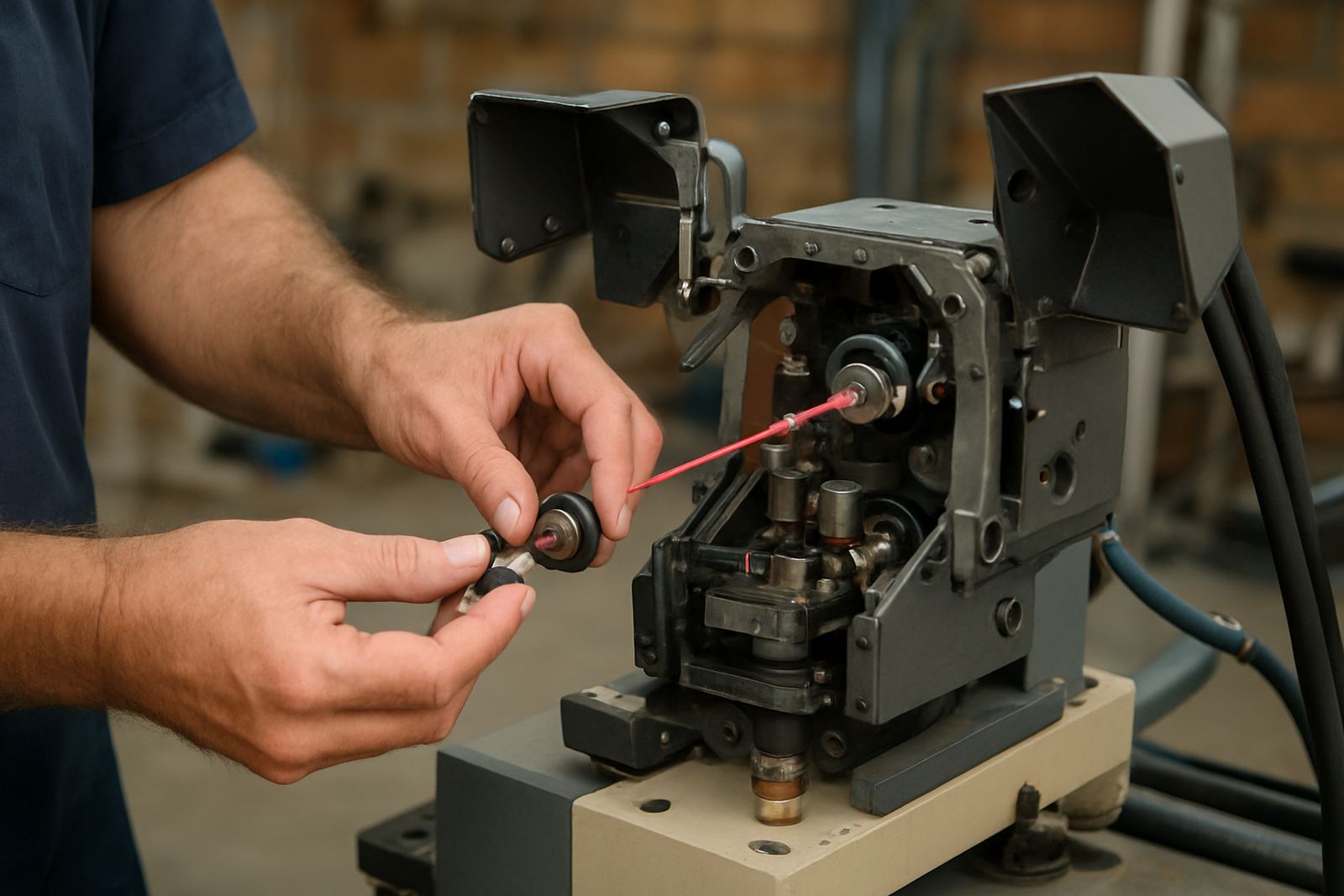
Our service includes fault finding, continuity testing, shield checks and connector inspection, then repair or replacement of the cable section that is failing. If the cable has suffered rubbing inside a cable chain, heat damage near the gantry or a crushed connector after a head strike, we trace the cause before returning the machine to service. That saves repeat faults and reduces the chance of another stop in the middle of a job.
- Intermittent encoder signal faults
- Position loss and axis drift
- Damaged cable sheathing or internal cores
- Broken shielding or poor earth return
- Connector damage from vibration or impact
Cable Types, Lengths And Connector Options
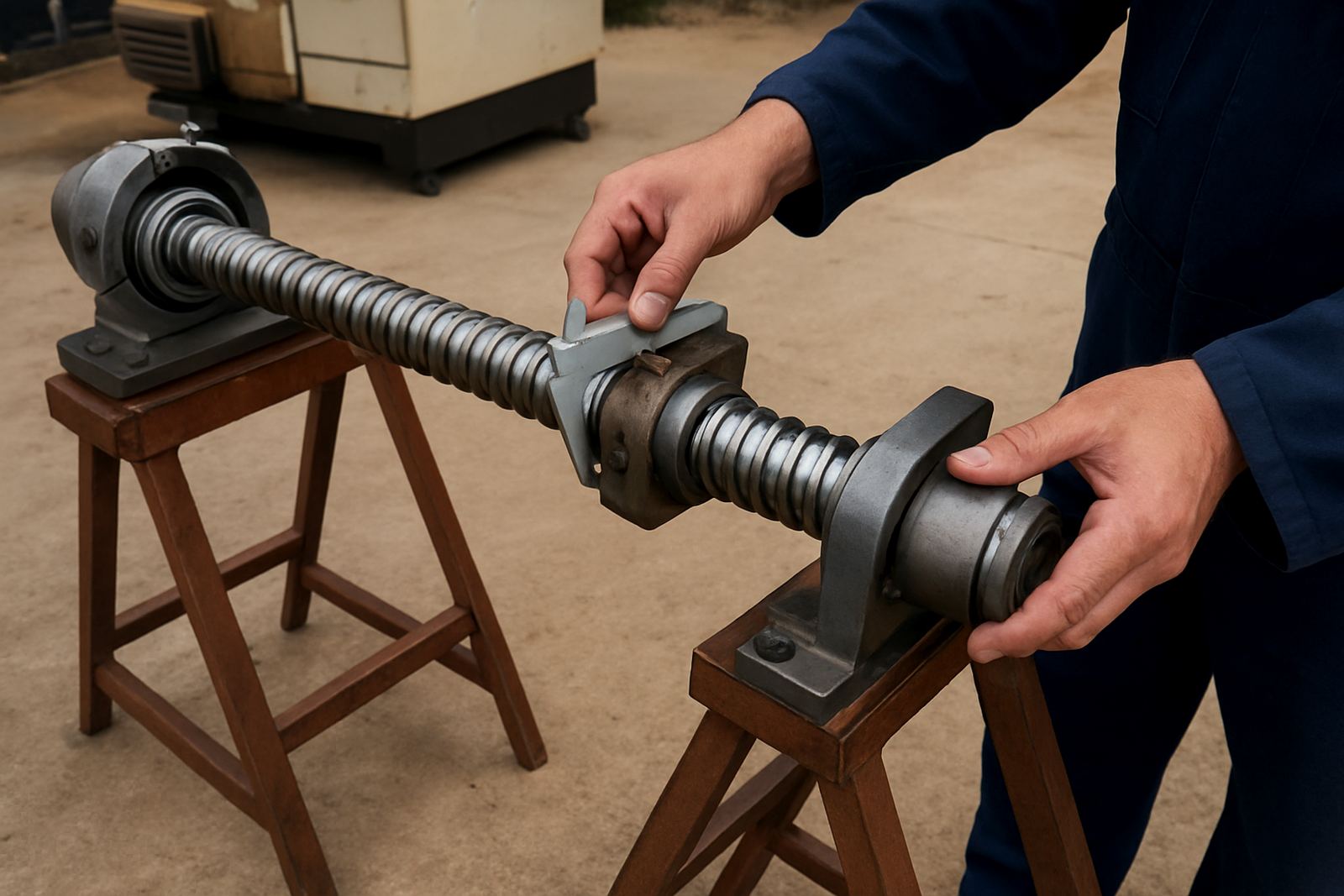
Encoder cables are not all the same. Length, core count, shielding and connector type must match the machine and the axis layout. We handle straight replacement cables and repair work on damaged assemblies where the connector ends are still serviceable. On some machines the cable runs through a moving energy chain so flexibility matters. On others the cable is fixed inside a cabinet and the issue is usually at the bend point or connector shell.
For South African workshops we normally work with cable runs from short internal leads of 1 metre or 2 metres through to longer machine runs of 5 metres, 10 metres or more. The correct size depends on the axis travel and the routing path, not just the machine name. If the cable passes through a drag chain it should have the right flex rating and a tough outer jacket. If it runs near motors, inverter drives or cutting heads, shielding is critical to reduce noise and false counts.
- Length options: 1 m, 2 m, 5 m, 10 m and custom cuts
- Core count: matched to the encoder signal layout
- Shielding: braided or foil shield where required
- Connector ends: straight, angled or field terminated
- Outer jacket: flexible for moving axes or heavier duty for static runs
Where It Suits On Fibre And CO2 Machines
This service suits job shops, signage plants and metal fabricators running fibre or CO2 laser systems that need accurate axis feedback. If the machine homes correctly one day then throws a position error the next, the encoder cable is often a strong suspect. It also suits equipment that has been moved to a new premises, especially where cable routing got strained during installation or the machine sat in a damp warehouse near the coast.
Encoder cable faults are common after repeated flexing, after a minor collision, or when coolant, oil or dust gets into the connector area. In coastal areas like Durban and parts of Cape Town, humidity can work its way into weak connectors and cause creeping faults. In inland workshops around Gauteng, vibration and cable chain wear are more common. Either way, the fix starts with proper testing not random part swapping.
- Fibre laser cutting machines
- CO2 laser cutting and engraving machines
- Servo driven gantries and motion systems
- Machines showing intermittent axis alarms
- Systems that cut fine one day and miss steps the next
Installation, Power And Site Requirements
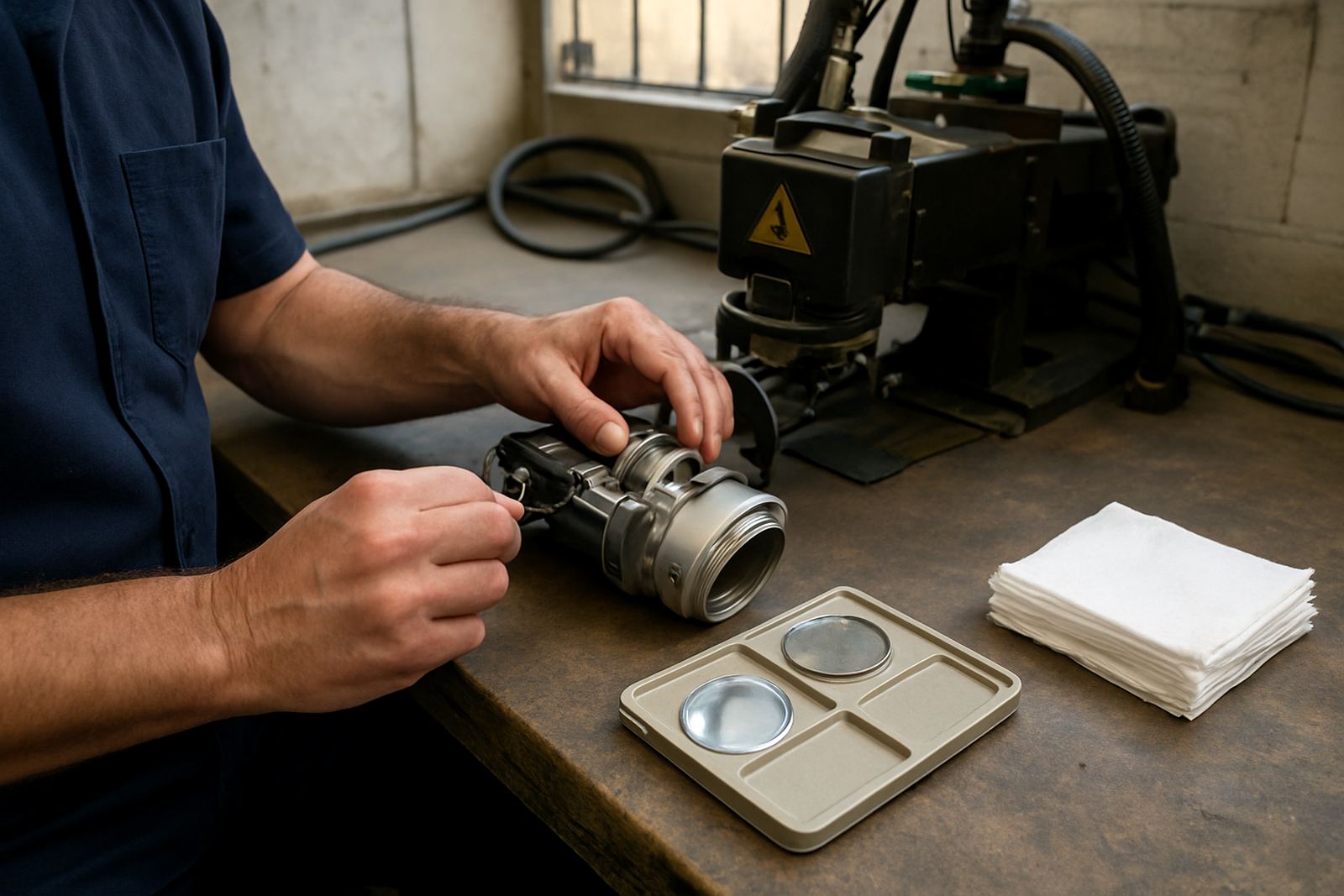
Encoder cable repair does not need gas. It does need a machine that can be safely isolated so the fault can be tested without live movement. If the job is done on site, we ask for access to the control cabinet, drive area and cable route, plus space around the machine for safe tracing. On bench repairs we remove the cable or damaged section, test it with the relevant equipment and then refit or replace it once the fault is confirmed.
Power requirements are simple: the machine must be properly isolated before work starts and then powered for final testing only when safe to do so. If the issue is linked to the servo system or encoder interface, we may need a full axis test after repair. That lets us confirm signal stability under movement, not just on a static check. On busy production floors we plan the work so the machine can return to cutting without a long shutdown.
Care, Servicing And Preventing Repeat Failure
A repaired encoder cable should be treated as a moving machine part, not a once-off fix. Keep cable chains clean, check for tight bends and watch for crushed sections where the machine moves through its full travel. If a cable has failed once because of rubbing or a collision, the routing should be checked as well. Many repeat faults come back because the root cause was never corrected.
Regular inspection helps keep downtime short. If your workshop handles long shifts or load-shedding recovery runs, it is worth checking the cable after power interruptions too. Sudden starts and stops can put strain on connectors and gantry movement. A quick visual check every few weeks is often enough to catch a problem before it turns into a full stop.
- Keep the cable away from sharp edges and pinch points
- Inspect connectors for bent pins and loose locking screws
- Check drag chains for cracked links or kinks
- Confirm the cable is not rubbing on moving metalwork
- Do a signal test after any collision or major service
What To Check When Ordering A Repair
When you send in an enquiry, include the machine make, model and axis affected, plus a clear description of the fault. Tell us whether the problem started after a collision, after a move, or gradually over time. If possible, note any alarm code, the cable length and the connector type. A few clear details save time and help us prepare the right replacement or repair path before the unit arrives.
It also helps to know whether you need bench repair, on-site support, or a spare cable for installation by your own team. If the machine is in Johannesburg, Pretoria, Vanderbijlpark, Durban or Cape Town, we can plan support around your shutdown window. For shops in Boksburg and the wider Ekurhuleni area, turnaround is often quicker because the workshop base is local and the fault can be assessed without delay.
- Machine make and model
- Axis or drive section affected
- Approximate cable length
- Connector photos if available
- Fault code or symptoms
- Preference for bench repair or on-site service
Key facts
| Service type | Encoder cable repair, replacement and signal testing |
|---|---|
| Machine types | Fibre laser and CO2 laser machines |
| Typical cable lengths | 1 m, 2 m, 5 m, 10 m and custom |
| Faults addressed | Position loss, intermittent faults, signal noise, open circuit, shield failure |
| Support mode | Bench repair and on-site service |
| Coverage | Boksburg, Ekurhuleni and major South African industrial centres |